Tesla and Waymo’s battle to win the robotaxi race is getting catty.
In regulatory comments published on Wednesday, Tesla said it only hired US-based human helpers to assist its robotaxis when they get stuck, after Waymo came under fire for using remote workers in the Philippines to guide their autonomous vehicles out of sticky situations.
The two robotaxi rivals have been engaged in regulatory sniping as they jockey to shape California’s new autonomous vehicle regulations.
In comments submitted to the state’s Public Utilities Commission on Tuesday, Tesla referred to the December 2025 San Francisco power outage that left some Waymo vehicles stranded in traffic.
Waymo later said the blackout caused a spike in requests from its robotaxis to the company’s remote assistance (RA) team, who assist the company’s robotaxis when they get into unusual situations. The surge in requests ultimately overwhelmed the system, Waymo said.
In its comments to California regulators, Tesla said its ride-hailing service in the state — which uses human drivers overseeing the automaker’s Full Self-Driving software — was not impacted by the outage.
Tesla said that the Waymo shutdown raised “important questions” over the reliability of robotaxi fleets, adding that all of its remote robotaxi operators are based in the US.
“Tesla is working to ensure that its autonomous technology is developed, manufactured, and supported in the US,” the company said.
Tesla added that domestically-based remote operators are more familiar with local road rules, more reliable at intervening when robotaxis run into trouble, have superior “network connectivity,” and are less vulnerable to cybersecurity threats.
Tesla did not respond to a request for comment. Waymo declined to comment.
Waymo in the spotlight
Waymo has faced significant heat in recent weeks over its practice of employing remote workers to assist its autonomous vehicles, a common practice in the robotaxi industry.
In a Senate hearing earlier this month, Waymo chief safety officer Mauricio Peña was grilled by Sen. Ed Markey over the hiring of remote workers in the Philippines to assist its robotaxis in difficult situations, which Markey called “unacceptable” and suggested could pose safety and cybersecurity issues.
Waymo defended its remote assistant program in a letter to Markey sent on Tuesday.
In the letter, Waymo said its RA agents do not directly drive their robotaxis but only provide “advice and support” when the self-driving system encounters a driving situation it can’t handle.
The company said it had around 70 RA agents on duty at any given time, with half based in the US and half in the Philippines.
Waymo added that its agents in the Philippines are required to have a local driver’s license and receive training in US road laws, and said that more complex driving scenarios are handled exclusively by a specialist team based in the US.
The Google-backed robotaxi firm has continued to face pressure from lawmakers over its foreign remote assistance teams. On Monday, House Rep. Earl Carter sent a letter to Transport Secretary Sean Duffy calling for an investigation into robotaxi companies using “foreign-based Remote Assistance Operators.”
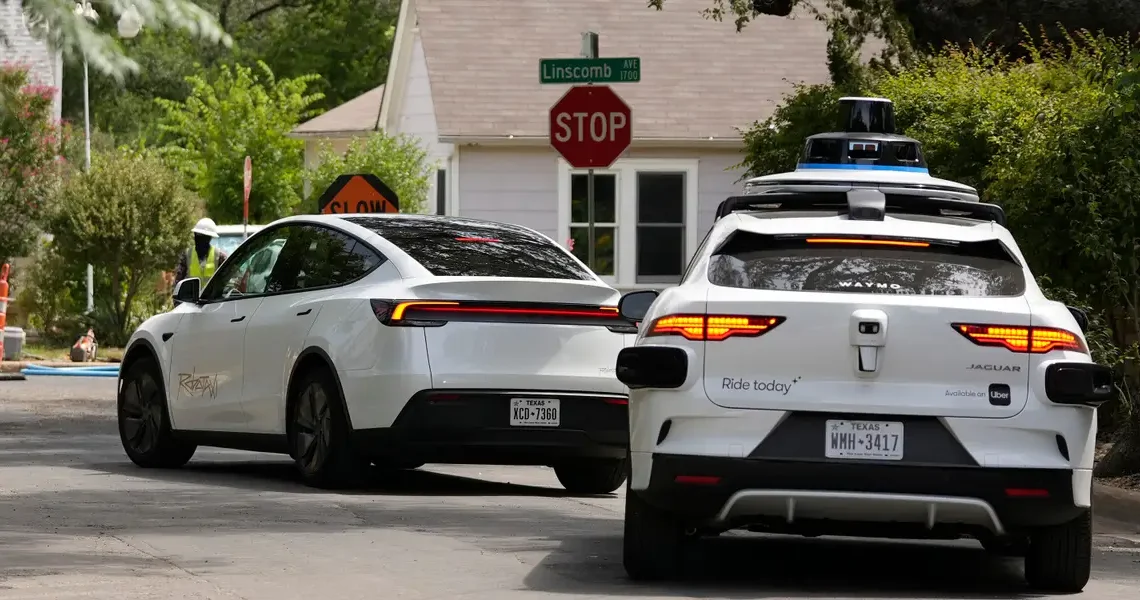
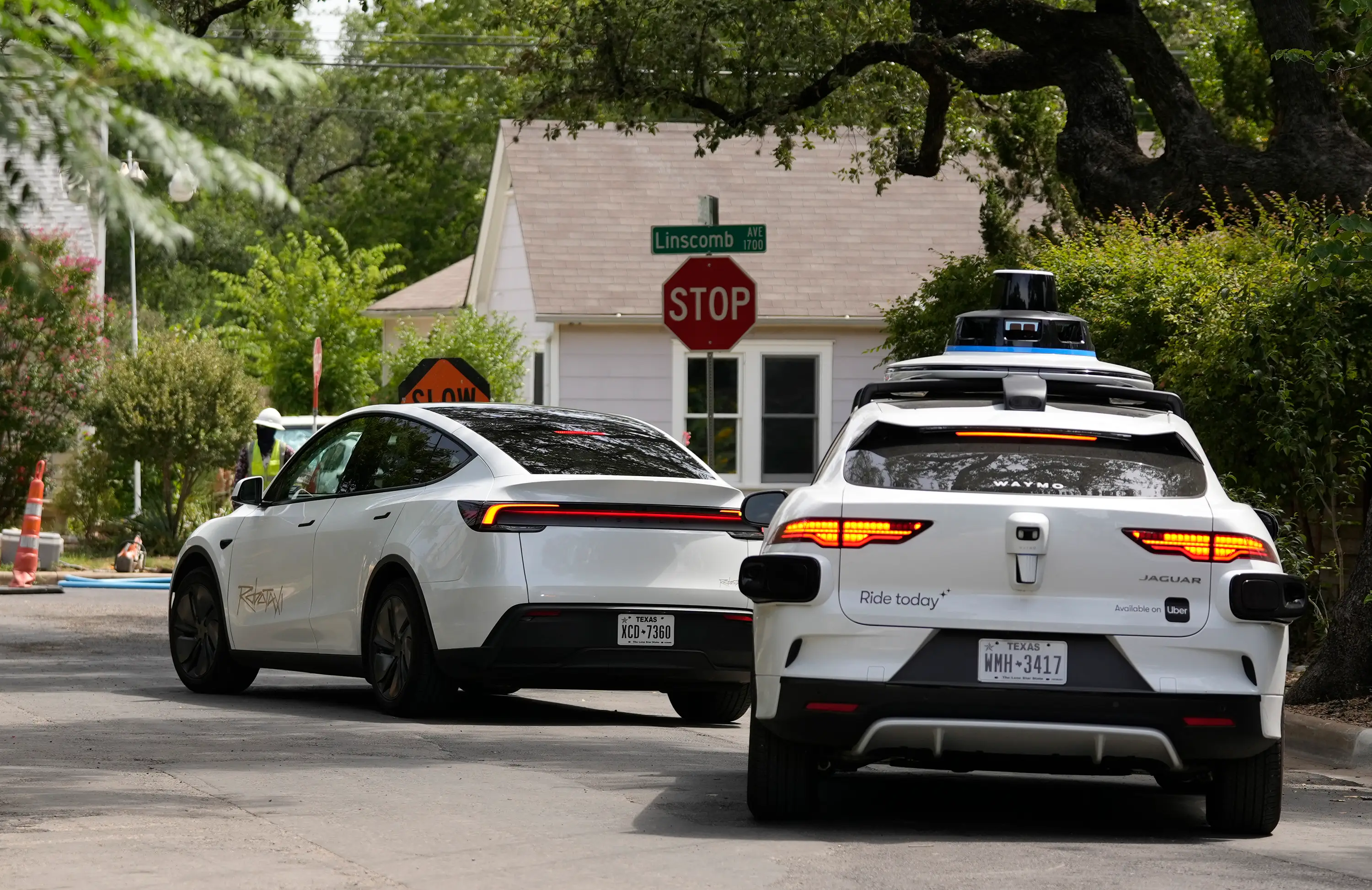
Waymo and Tesla are racing to roll out robotaxis in a host of US cities this year. Waymo recently announced plans to test its vehicles in Sacramento and Boston, while Tesla began offering autonomous rides without a safety driver in Austin last month and has begun production of its dedicated Cybercab robotaxi, which does not have a steering wheel or pedals.
Read the original article on Business Insider
The post Tesla takes a swipe at Waymo after it denies its robotaxis are driven by remote workers in the Philippines appeared first on Business Insider.