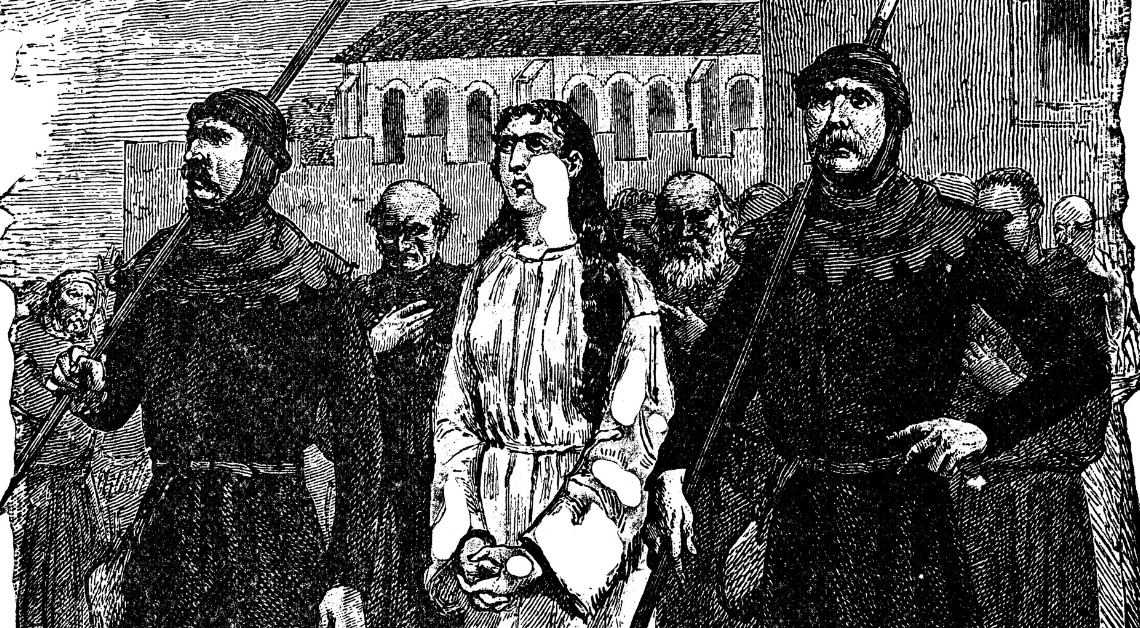
Witch-trial history has a nasty habit of sounding like satire until you remember people got jailed, tortured, and killed over this stuff. A neighbor’s bad luck could turn into a full-blown criminal case, and the “evidence” usually came from normal, daily life things.
When historians talk about early modern witch trials, they keep coming back to maleficium, the belief that a witch could cause real-world harm. That “harm” usually meant sickness, dead livestock, ruined food, lost money, or grief that needed a person to blame. A lot of the time, the accusation had nothing to do with magic and everything to do with fear, grudges, misogyny, religion, and a community hunting for a convenient target.
Here are some of the wildest “evidence” categories that helped get women labeled as witches.
1. Their Milk Went Sour or the Butter Wouldn’t Churn
Back then, food could fail for a hundred boring reasons, but people still wanted someone to blame. Sour milk and butter that wouldn’t churn could get pinned on a “witch,” aka a woman nearby, and scholars note these everyday misfortunes show up repeatedly in accusation culture.
2. A Baby Got Sick, and Grief Needed Somewhere to Go
Infant and child deaths were common, brutal, and unpredictable. Communities that believed in witchcraft often re-framed tragedy as an attack, and women near the household could become the “reason.”
3. They Healed People Too Well
Folk healers, midwives, and women doing informal care could draw suspicion, especially when medicine mixed with religion, tradition, and guesswork. Scotland’s historical record includes accused healers and midwives, enough that researchers have studied the pattern directly.
4. They Were Refused Help, Then Something Bad Happened
A classic setup in English cases involves a woman asking for charity or help, getting turned away, and then the refuser’s household suffering a misfortune. That sequence could fuel retaliation stories and complaints in court.
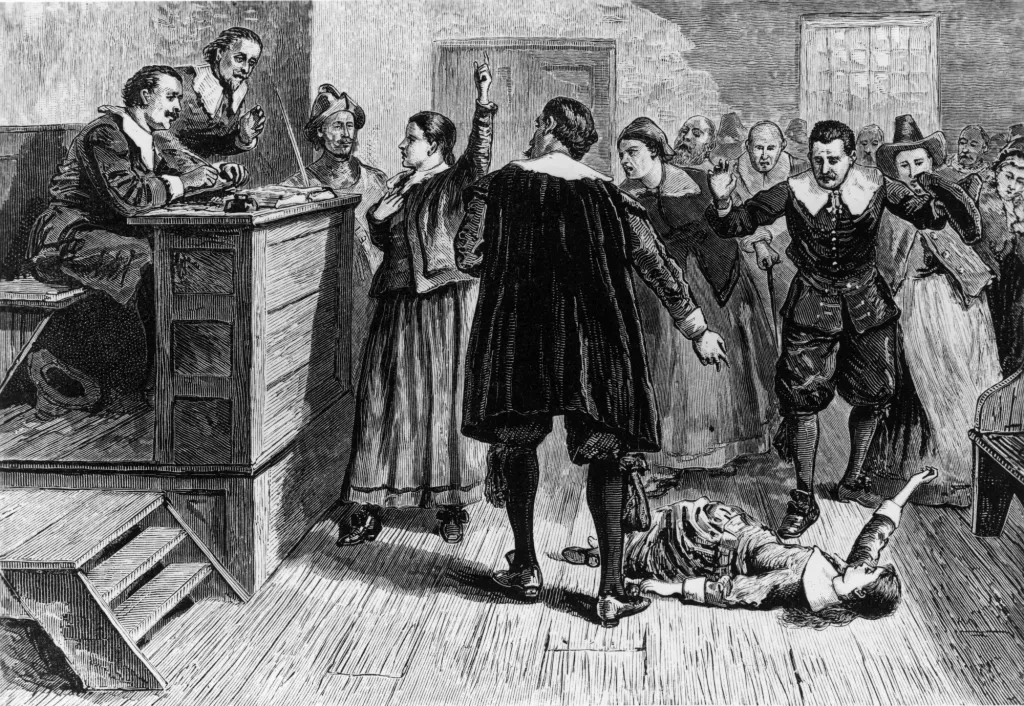
5. They Had a ‘Witch Mark’ Like a Mole, Scar, or Skin Tag
Witch-hunters literally inspected bodies for “proof,” treating ordinary marks as signs of a pact with the Devil. Accounts of trial practices describe searches for “witches’ teats” and “devil’s marks” on skin.
6. They Owned the Wrong Animal, Especially a Cat
A lot of people believed witches worked with animal helpers, and that belief dragged pets into court. Cats took the most heat, since they already had a creepy reputation in folklore. If suspicion landed on a woman, her cat could get treated as “proof” of her witchiness.
7. Crops Failed, Weather Turned, and Everyone Started Spiraling
Food insecurity makes people weirdly superstitious. Research on the Little Ice Age and European witch-hunting discusses how climatic stress and crop failure usually traveled alongside spikes in witch trials.
8. They Were Widows, Poor, or Socially Exposed
If you were already seen as a problem, witchcraft was an easy upgrade. Poverty, isolation, and low status left women exposed during panics. Salem’s early accused included Sarah Good, frequently described in historical accounts as a homeless beggar woman.
9. They Were ‘Difficult’
Sometimes the crime was simply a woman’s personality. An outspoken woman, a neighbor who argued, someone who refused to play nice, those traits could slide into “ill repute,” then into witch talk when communities wanted control.
The ugly truth is that most accusations came from ordinary life and ordinary fear. Once a community decided every setback needed a culprit, “witch” became a convenient label. Women paid for that convenience.
The post 9 Insane Reasons Women Were Burned as Witches appeared first on VICE.