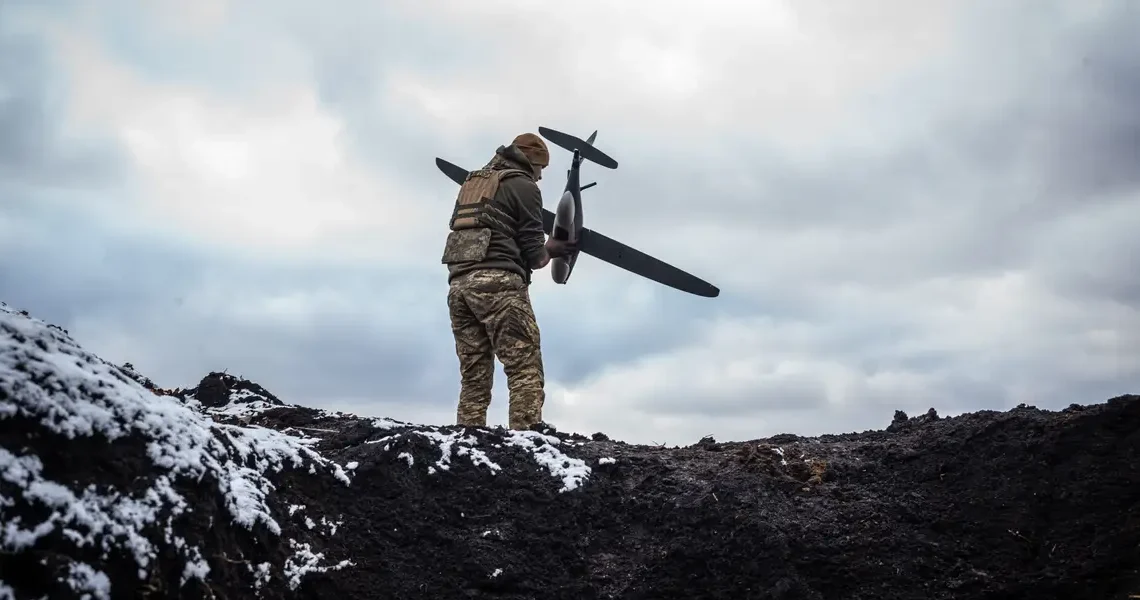
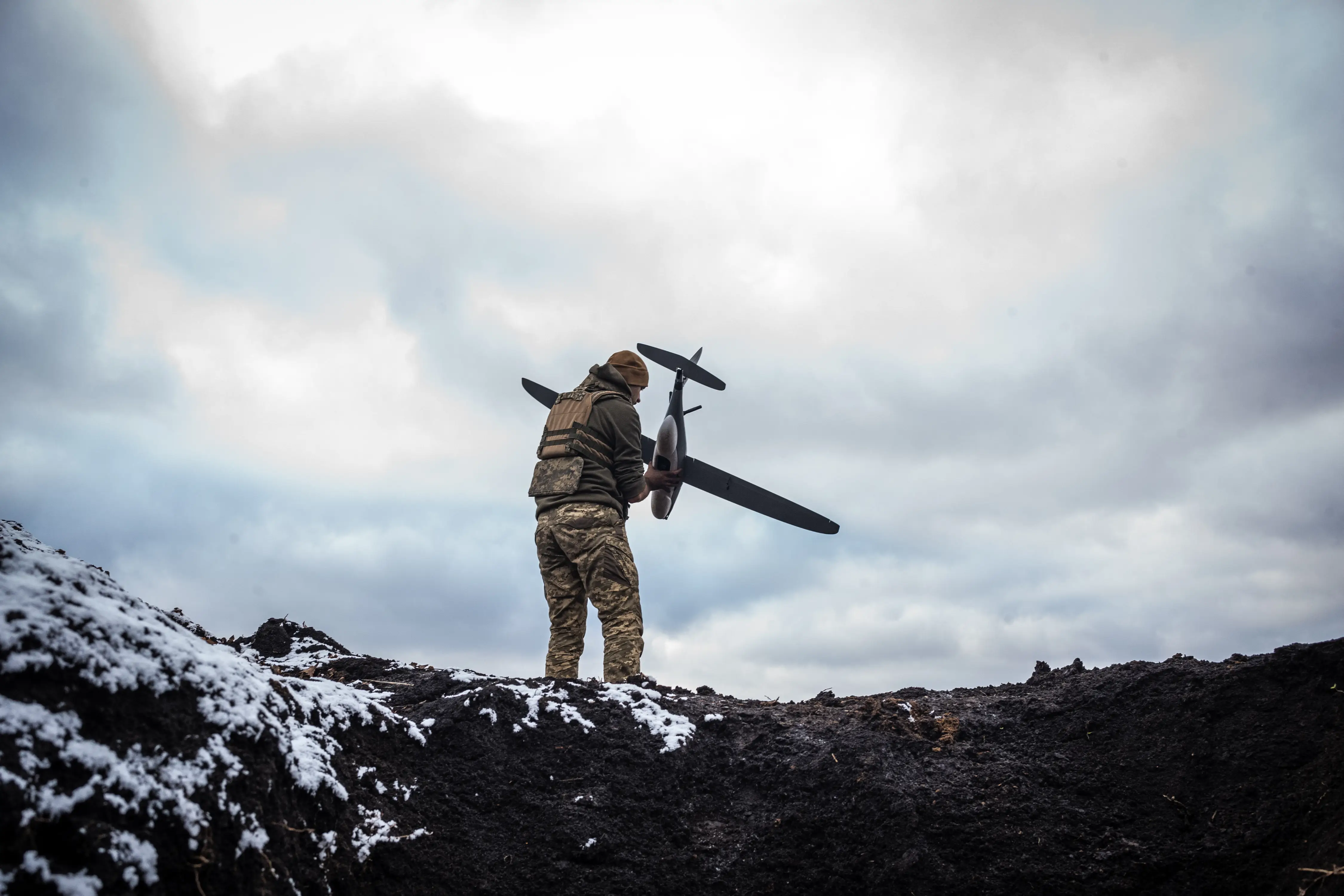
Ukraine’s large-scale drone war is pushing Western militaries to treat small drones less as high-end equipment and more as expendable ammunition that isn’t meant to come back.
US Army and British Army officials, as well as a NATO veteran who volunteered to fight in Ukraine, told Business Insider that effective drone warfare requires sending large numbers forward — and accepting many will be lost as a routine cost.
Maj. Rachel Martin, the director of the US Army’s new drone lethality course, told Business Insider that the conflict shows that “if you’re going to flood the zone with drones,” especially in a combat situation where electronic warfare is heavy, “you’re going to lose a lot of drones.”
She said it’s a “transition from the army of old,” where a lost drone was “a significant emotional event” that was reported to senior leadership. In Ukraine, it’s different. “Drones go down all the time.” There, losses are typically shrugged off, rather than investigated.
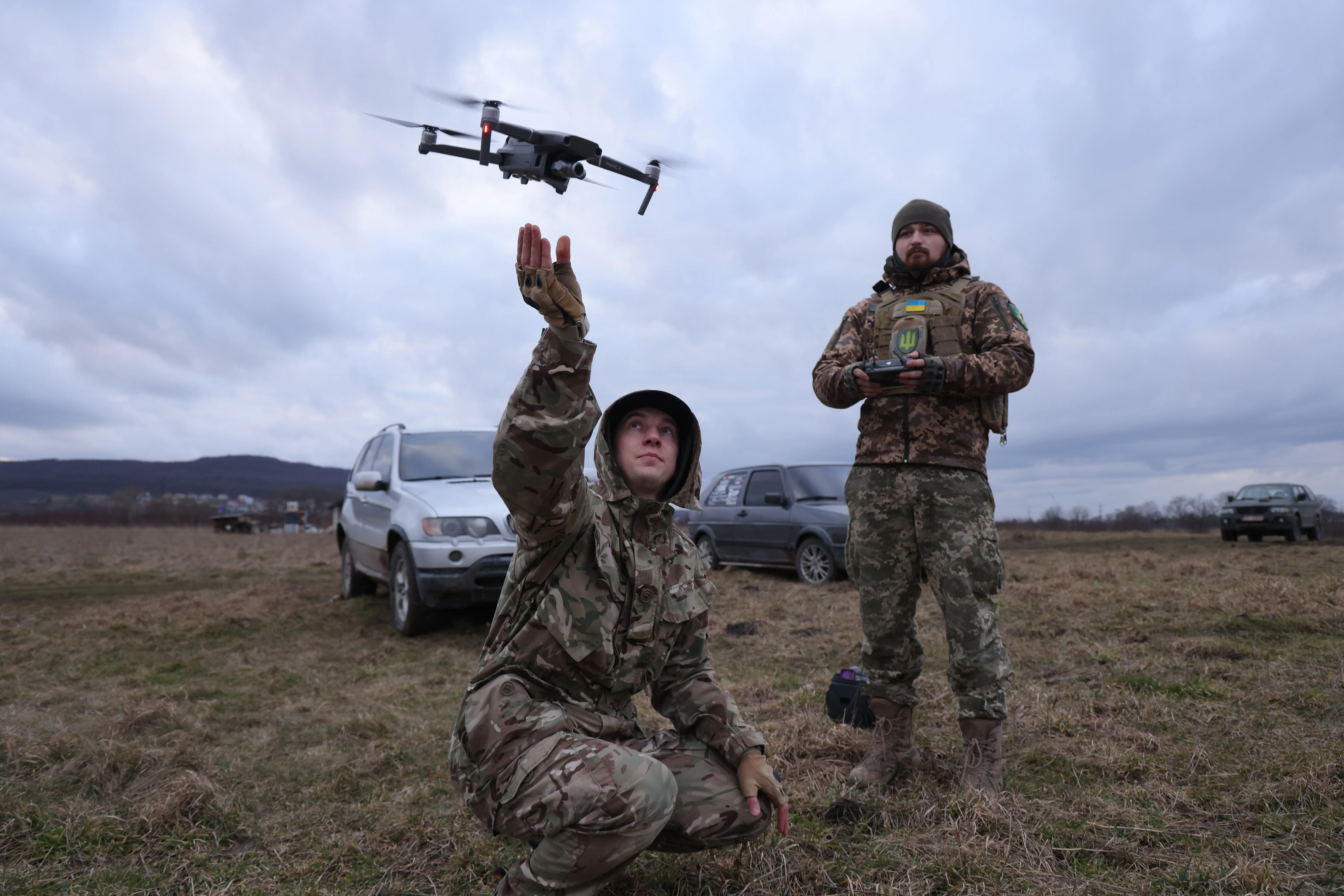
That shifting mindset is shaping how Western militaries train.
Lt. Col. Ben Irwin-Clark, the commanding officer of the British Army’s 1st Battalion of the Irish Guards, told Business Insider that his battalion has changed its training to allow drones to be damaged or even destroyed to reflect battlefield realities. “I absolutely think they need to be disposable because otherwise you’re not training realistically,” he said.
Not high-end equipment
Jakub Jajcay, a former special forces member from Slovakia who fought in Ukraine, told Business Insider that if NATO militaries want to start using drones for real missions, they “need to get used to the fact that they’re basically expendable material more akin to ammunition or fuel or gasoline, things like that, rather than specialized high-end pieces of equipment that need to be looked after.”
He said when he was serving in the military for his home country, “drones were very specialized pieces of equipment.”
The drones were fairly expensive, he shared, “and there was always a sort of bureaucratic process” in using them. Sometimes, only designated individuals were allowed to use the drones.
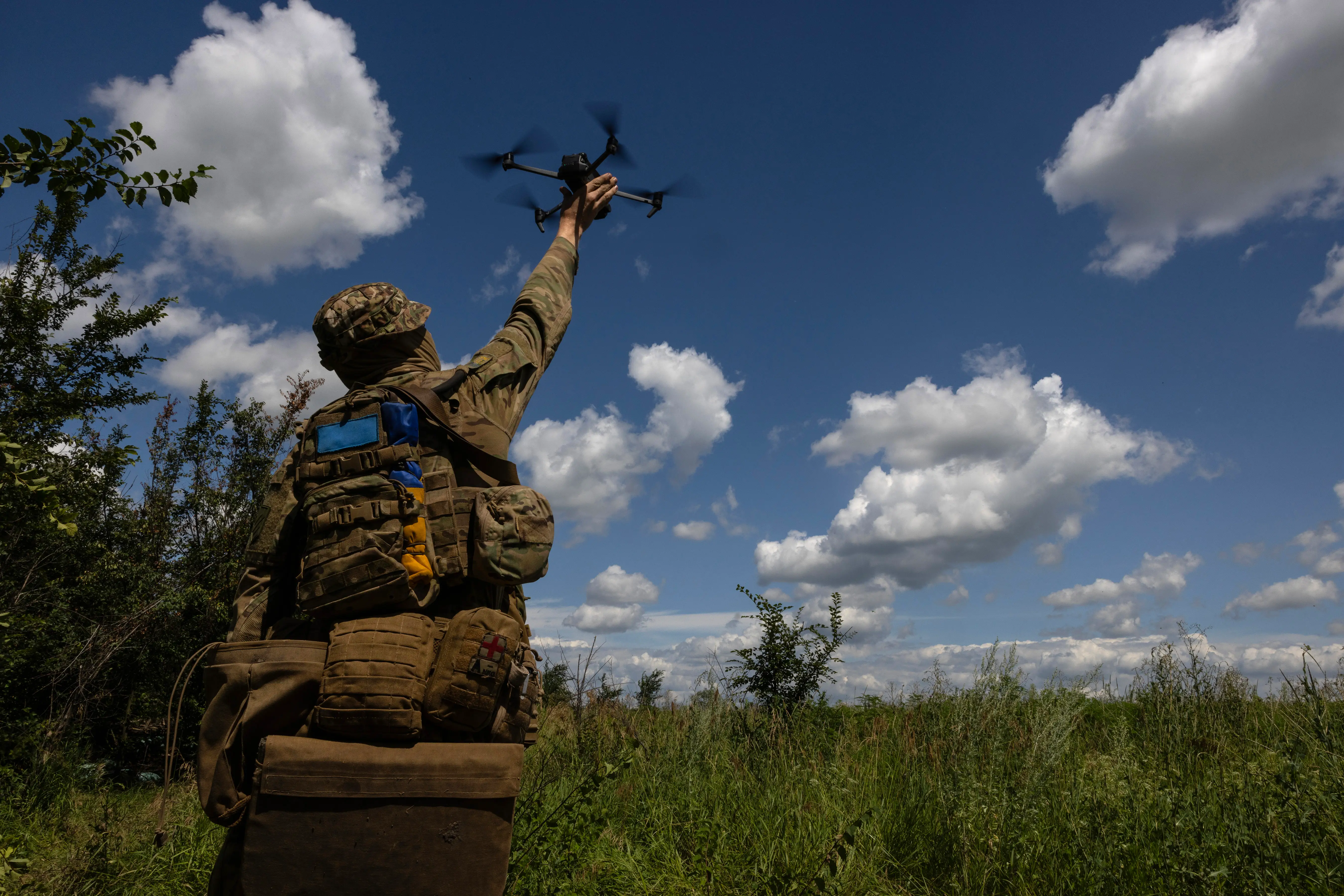
If something happened to a drone, “that would’ve been a big problem in training. If we had lost a drone, somebody would’ve been in big trouble for that.” The war in Ukraine shows how poorly that peacetime mindset fits large-scale combat.
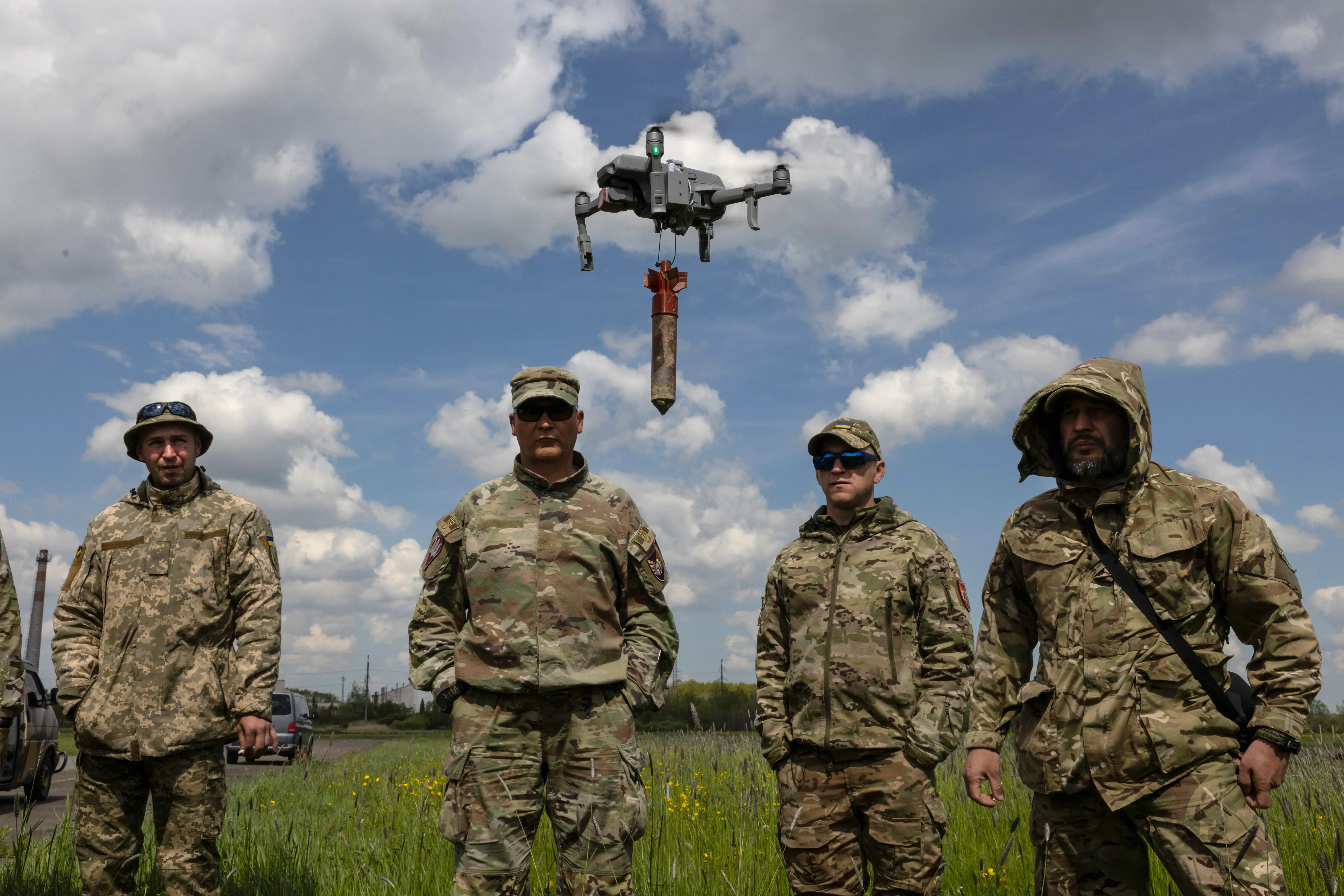
Russia’s invasion of Ukraine has featured drones on an unprecedented scale. Ukraine says roughly 80% of its strikes are carried out using drones rather than other weapons. Many never reach their targets and are lost along the way, though.
Cheap drones worth several hundred dollars have destroyed weaponry worth millions. But many of them don’t have any effect. A report last year from the UK’s Royal United Services Institute said that “between 60 and 80% of Ukrainian FPVs fail to reach their target, depending on the part of the front and the skill of the operators.”
Some drones are jammed or disrupted by electronic warfare, while others are shot down or get their cables cut. Sometimes they’re knocked out by soldiers on their own side.
Many of the drones on the battlefield are single-use, designed to explode when they hit their target, but many of them are destroyed, damaged, or disabled before they even reach that point.
Jajcay said that even drones designed to be used again and again “have a lifespan of maybe a few dozen missions at most.”
He also said that drones failed “all the time,” and those losses were expected.
The West is changing its view
The US Army is recognizing and learning from these dynamics in Ukraine, as are other Western militaries, as they incorporate the idea that drones cannot be treated as overly precious assets into their drone warfare training and doctrine.
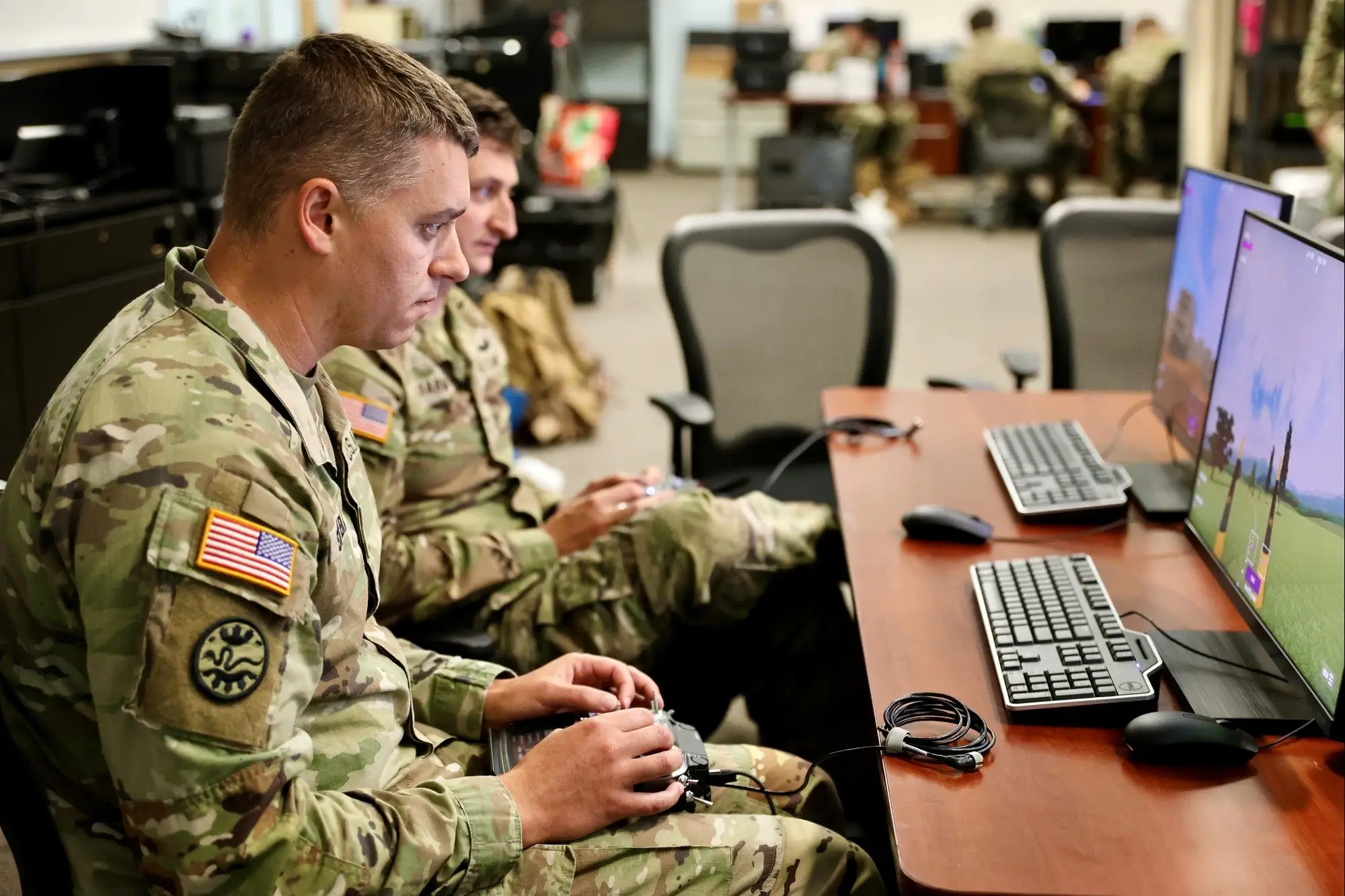
Maj. Wolf Amacker, who leads the Army’s Unmanned Aircraft Systems and Tactics Branch at the Aviation Center of Excellence, told Business Insider that out of the thousands of drones used daily, only around 30% of them hit their targets, while many others don’t have a significant impact on their targets.
The Army is learning that lots of drones need to be sent forward.
Irwin-Clark told Business Insider that the way the UK sees drones has also shifted. He said “every time there’s an iterative change in technology in the battlefield, everyone gets very excited about it and the ownership of that asset tends to be far too high.”
He said that often when a new and powerful technology emerges, senior leaders will try to tightly control it, arguing that because there are only a handful available, only a select few should have the authority to decide when it’s used. The assets are carefully protected, at least initially. Later on, trust is imparted to soldiers to handle technology previously in the charge of higher-ups.
That pattern, Irwin-Clark said, is “exactly what’s happening with drones.”
His battalion wrapped the first drones it received years ago in bubble wrap, “and we didn’t fly them very often,” he said. “When we did,” he continued, “we made sure we flew in the middle of a field with nothing, no obstacles around.”
Now, his battalion is deliberately crashing its latest drone delivery into targets, while looking at how to make repairs. “It really doesn’t matter if we break them,” Irwin-Clark said.
The US is coming at it the same way. Martin, who previously commanded a Gray Eagle drone company, said her course takes into account that “drones crash. I’ll say that to the day I die having owned drones as a commander: drones crash.”
Secretary of Defense Pete Hegseth said last year that the defense department needs to view small drones as consumables rather than “durable property” — more like ammunition than valuable equipment. It’s a change that Jajcay described as “a step in the right direction.”
Western armies were using various drones in warfare before Russia’s invasion, often using them as surveillance platforms or tools for launching missile strikes. Small drones weren’t used the way they’re being used in Ukraine, but the US, UK, and others are learning drone lessons from the war.
Martin said the ongoing conflict in Ukraine shows that even when you lose drones, it’s ultimately “still cheaper than employing missiles on specific targets.” That’s an equation the US Army can’t totally ignore.
“They’re cheaper, and you’re not putting human lives in danger” to carry out the mission, she shared. And the Army knows that “they’re going to crash. It’s going to happen.”
Read the original article on Business Insider
The post Ukraine’s drone war showed the West it needs to view small drones less like prized gear and more like expendable ammo appeared first on Business Insider.