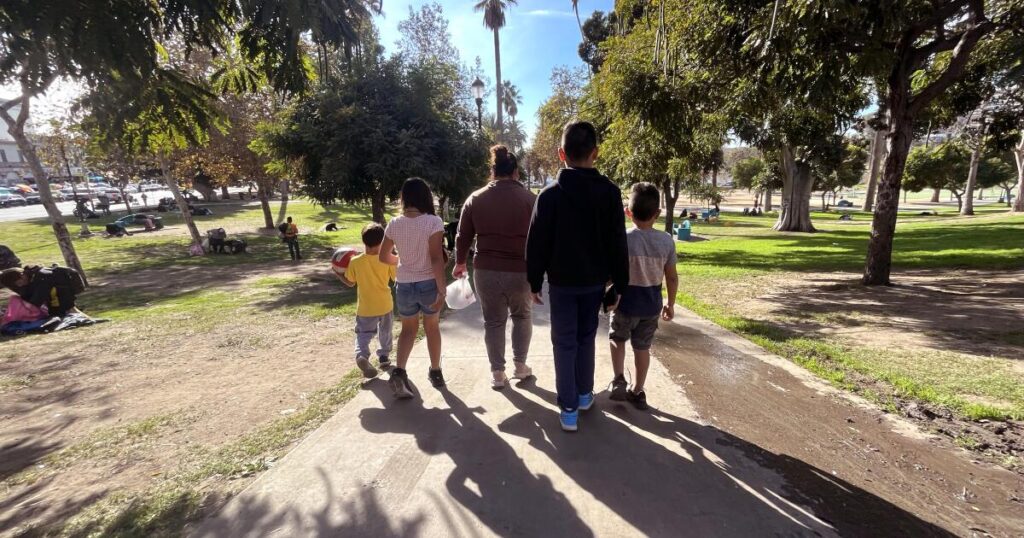
The city of Los Angeles is turning its back on parks and nature, even after investing in a yearlong, citywide, park needs assessment. There’s no good time for a major city to do this, especially in an era of climate change, let alone in L.A.
Green spaces provide essential services, such as cooling, refuge and respite. People who regularly visit parks and natural areas have better physical and mental health, and lower rates of cardiovascular disease, obesity, diabetes and low-birth-weight children.
But park spaces and biodiversity are on the ropes in our city, despite enormous support among residents and voters to improve and maintain green spaces for people and other species.
LA Sanitation & Environment, a city department that does much more than just pick up garbage to keep L.A. clean and healthy, recently ended its world-class initiative on biodiversity at the same time that its director, Barbara Romero, one of the city’s staunchest environmental leaders, left the department. LASAN’s biodiversity program was one of a handful in major cities around the world committed to improving habitat and resilience for species that share our urban environments. The budget for the program was zeroed out even though it largely depended on existing LASAN staff to carry it out.
Meanwhile, L.A.’s park system has fallen from 19th to 90th place among the top 100 cities in the U.S. in just five years. Last year, the city spent nearly $4 million on a park needs assessment that identified a road map for improving this sorry state of affairs, including $2.7 billion in deferred maintenance and $12.3 billion to bring our park system up to the level of service of peer cities, such as San Diego, Dallas and Chicago. But City Hall is doing little to support a grassroots campaign to put a park funding measure on the November ballot.
The measure includes strong oversight and accountability to ensure that funding would be used for parks and prioritize green spaces in high need areas, such as Koreatown, Boyle Heights, South L.A. and parts of the San Fernando Valley. But that effort has stalled because potential funders of a signature gathering campaign have yet to hear whether Mayor Karen Bass and the majority of the City Council will support the measure.
It’s no longer surprising to see this kind of undermining and neglect by the current federal administration of important protections for our environment and improvements that benefit the health of our human and natural communities. But to see it happening in Los Angeles is dismaying and disheartening.
When Bass was elected in 2022, she publicly pledged to support the city’s environmental initiatives. Instead, it seems the city has taken one or two steps back from many of these initiatives, including tree planting and extreme heat resilience, or is standing idly by while they stall and fall apart from lack of support.
This lack of support flies in the face of the city’s own park needs assessment. A representative survey of residents across the city of L.A. conducted as part of the assessment found widespread understanding of the fraught condition of our park system and the value of parks for the health and well-being of our communities, as well as habitat for other species, climate resilience and wildfire prevention and recovery. More than half of respondents were supportive of a bond, tax or levy to fund parks and recreation facilities.
L.A. city parks have been starved of funding in the city budget for more than a decade. We lag far behind our peer cities in what we spend per capita on parks, which is why Los Angeles has fallen steadily in national rankings. Park funding has not even kept up with inflation, leading to reductions in staffing and an inability to plan and complete basic repairs and improvements. On top of that, a special fund for parks approved by voters 30 years ago expires this year.
But all is not lost yet.
There is a growing bloc on the City Council that supports a funding measure to restore our parks system. Grassroots organizers had planned to begin a signature gathering campaign early this year, which would have meant the ballot measure would have only required approval from a simple majority of voters. If the council puts a measure on the November ballot, it would need to be approved by two-thirds of voters. That is a heavier lift, but it might still be possible.
The City Council could also increase the percentage of the city’s property tax revenues that is dedicated to parks through the city charter reform process that is now underway and slated to be put before voters this fall. Currently, almost all of the funding for the city’s Department of Recreation and Parks comes from the charter allocation under a formula which has been frozen for nearly a century while the city’s parks system has grown significantly. Voters approved a similar increase for L.A. public libraries in 2011 because they understood libraries are essential infrastructure, like parks.
But none of this will happen without residents and voters in Los Angeles telling our elected officials that we will not tolerate continued neglect and deterioration of our parks and environment. That means contacting City Council members and the mayor to make sure your voice is heard.
Tell them to support funding for parks through a funding measure and charter reform, and to restore the budget for LASAN’s biodiversity program.
They will not prioritize any of this without hearing from their constituents.
City officials plan to use our park system as infrastructure for events during this summer’s World Cup and the 2028 Olympics. They talk a lot about how the games will be great for Los Angeles residents, as well as visitors and athletes. But do they have plans to invest in our parks to leave them better after the Games? We need to know. Otherwise, our city parks will be left in even worse condition, with no plan to maintain — let alone improve — the system.
City Hall should stop playing games with our city parks and natural environment.
It is tempting to say that if they cannot lead, they should at least get out of the way. But the real politics of Los Angeles is that we need them to step up and support our parks and environment — not just stand by and do nothing.
Jon Christensen is director of the Laboratory for Environmental Narrative Strategies at UCLA. He provided data and analysis to support the park needs assessment for the city of Los Angeles.
The post City leaders are sabotaging parks and nature spots across L.A. appeared first on Los Angeles Times.