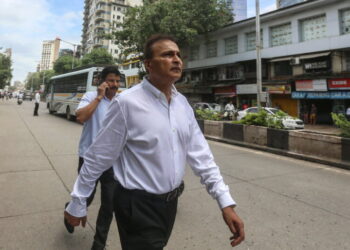
Photographer Kirill Sokolov was recently granted permission to visit the DPRK as a tourist.
The country usually prefers to keep itself to itself, so VICE asked Sokolov to share his holiday snaps with the French artist Valnoir, who compared them to his own memories to tell us what has changed of late in Pyongyang.
North Korea and I go way back, for better or worse.
Between 2012 and 2017, I took part in a cultural-exchange program with the DPRK set up by Norwegian director Morten Traavik. The series climaxed in 2015 when the provocative Slovenian art-rock band Laibach became the first Western group to perform in Pyongyang—an idea that originated with me, but which would never have come to fruition without the years Morten spent developing trust and contacts within the North Korean administration.
As a cultural artist, I worked with him on six DPRK exchange projects, three of which took me to the capital. The anecdotes that punctuated these trips are, unsurprisingly, plentiful: I lived through an earthquake caused by a nuclear test carried out a few hundred kilometers away; I was decorated by the regime; I was taken to a shooting range with live targets; I sang “Rape Me” by Nirvana at karaoke in front of Depeche Mode’s producer; I once tried to explain to a regime dignitary how to make screen-printing ink using human blood.
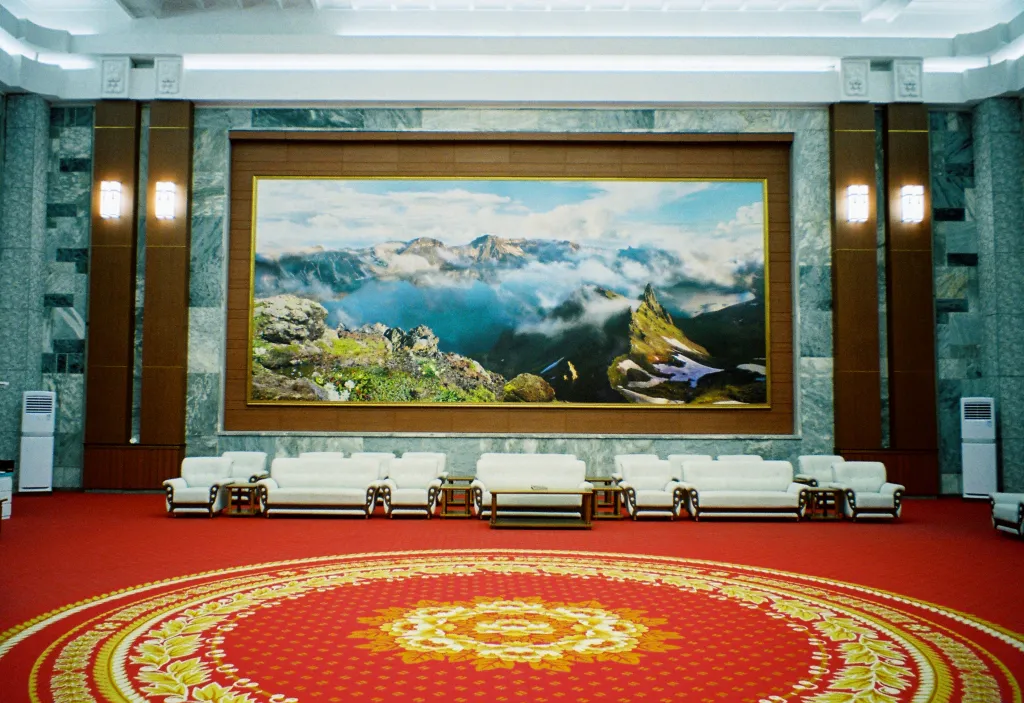
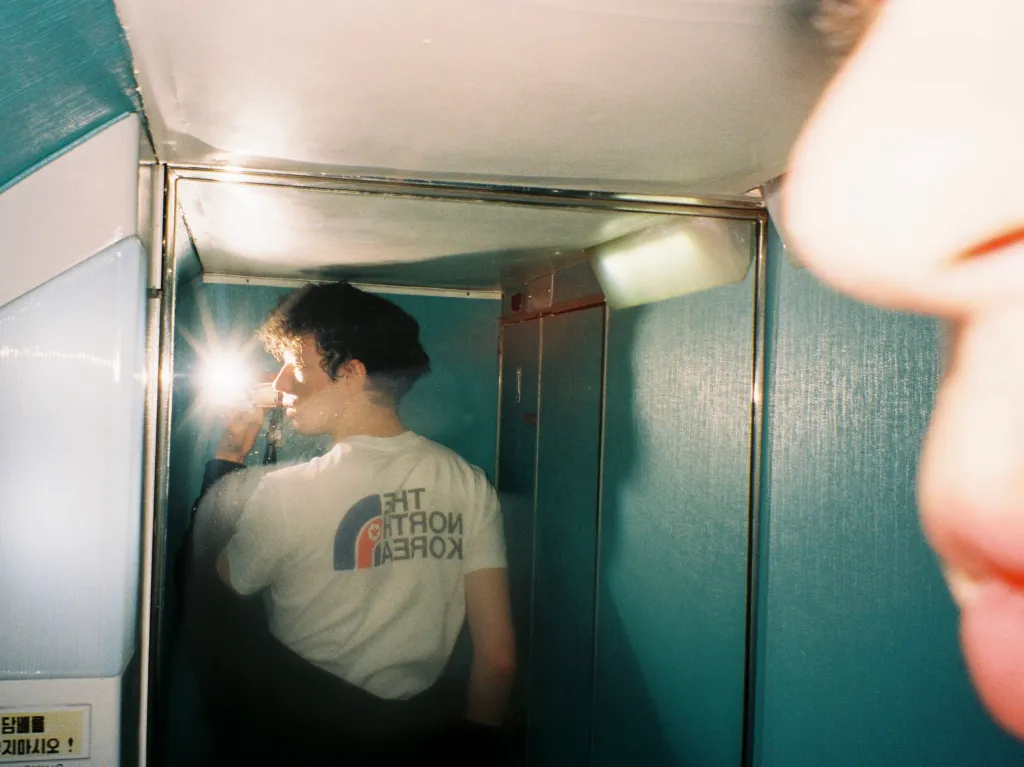
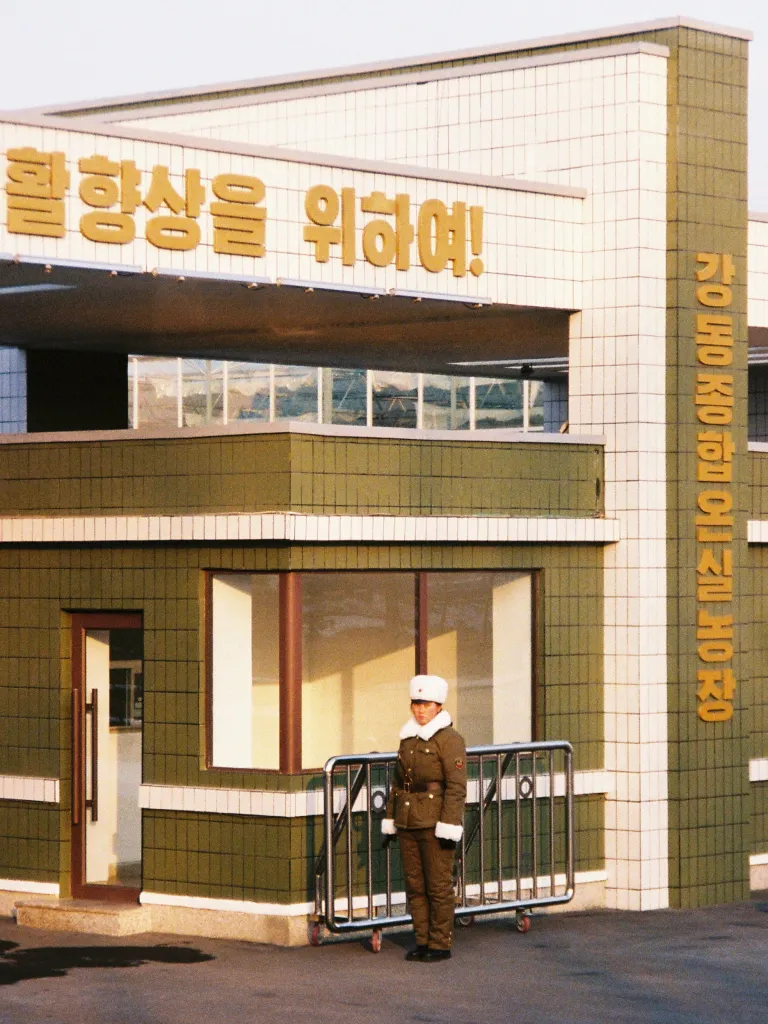
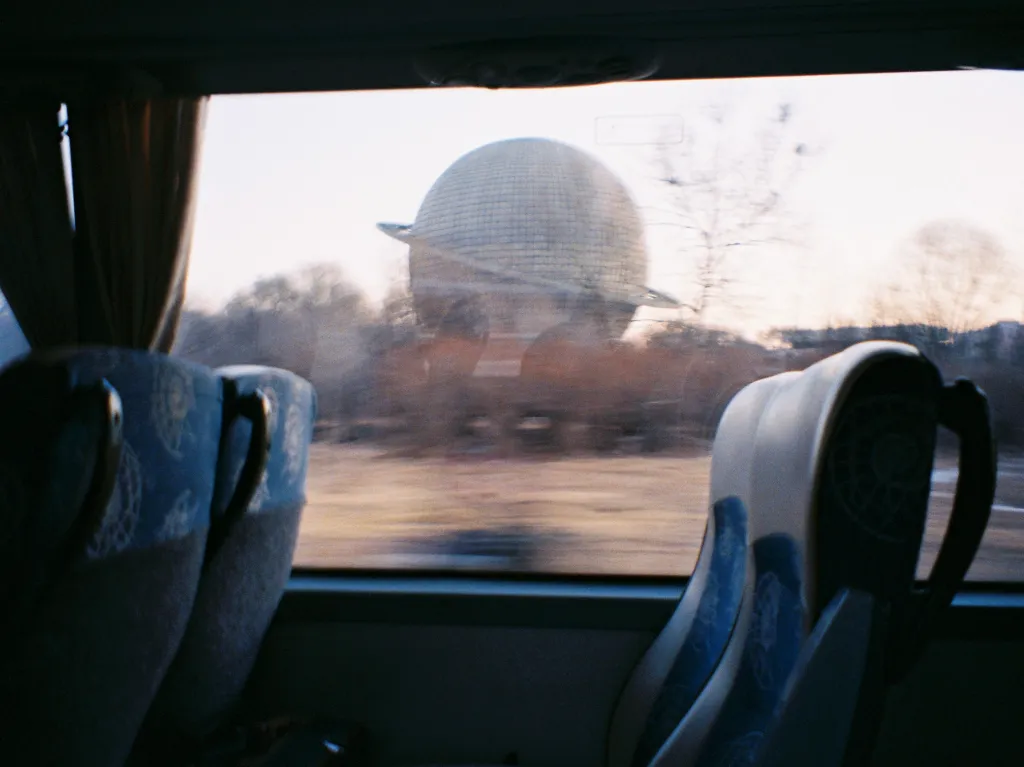
Nearly ten years after my last trip, I now find myself—not without a certain nostalgia—feeling as though I’m back in town, thanks to Kirill Sokolov, whose photographs open up small, momentary windows onto the new North Korean reality. Certain details might suggest an evolution of society, a timid opening toward the embryo of a market economy. Other signs indicate that the nation remains frozen in the central ideology of isolationist self-reliance upon which it was built.
As I scrolled through nearly 300 photographs, I recognized most of the places, the regime’s standard tourist itinerary having clearly not evolved too much. Among many memories, the mandatory visit to the Pyongyang Circus Theater immediately came back to me.
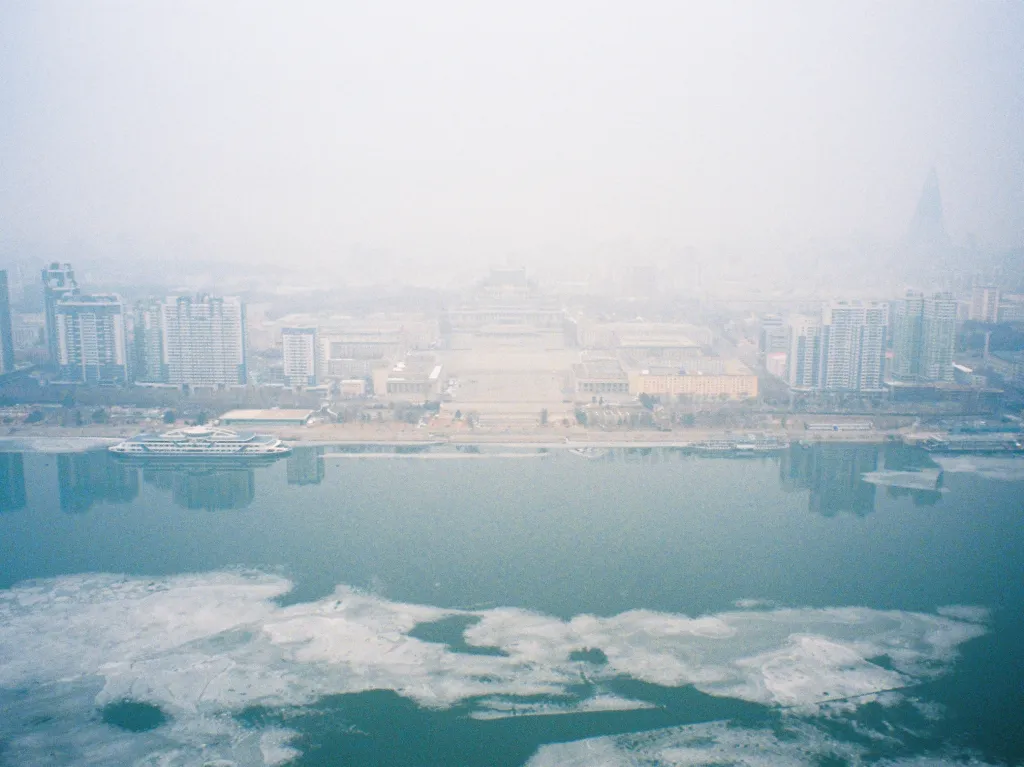
“New, modern skyscrapers have reshaped the skyline, though it’s still one veiled by smog from the Tsarist coal power plant that supposedly supplies the city with electricity”
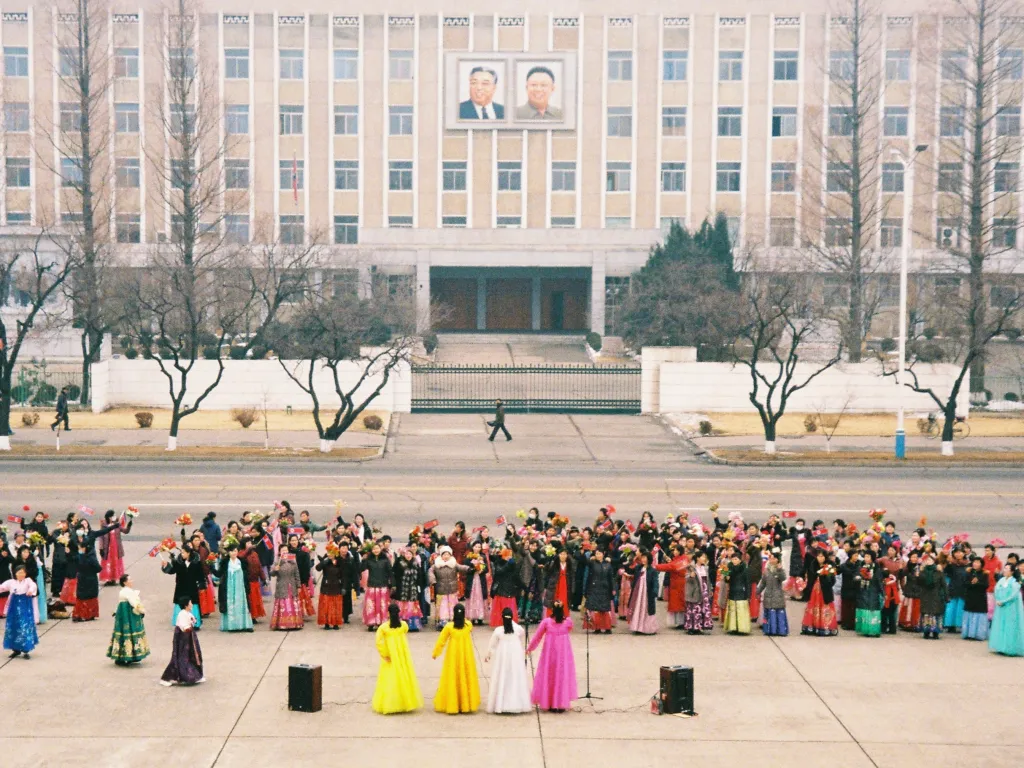
The fact that Kirill was able to gain access—for both him and his camera—to the Day of the Shining Star celebrations marking Kim Jong Il’s birthday surprised me. By his account, Kirill’s group was given a fair amount of leeway when it came to choosing which sites to visit, including a run-down Orthodox church (yes: strangely, Pyongyang counts a handful of active parishes). Various factors—including the regime’s enthusiasm toward foreigners at the time and the health of our fixers—meant I was not always so lucky.
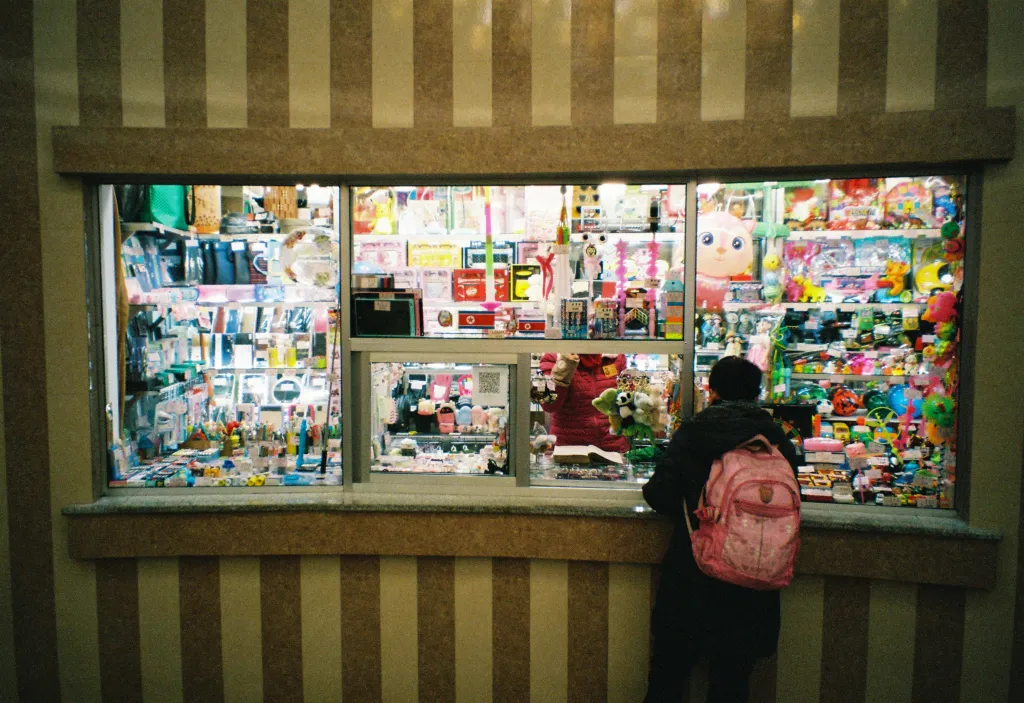
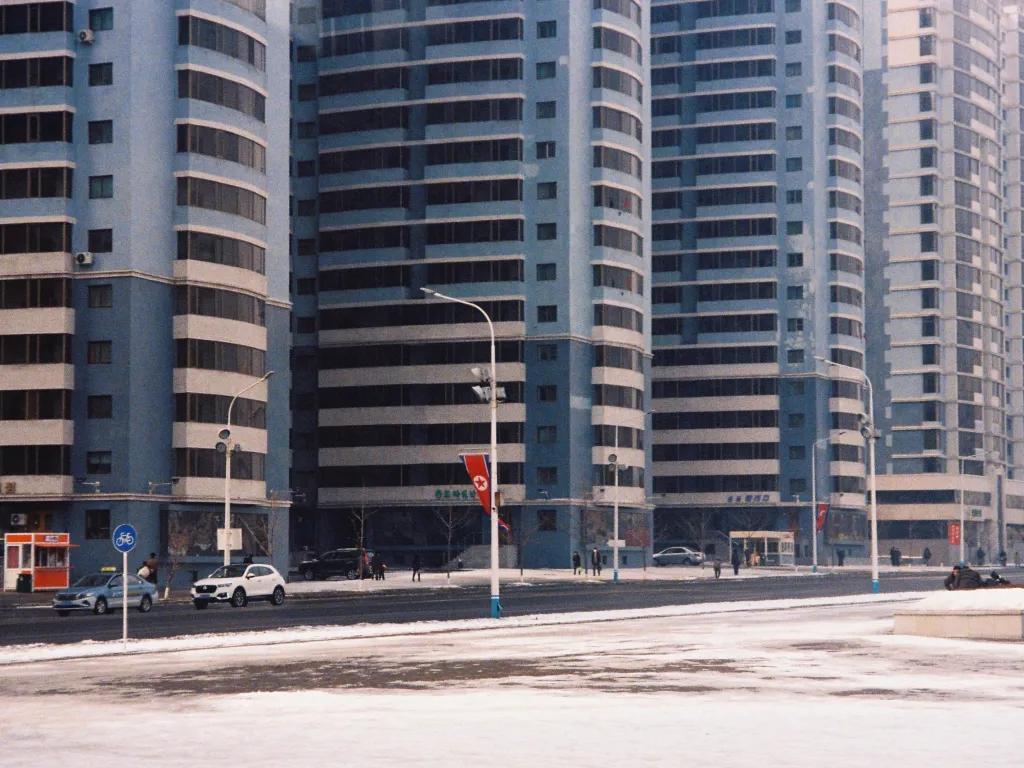
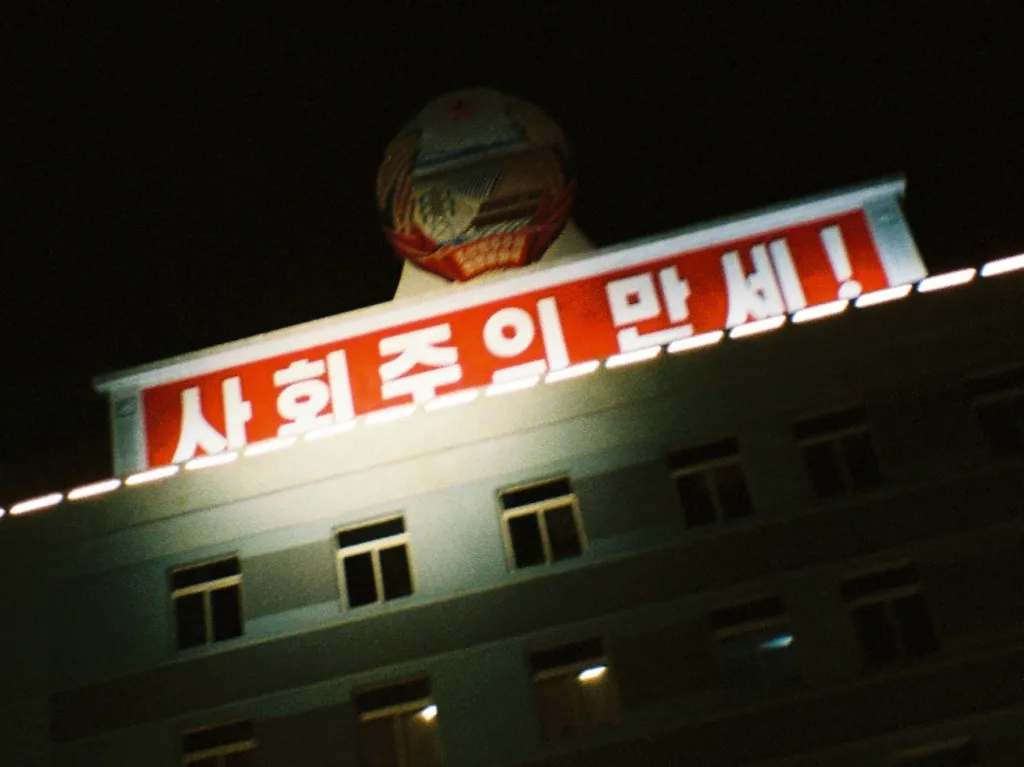
Through Kirill’s testimony, one might be tempted to think that life in North Korea is “getting better”: there are signs of increased automobile traffic, including many taxis, and QR codes—which I imagine are used for payments—appear on the windows of street kiosks. The murals adorning the rooftops around Kim Il Sung Square have been completely revamped, while new, modern skyscrapers have reshaped the skyline, though it’s still one veiled by smog from the Tsarist coal power plant that supposedly supplies the city with electricity.
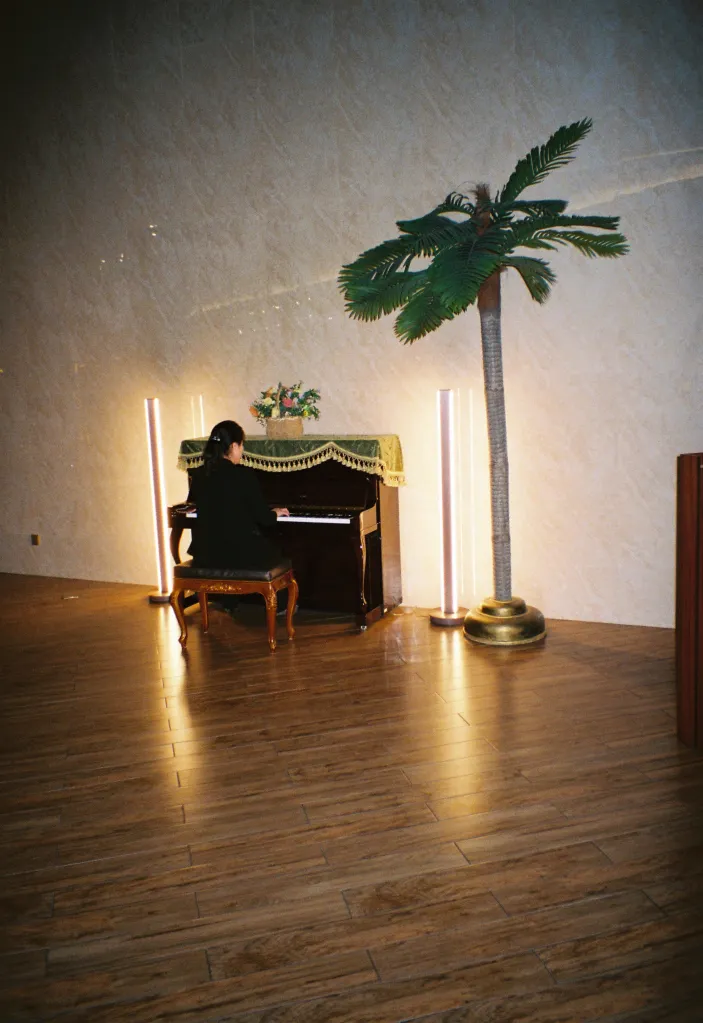
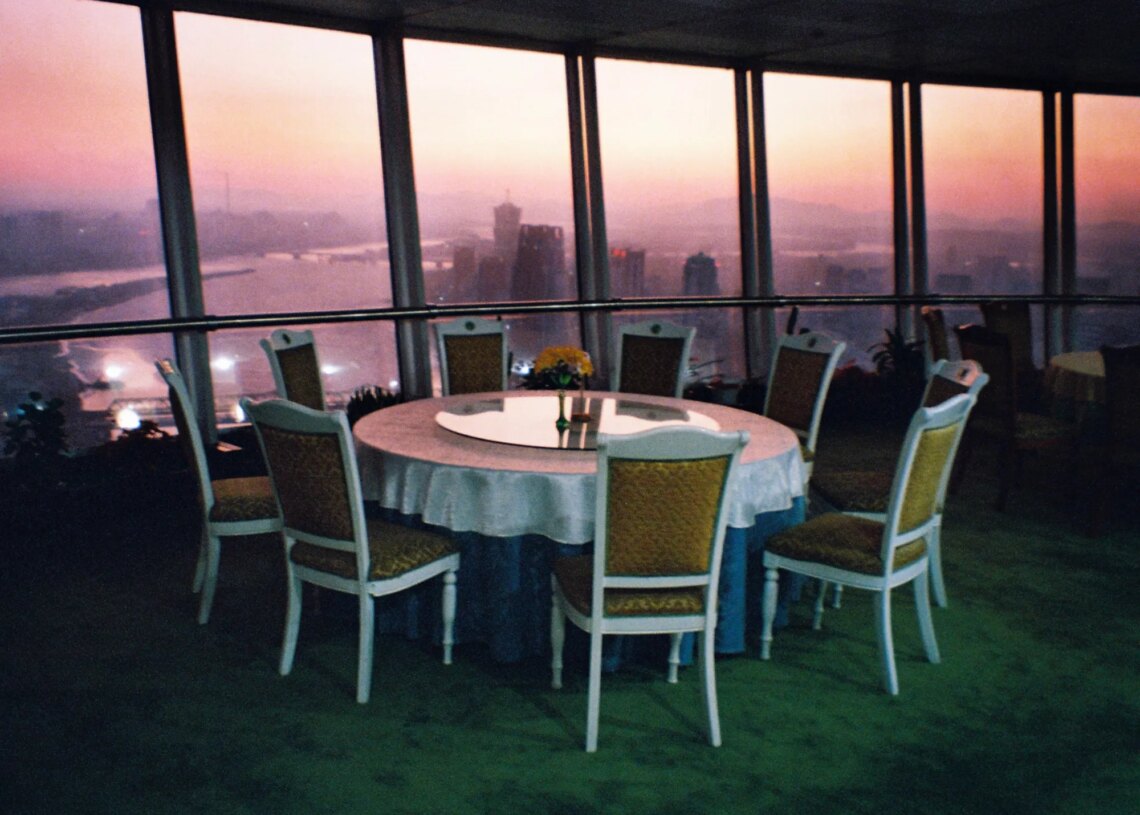
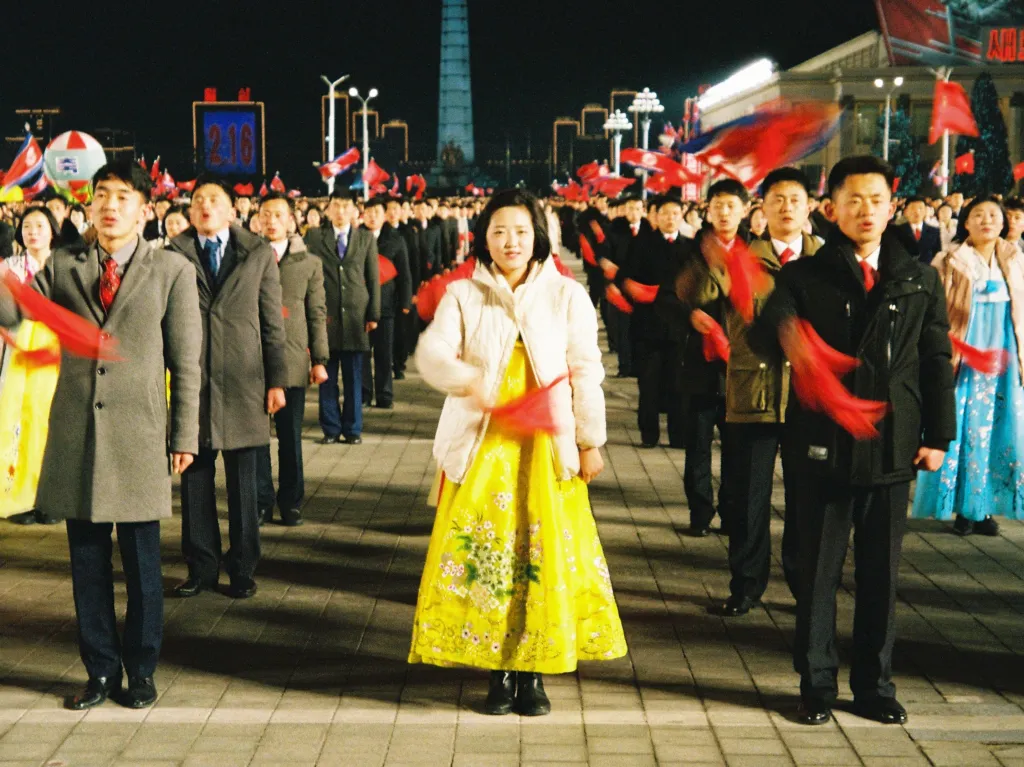
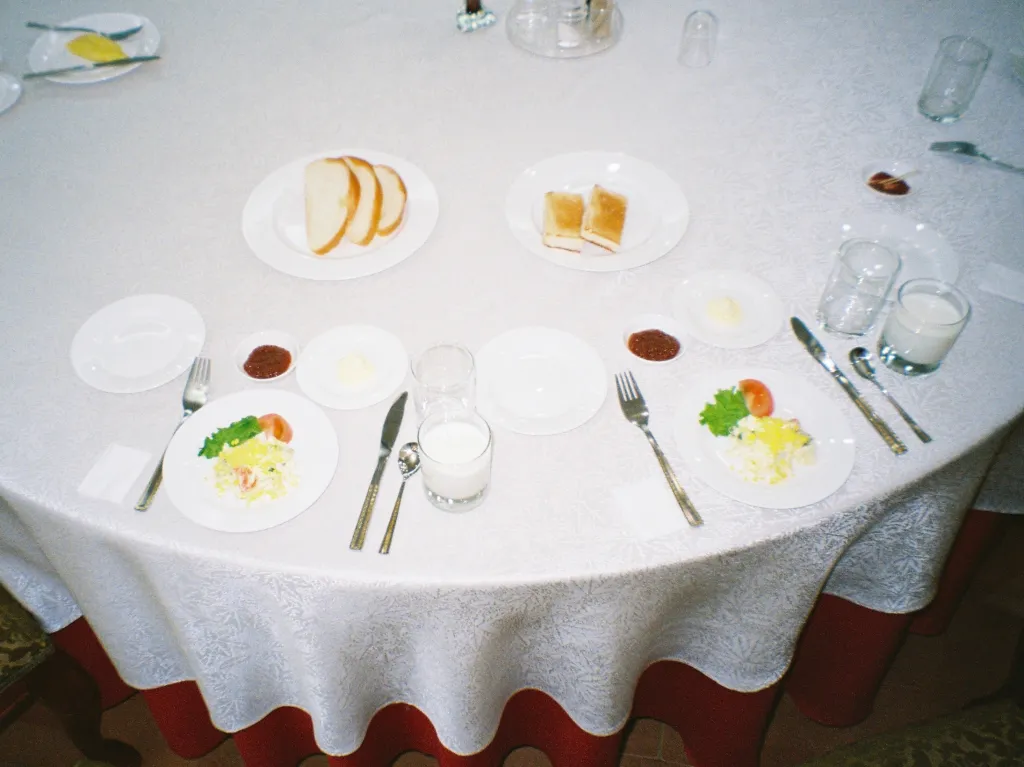
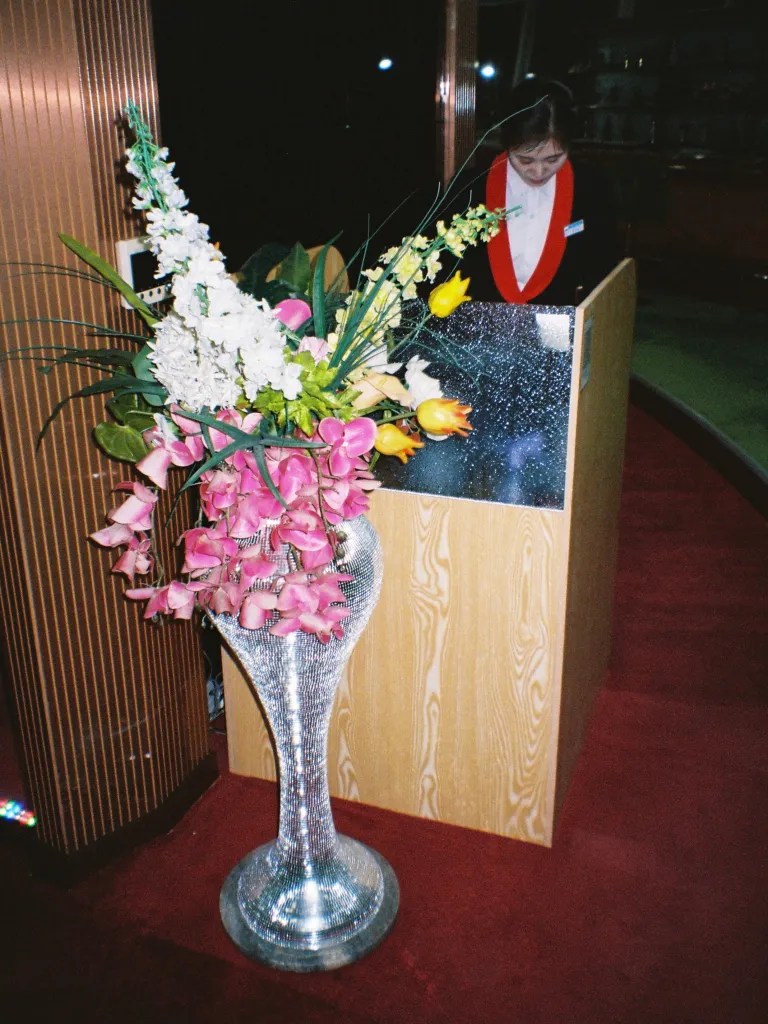
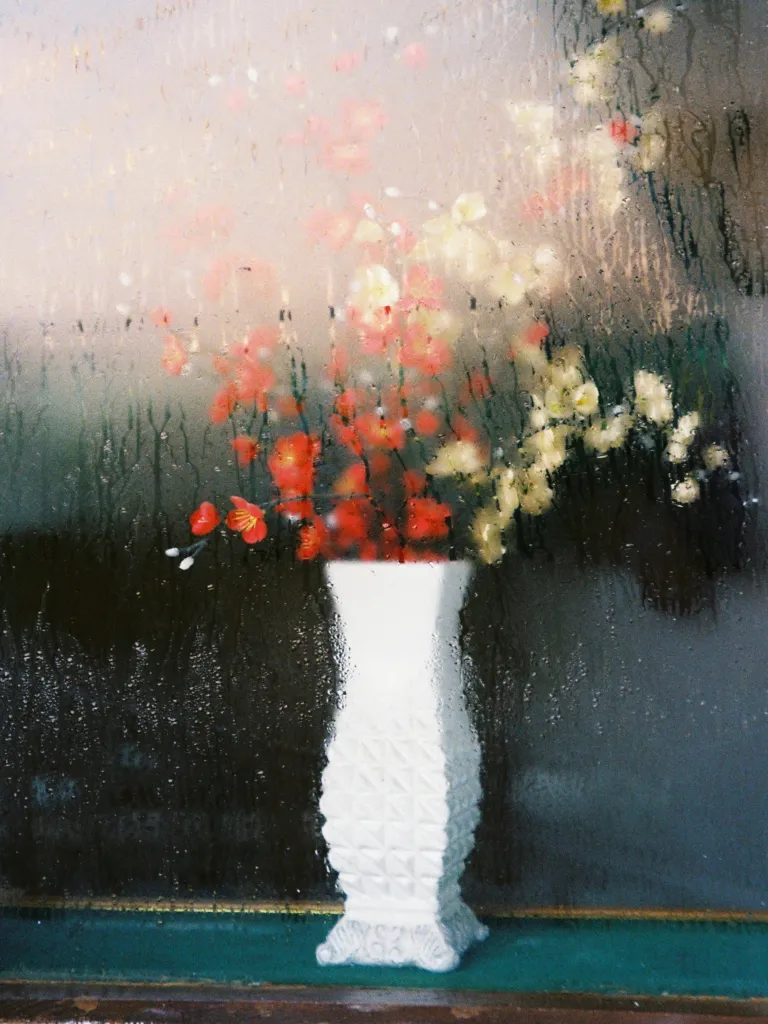
I say “supposedly” because outside of the major hotels and Pyongyang’s more flamboyant avenues, most of the city still suffers at the whims of infrastructure dating back more than a century. Once night falls, entire neighborhoods are often plunged into darkness. What light does remain falls upon familiar sights, repeating again and again: cracked asphalt, plastic flowers, 1990s hi-fi systems, clothes also belonging to the last century, the dance at the foot of the Juche Tower, the desperately empty restaurant of the Yanggakdo Hotel.
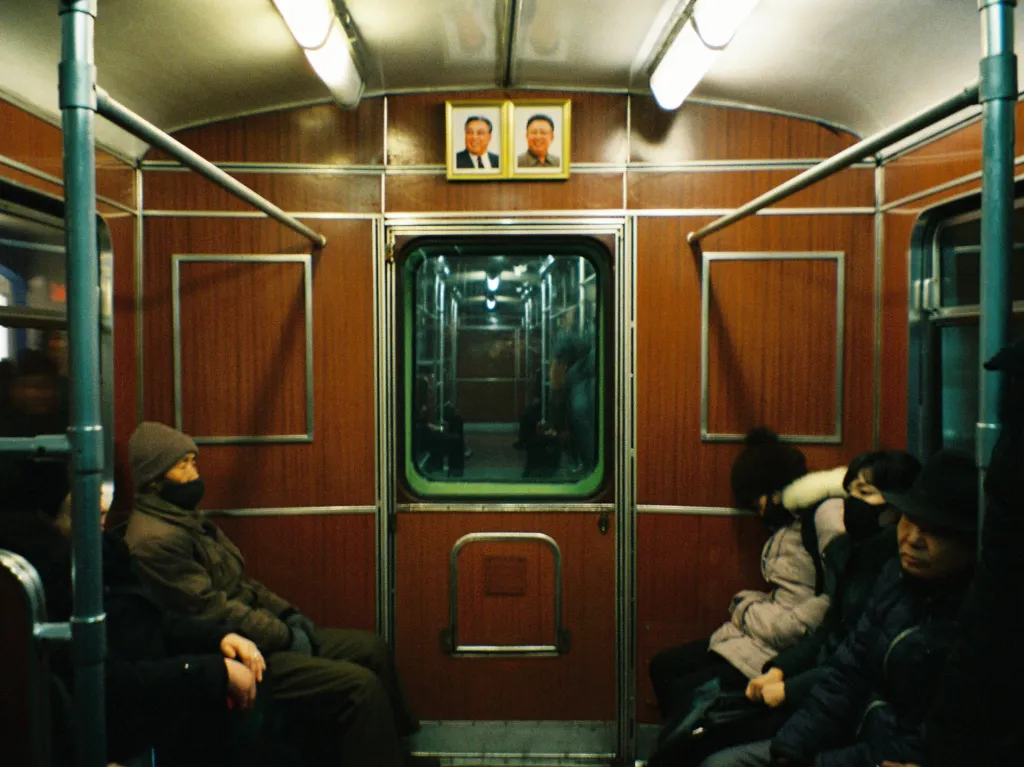
Finally, there is the omniscience of images of the country’s leaders past and present, which are visible everywhere from the metro carriages to the depths of the smallest administrative office, their faces peering out from the walls of a capital devoid of any promotional messaging beyond those glorifying the nation.
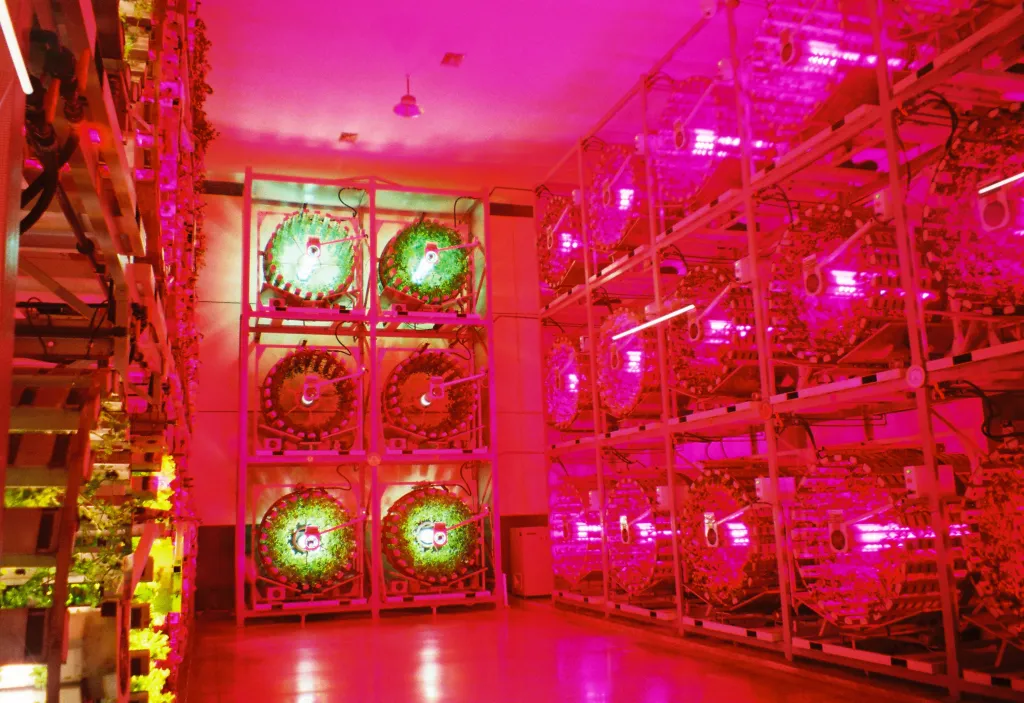
Browse through Kirill’s North Korea photos below—and find more @sokolll.kirilll
The post What I Saw on Holiday in North Korea appeared first on VICE.