It’s almost becoming routine. An AI video featuring scary-realistic recreations of A-list actors goes viral, once again stoking fears that Hollywood is doomed.
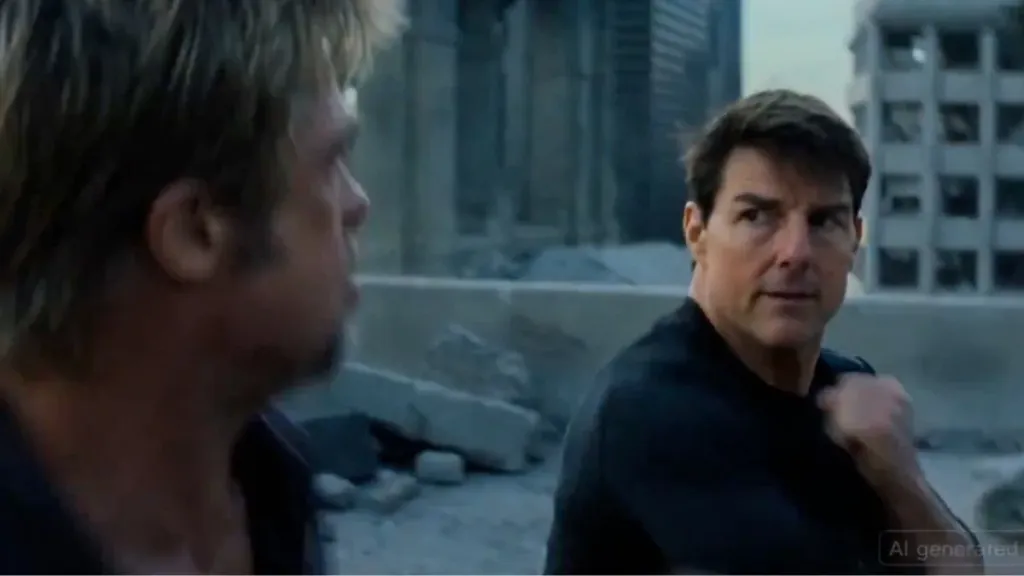
It happened in September with OpenAI’s release of Sora 2, which had the entertainment community up in arms. Last week, Hollywood freaked out again when an AI-generated clip of Brad Pitt and Tom Cruise throwing down went viral on X, garnering 1.7 million views and eliciting reactions from creatives like “Deadpool” writer Rhett Reese, who tweeted, “I hate to say it. It’s likely over for us.”
“If the Hollywood-is-cooked guys are right maybe the Hollywood-is-cooked guys are cooked too idk,” tweeted filmmaker Ruairi Robinson, who posted the original clip, noting the video was created using a two-line prompt.
The only difference between the OpenAI and ByteDance, the Chinese owner of TikTok, situations was the speed of the response. While most of the studios quietly pressured OpenAI to add safeguards, they were far more direct with ByteDance and its Seedance 2.0 AI video model. Within two days, the Motion Picture Association slammed the video generator. The following day, SAG-AFTRA condemned the Chinese company while Disney hit it with a cease-and-desist letter. Paramount followed suit over the weekend.
That’s because Bytedance is a far easier foil for Hollywood. OpenAI and CEO Sam Altman have existing relationships with the media companies, including Disney’s partnership with Sora. ByteDance doesn’t have these connections and TikTok is a primary reason why there aren’t more eyeballs on traditional films and TV shows. So when a natural competitor comes out with an AI model that threatens to upend everything, it makes for a convenient boogeyman.
“They’re public enemy No. 1,” said one person familiar with the studio’s thinking. “Everyone is up in arms, and if you look at how fast the studios responded, it tells me that talent has made a lot of progress getting the studios to react more forcefully.”
What’s also similar is how Seedance 2.0 launched, released in the wild and flouting copyright IP. It’s akin to OpenAI’s approach, which initially required media companies to proactively opt out of the Sora platform, a decision it walked back within days. OpenAI added it would add protections to guard against the exploitation of copyrighted properties.
ByteDance on Monday responded to the uproar.
“We are taking steps to strengthen current safeguards as we work to prevent the unauthorised use of intellectual property and likeness by users,” the company shared in a Monday statement. They further noted they respect “intellectual property rights and we have heard the concerns regarding Seedance 2.0.”
A spokesperson for ByteDance wouldn’t elaborate on those safeguards or future plans for the model.
“This feels like a re-run of Sora,” Ray Seilie, attorney at Kinsella Holley Iser Kump Steinsapir LLP, told TheWrap. By releasing Seedance 2.0 and letting users run free with their prompts, it provided an effective showcase for the power of its model.
Seilie noted that this could have been an instance of China making its technical prowess known, similar to when DeepSeek-R1, the low-cost Chinese large language model, rattled Western companies in January 2025.
Once OpenAI agreed to ease off the use of IP, the furor died down (and so did the activity on Sora). In December, Disney said it would invest $1 billion in OpenAI, a deal that would allow the Sora platform to use some of its characters like “Frozen” hero Elsa and Iron Man, and for some of the user-generated content to eventually appear in the Disney+ app.
That agreement is likely where these two stories diverge, since there’s a value to maintaining the latest Hollywood uproar. The studios hitting Seedance 2.0 hard allows them to proclaim their respect for the work of creatives, and will score them points as they head into labor negotiations this year, where AI will continue to be a dominant topic.
The technical proficiency of Seedance 2.0, after all, underscores the point that this technology is getting really good, and can’t be ignored.
And with the prospect of AI killing all of our jobs once again the topic du jour following ominous warnings by folks in the tech industry, it benefits the studios to be seen as a defender of the creative community.
The post ByteDance Is Hollywood’s Latest AI Boogeyman | Analysis appeared first on TheWrap.