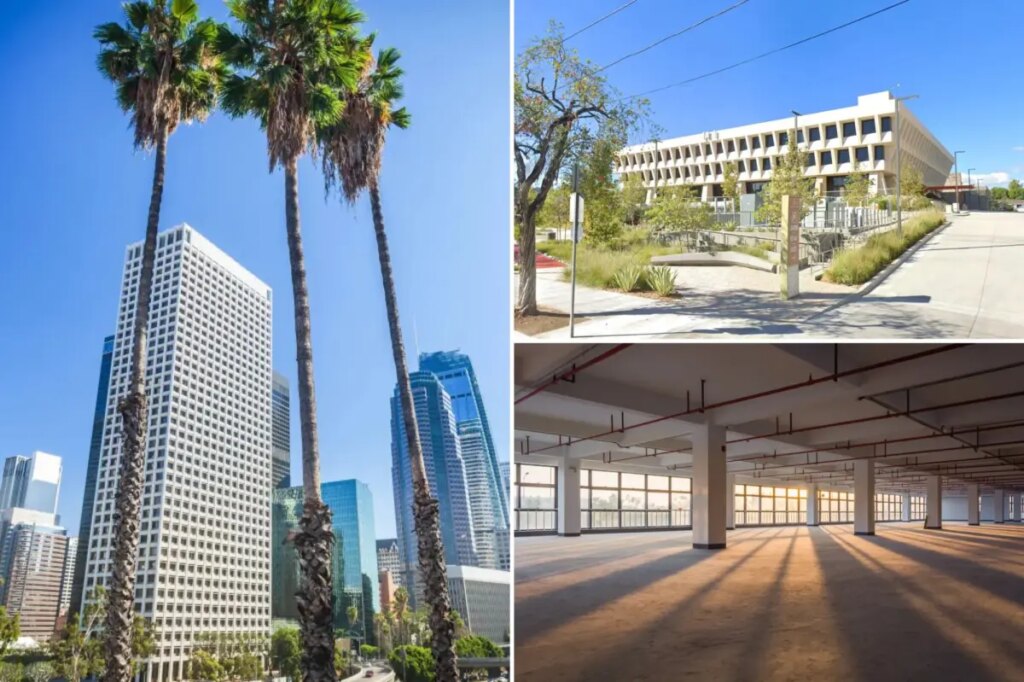
Los Angeles is betting that its next housing boom won’t rise from the ground up — but from the inside out.
This month, city leaders enacted a sweeping overhaul of adaptive reuse rules, dramatically expanding where and how vacant commercial buildings can be turned into apartments. The change could pave the way for thousands of new units across a city grappling with both a housing shortage and stubborn office vacancies.
Developer Garrett Lee is already moving ahead.
After struggling for years to fill a modern office tower with corporate tenants near downtown, Lee has started transforming the building into nearly 700 apartments. With the Citywide Adaptive Reuse Ordinance now in effect, he expects many more landlords to follow.
“This is monumental for the city,” Lee, president of Jamison Properties, told the Los Angeles Times.
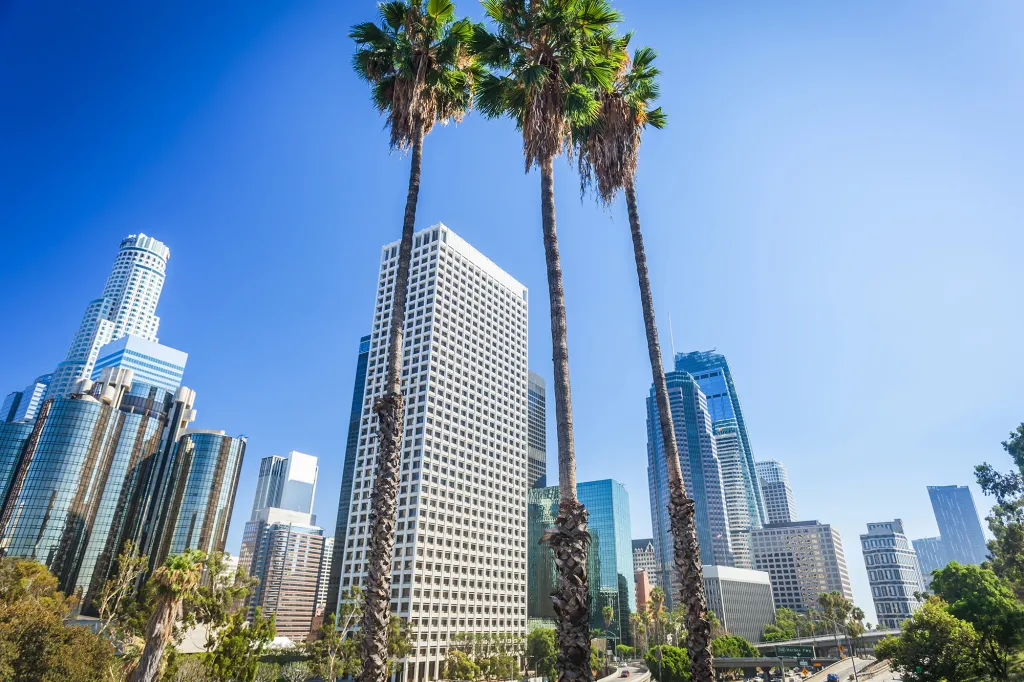
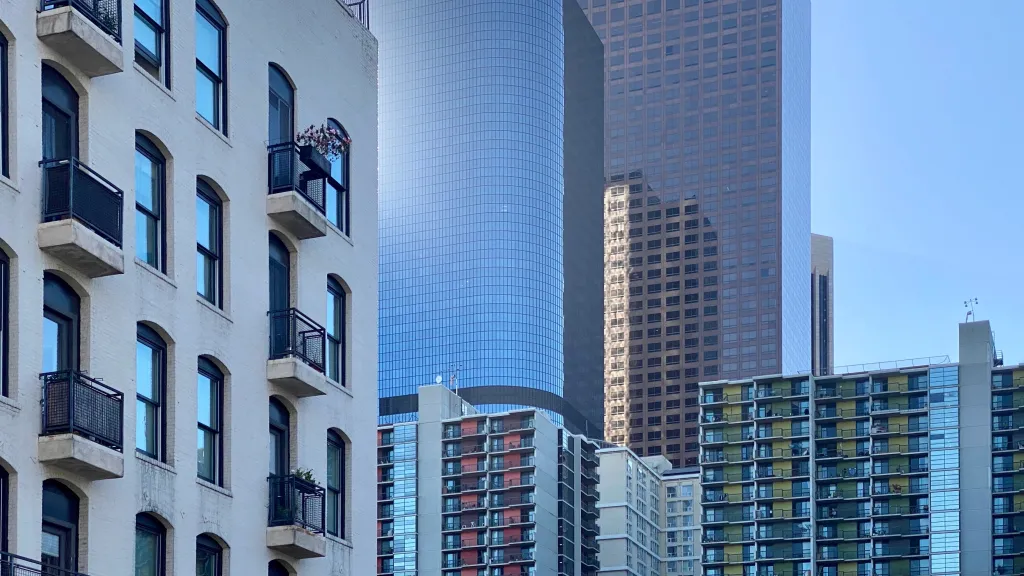
The prior adaptive reuse framework, adopted in 1999, focused largely on pre-1975 buildings in downtown Los Angeles. It helped spark a residential revival in an area once dominated by empty office floors after business hours. The new rules cast a far wider net.
Commercial structures anywhere in the city that are at least 15 years old can now be converted to housing with approval from city staff, bypassing what developers describe as lengthy and uncertain political review processes.
That shift removes one of the biggest deterrents to redevelopment, Lee said, according to the outlet. In the past, builders often had no clear timeline for when they could break ground.
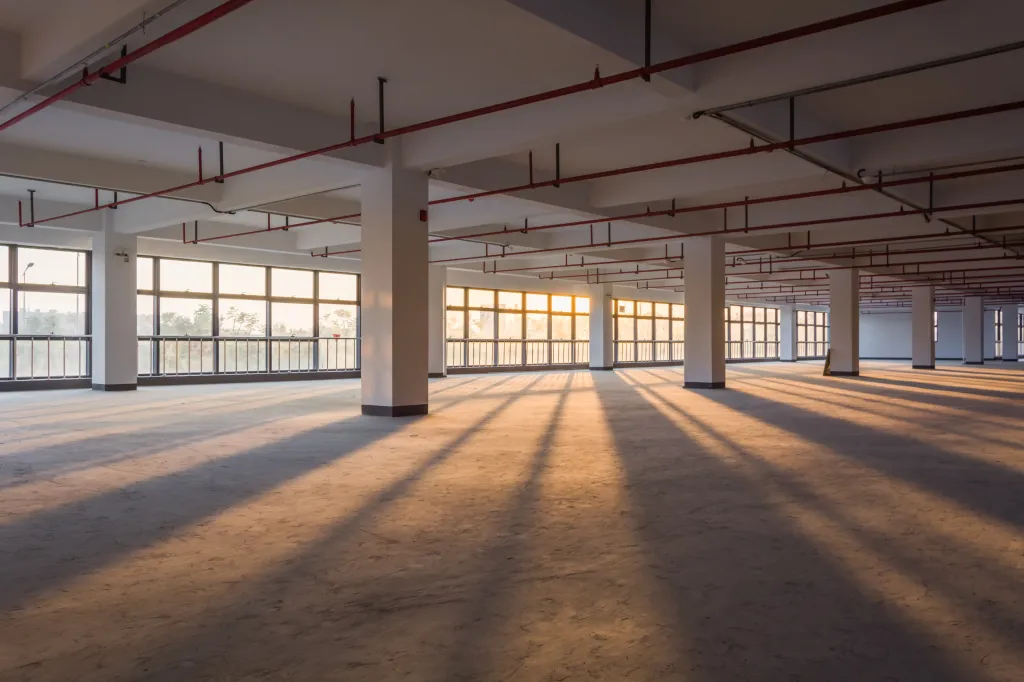
The vacancy problem is vast. Industry estimates put unused office inventory in Los Angeles at more than 50 million square feet, scattered along corridors such as Wilshire Boulevard and across commercial hubs citywide.
The ordinance is already reshaping plans beyond downtown.
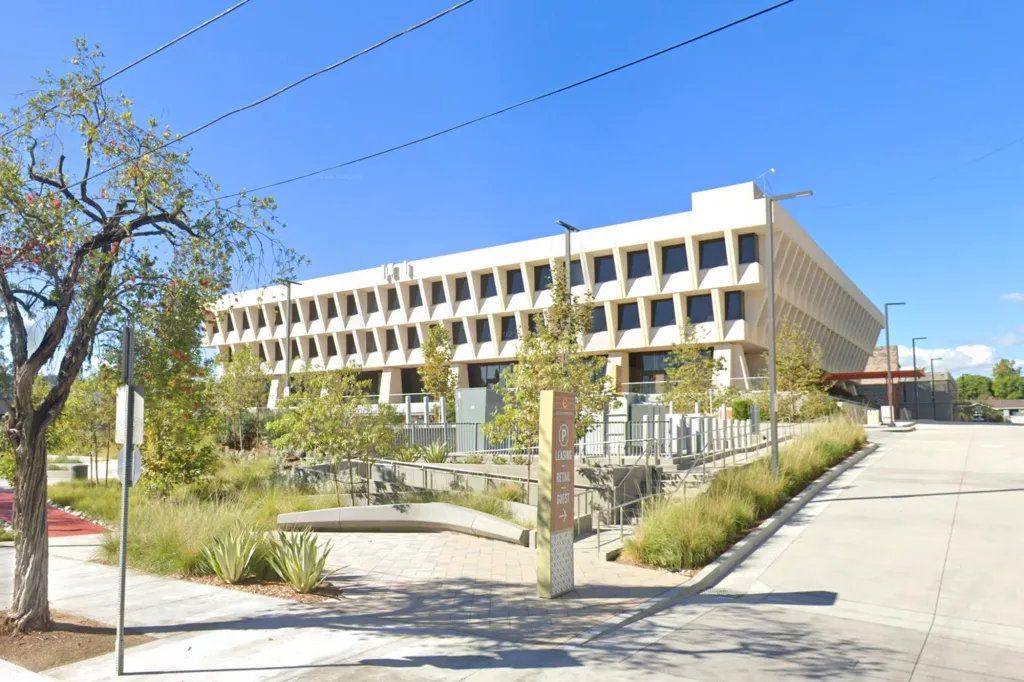
In Sherman Oaks, developer David Tedesco is preparing to convert the former Sunkist Growers headquarters — a striking brutalist structure recognizable from the 101 Freeway — into 95 apartments. The building, long noted for its inverted-pyramid profile, once symbolized corporate Southern California.
Now it is poised to become housing.
Earlier plans had called for repositioning the property as updated office space. But as post-pandemic demand for workplaces faltered, IMT Residential opted for residential use under the new rules.
City officials say the expanded program builds on lessons learned from the late-1990s conversion wave. That earlier effort demonstrated market appetite for living in former commercial districts, according to Ken Bernstein, a principal planner in the city’s Planning Department.
Before the new ordinance, most neighborhoods still required additional approvals, public hearings and environmental studies for residential conversions.
By easing those steps, the city is opening the door to repurposing underused buildings in places such as Westwood, Ventura Boulevard, South Los Angeles and the Harbor area.
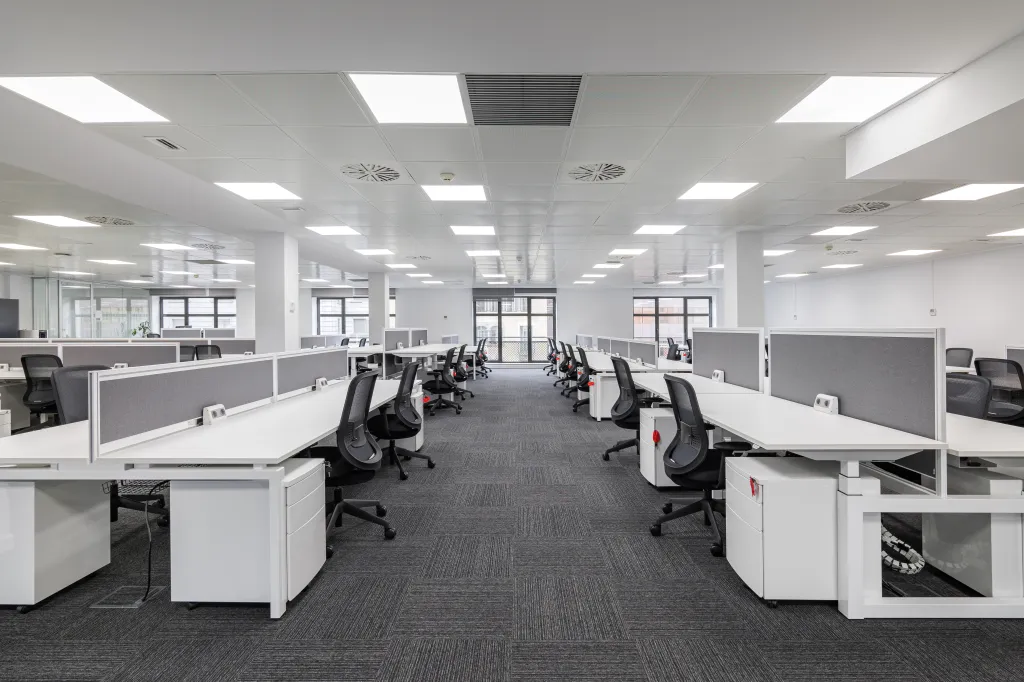
The revisions may also apply to portions of aging shopping centers and even smaller strip malls, allowing owners to convert excess retail space or parking areas into housing.
Still, regulatory relief does not guarantee a surge of cranes.
Developers cite high borrowing costs, rising material prices and labor disruptions as ongoing obstacles. Measure ULA — Los Angeles’ transfer tax on high-value property sales — also weighs on project economics, according to industry players, the outlet reported.
Even rental trends complicate the equation.
Advocates argue that regulatory reform should be paired with financial incentives. Nella McOsker, president of the Central City Assn., called the ordinance “tremendous” and said it creates “incredible flexibility” for property owners. But she urged the city to explore tools used elsewhere, such as tax abatements or grants, to help conversions pencil out.
Other cities have gone further. New York and Washington have offered property tax relief, San Francisco has provided transfer tax exemptions, and Chicago has used tax-increment financing to encourage redevelopment.
Lee said those types of incentives have supported large-scale transformations elsewhere, with some buildings adding 1,000 to 2,000 units apiece.
“We’re taking projects that are fully designed already and we’re redesigning them for more, smaller units,” he said.
The post Deserted LA office buildings could be revamped into thousands of much-needed new apartments under game-changing new law appeared first on New York Post.