Parasites get a bad rap for freeloading. Fair. Some of them also run the weirdest behavior-change programs on Earth, basically turning animals into rideshare drivers for their own life cycle.
Here are eight parasites that make their hosts do things that, if they played by human rules, would get you fired, arrested, or politely asked to leave nature:
1. Toxoplasma gondii makes rodents stop fearing cats
Toxoplasma gondii can infect plenty of animals, including humans, but it can only reproduce inside cats. So it benefits when an infected mouse or rat gets eaten by one. In lab studies, infected rodents can lose their normal aversion to cat odor and sometimes even show attraction, which is basically a parasite-written death wish.
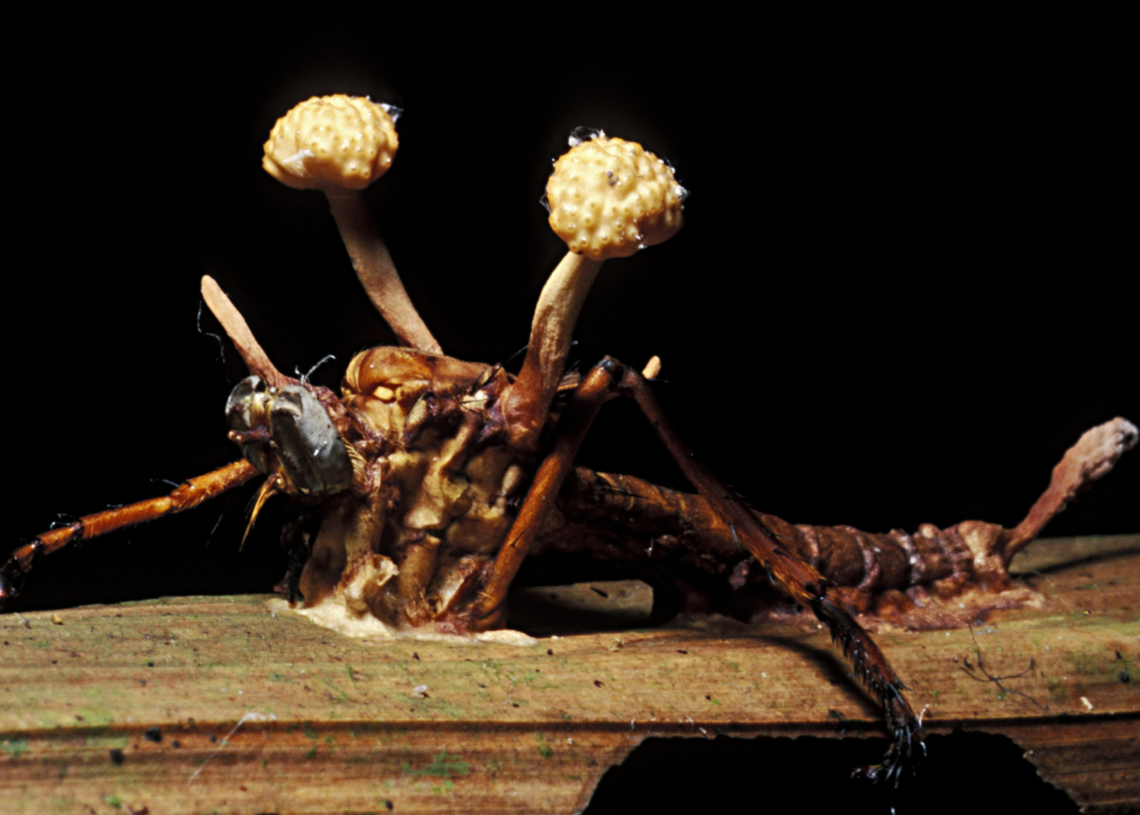
2. Ophiocordyceps fungi drive ants into a ‘death grip’
The zombie-ant story is real science, not just a The Last of Us plot. Ants infected by Ophiocordyceps can be manipulated into biting down on vegetation and staying there, which sets the fungus up to grow from the ant’s head and release spores from a perfect perch. Researchers have linked the behavior to changes in gene expression during the manipulated biting phase.
3. Lancet liver flukes push ants onto grass at the worst possible time
Similar to the ophiocordyceps, the lancet liver fluke, Dicrocoelium dendriticum, uses ants as a middle stop on the way to grazing animals. Infected ants can clamp onto vegetation in a temporary tetany-like state, increasing the odds they get eaten by a deer or cow. It’s grim, and it’s very effective.
4. Hairworms persuade crickets to seek water
Hairworms (nematomorphs) mature inside crickets and then need water to reproduce. Infected crickets can show altered behavior that increases water-seeking, which usually ends with the worm emerging and the cricket paying a steep price. Researchers have documented strong behavioral changes and noted that some hosts actually recover after the parasite exits.
5. Leucochloridium turns snail eyestalks into a moving billboard
This flatworm uses snails as an intermediate host and birds as the next stop. The parasite’s brood sacs invade the snail’s eyestalks and pulse in a way that makes the snail far more noticeable to birds. Studies have also found that infected snails spend more time exposed and in brighter spots, which is convenient for a parasite trying to get eaten by a bird.
6. Ribeiroia ondatrae helps frogs become easier targets
This trematode can invade developing amphibian limbs and contribute to malformations like extra or missing limbs. The result can make frogs less able to escape predators, which helps the parasite move along its life cycle. Researchers have tied Ribeiroia infection to limb deformities through field surveys and experiments.
7. Sacculina carcini ‘rewires’ crab behavior and reproduction
This parasitic barnacle turns crabs into unwilling childcare. Infected crabs can be sterilized, and males can develop feminized traits, with behavior that supports the parasite’s reproduction. It’s terrifying body horror with a peer-reviewed bibliography.
8. Cymothoa exigua eats a fish’s tongue, then moves in
This parasitic isopod enters through a fish’s gills, latches onto the tongue, and cuts off blood flow until the tongue dies. Then it clamps onto what’s left and functions as the “tongue” while the fish keeps eating, basically forced to live with a crustacean mouthpiece.
Nature is full of sweet animals doing their best. Parasites saw that and said, “Cool, let’s make it weird.”
The post 8 Parasites That Do Absolutely Insane Things to Their Animal Hosts appeared first on VICE.