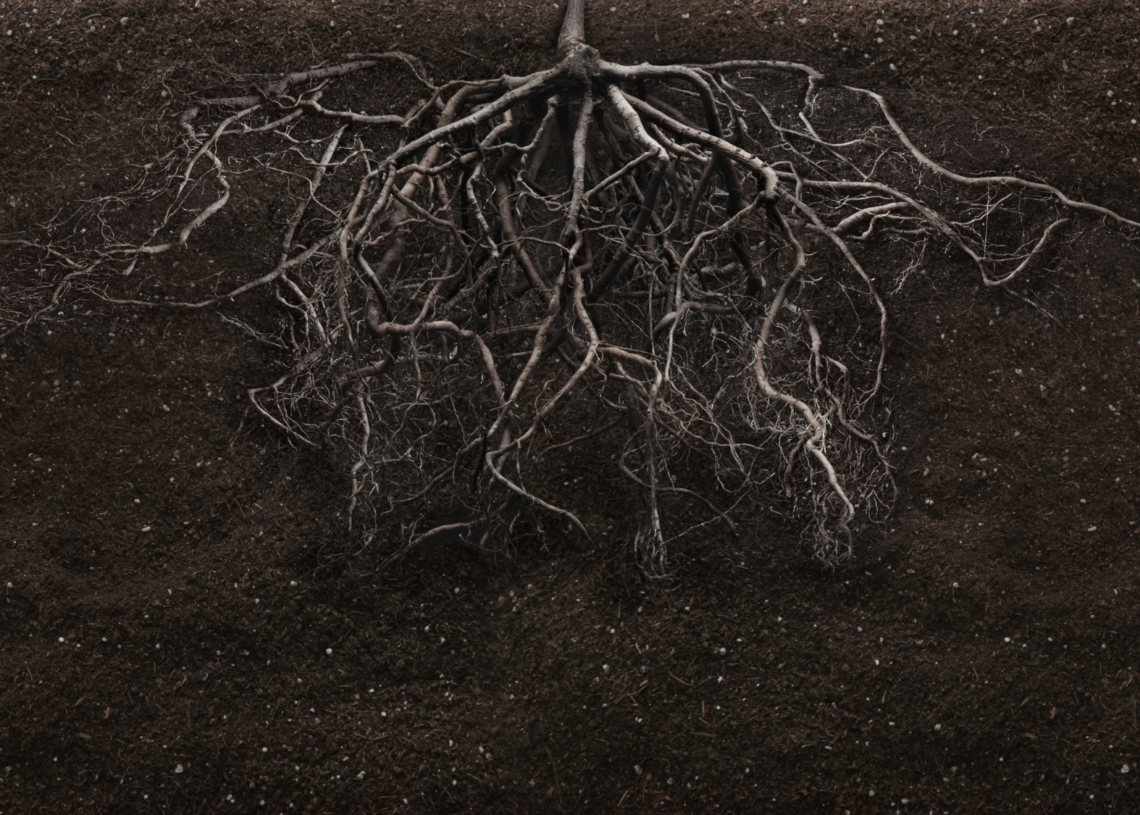
Earth has a hidden biosphere that never gets a sunrise, never gets a season, never gets a break. Beneath the seafloor, buried in sediments and lodged in cracks in the crust, microscopic organisms live on timelines that make human “patience” look like a joke. A lot of them barely grow. Some may stay alive in that near-motionless state for hundreds of thousands of years, maybe longer.
That world has a name. Intraterrestrials. In an excerpt from Intraterrestrials: Discovering the Strangest Life on Earth, microbial biogeochemist Karen G. Lloyd lays out what makes them so weird. “Maybe they’re waiting for something that only happens thousands of years later.”
The idea forces one uncomfortable possibility. Some life down there may be adapted for life on timescales humans can’t grasp.
The usual cues that guide life don’t apply down there. Intraterrestrials live too deep to detect the sun, so day and night have no meaning. Lloyd suggests their “clocks” could run on events humans file under geology rather than biology. Plate tectonics opening and closing ocean basins. Island chains forming and subsiding. Slow cracks routing the flow of fluids and nutrients through rock.
The annoying question comes next. Evolution usually requires reproduction. Natural selection works because organisms make offspring, mutations happen, and useful traits spread through populations. These deep microbes divide so slowly that the normal story starts to wobble. So how does anything become well-adapted to “almost nothing” for thousands of years?
Lloyd points to a model people already accept in a shorter form. Dormancy during winter offers an advantage because the organisms that endure scarcity survive until food returns in spring. Stretch that idea into deep marine sediments, and the “spring” equivalent becomes infrequent geological disruption. Earthquakes, landslides, volcanic events, or sediment shifts could expose new food sources and pull long-dormant cells back into growth after centuries or longer.
She also brings up a lab example that makes the logic easier to grasp. When E. coli goes without food for long stretches, many cells enter long-term dormancy. In later starvation conditions, those older cells can outperform newer, fast-growing ones. Researchers call this “growth advantage in stationary phase,” or GASP.
Lloyd asks readers to think on brutal timelines, glacial cycles, and the slow drift of tectonic plates that pushes seafloor sediments toward subduction zones. Some of that material can get pushed back up through faults and fractures before heat and pressure end it. If microbes return to nutrient-rich surface sediments, they could finally reproduce and pass along whatever lets them endure the long wait.
It’s a bleakly elegant concept. Life that treats time the way humans treat weather, something that changes eventually, so all you can do is prepare.
The post Life Hiding Deep Beneath Earth May Be Waiting Thousands of Years to Wake Up appeared first on VICE.