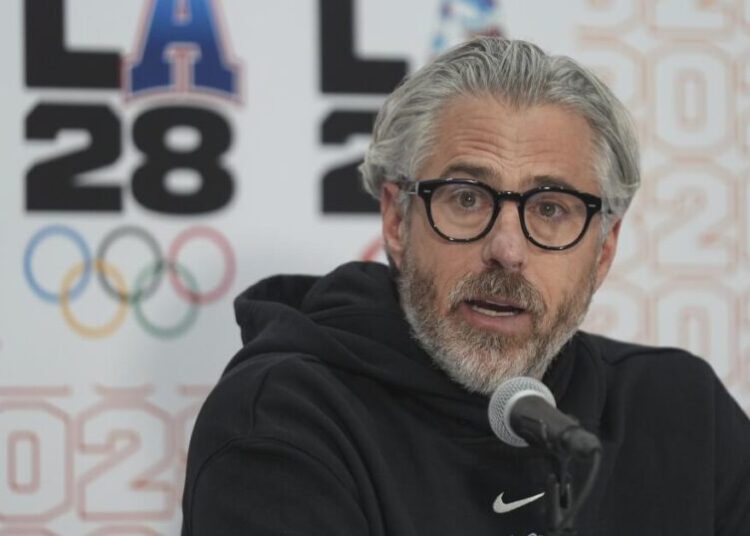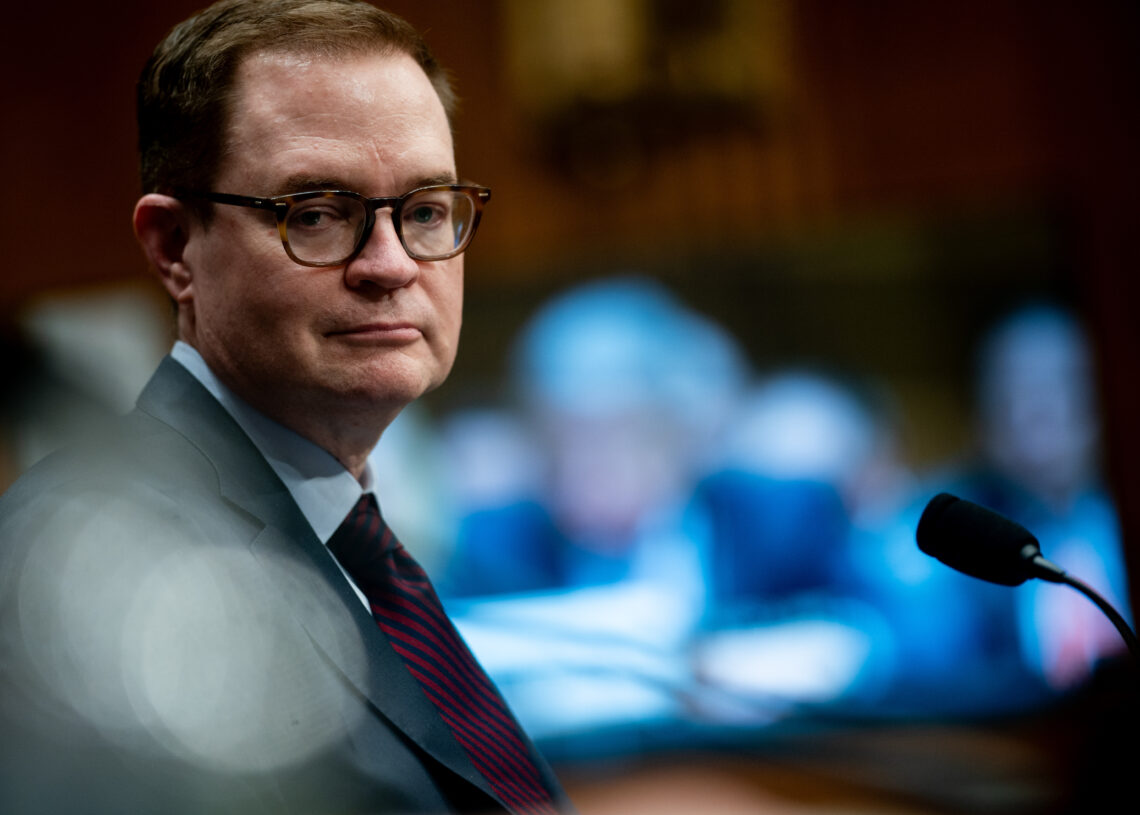
The White House and Health Secretary Robert F. Kennedy Jr. are shaking up the health department’s leadership team ahead of the midterms, pushing out several deputies while elevating others in hopes of stabilizing an agency rattled by internal fights and controversial messages, according to more than half a dozen people familiar with the matter, who spoke on the condition of anonymity to describe personnel matters.
Jim O’Neill, who had served as the deputy secretary of the Department of Health and Human Services and acting director of the Centers for Disease Control and Prevention, will leave both positions, the people said. O’Neill had announced the overhaul of the childhood vaccine schedule in January.
Mike Stuart, HHS’s top lawyer, also will depart, two people said. Stuart has been serving as HHS general counsel as the agency presides over trying to freeze billions in funds to states. Stuart was previously the U.S. attorney for the Southern District of West Virginia and a member of the West Virginia Senate.
Attempts to reach O’Neill and Stuart were not immediately successful.
In a Friday evening post on X, HHS spokesman Andrew Nixon wrote that “Stuart continues to serve as HHS General Counsel pending his appointment to a position in the administration where he will continue to focus on fighting fraud for hardworking taxpayers.” HHS did not comment on O’Neill’s departure.
Meanwhile, Chris Klomp, who oversees the Medicare program, will serve as HHS’s new chief counselor and run the department’s day-to-day operations, the agency announced Thursday. Several other aides were also elevated to new senior positions, including John Brooks, a Centers for Medicare and Medicaid Services official. The staffing moves were first reported by Politico and CNN.
O’Neill will be offered an ambassador position, two of the people said.
The shake-ups come as Kennedy has publicly refocused his messaging as the midterms approach on more popular issues such as healthy food, instead of the controversial vaccine agenda that has propelled much of his first year. Kennedy was sworn in as the nation’s top health official one year ago, following contentious confirmation hearings in the Senate.
The White House began considering reorganizing HHS’s leadership team last year after a series of high-profile dust-ups, including infighting at the Food and Drug Administration, controversial vaccine decisions and struggles to stay on message, according to two current officials and one former official. Brad Smith, who served as a top health official in the first Trump administration, had privately assessed HHS’s operations in recent weeks and recommended staffing changes, according to two people.
Klomp and Brooks, who are set to play a larger role at HHS, have helped lead the Trump administration’s “Most Favored Nation” drug-price initiative, a top priority of President Donald Trump. That work helped boost their standing at the White House, according to three of the people. Meanwhile, Kyle Diamantas and Grace Graham, who are both senior FDA officials, also have been tapped as senior counselors at that agency and will help run its operations.
The White House said that Kennedy was aligned on the staffing moves and touted the agency’s record, citing their focus on drug-price cuts, efforts to improve the nation’s food supply and other initiatives that officials said would be part of Republicans’ midterm messaging.
“They’ve had plenty of victories,” said a White House official, who spoke on the condition of anonymity to discuss personnel changes. “We want to make sure they’re muscled up to keep delivering wins in the midterm year.”
Despite the outward focus on food — rarely talking about vaccines on his recently launched national “Take Back Your Health” tour so far this year — Kennedy’s department overhauled the childhood vaccine schedule in January. The upcoming federal advisory meeting on vaccines at the end of the month could involve more changes.
O’Neill, who the Senate confirmed in June to serve as deputy health secretary, stepped in to head the CDC in August after Kennedy fired Susan Monarez, who refused to resign amid pressure from other Trump administration officials to overhaul federal vaccine policy. After her ouster, Monarez said in a statement through her lawyers that she “refused to rubber-stamp unscientific, reckless directives.” Three top CDC officials resigned after Monarez’s firing. They accused Kennedy of “weaponizing public health for political gain” and “putting millions of American lives at risk” by purging health officials from government.
O’Neill had often criticized the CDC during the coronavirus pandemic, saying on social media that the agency poorly communicated with the public, botched data collection and had too much influence.
Lena H. Sun and Carolyn Y. Johnson contributed to this report.
The post White House, RFK Jr. shake up health leadership after controversies appeared first on Washington Post.