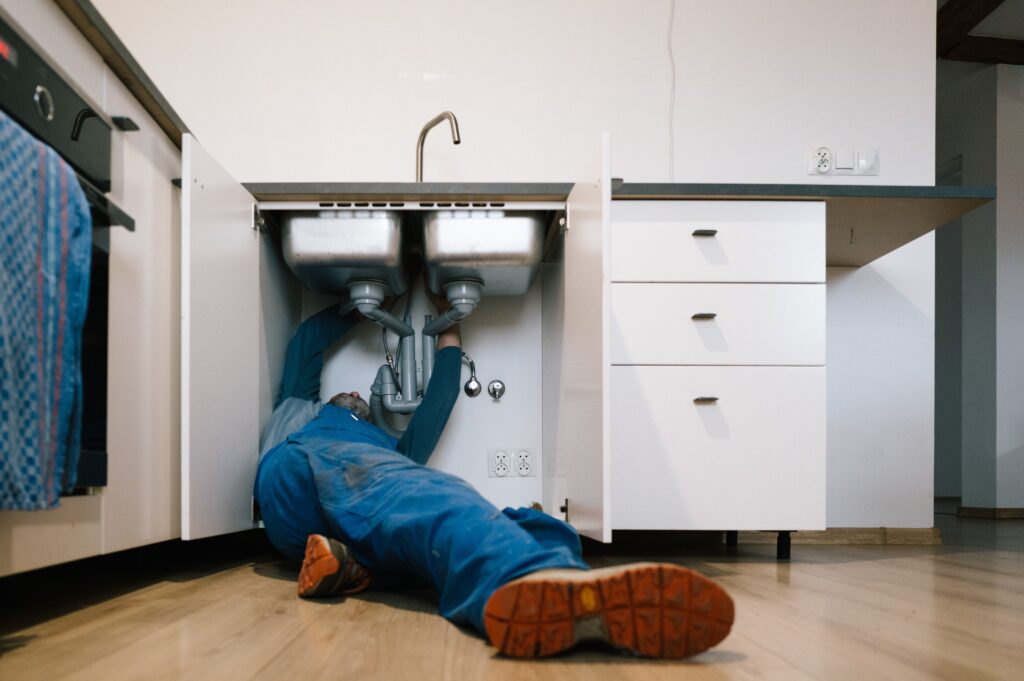
Homeownership comes with many surprises — including the sheer number of filters that need to be cleaned, changed or otherwise maintained. Maintenance checklists abound, but they can be overwhelming, and all that information can obscure the things you really need to know about keeping your house from falling down around (or on!) you.
Sure, some tasks are optional. Skipping cleaning out the fridge or dusting the ceiling fans, for example, might not win you an award for home-keeper of the year, but it’s not likely to damage your home. But overlooking other chores could end up costing you in the long run.
We asked home experts to share their thoughts on must-do maintenance and repairs. Here are their top tasks.
Test alarms
“There are several core maintenance tasks that protect your home from costly damage,” says Brian Meussner, the president of Mr. Handyman, including and especially testing smoke and carbon monoxide detectors. Once a month, press the buttons on your detectors to make sure they’re working, says Shannon Allen, the director of commercial operations at Rainbow Restoration. Replace the batteries in your detectors annually.
Inspect plumbing fittings and fixtures
“Plumbing fittings and fixtures that are prone to failure, like washing machine hoses, ice machine hoses, toilet shutoff valves and water heaters, can cause major property damage when they do [fail],” says Phil Mutz, a licensed plumbing & HVAC specialist at Ace Hardware Home Services; he recommends replacing these items every 10 years or so, or sooner if needed.
To perform an annual plumbing inspection, check fixtures for signs of age and wear. Things to look out for include pipe corrosion (rusting, flaking or verdigris); difficult-to-turn handles or valves, or erratic temperature control; leaks, damp spots or water stains under sinks or on ceilings and walls, or mildew odors near plumbing areas; a running toilet or dripping faucet; or a drop in water pressure throughout the house. “If you notice corrosion or unexplained increases in water usage, contact a plumber,” says Courtney Klosterman, a home insights expert at Hippo Insurance.
Additionally, test shutoff valves to make sure they work properly, and change any water filters. Mutz recommends making your inspections in the fall, before freezing temperatures and holiday entertaining season arrive. “Plumbing works hardest during the holidays when homes are cooking and hosting more than normal,” he says.
Finally, bear in mind the power that water has to wreak havoc. “Even seemingly minor water- and moisture-related issues can cause serious damage over time,” Klosterman says. “Install water sensors in vulnerable areas to help detect leaks early.”
Stay on top of HVAC upkeep
HVAC systems are expensive, so Mutz says maintaining them “is smart money” that will keep them running efficiently and safely, and prevent costly disasters. Changing filters, clearing drains and calling a professional if the system is struggling to maintain a comfortable indoor temperature will keep the system running efficiently.
“While it’s often recommended to replace your HVAC filter every month, it may not be needed as frequently depending on your dusting habits and pets,” Klosterman says. “Make it a habit to check each month and replace when necessary. Also, clean and cover the outdoor condenser unit.” Inexpensive soft covers for outdoor condensers typically cost $15 to $50, while sturdier, structural covers start around $100.
Schedule regular maintenance checks with your HVAC company in early spring and fall. “Avoid waiting for the first frost or 80-degree day to call service providers, who will be busy responding to demand calls,” Mutz says.
Inspect electrical systems
Electrical work is “generally not a DIY project, since it involves high voltage and must meet strict local codes,” Klosterman says. She recommends scheduling a professional electrical inspection every few years, particularly for old homes. You can do this any time of the year, Mutz says, but spring is best, ahead of the heavy-use summer months.
“A licensed electrician will check the main panel for hazards,” Klosterman adds. That includes verifying proper grounding, checking GFCI/AFCI protection in wet areas, testing outlets and switches, and examining visible wiring for damage. The electrician may recommend that you upgrade the electrical panel, which Klosterman says will increase your home’s power capacity. “This is especially important in older homes, as it allows the system to safely handle modern, high-demand appliances, as well as EV chargers and solar installations if you have them. It can also reduce breaker trips and lower fire risk.”
There are some things you can do to help prevent problems. “Pay attention to appliance wattage and make sure your circuits can handle the load” of what you’re plugging in, Klosterman says. “When possible, use outlets on different circuits.” To determine which outlets are connected to which breakers, she says to turn the breakers off one at a time and note the areas they control. “If your system is still overloaded during normal use, you may need to upgrade your electrical panel. Contact a licensed electrician if you experience frequent breaker trips.”
Additionally, use surge-protected power strips to help protect your electronics. “Avoid overloading outlets by spreading high-wattage appliances across different circuits. Homeowners should plug in fewer appliances at once to help prevent overloading or overheating circuits,” Klosterman says.
Performing routine inspections, including checking the meter connection, the breaker panel connections and the grounding of electrical systems, can help. “Breaker connections can loosen from heat and time, which can cause wiring to overheat, melt or damage the breaker and/or panel,” Mutz says.
Other signs that electrical components are overheating include frequent breaker trips, or a burning or fishy odor. When that happens, turn off and unplug any appliances that were recently in use, avoid using outlets or switches that feel warm to the touch, and call a professional electrician.
High-pitched ringing or buzzing sounds can also be signs of loose wiring or malfunctioning electrical components. Immediately turn off the circuit breaker for the affected area and look for flickering lights, burn marks or damaged outlets. Then call an electrician if needed.
Keep an eye on the outside
Your home’s exterior is its first line of defense against nature’s elements. Inspect it periodically for any signs of trouble.
Klosterman says to look out for roof issues, including damaged, warped or missing shingles, and to check the areas around vents and pipes for cracks and other damage, to prevent water from entering the home. Also, “trim branches away from your roof to reduce the risk of damage from falling debris.” Roof checks are best done in the fall and spring, before and after harsh winter weather takes its toll.
Windows and doors should also be checked in fall and spring to make sure they are properly sealed; replace any damaged caulking or weather-stripping, and keep an eye out for loose siding, chipping paint or holes.
Clear those gutters!
Clean your gutters and downspouts at least once a year (more often if they get clogged with leaves or other debris). That will help prevent moisture damage to the exterior of the home and keep water away from the foundation. “Over time, saturated soil around a house can cause a litany of issues that impact the structure, comfort and health of the home,” Mutz says. Make sure water coming out of the downspouts is directed away from your home.
Flush your water heater
Klosterman recommends flushing your water heater annually to minimize sediment buildup; this will extend its lifespan. Here are her instructions:
- Turn off the power at the breaker or shut off the gas, then shut off the cold water supply to the tank.
- Attach a garden hose to the drain valve and run the other end to an area that can safely handle the drained water.
- Open the pressure relief valve, then open the drain valve, and allow the tank to drain completely.
- Close the drain valve, remove the hose, and close the pressure relief valve. Open the hot water faucets and turn the cold water supply back on.
- Once water flows steadily from each faucet, close them. When the tank is full, restore power or turn the gas back on.
Consider adding insulation
“The insulation in your attic settles over time, losing its efficacy,” Mutz says. “It’s a slow degradation, but in a home that’s 20 years old or more, it’s a good idea to have fresh insulation blown in.” Signs of degradation, like old, torn or missing insulation, as well as mold, mildew or rodent droppings, indicate a need to replace the insulation. Additionally, if the insulation has sustained water damage, it will need to be removed.
Jolie Kerr is a cleaning expert and the author of the best-selling book “My Boyfriend Barfed in My Handbag … and Other Things You Can’t Ask Martha.”
The post 8 areas of your home where you shouldn’t skimp on maintenance appeared first on Washington Post.