Dear Tripped Up,
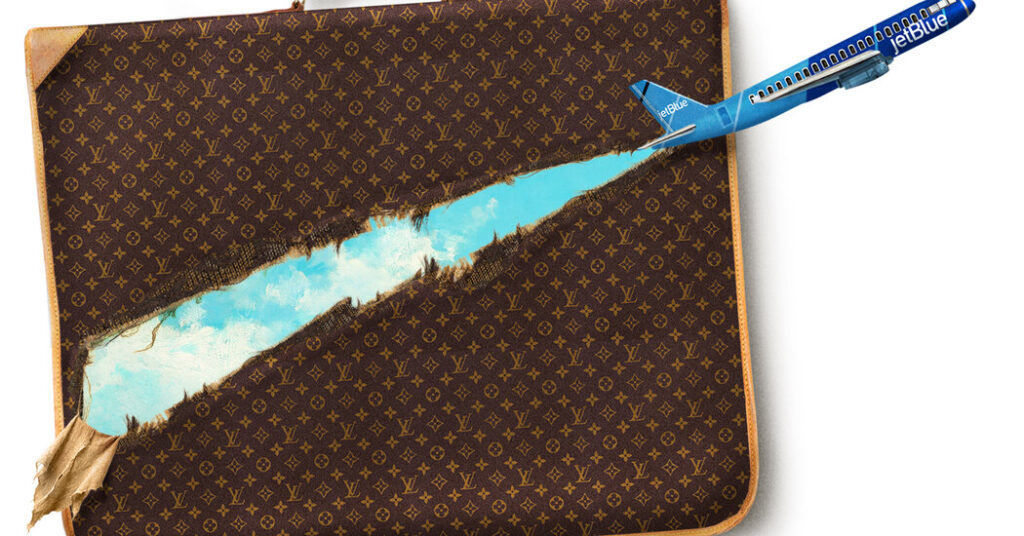
After spending last February in Palm Beach, Fla., my husband and I flew JetBlue back to Long Island MacArthur Airport in New York. My husband begged me to send our suitcases with FedEx, but I felt safer checking them. My mistake. When we arrived, my soft-sided Louis Vuitton bag — a treasured heirloom my late mother purchased when she visited me in Paris in the 1970s — didn’t appear with the other bags. When it finally emerged, it was ripped apart. I filed a report the next morning but have since gotten the runaround from JetBlue, both over the phone and through their website’s chat feature. For example, they said I sent photos in the wrong format and rejected the receipt I sent them, requiring the original from a half-century ago. Both LVMH (Louis Vuitton’s parent company) and American Express said they don’t keep receipts that long. A woman from LVMH told me over the phone the company could not repair this kind of damage, so I took it to my trusted local shoe repair shop, which did a pretty good job for $600. JetBlue owes me for that, at least. No one has the right to damage property and make it impossibly difficult to make a claim. Can you help? Jamee, Southampton, N.Y.
Dear Jamee,
JetBlue is absolutely liable for damage to your bag. It’s right there in the U.S. Code of Federal Regulations:
“An air carrier shall not limit its liability for provable direct or consequential damages resulting from the disappearance of, damage to, or delay in delivery of a passenger’s personal property” to less than $4,700 per passenger for domestic flight. Vintage Louis Vuitton bags that resemble yours go for between $1,000 and $2,000 on eBay.
But liability is in the eye of the beholder, and airlines seem to fixate a bit too much on the word “provable,” insisting on burdensome documentation, then using opaque formulas to calculate compensation.
It seems excessive to require a receipt in this case — yes, because the purchase happened a half-century ago, but mostly because the bag was not lost. It is there in the before-and-after photos you sent to me and to JetBlue.
I got in touch with JetBlue, which has now reimbursed you $600 for the bag’s repair and given you a $500 credit for future JetBlue travels.
“We’re happy to have reached a resolution with our customer and to know that they are satisfied with the outcome,” wrote Derek Dombrowski, a JetBlue spokesman, in an email to me. “We also apologize for any inconvenience they may have experienced during the claims process.”
You confirmed all of this and, to your credit, did not snipe back that you would never again fly the airline that had wronged you. (All airlines make mistakes. If I decided not to fly on airlines readers complained about, I’d be doing a lot of hitchhiking.)
This would usually be the point in the column where I delve into the specifics of the airline’s incompetent customer service. But I cannot do that here, because you didn’t save any of your chats with JetBlue and couldn’t find any of their emails, either.
You did try to request records of your chats with the airline after I asked for them, but told me you were put on hold for extended periods. I then asked Mr. Dombrowski if he could provide them, and he declined.
However, Mr. Dombrowski mentioned in his email that JetBlue offered to have a third-party contractor assess and possibly repair your luggage but you refused, in an exchange that you later confirmed to me. You said that you no longer trusted JetBlue with such an important item.
So instead of teaching the airline a lesson, I have one to share with Jamee and other travelers: Always keep records of your interactions with airlines, favoring written communication over phone calls and taking screenshots of any online forms or chats before they disappear.
Yes, I know the airlines record calls, but just as JetBlue rejected my request to provide chat transcripts, no airline has ever handed over recordings of customer service calls to me, no matter how much I might plead and cajole.
Let’s return to the subject of receipts when bags are damaged, delayed or lost.
No airline can reasonably expect you to produce receipts for prepandemic socks, souvenirs from a Moroccan souk or a designer bag bought before the Reagan administration. But you should save email or paper receipts for anything new and valuable you’re planning to take on a trip, including the luggage itself. (Credit card statements are an OK, but not ideal, substitute.)
But even with good documentation, the process can be frustrating. I wish the airlines were more transparent about their procedures and formulas for determining compensation, but the U.S. Transportation Department offers some pretty good guidance: It is normal for airlines to require receipts, account for devaluation of older items and negotiate about compensation if those receipts are missing.
Your best strategy may be to avoid tempting fate in the first place. Take out a good insurance policy, keep your valuables in carry-on bags or leave them at home, and, distasteful though it may seem, consider caving in to your spouse’s advice when they urge you to ship, instead of check, something you can’t easily replace.
If you need advice about a best-laid travel plan that went awry, send an email to [email protected].
Follow New York Times Travel on Instagram and sign up for our Travel Dispatch newsletter to get expert tips on traveling smarter and inspiration for your next vacation. Dreaming up a future getaway or just armchair traveling? Check out our 52 Places to Go in 2026.
Seth Kugel is the columnist for “Tripped Up,” an advice column that helps readers navigate the often confusing world of travel.
The post Help! JetBlue Mangled My Vintage Louis Vuitton Bag and Won’t Pay Up. appeared first on New York Times.