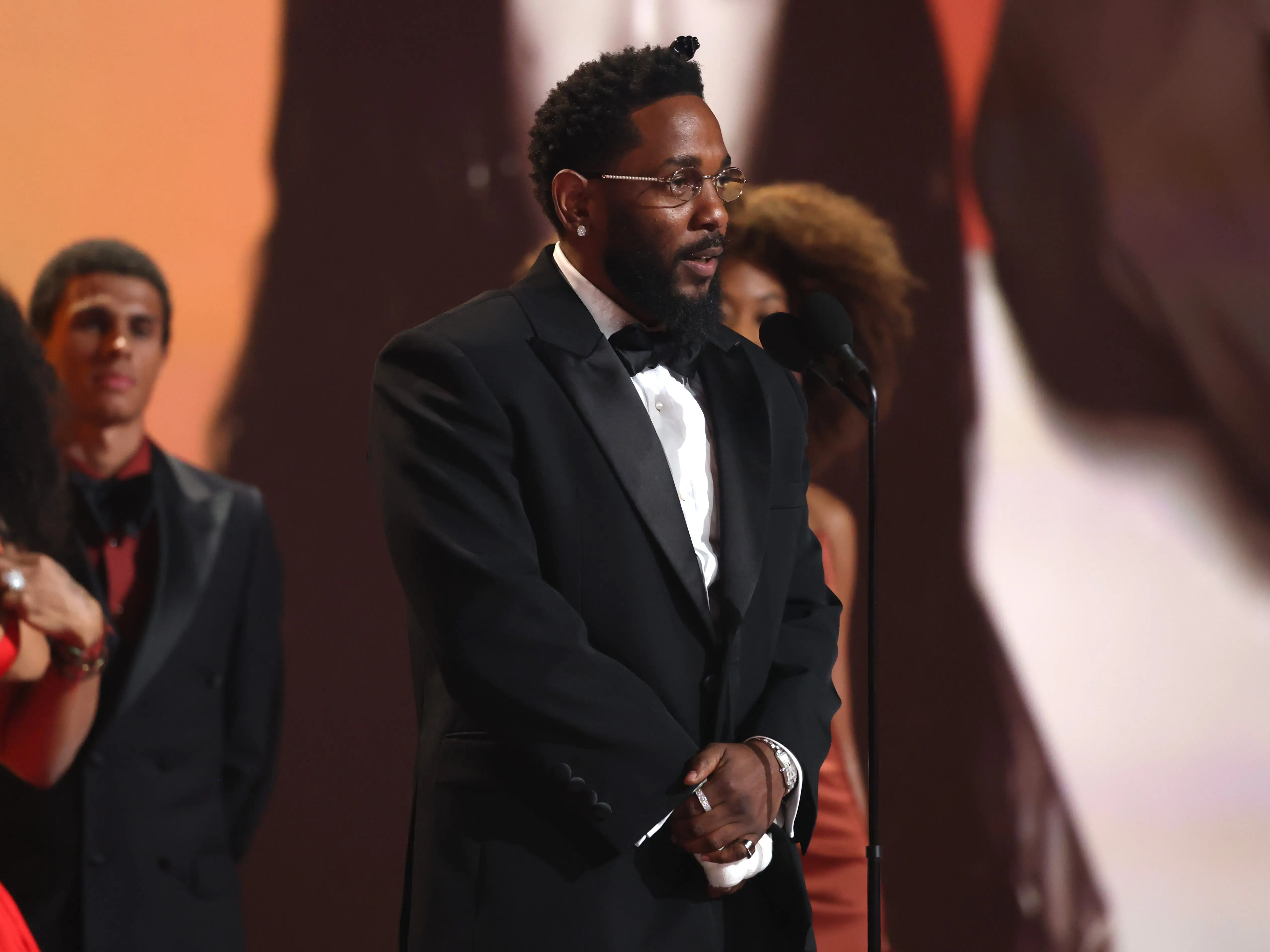
The Grammy Awards honor some of the best songs and music videos of the past year, chosen by members of the Recording Academy.
Among the awards given out during the show, major categories like record of the year, album of the year, and song of the year often generate the most buzz.
The difference between record of the year and song of the year is that record of the year honors the full recorded performance, including the artist and the production team behind the track, while song of the year specifically recognizes the songwriters who composed the music and lyrics.
Keep reading this list to see every track that won the Grammy for record of the year.
1959: “Nel Blu Dipinto Di Blu (Volare)” — Domenico Modugno
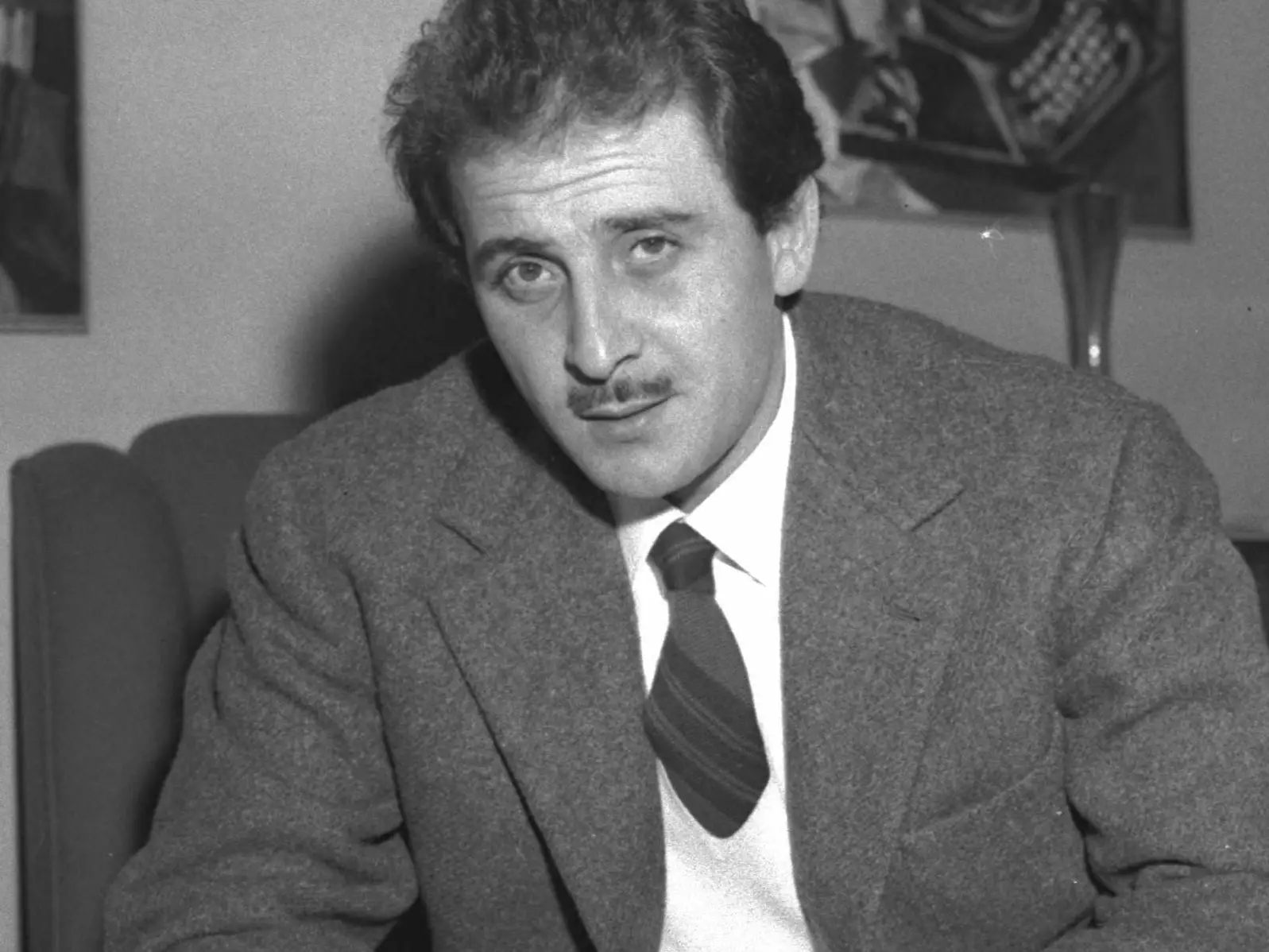
Domenico Modugno’s popular track was the first winner of the Grammy for record of the year.
1960: “Mack the Knife” — Bobby Darin
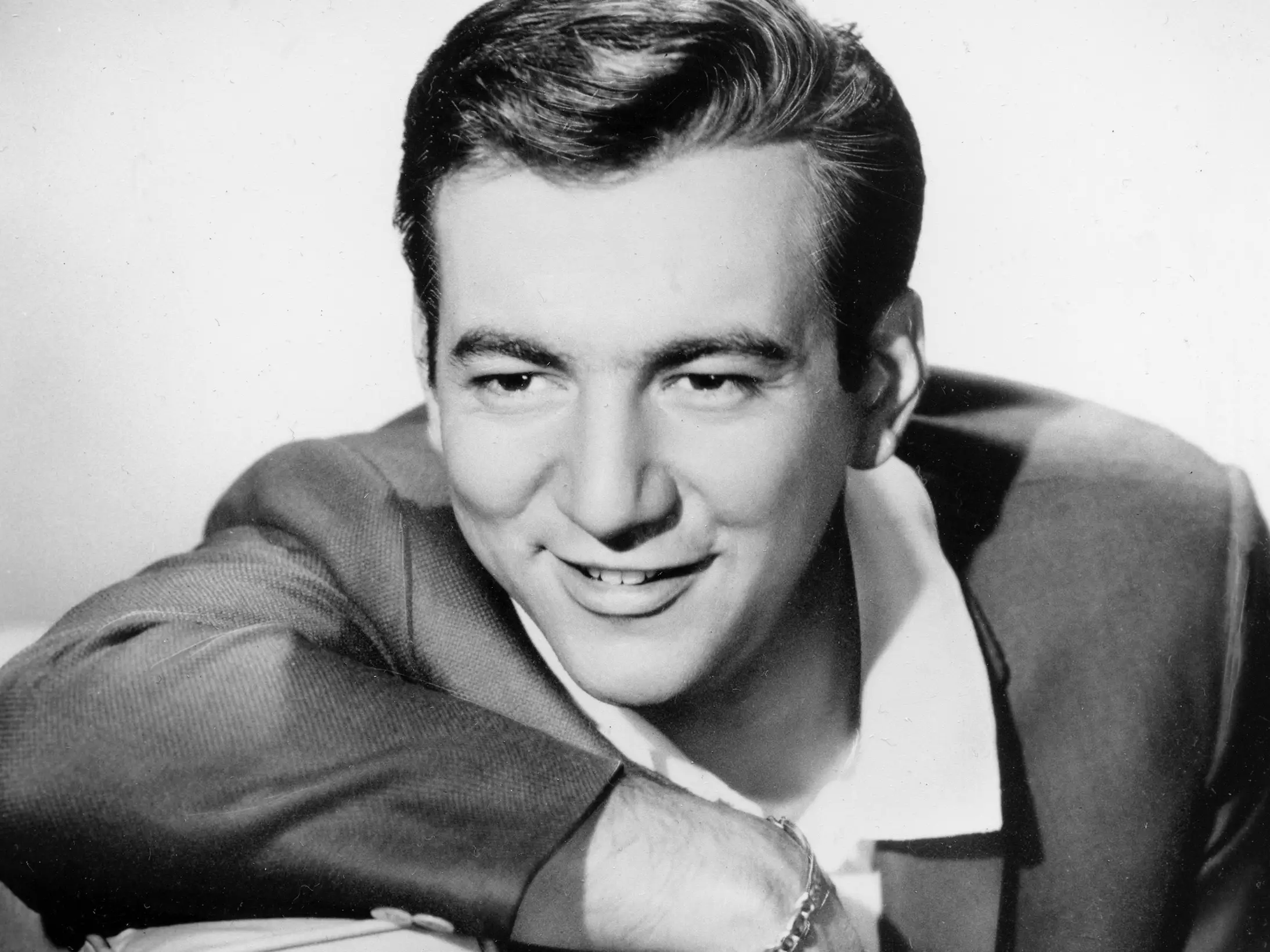
The song was also nominated for best male vocal performance.
1961: “The Theme from ‘A Summer Place'” — Percy Faith and His Orchestra
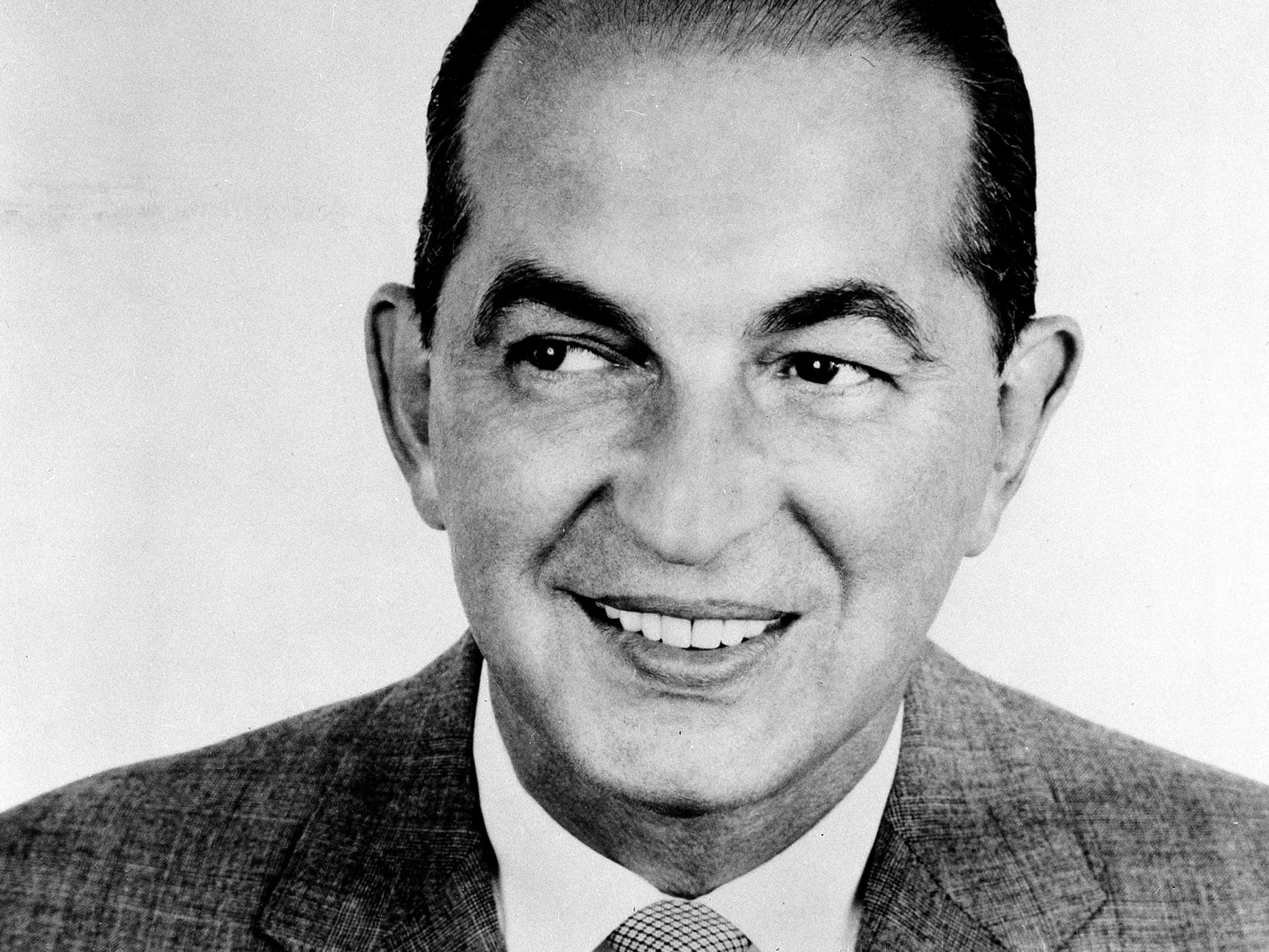
Faith won his first Grammy in 1961. “The Theme from ‘A Summer Place'” also earned two nominations for best arrangement and best performance by an orchestra.
1962: “Moon River” — Henry Mancini
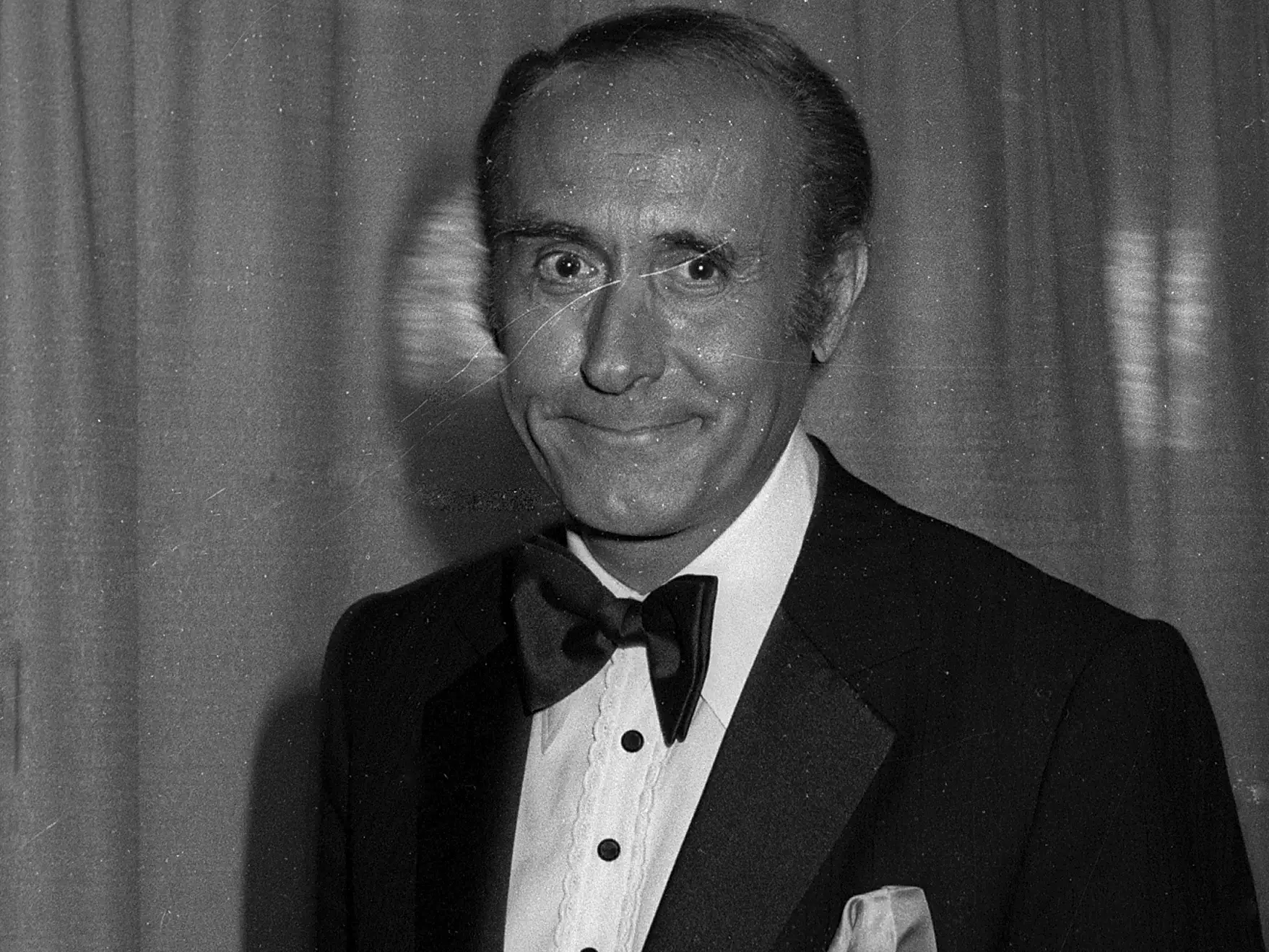
At the fourth Grammys, Mancini won awards for record of the year, song of the year, and best arrangement with “Moon River.” He won two additional awards for the “Breakfast at Tiffany’s” soundtrack.
1963: “I Left My Heart in San Francisco” — Tony Bennett
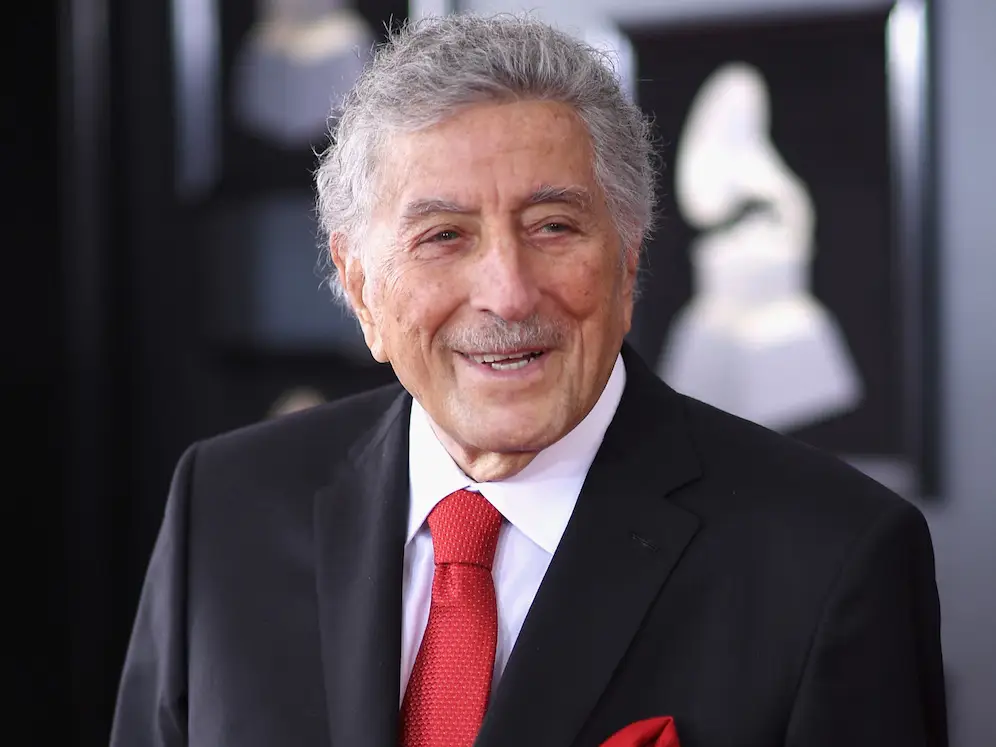
Tony Bennett won his first of many Grammys in 1963, beginning with the awards for record of the year and best male solo vocal performance for “I Left My Heart in San Francisco.”
1964: “Days of Wine and Roses” — Henry Mancini
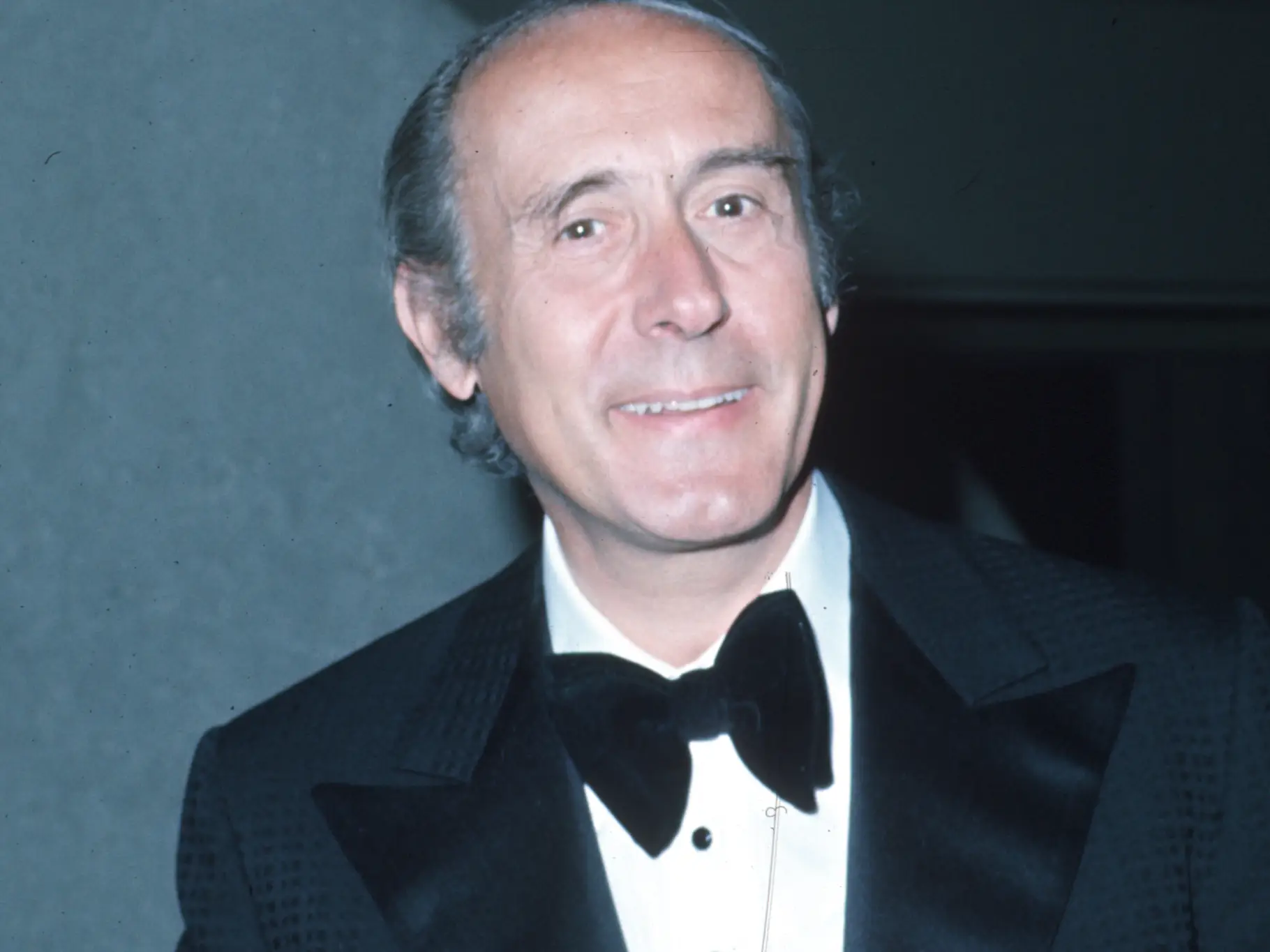
Henry Mancini won three awards at the sixth Grammys for “Days of Wine and Roses”: record of the year, song of the year, and best background arrangement (behind vocalist or instrumentalist).
1965: “The Girl From Ipanema” — Stan Getz and Astrud Gilberto
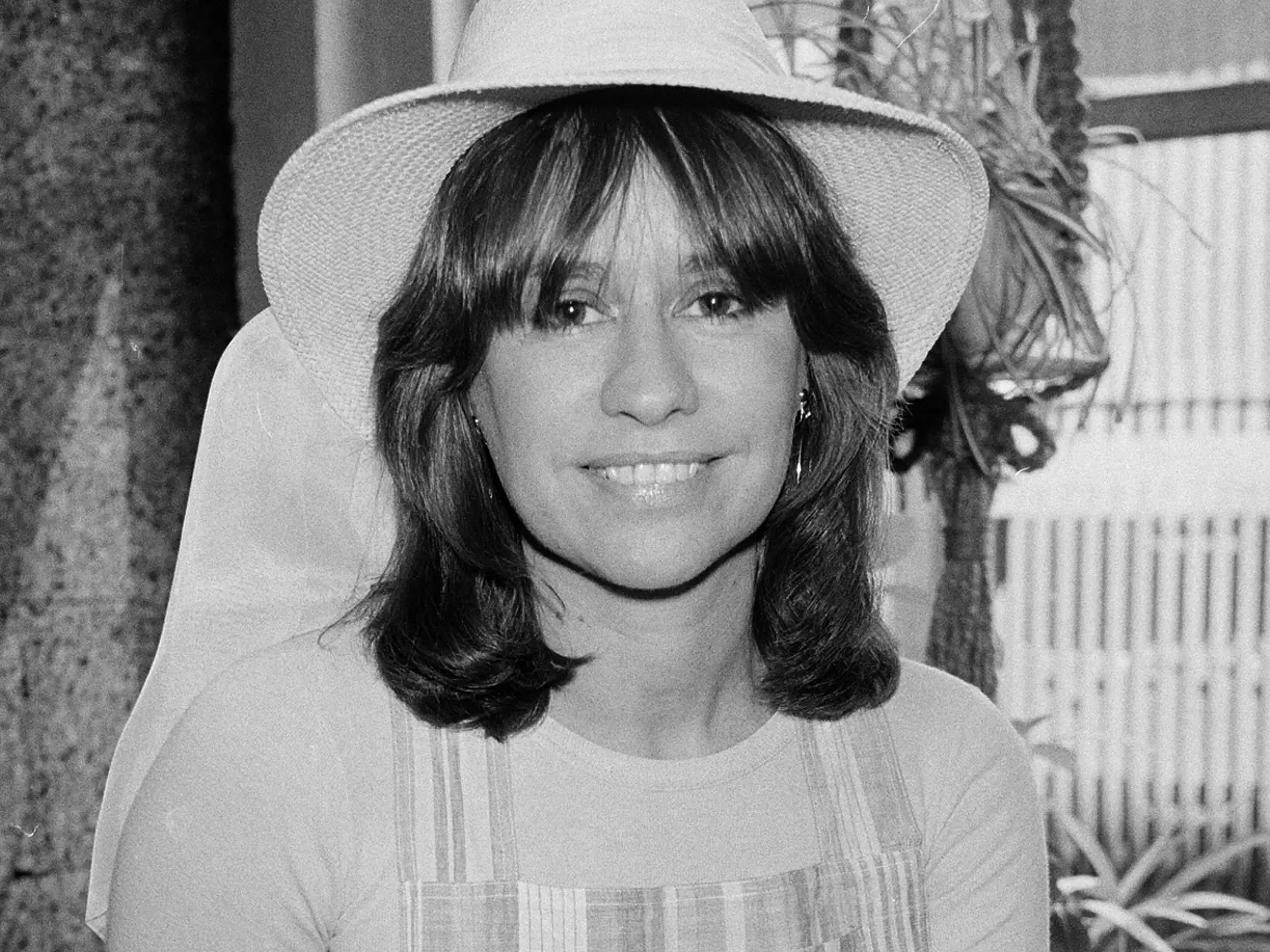
In addition to winning record of the year, the two artists also won album of the year and best instrumental jazz performance (small group or soloist with small group) for “Getz/Gilberto.”
1966: “A Taste of Honey” — Herb Alpert and The Tijuana Brass

“A Taste of Honey” won three awards at the eighth Grammys: record of the year, best non-jazz instrumental performance, and best instrumental arrangement.
1967: “Strangers in the Night” — Frank Sinatra
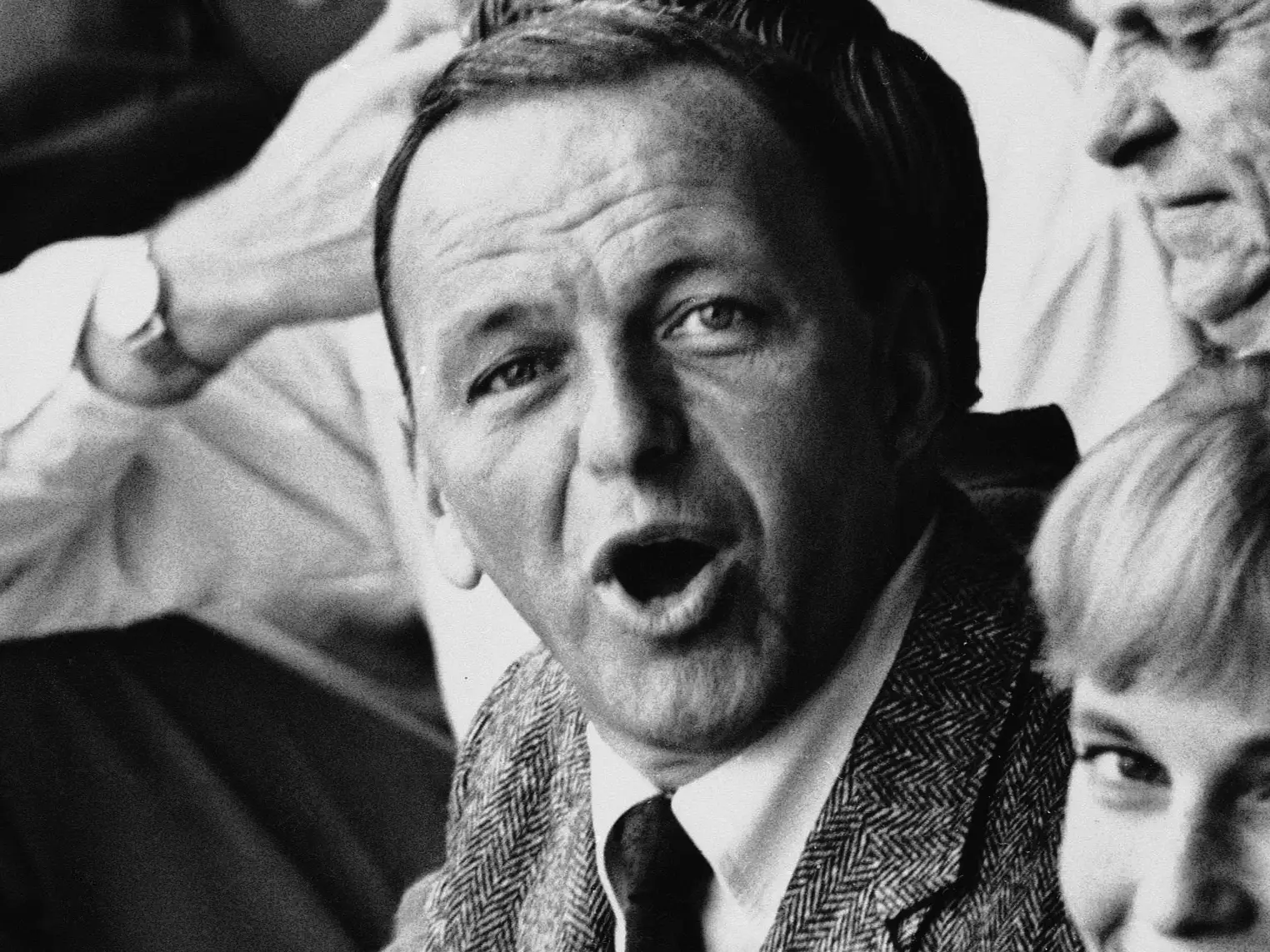
Sinatra won three awards that year: record of the year for “Strangers in the Night,” album of the year for “A Man and His Music,” and best male vocal performance for “Strangers in the Night.”
1968: “Up, Up, and Away” — 5th Dimension
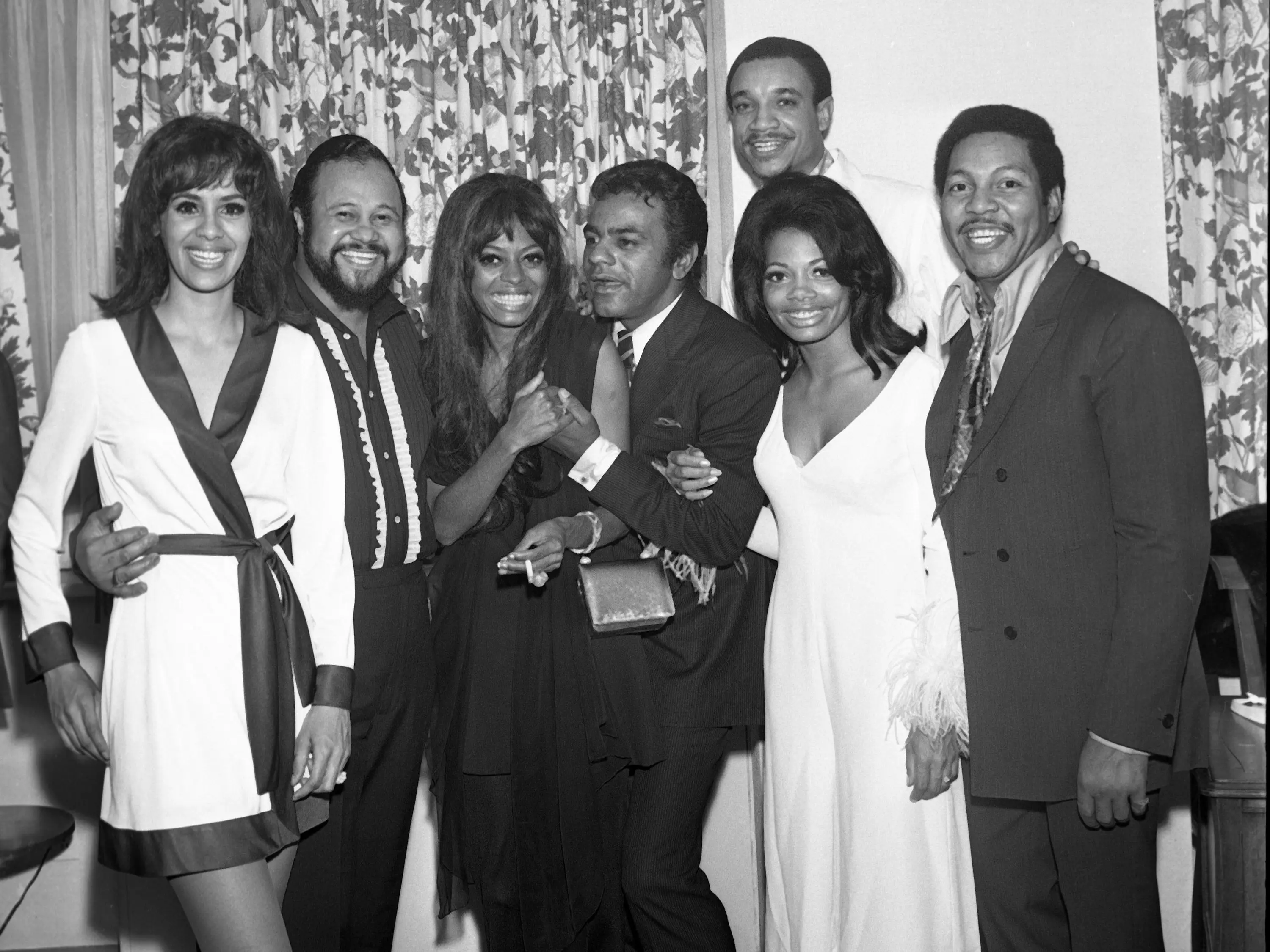
“Up, Up, and Away” won four awards at the 10th Grammys: best performance by a vocal group, best contemporary single, best contemporary group performance (vocal or instrumental), and record of the year.
1969: “Mrs. Robinson” — Simon and Garfunkel
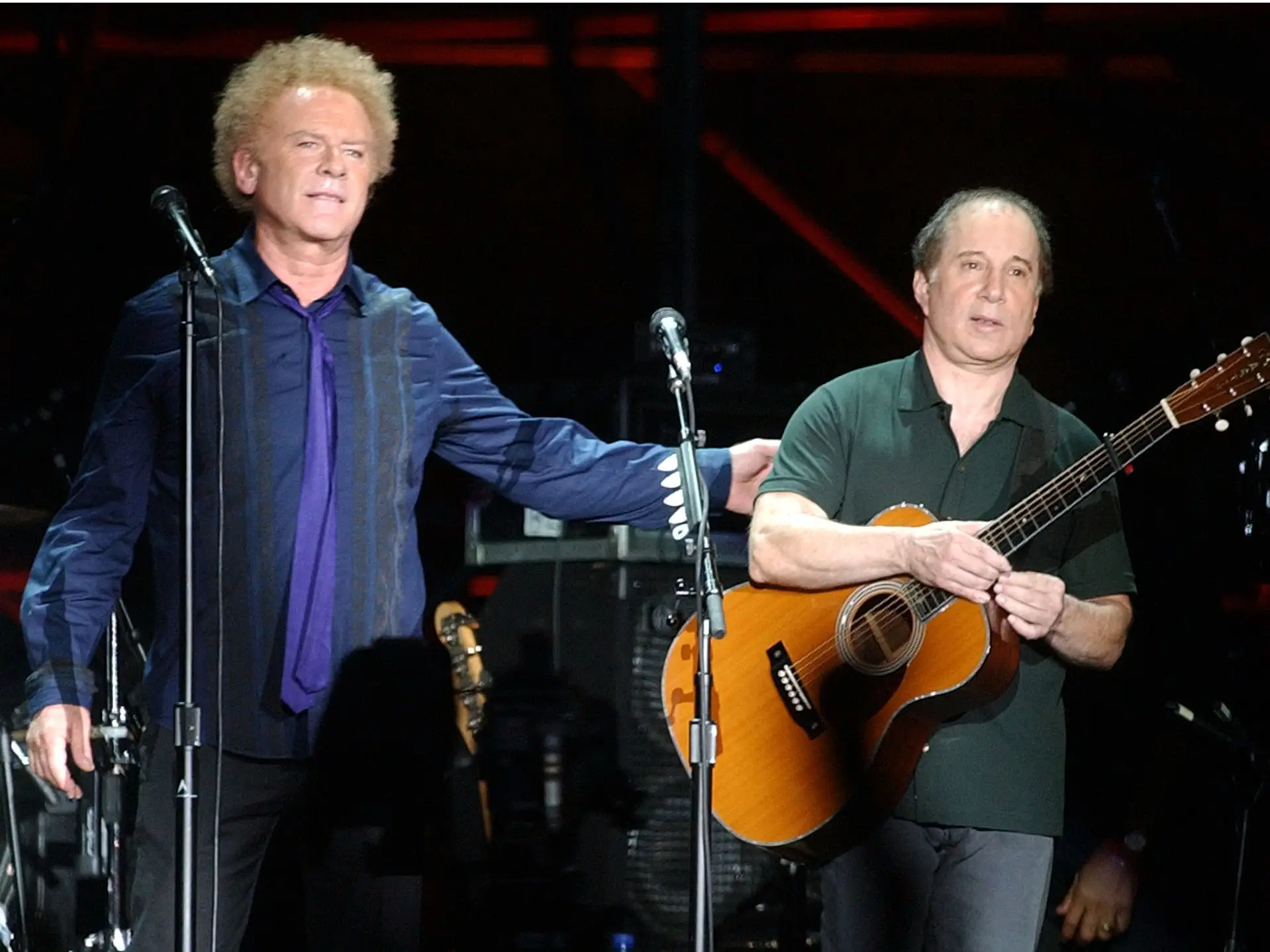
The award-winning track is from the duo’s 1968 album “The Graduate.”
1970: “Aquarius/Let the Sunshine In (The Flesh Failures)” — 5th Dimension
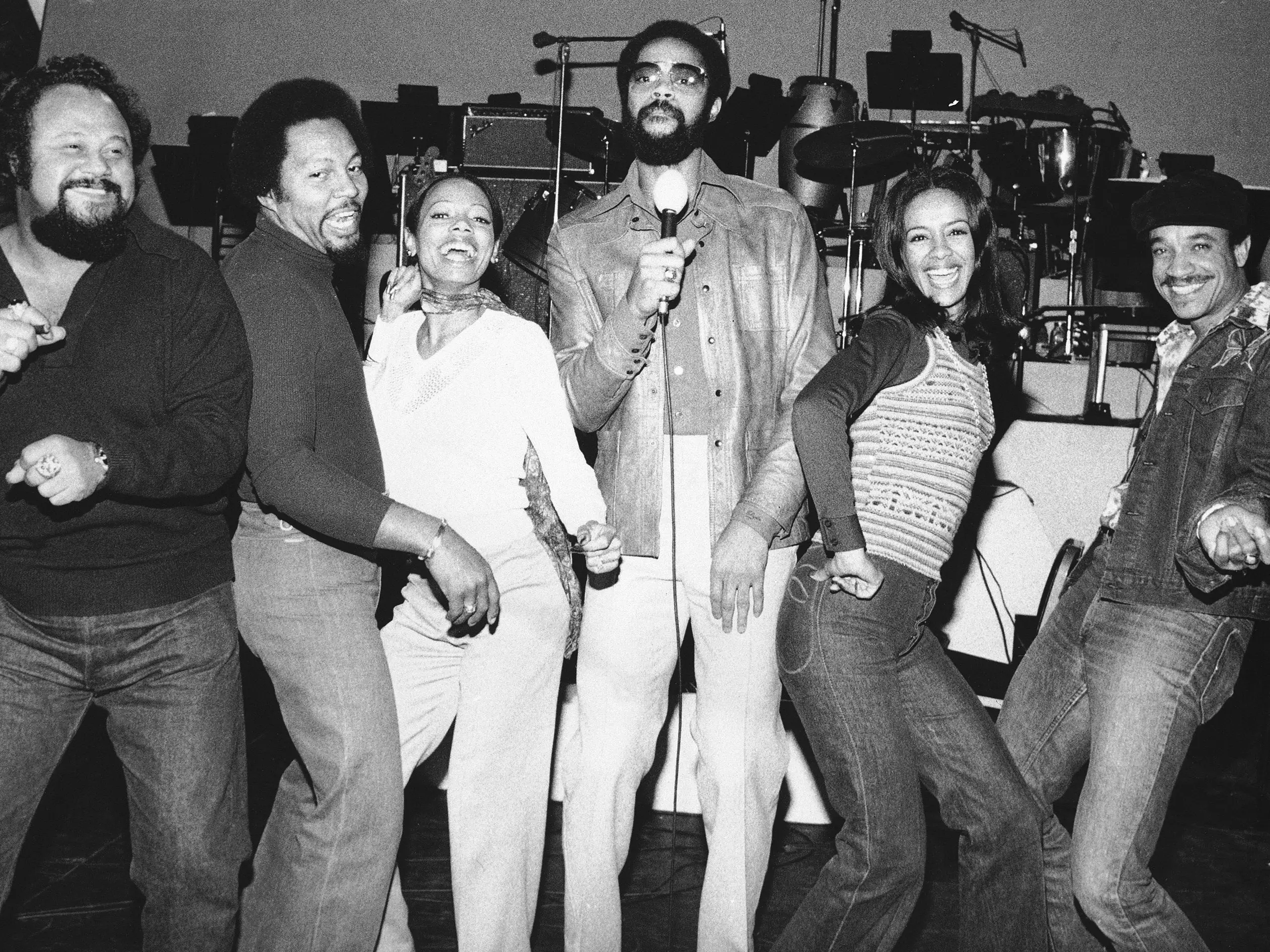
In addition to winning record of the year, the song also won the Grammy for best contemporary vocal performance by a group.
1971: “Bridge Over Troubled Water” — Simon and Garfunkel
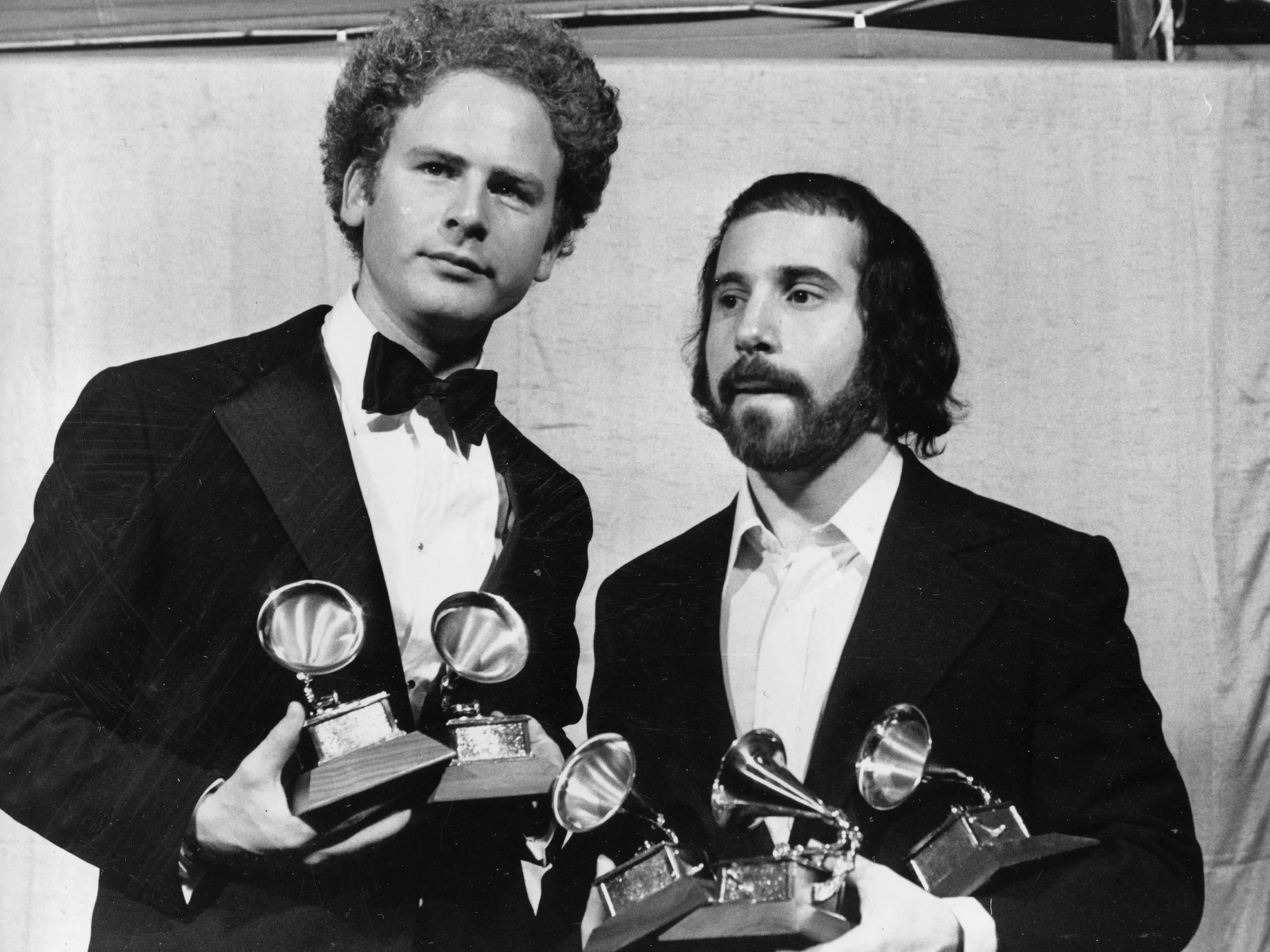
The duo, comprised of Paul Simon and Art Garfunkel, won record of the year and album of the year.
1972: “It’s Too Late” — Carole King
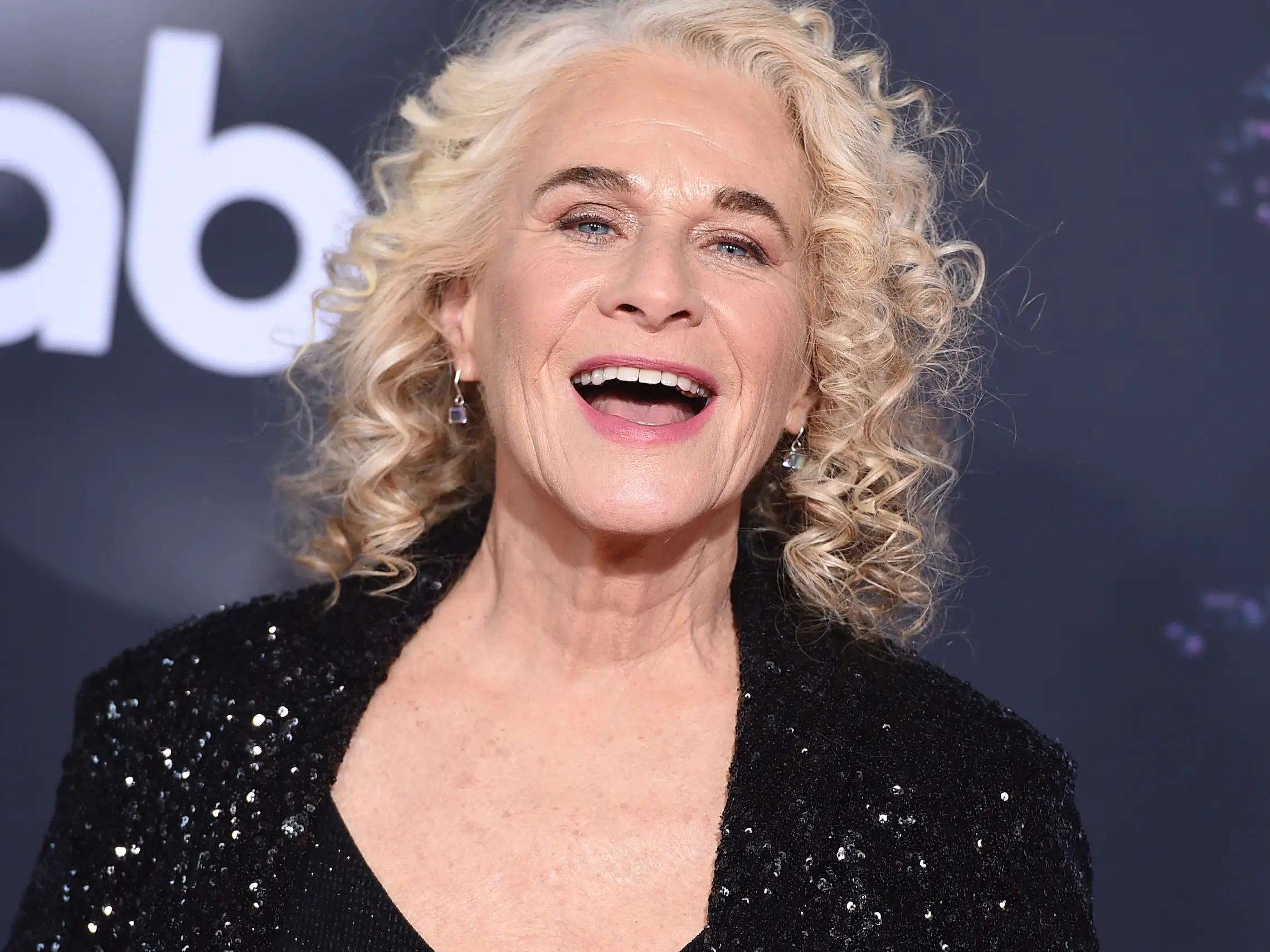
King was a big winner at the 14th Grammys, snagging four total awards: record of the year, album of the year, song of the year, and best female pop vocal performance.
1973: “The First Time Ever I Saw Your Face” — Roberta Flack
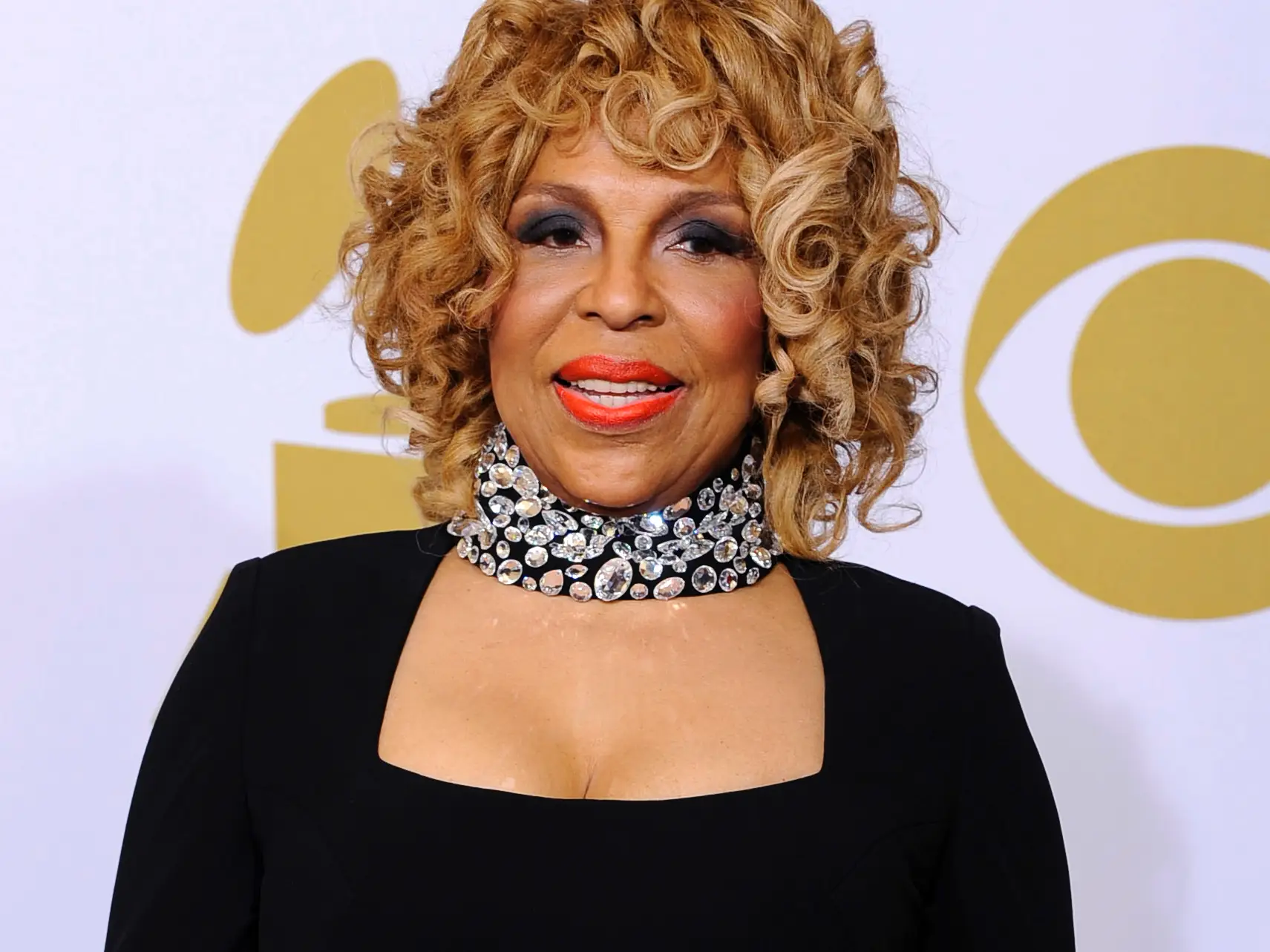
The original track was actually written by Ewan MacColl and appeared on Flack’s “First Take” album.
1974: “Killing Me Softly With His Song” — Roberta Flack
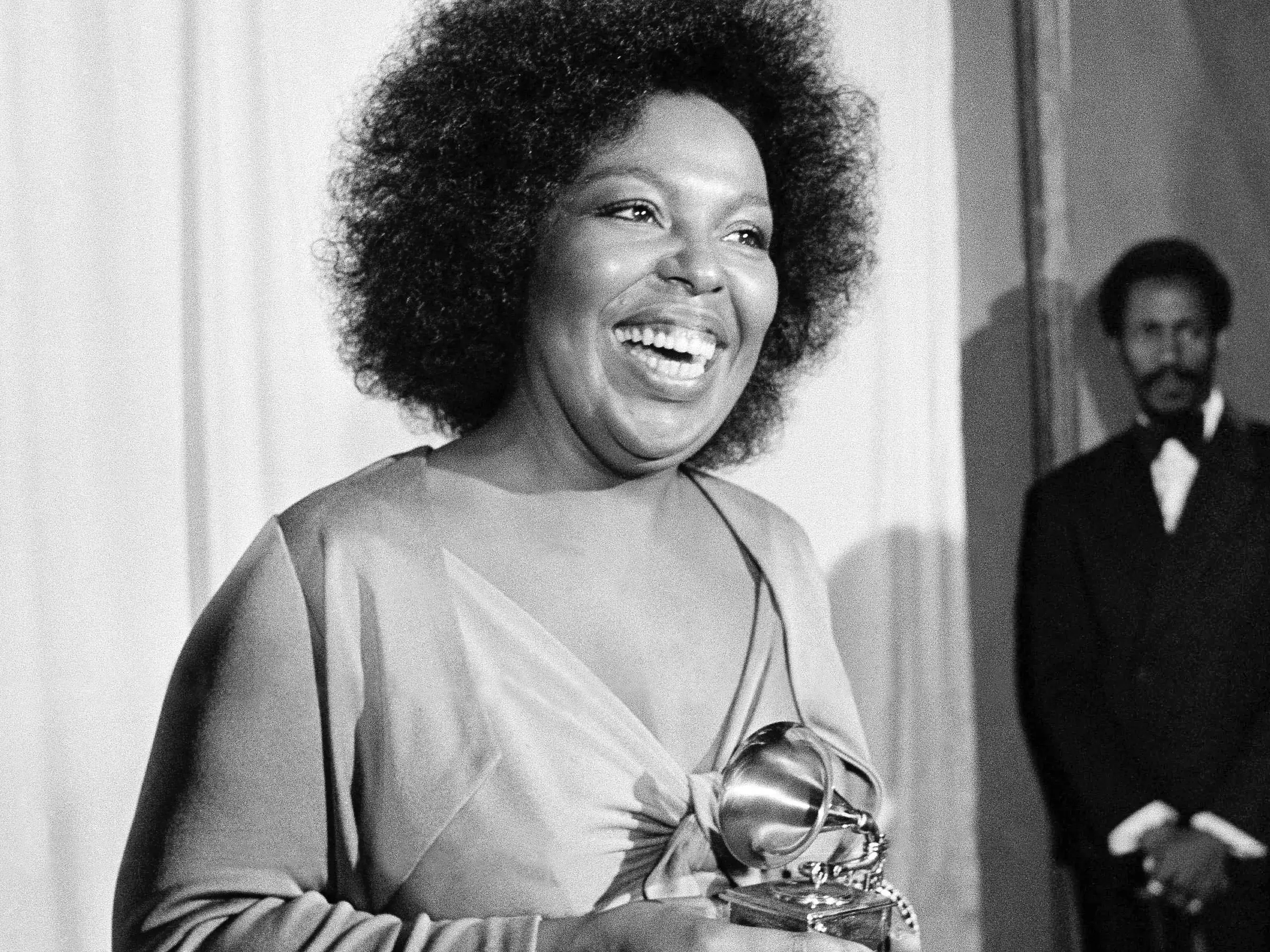
At the 16th Grammys, Flack’s “Killing Me Softly With His Song” won awards for record of the year and best female pop vocal performance.
1975: “I Honestly Love You” — Olivia Newton-John

At the 17th Grammys, Olivia Newton-John‘s “I Honestly Love You” received awards for record of the year and best female pop vocal performance.
1976: “Love Will Keep Us Together” — Captain & Tennille
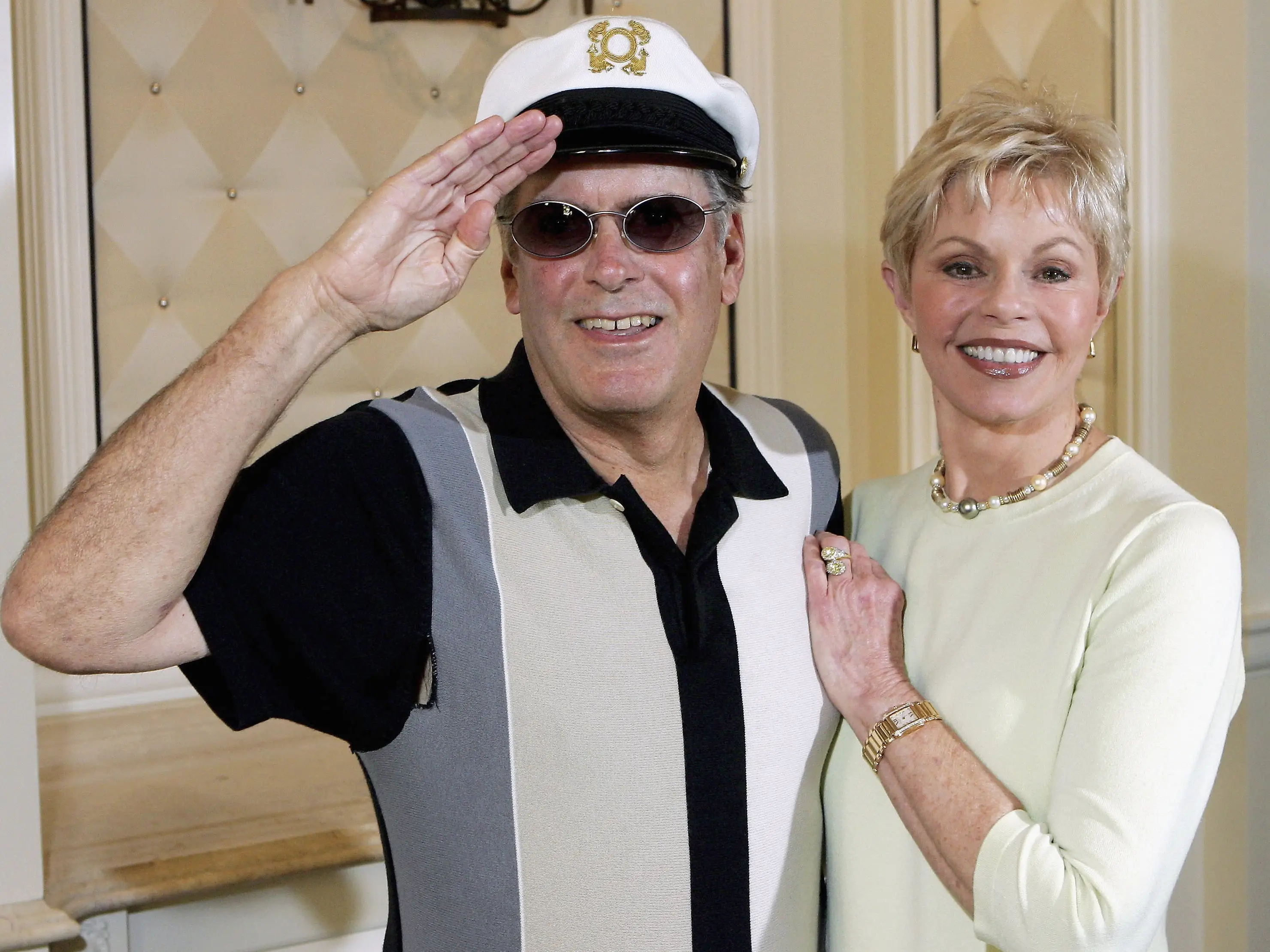
“Love Will Keep Us Together” was released by American duo Captain & Tennille in 1975. The song won a Grammy for record of the year in 1976 and also received a nomination for best pop vocal performance by a duo, group, or chorus.
1977: “This Masquerade” — George Benson
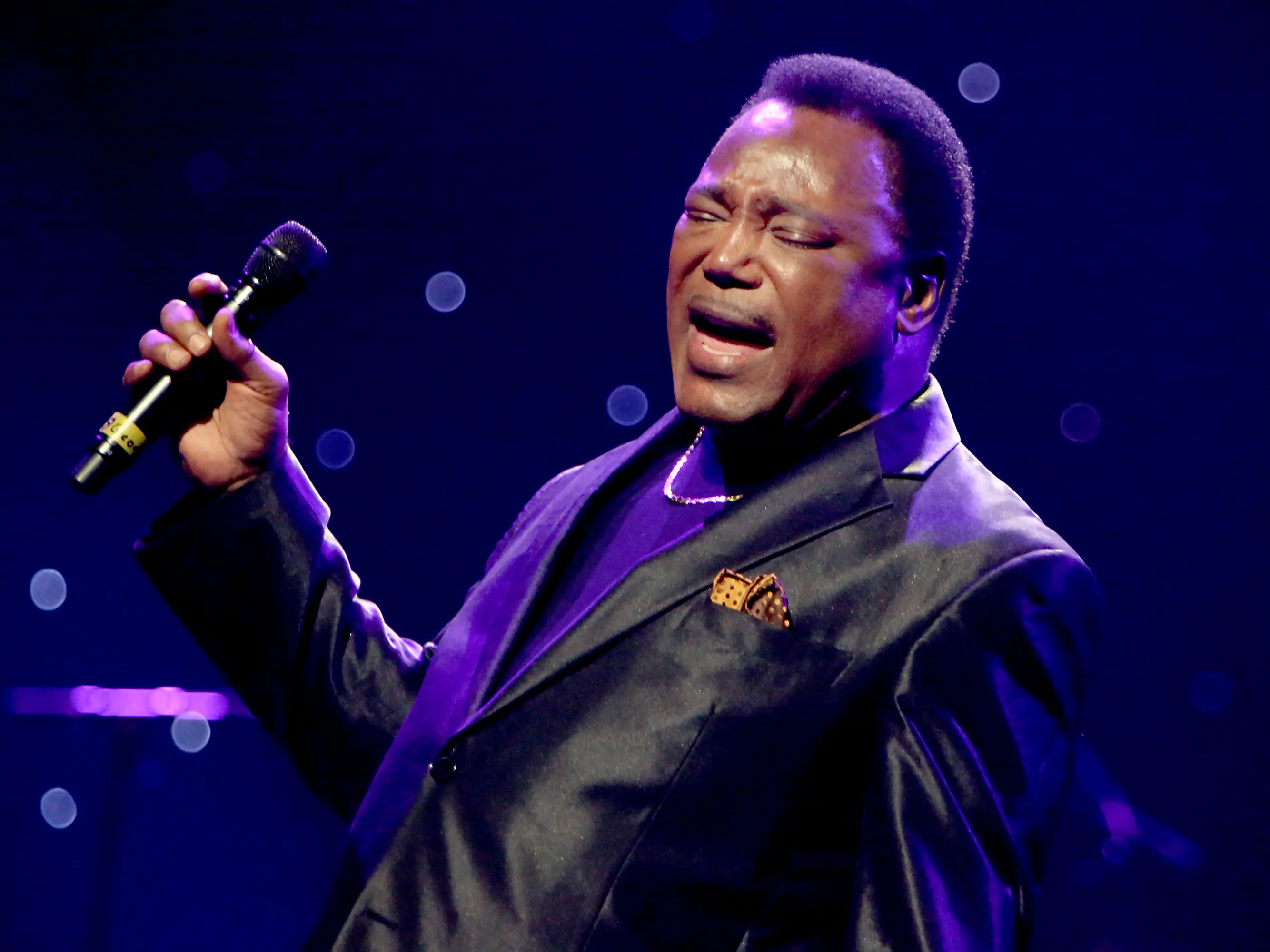
George Benson won his first Grammy awards in 1977 for record of the year, best pop instrumental performance, and best R&B instrumental performance.
1978: “Hotel California” — Eagles
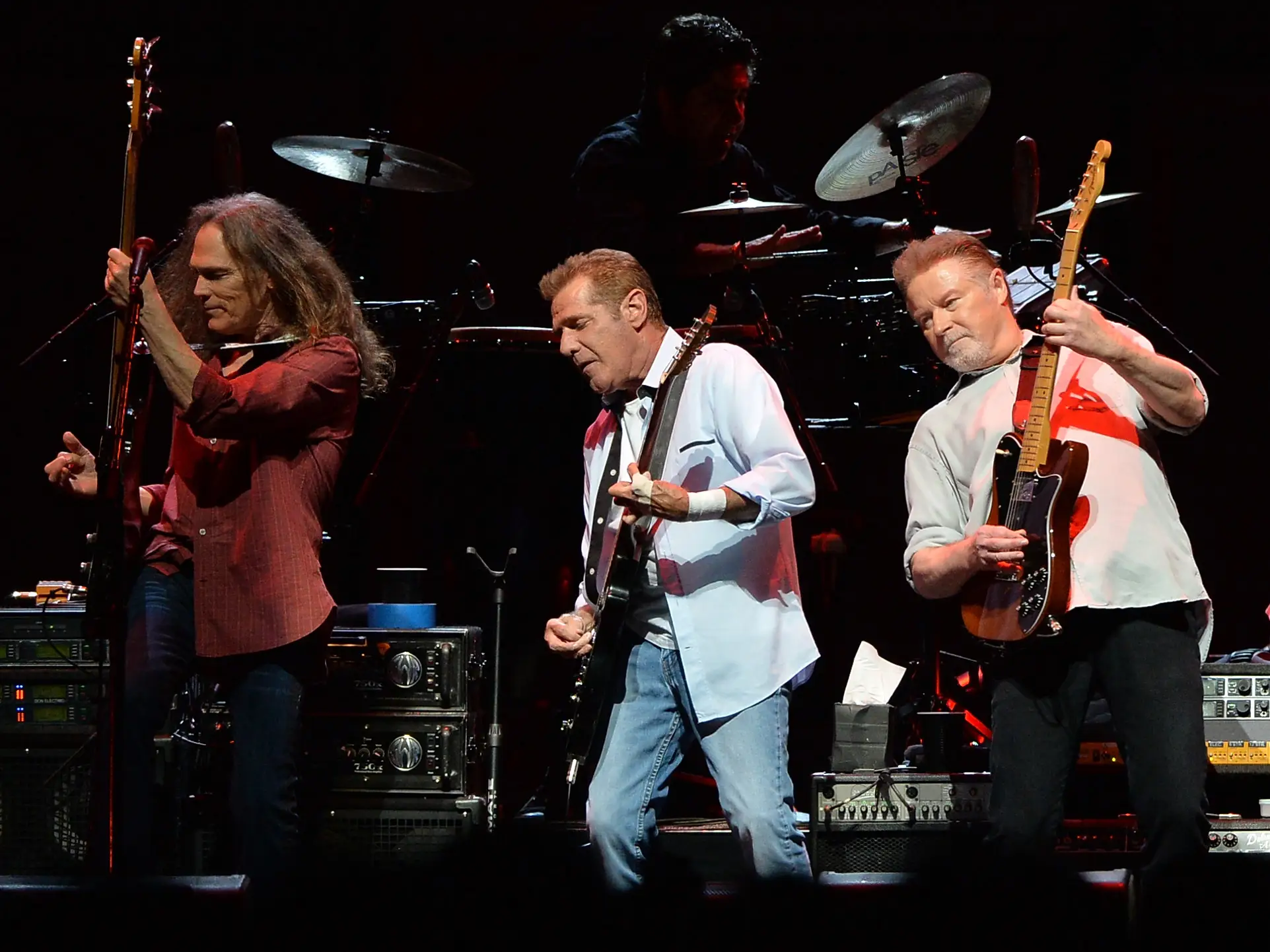
In a book written by Marc Eliot, the band discussed the inspiration behind the Grammy award-winning track.
“The concept had to do with taking a look at all the band had gone through, personally and professionally, while it was still happening to them,” Don Henley.
1979: “Just the Way You Are” — Billy Joel

“Just the Way You Are” earned Billy Joel two Grammys in 1979 — one for record of the year and one for song of the year. He has five Grammy wins, three Hall of Fame awards, and received the Grammy Legend award in 1991.
1980: “What A Fool Believes” — The Doobie Brothers
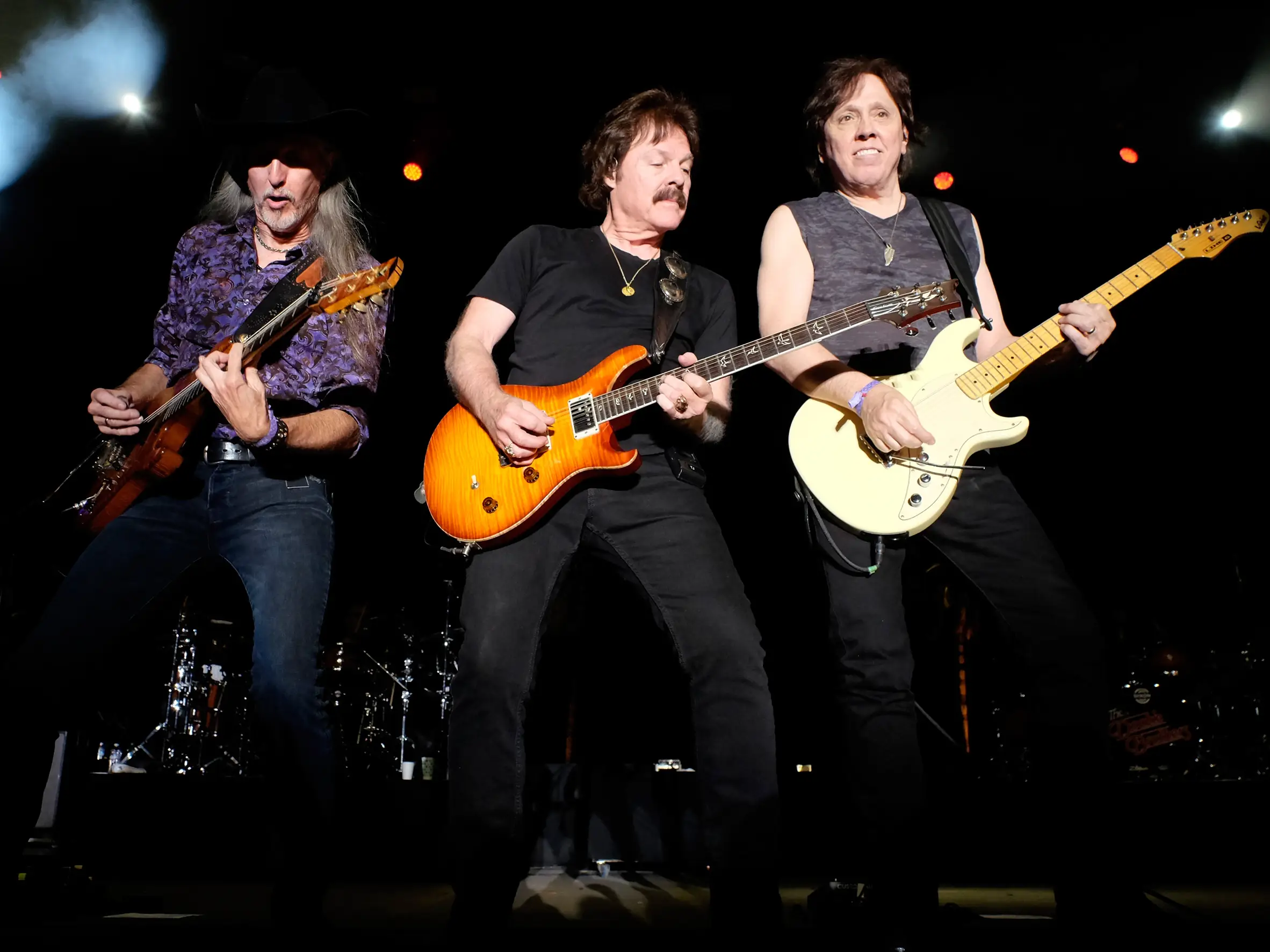
At the 22nd Grammys, The Doobie Brothers won awards for record of the year and best pop vocal performance by a duo, group, or chorus.
1981: “Sailing” — Christopher Cross
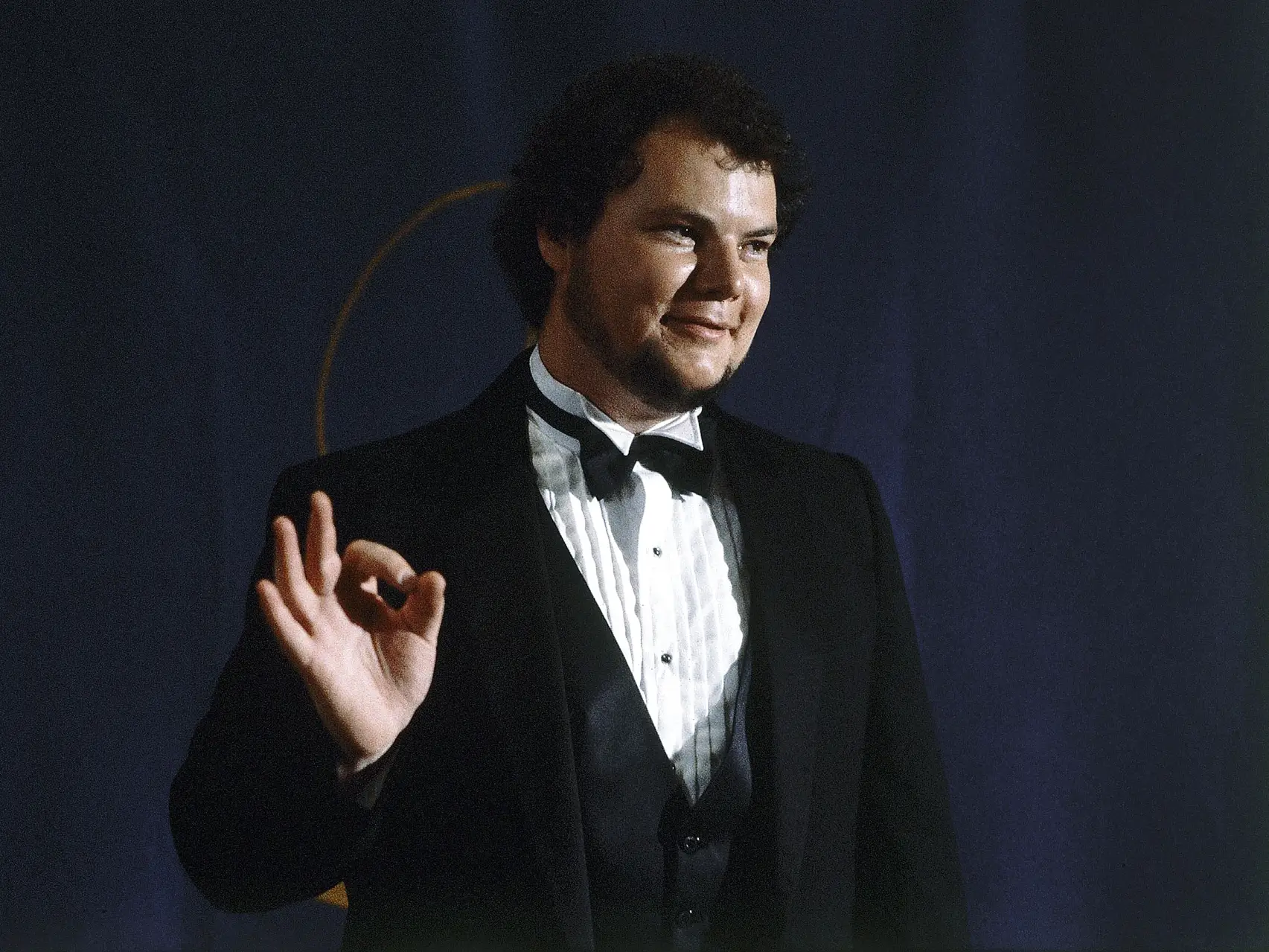
In 1981, Christopher Cross received Grammy awards for record of the year, album of the year, song of the year, best new artist, and best arrangement accompanying vocalist(s).
Cross was also the first artist in Grammy history to win all four general categories on the same night.
1982: “Bette Davis Eyes” — Kim Carnes

Kim Carnes won a Grammy for record of the year in 1982 with her popular track “Bette Davis Eyes.” In 1981, “Bette Davis Eyes ” also peaked at No. 1 on the Billboard Hot 100.
1983: “Rosanna”— Toto
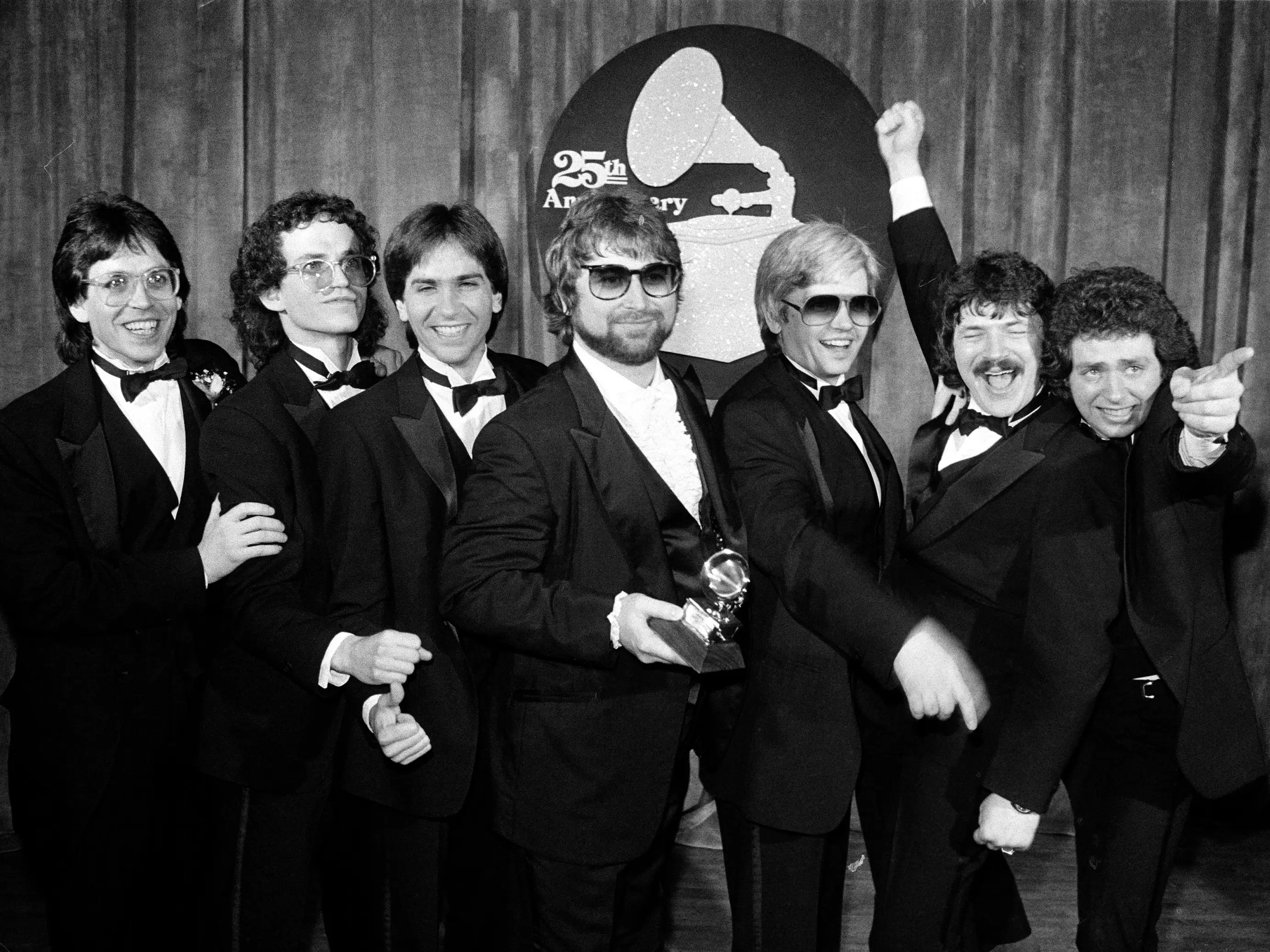
Toto’s “Rosanna” won the Grammy for record of the year in 1983. The song also won Grammys for best instrumental arrangement accompanying vocals and best vocal arrangement for two or more voices.
1984: “Beat It” — Michael Jackson
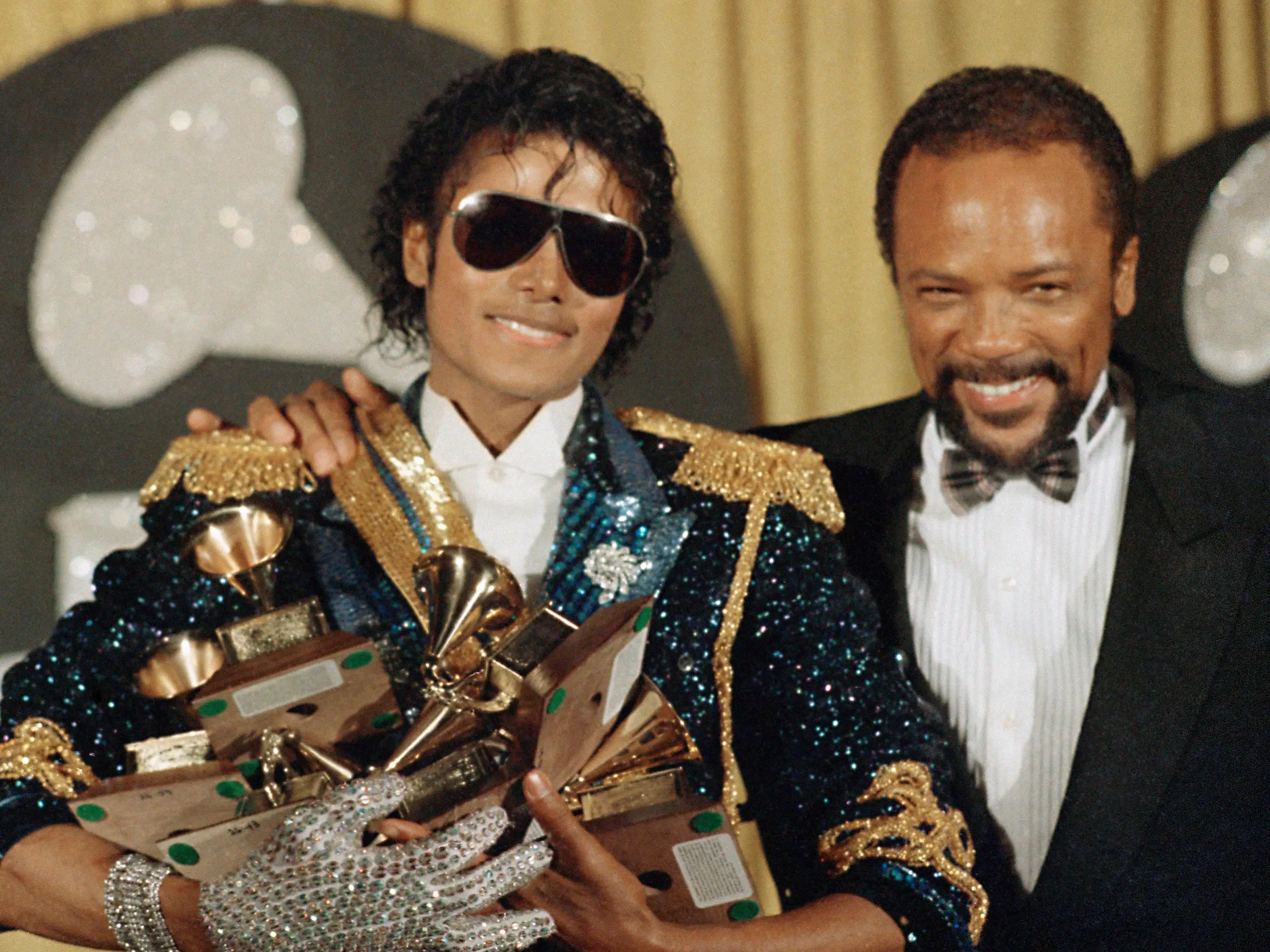
At the 26th Grammys, Michael Jackson received awards for record of the year, album of the year, best male pop vocal performance, best male rock vocal performance, best male R&B vocal performance, and best rhythm and blues song.
1985: “What’s Love Got to Do With It” — Tina Turner
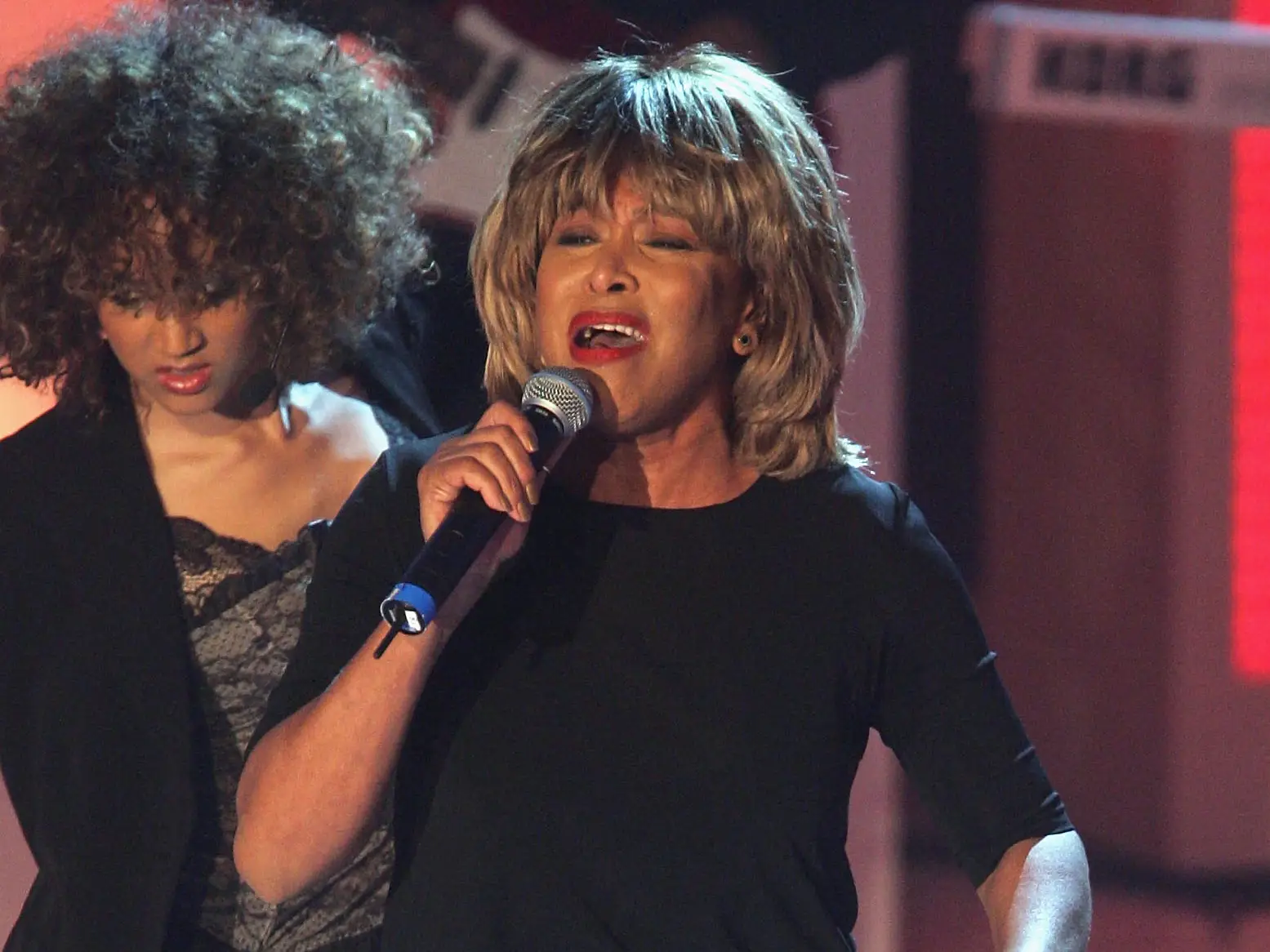
In 1985, Tina Turner received Grammy awards for record of the year, best female pop vocal performance, and best female rock vocal performance.
1986: “We Are the World” — USA For Africa (Various Artists)
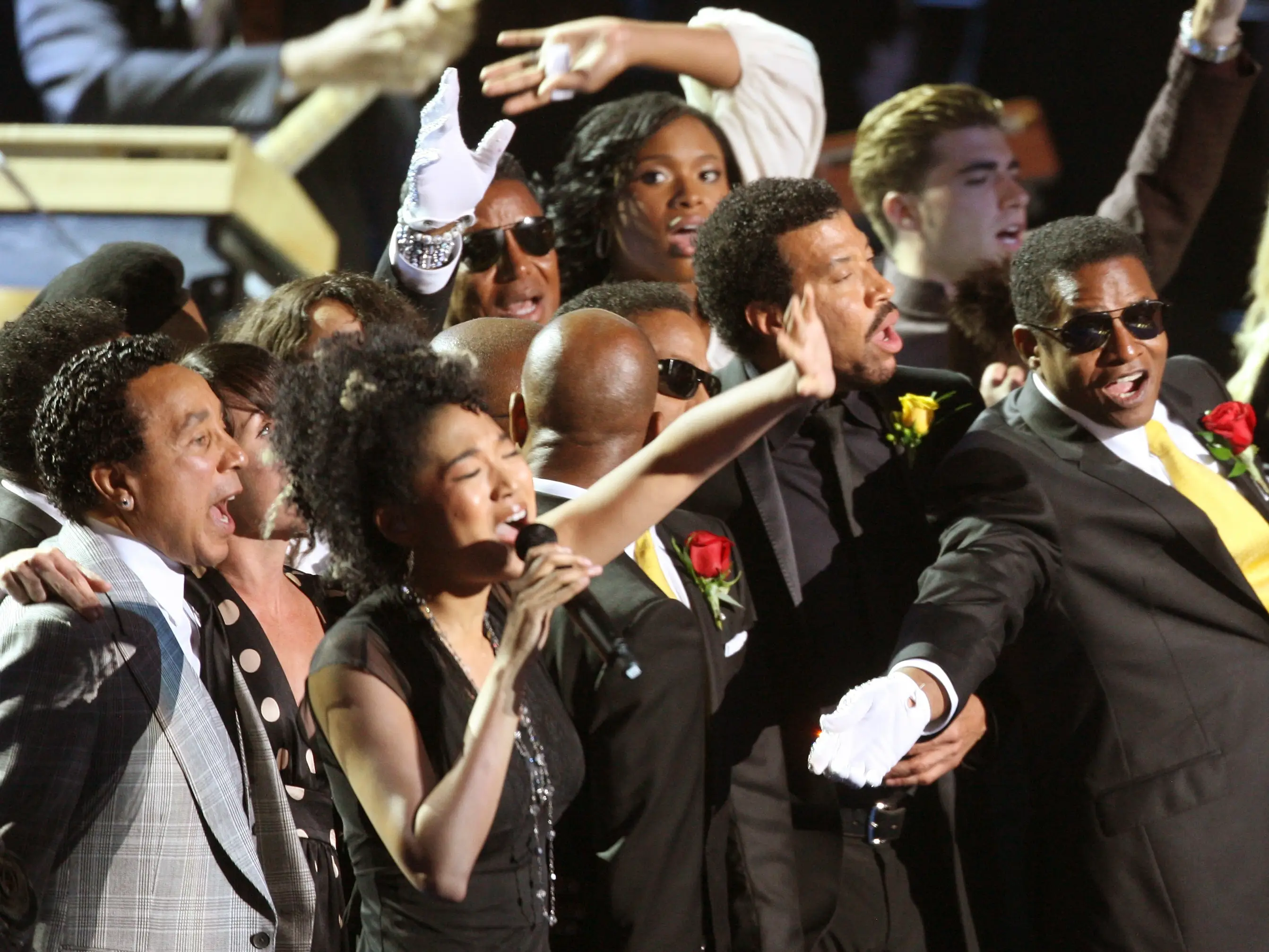
“We Are the World” was written by Michael Jackson and Lionel Richie and produced by Quincy Jones. A new version of the song was also recorded in 2010 to benefit relief efforts following the earthquake in Haiti.
1987: “Higher Love” — Steve Winwood
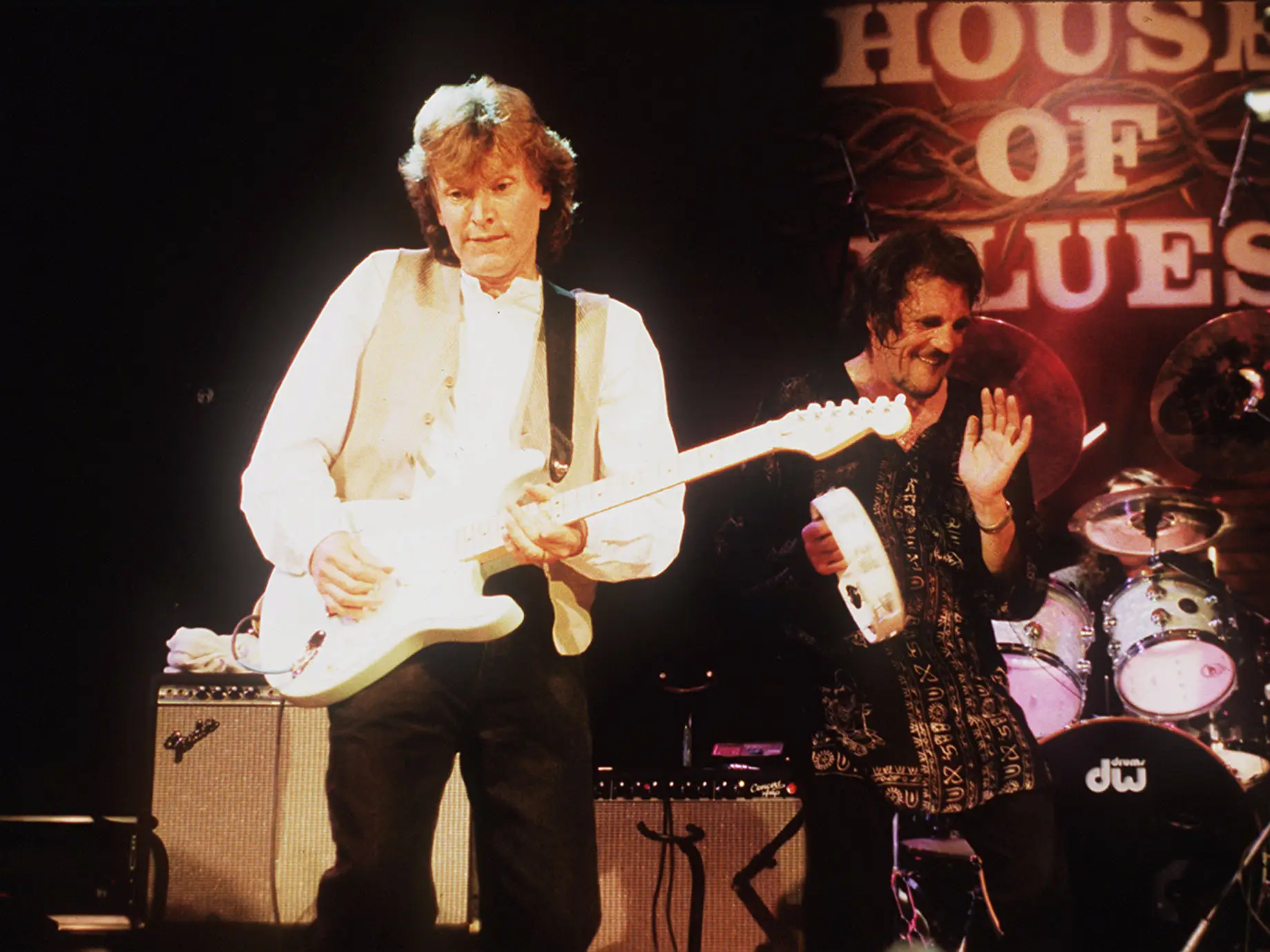
At the 29th Grammys, Steve Winwood’s “Higher Love” received awards for record of the year and best male pop vocal performance.
1988: “Graceland” — Paul Simon
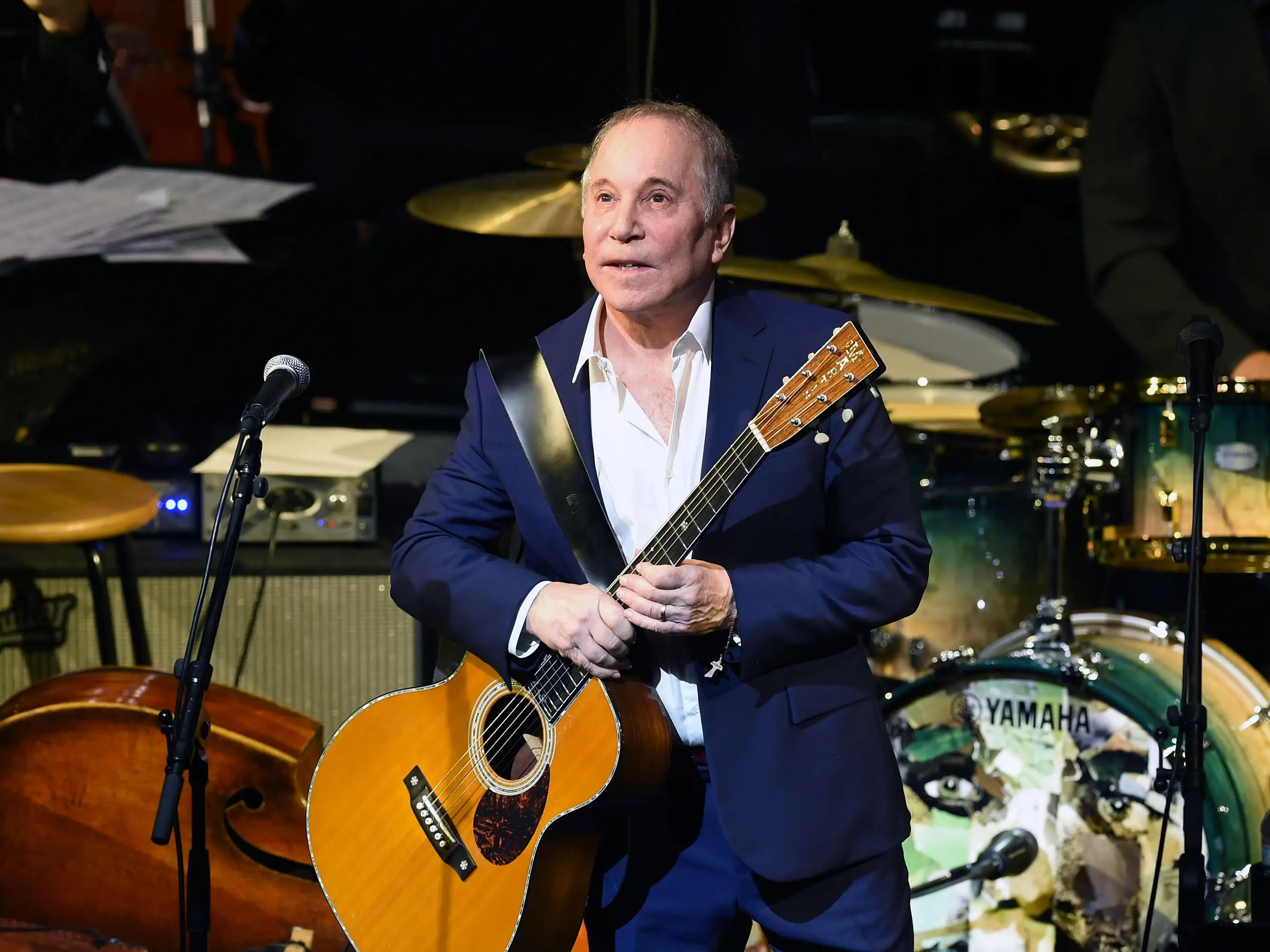
Paul Simon received his first Grammys in 1969. He also won the award for record of the year.
1989: “Don’t Worry Be Happy” — Bobby McFerrin

In 1989, Bobby McFerrin’s “Don’t Worry Be Happy” won Grammys for record of the year, song of the year, and best male pop vocal performance.
1990: “Wind Beneath My Wings” — Bette Midler
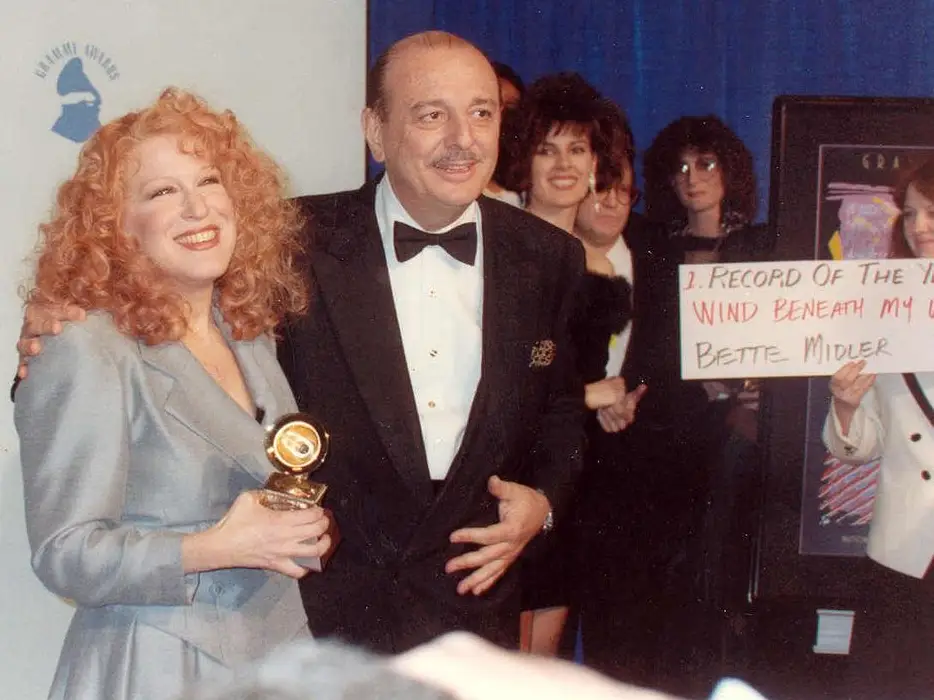
Bette Midler won her first Grammy in 1974 for best new artist. In 1990, “Wind Beneath My Wings” won the award for record of the year and peaked at No. 1 on the Billboard Hot 100 chart.
1991: “Another Day in Paradise” — Phil Collins

Phil Collins received his first award at the 27th Grammys and has scored a total of eight awards over the years.
1992: “Unforgettable” — Natalie Cole (With Nat “King” Cole)
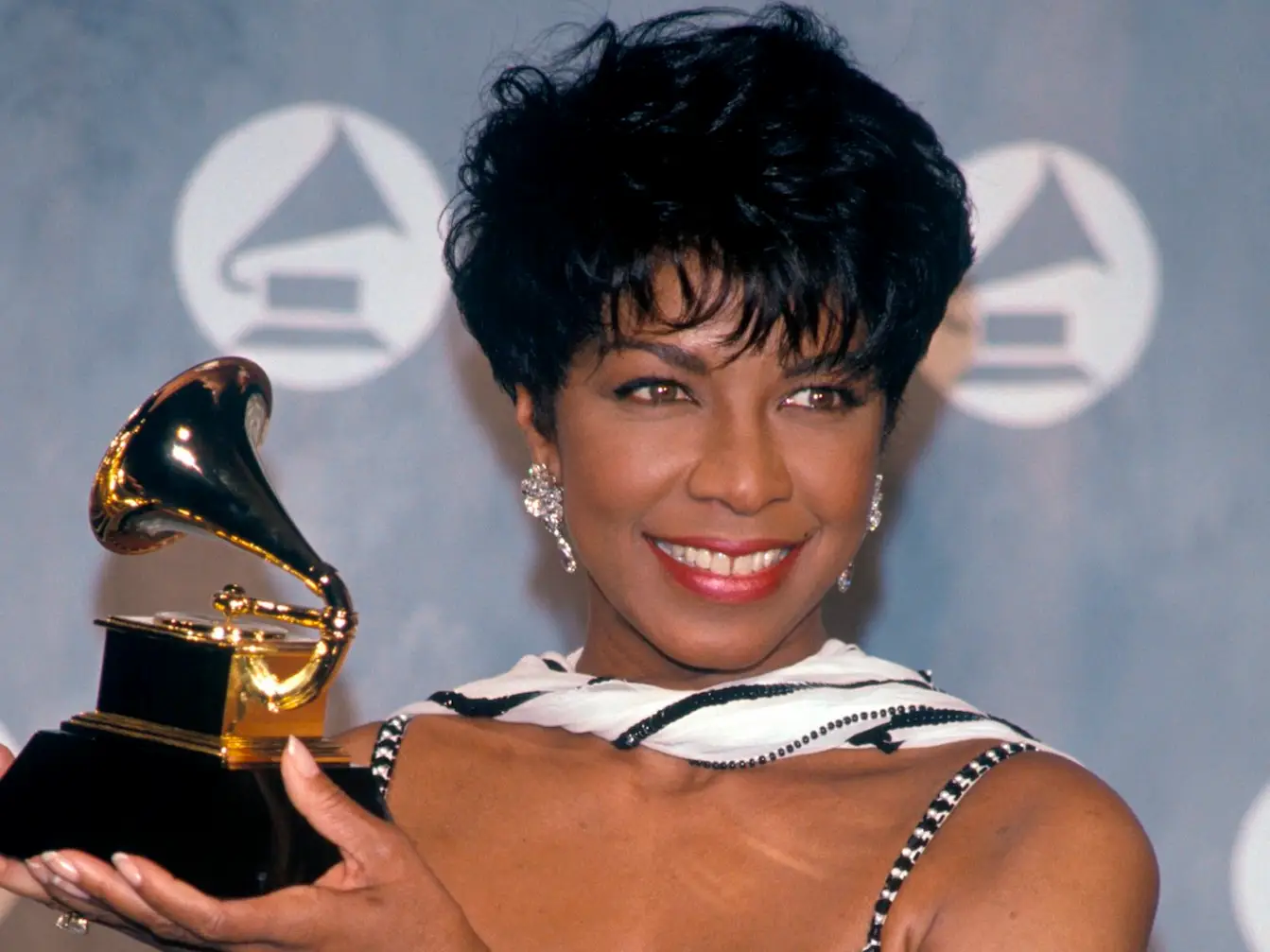
In addition to winning record of the year, Natalie Cole won Grammys for album of the year and best traditional pop performance.
1993: “Tears in Heaven” — Eric Clapton
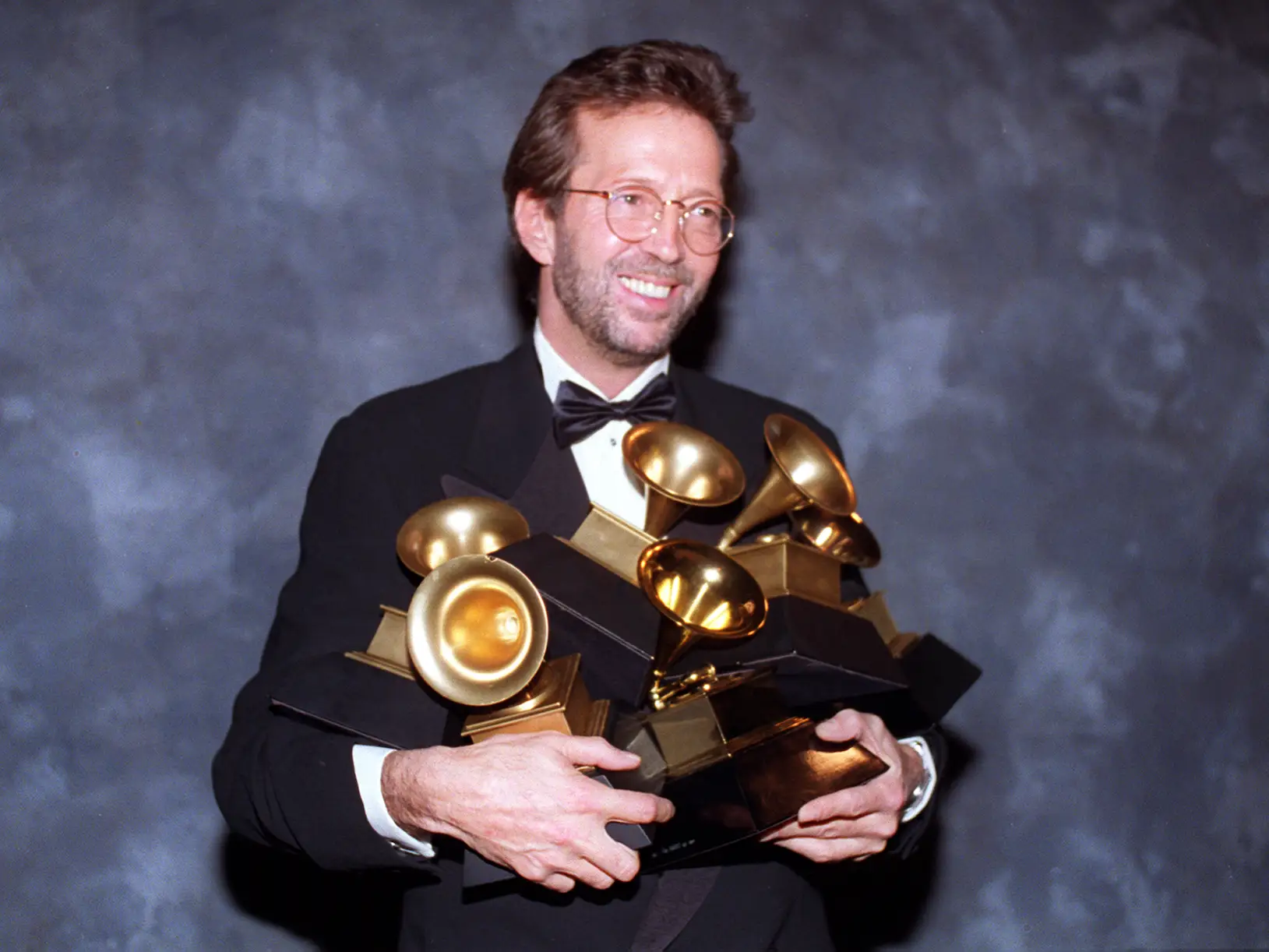
At the 35th Grammys, Eric Clapton received awards for record of the year, album of the year, song of the year, best male pop vocal performance, best male rock vocal performance, and best rock song.
1994: “I Will Always Love You” — Whitney Houston
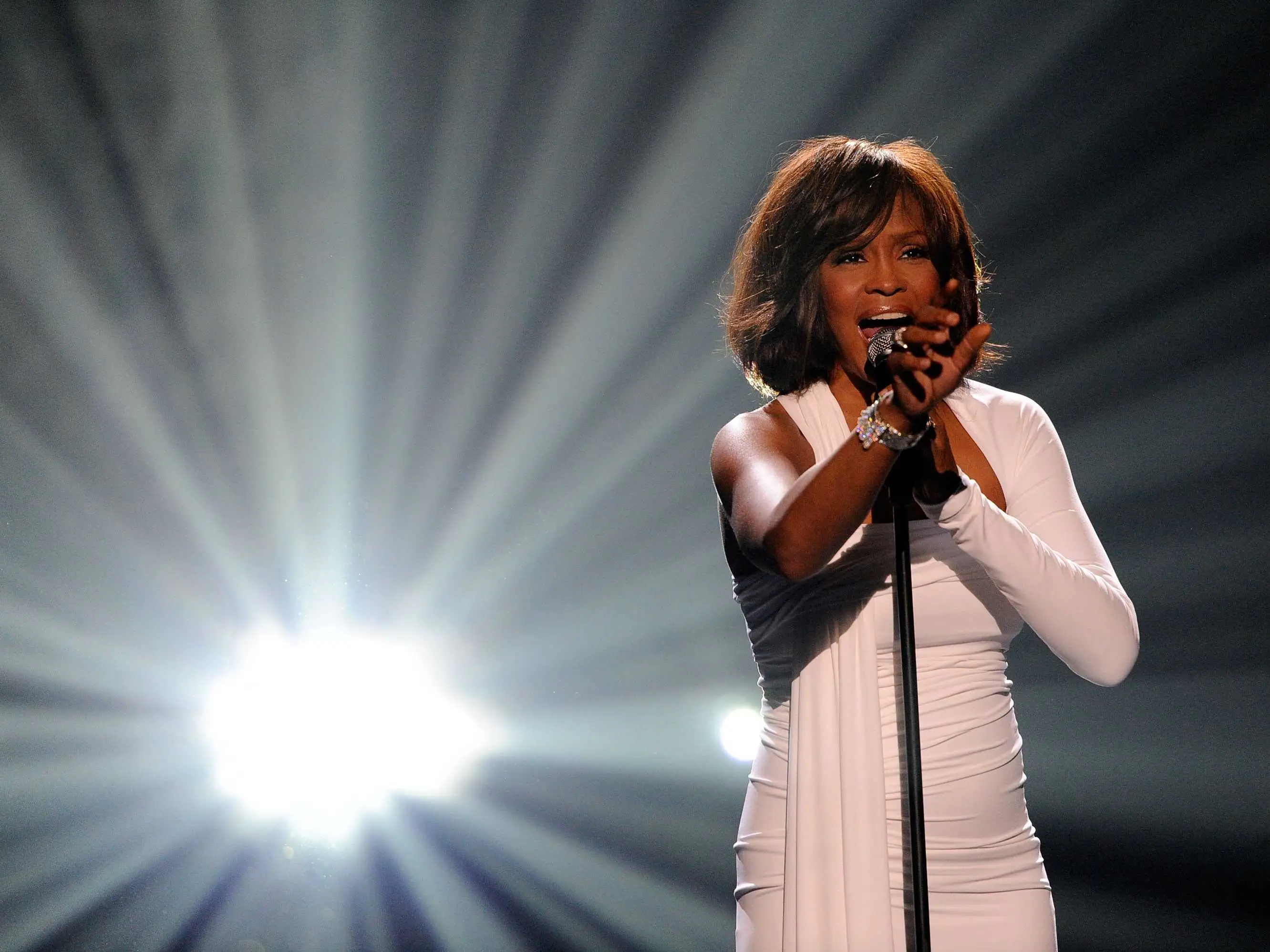
Whitney Houston‘s “I Will Always Love You” received two Grammys in 1994: one for record of the year and another for best female pop vocal performance.
1995: “All I Wanna Do” — Sheryl Crow

At the 37th Grammys, Sheryl Crow won her first awards for record of the year, best new artist, and best female pop vocal performance.
1996: “Kiss From a Rose” — Seal
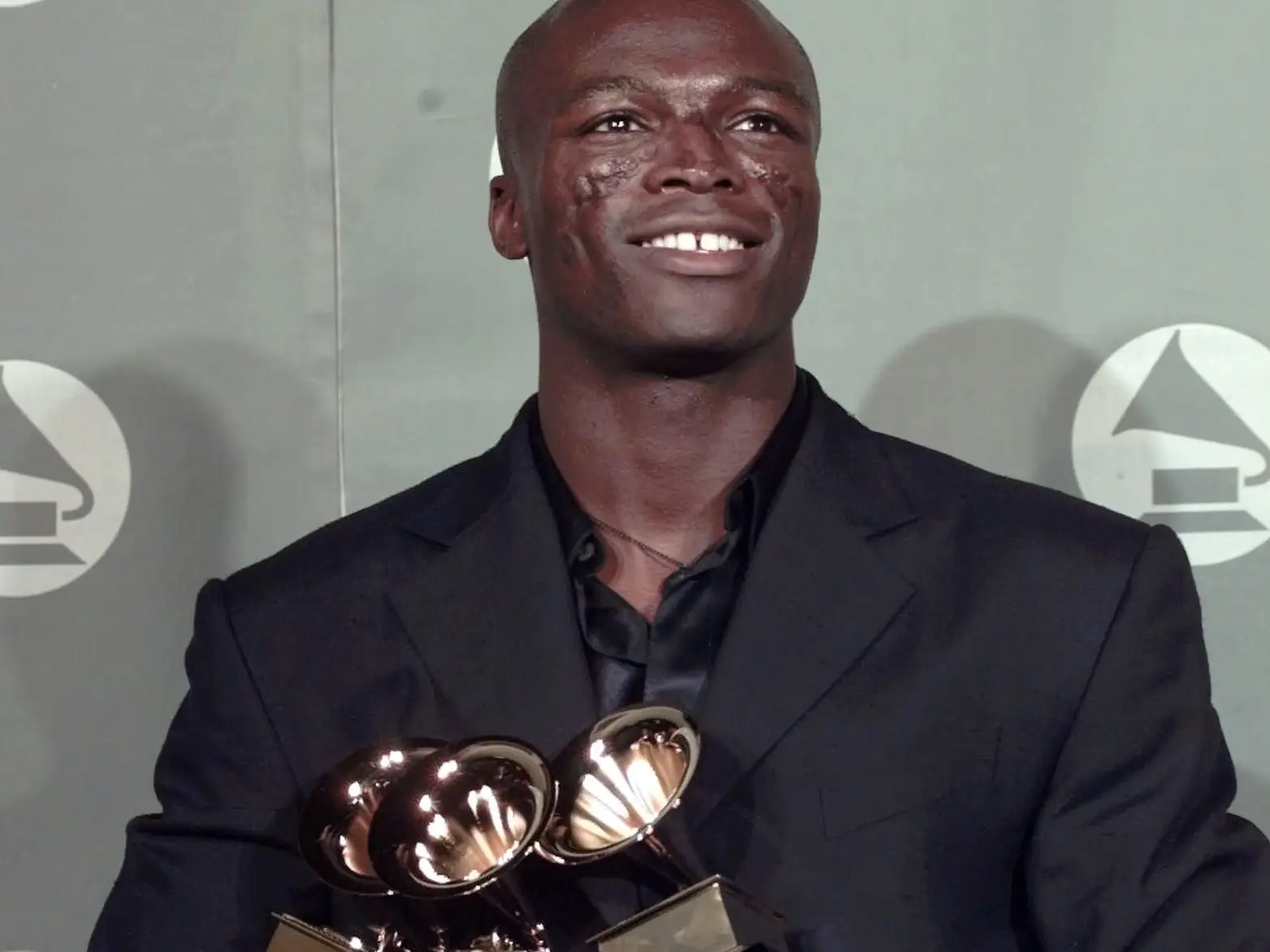
At the 38th Grammys, Seal scored awards for record of the year, song of the year, and best male pop vocal performance. “Kiss From A Rose” also peaked at No. 1 on the Billboard Hot 100 in 1995.
1997: “Change the World” — Eric Clapton

Clapton added to his Grammy wins in 1997 with record of the year, best male pop vocal performance, and best rock instrumental performance.
1998: “Sunny Came Home” — Shawn Colvin
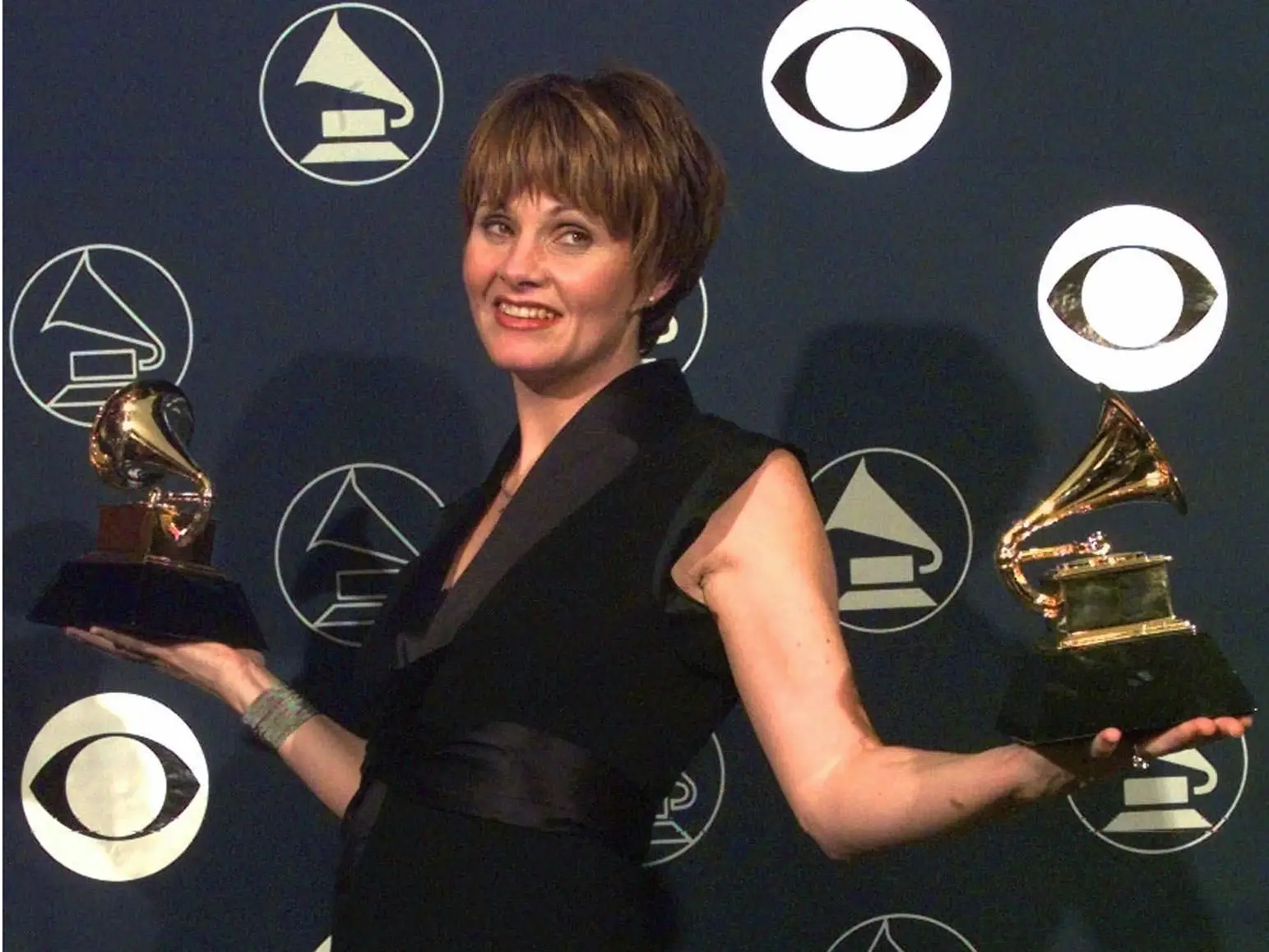
In an interview with The Huffington Post, Colvin explained that the Grammy award-winning track was inspired by the cover art for her 1996 album, “A Few Small Repairs.”
1999: “My Heart Will Go On” (Love Theme From “Titanic”) — Céline Dion
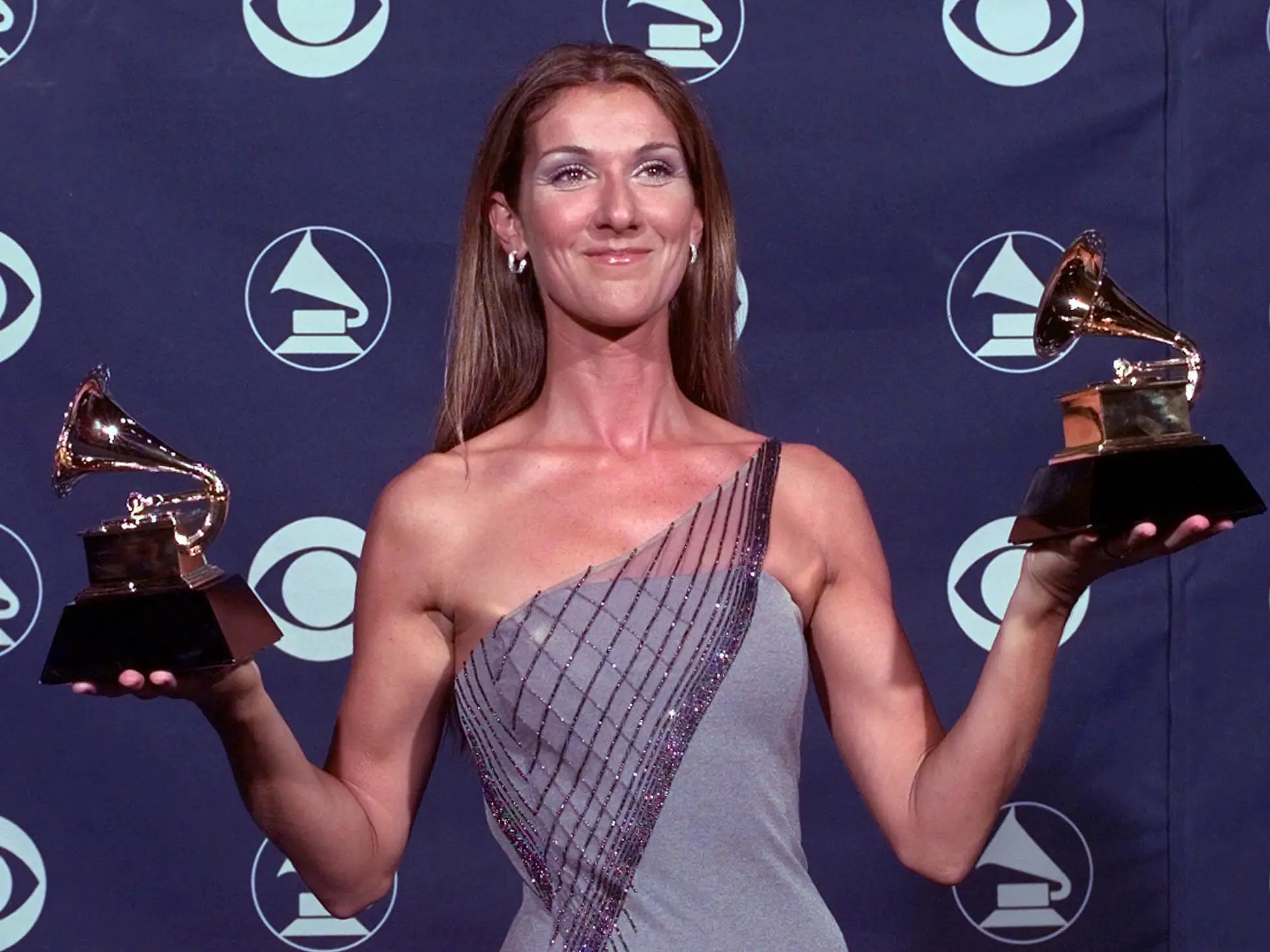
Céline Dion‘s iconic track from “Titanic” earned her two Grammys in 1999: one for record of the year and another for best female pop vocal performance.
2000: “Smooth” — Santana featuring Rob Thomas
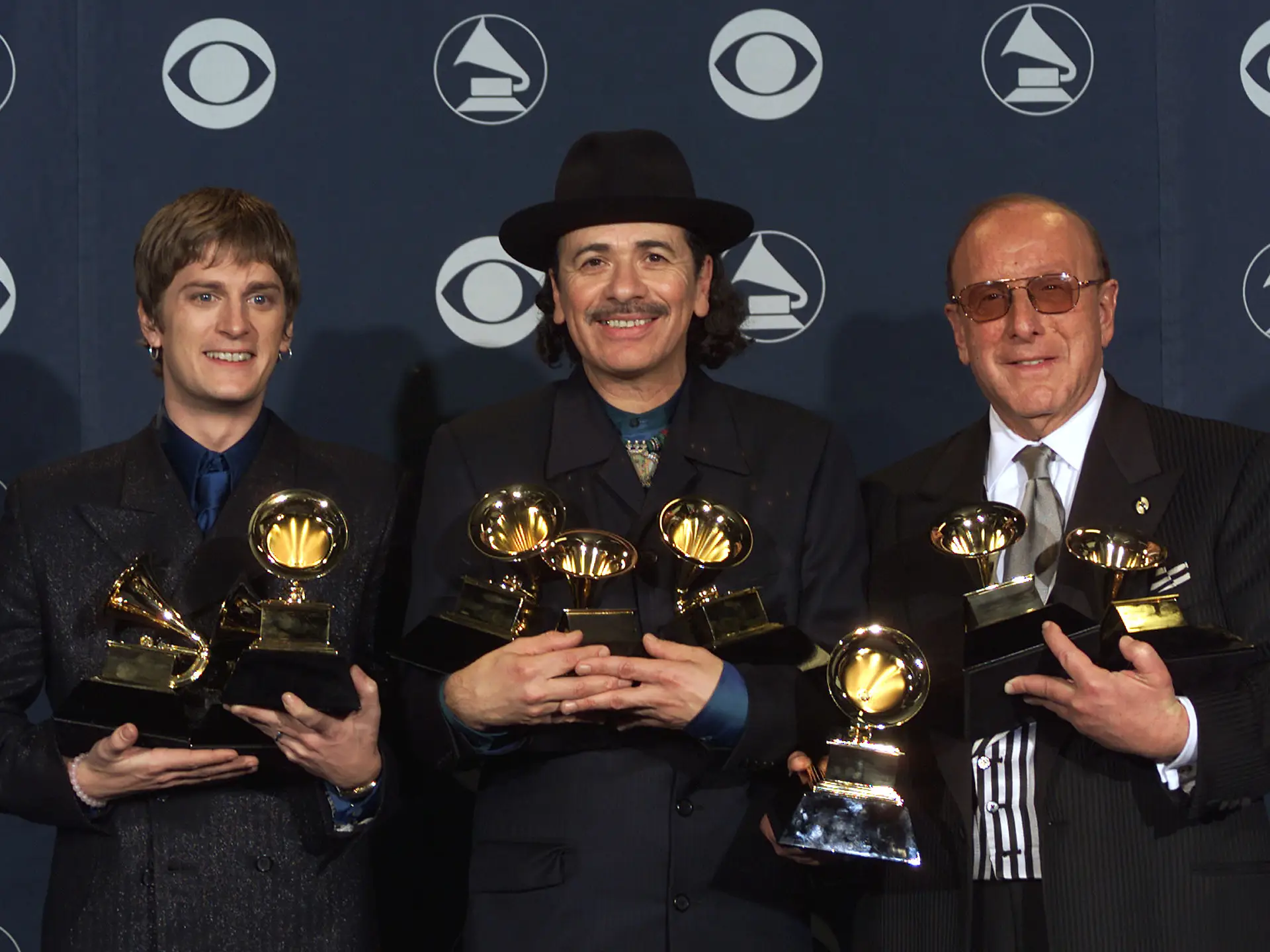
Rob Thomas cowrote “Smooth” after finishing a tour with Matchbox Twenty, and he initially wanted George Michael to sing it.
“Smooth” won awards for record of the year, best pop collaboration with vocals, and song of the year in 2000.
2001: “Beautiful Day” — U2
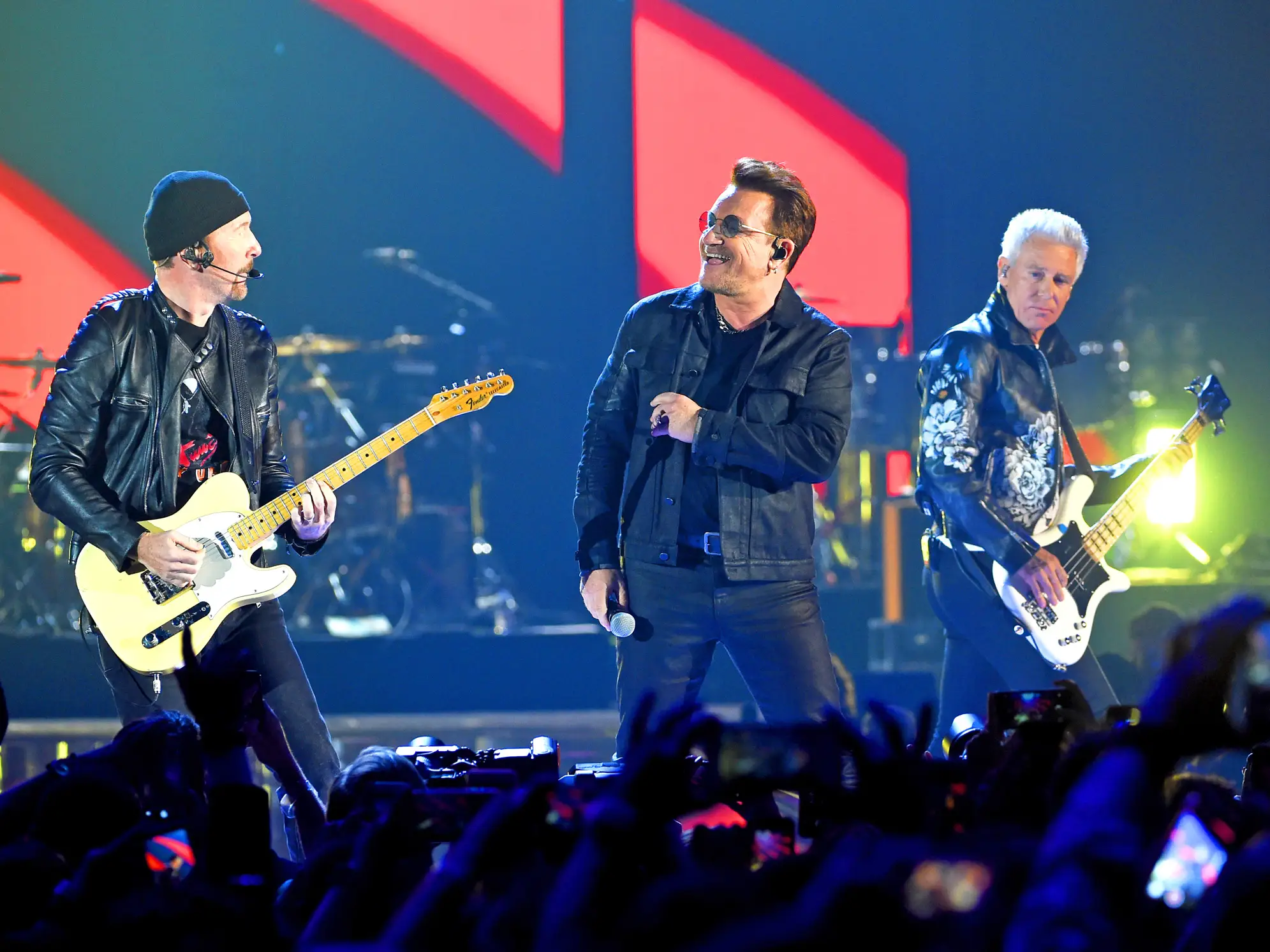
U2 has accumulated more than 20 Grammys. In 2001, they won three Grammys for record of the year, song of the year, and best rock performance by a duo or group with vocal.
2002: “Walk On” — U2
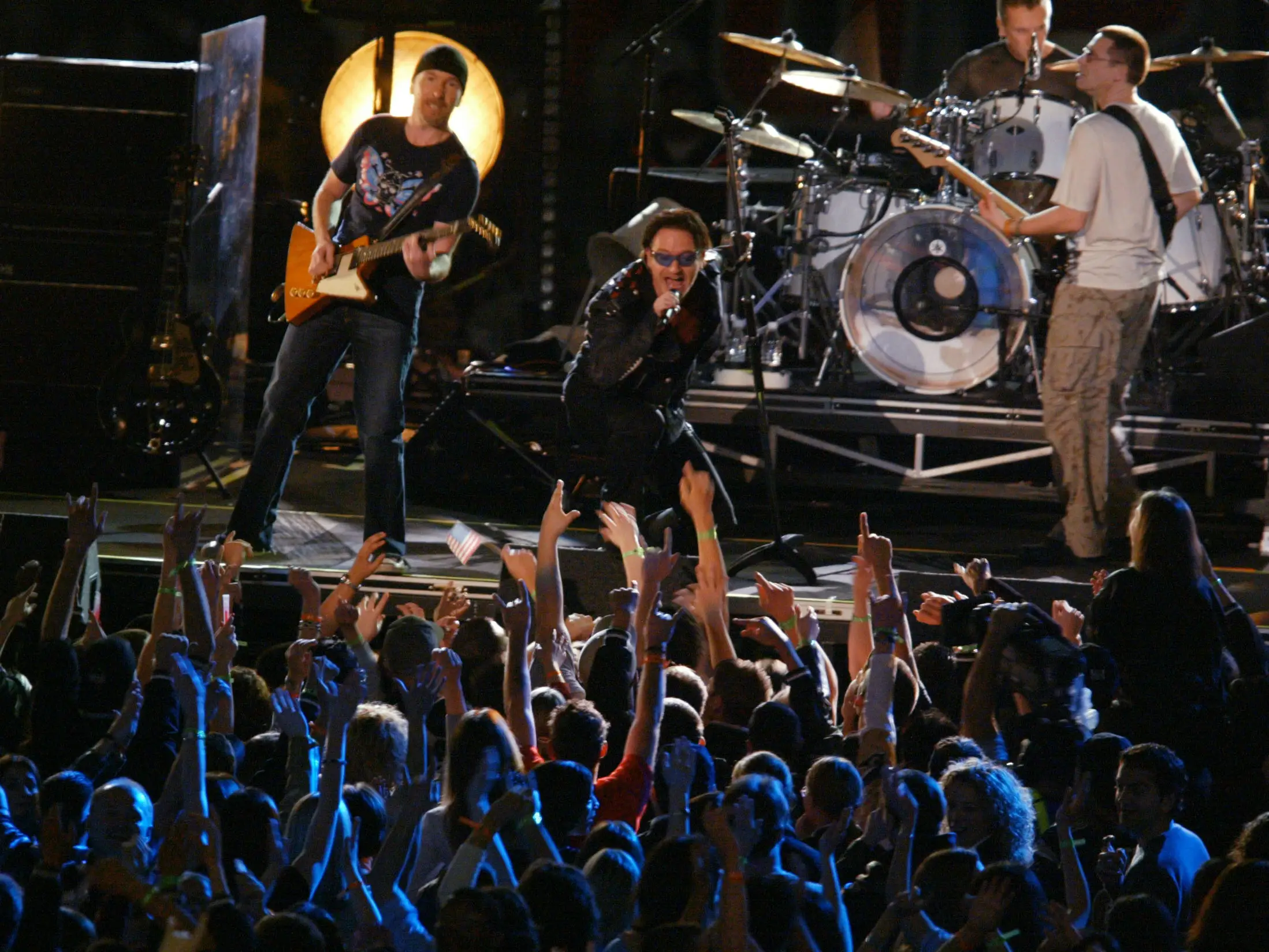
In addition to winning record of the year in 2002, they also won best pop performance by a duo or group with vocal, best rock performance by a duo or group with vocal, and best rock album.
2003: “Don’t Know Why” — Norah Jones
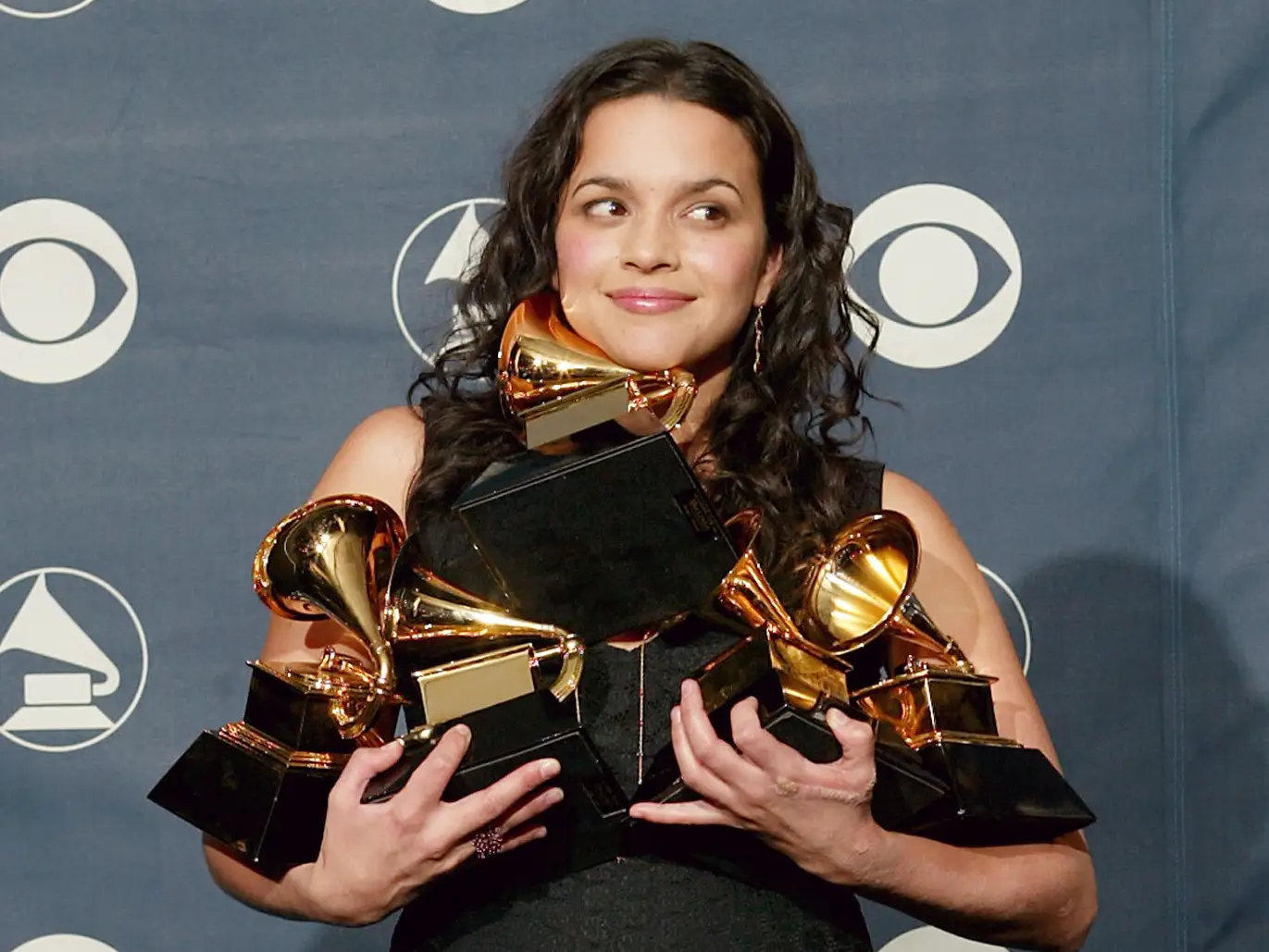
Norah Jones attended her first Grammy Awards show in 2003. That year, Jones won her first five Grammys for record of the year, best pop vocal album of the year, best female pop vocal performance, and album of the year.
2004: “Clocks” — Coldplay

Coldplay won an award for record of the year at the 46th annual Grammys in February 2004.
2005: “Here We Go Again” — Ray Charles and Norah Jones
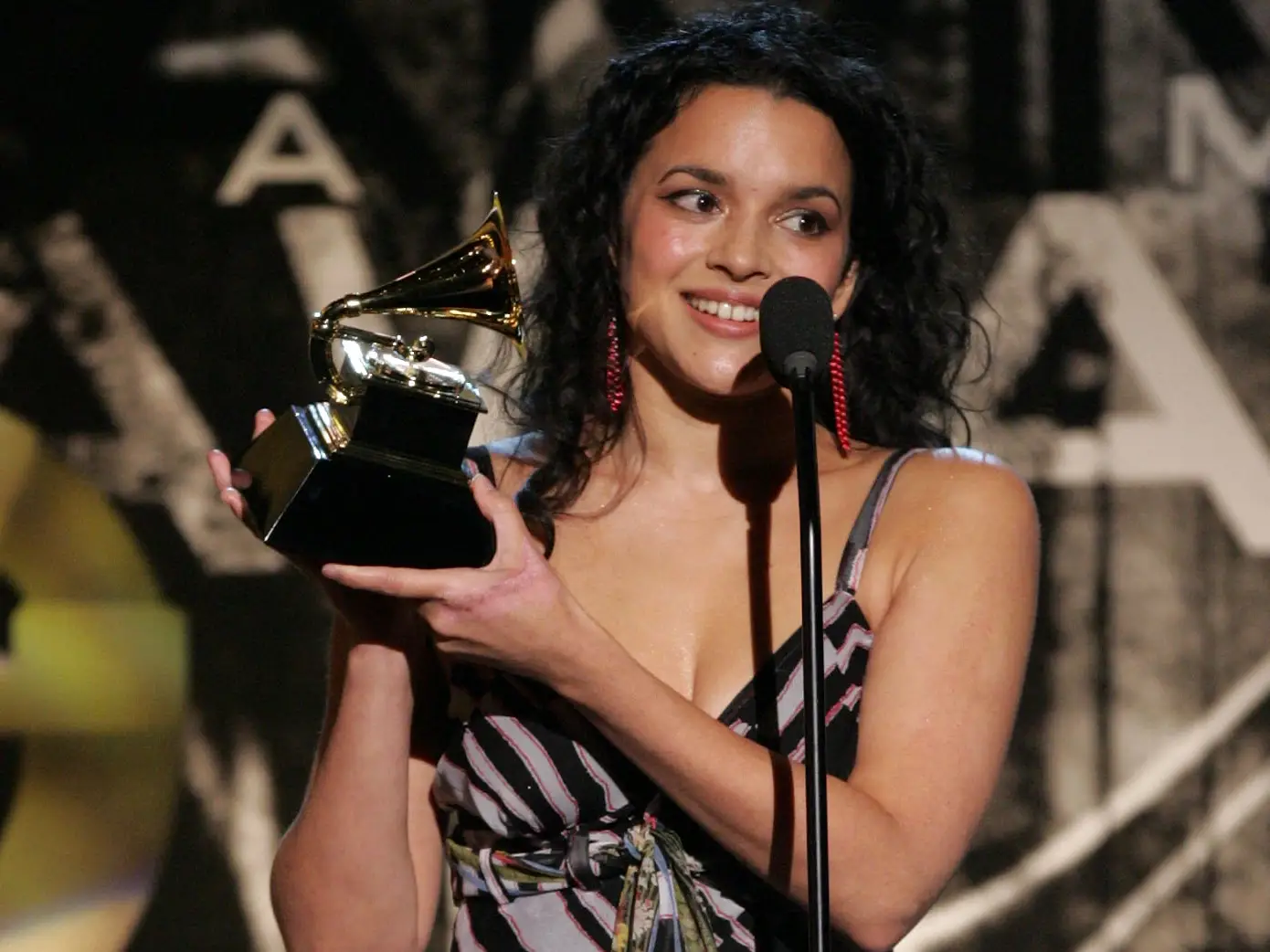
After winning five Grammys in 2003, Norah Jones returned to the stage in 2005 to receive three more awards. She won awards for record of the year, best female pop vocal performance, and best pop collaboration with vocals.
2006: “Boulevard of Broken Dreams” — Green Day
“Boulevard of Broken Dreams” is from Green Day‘s “American Idiot” album, which won the award for best rock album at the 47th Grammys.
2007: “Not Ready to Make Nice” — Dixie Chicks
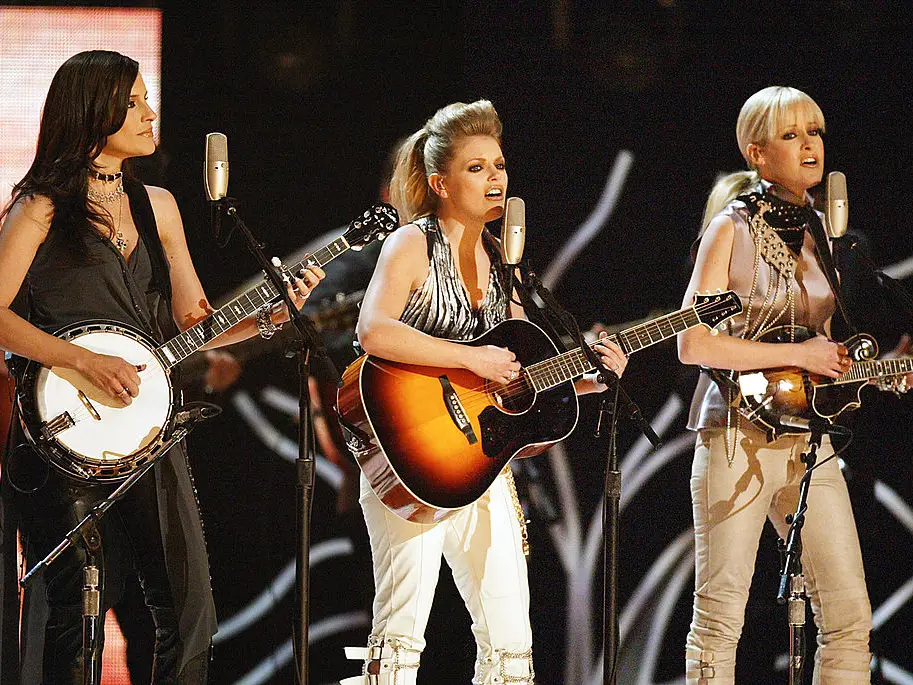
At the 49th Grammys, the Dixie Chicks won awards for record of the year, album of the year, best country performance by a duo or group with vocal, and best country album.
2008: “Rehab” — Amy Winehouse

“Rehab” is from Amy Winehouse‘s sophomore album, “Back to Black.” In addition to record of the year, the track also won the award for song of the year.
2009: “Please Read the Letter” — Robert Plant and Alison Krauss
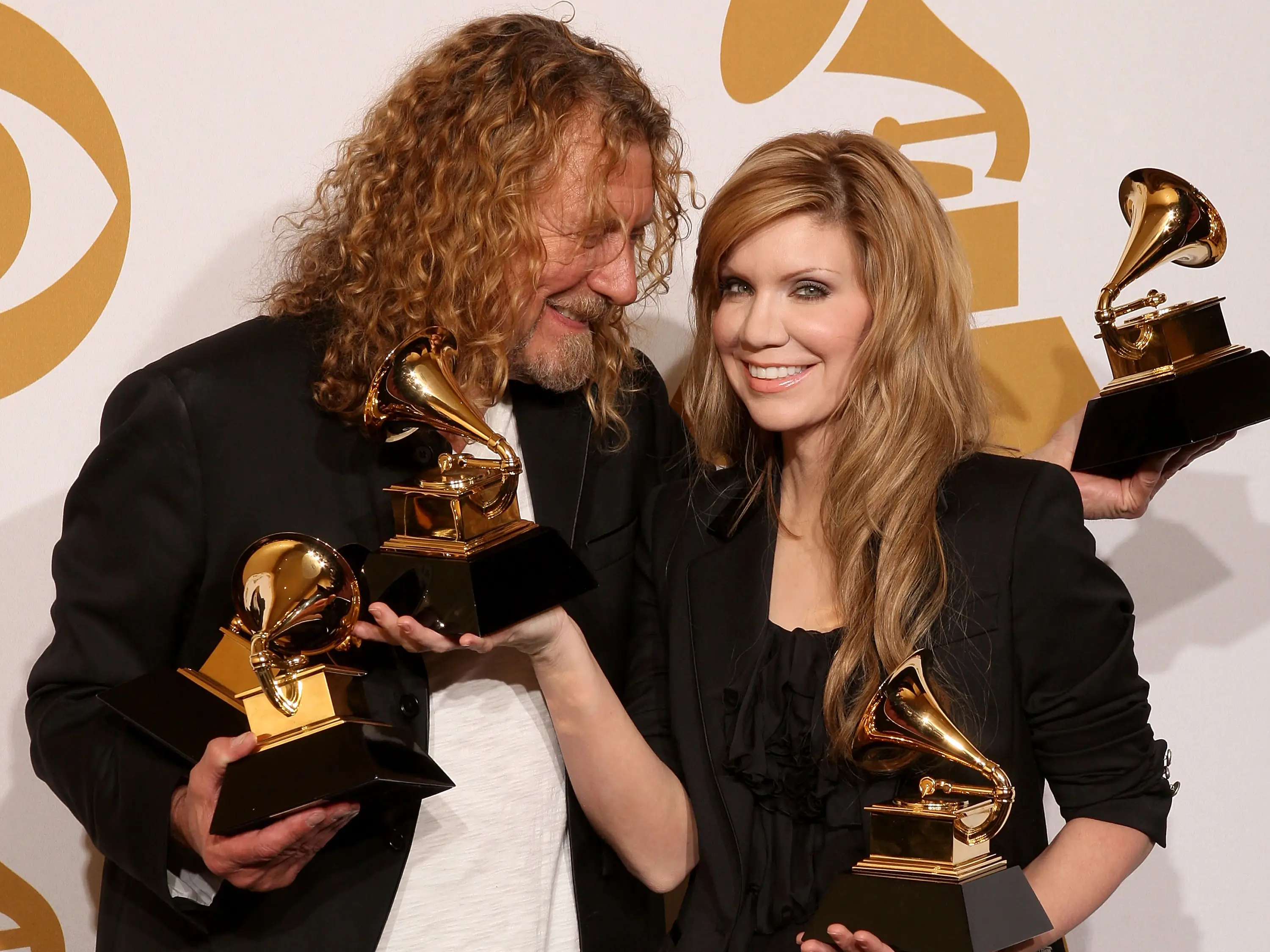
Robert Plant and Alison Krauss were the recipients of a combined five awards at the 51st Grammys: record of the year, album of the year, best country collaboration with vocals, best pop collaboration with vocals, and best contemporary folk/Americana album.
2010: “Use Somebody” — Kings of Leon
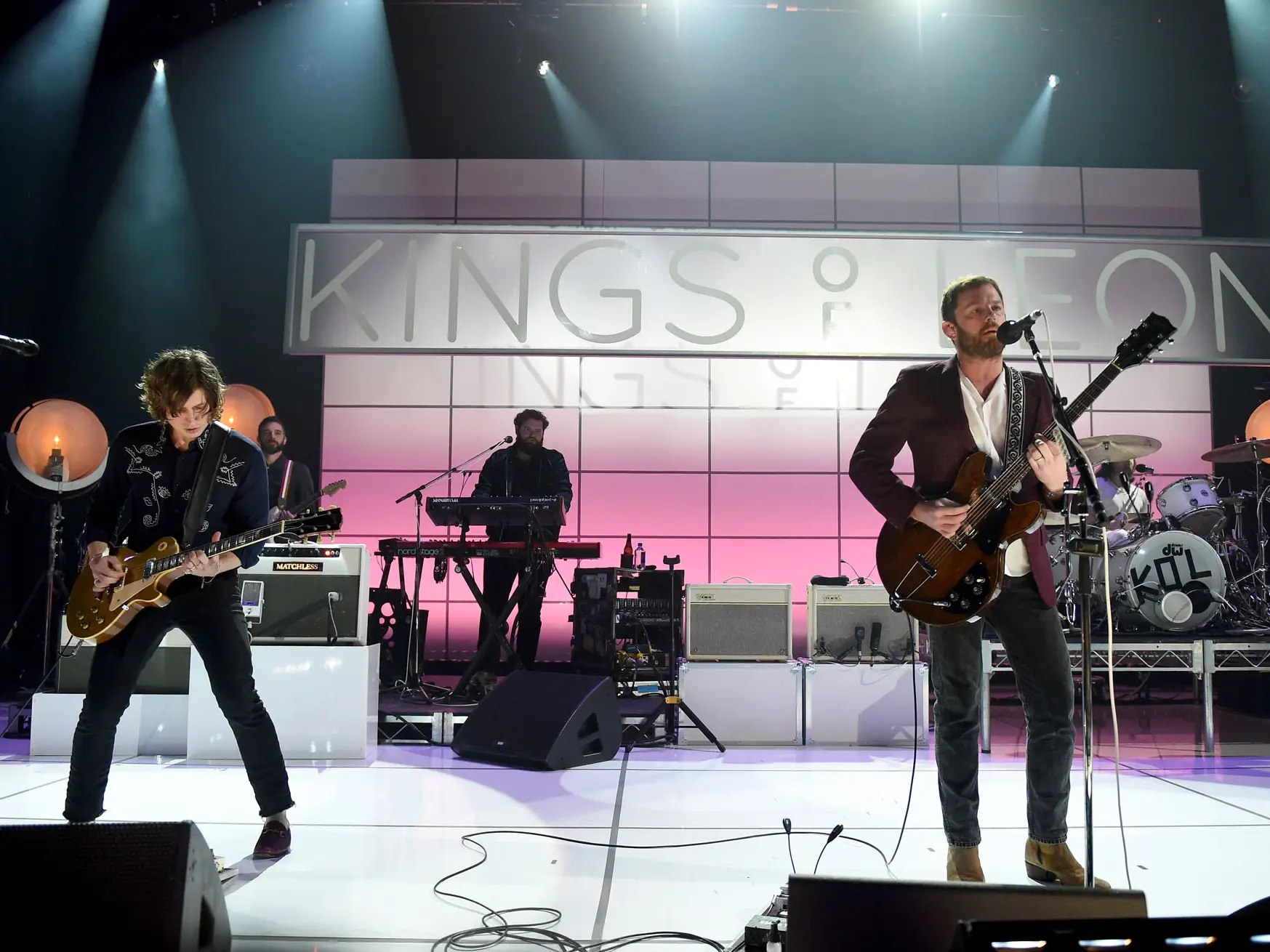
“Use Somebody” won awards for record of the year and best rock performance by a duo or group with vocals at the 52nd Grammy Awards.
2011: “Need You Now” — Lady Antebellum
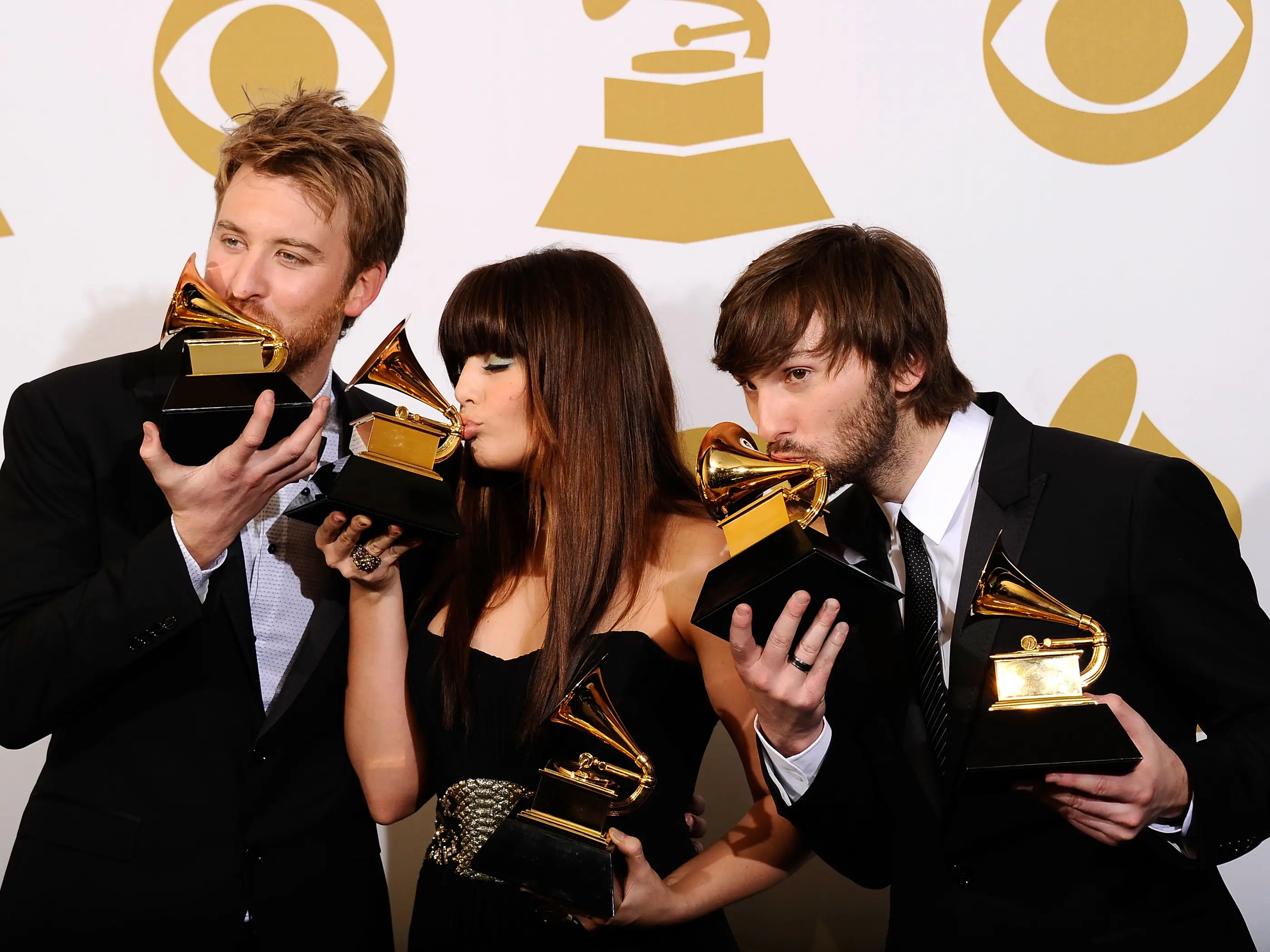
In addition to winning record of the year, Lady Antebellum also won Grammys for best country performance by a duo or group with vocals, best country album, song of the year, and best country song.
2012: “Rolling in the Deep” — Adele
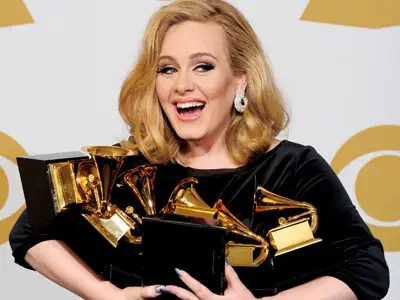
“Rolling in the Deep” is one of the most-recognized songs from Adele‘s sophomore album, “21,” and also won the award for song of the year at the 54th Grammy Awards.
2013: “Somebody That I Used to Know” — Gotye featuring Kimbra
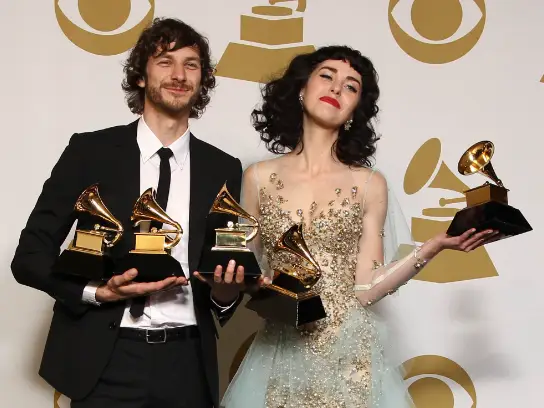
Gotye and Kimbra’s “Somebody That I Used to Know” earned them Grammys for record of the year and best pop duo/group performance in 2013.
2014: “Get Lucky” — Daft Punk featuring Pharrell Williams and Nile Rodgers
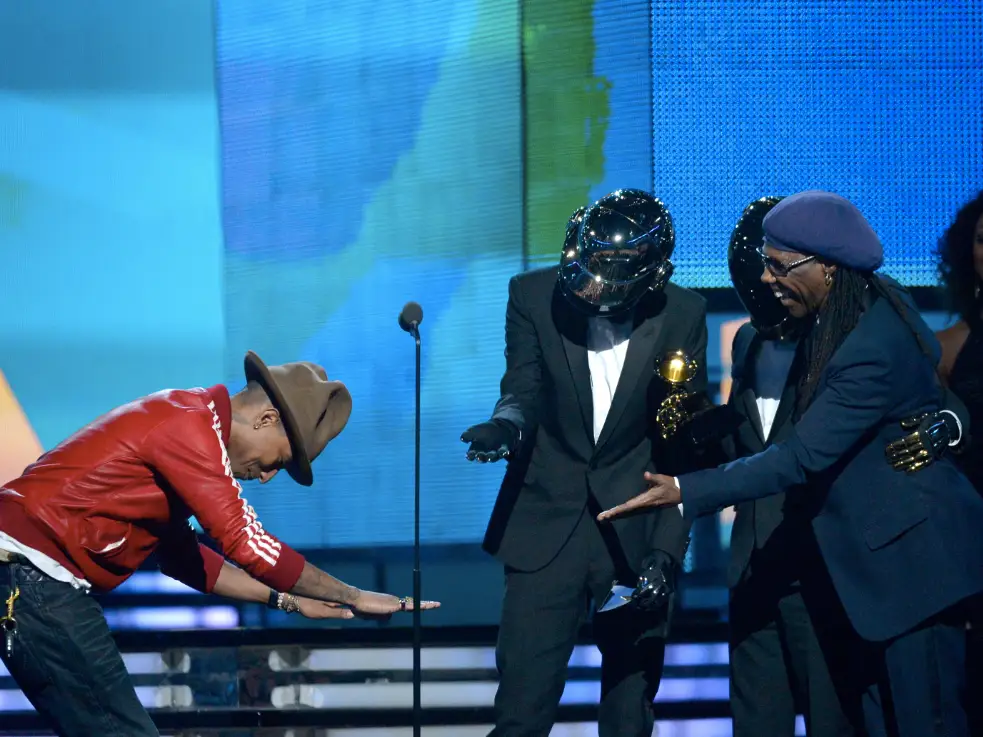
Daft Punk received the award for record of the year in 2014. “Get Lucky” also peaked at No. 2 on the Billboard Hot 100 in 2013.
2015: “Stay With Me” (Darkchild Version) — Sam Smith
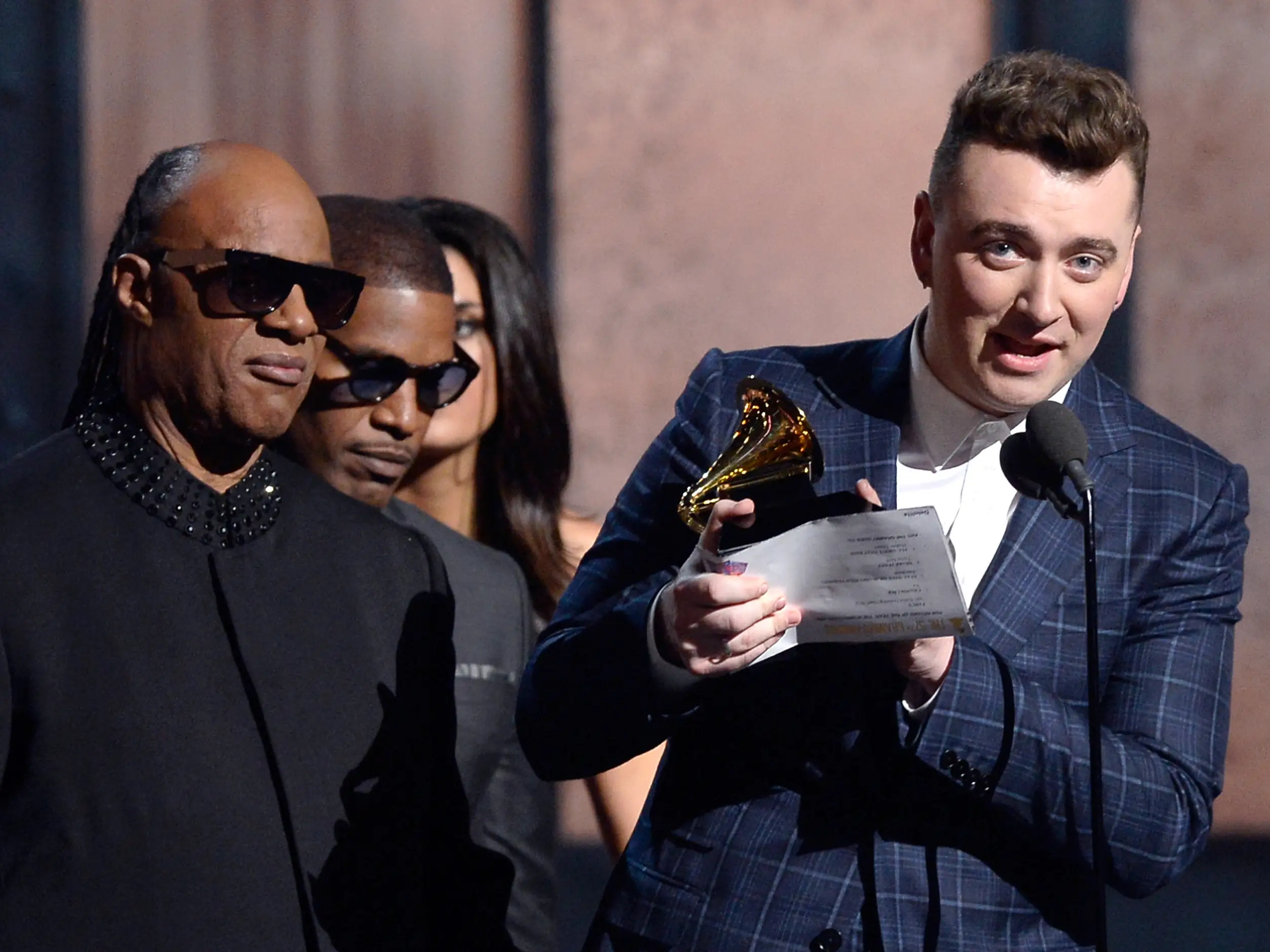
“Stay With Me” is from Sam Smith‘s debut album, ‘The Lonely Hour.” At the 57th Grammys, Smith won awards for record of the year, song of the year, and best pop vocal album.
2016: “Uptown Funk” — Mark Ronson featuring Bruno Mars
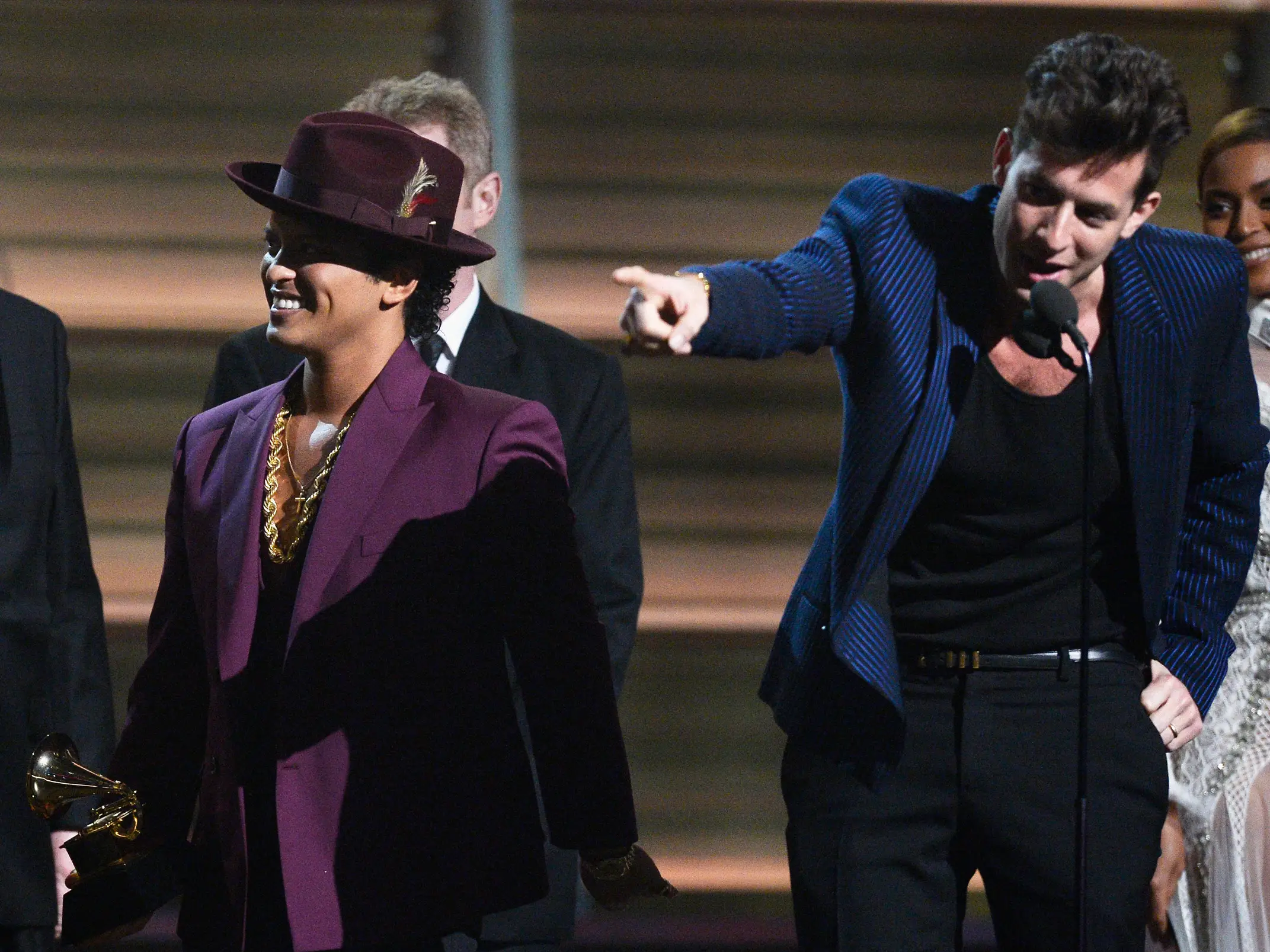
“Uptown Funk” was released as a single in November 2014, topped the music charts for weeks, and reached diamond status. The hit was also performed at the 2016 Super Bowl Halftime Show.
2017: “Hello” — Adele
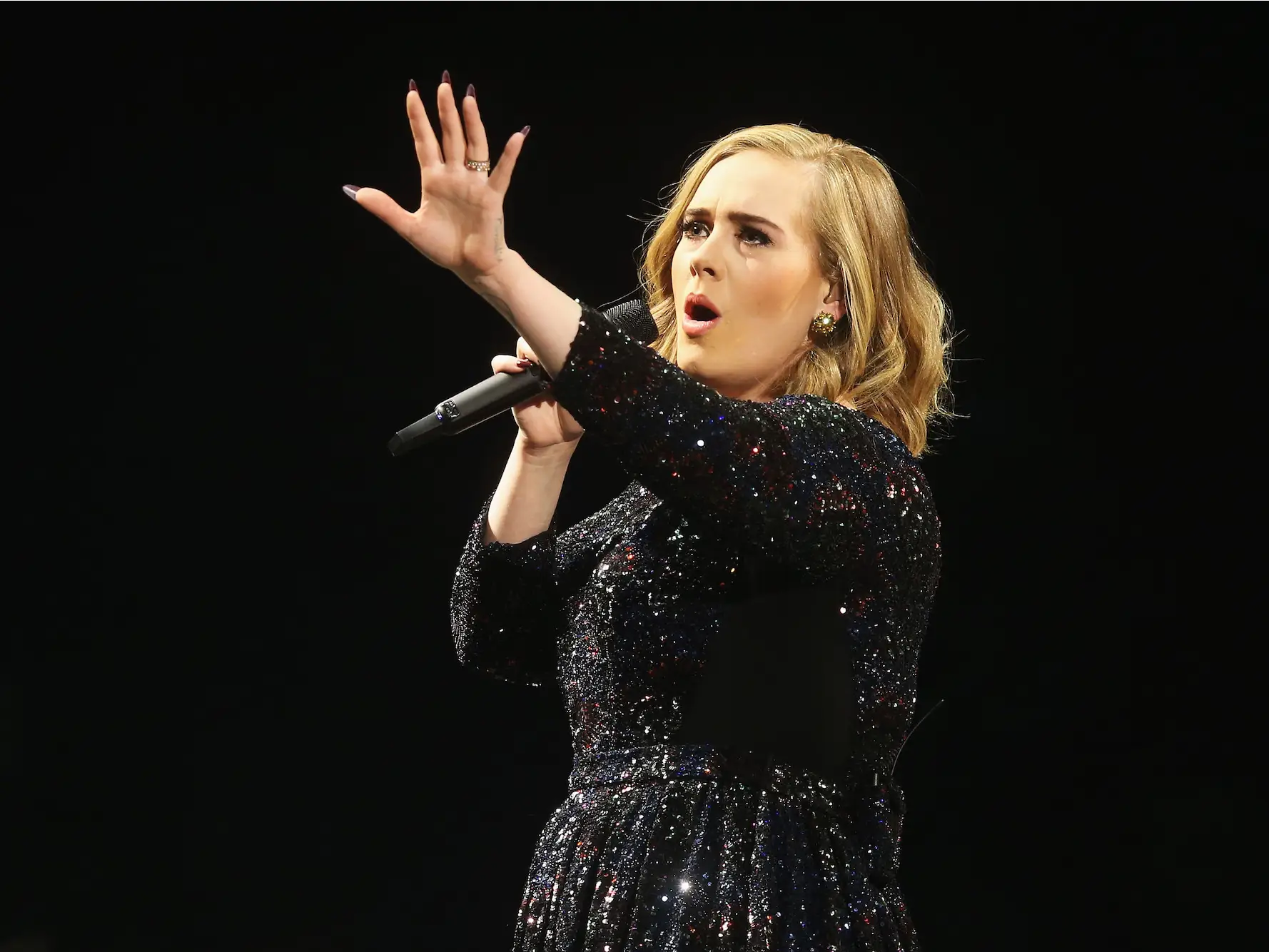
“Hello” was the first track Adele released from her 2015 album, “25,” and it smashed plenty of records. The music video also became one of the most-watched on YouTube, with over 2 billion views.
2018: “24K Magic” — Bruno Mars
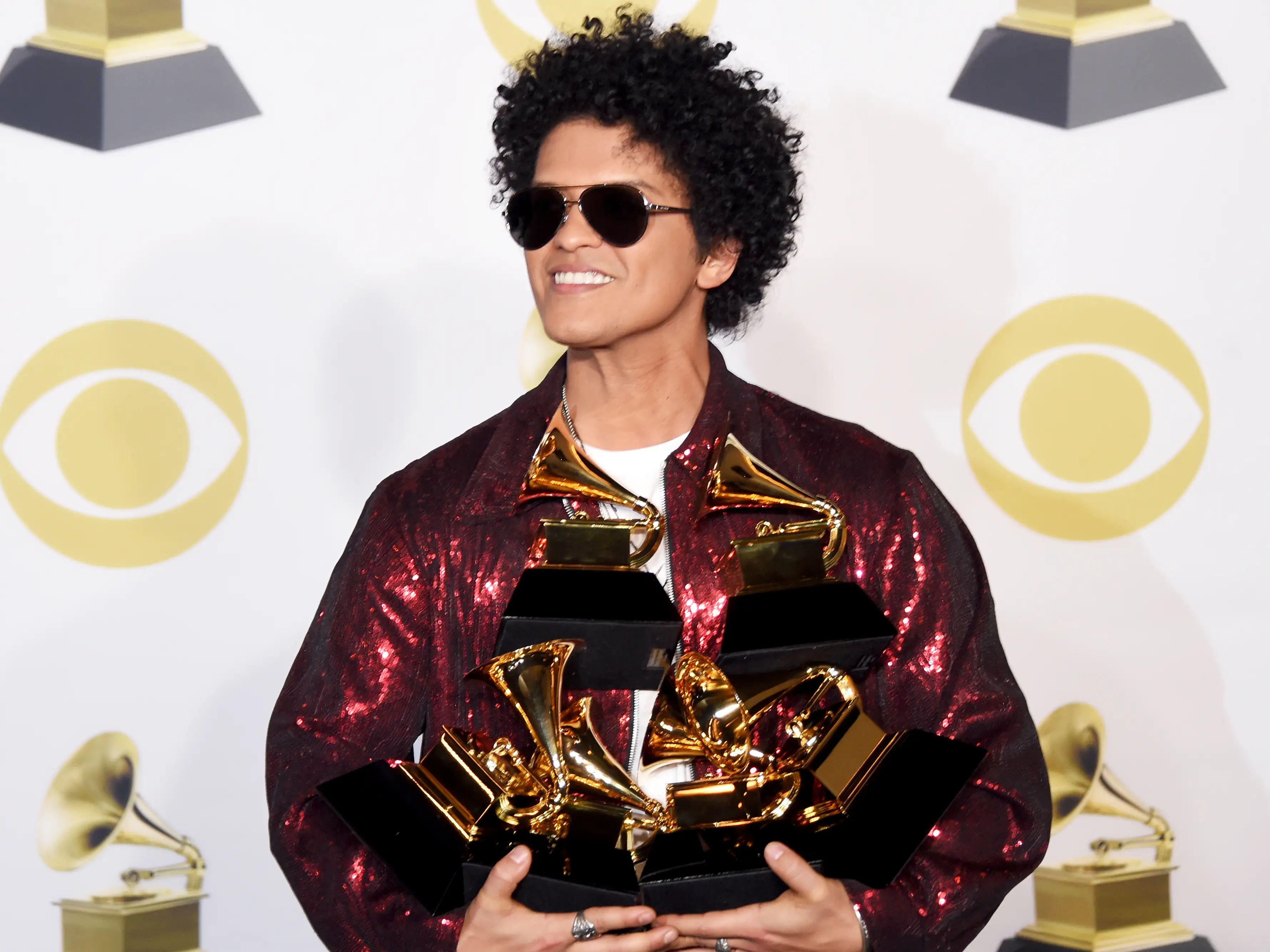
At the 60th Grammys, Mars received awards for record of the year, album of the year, song of the year, best R&B performance, and best R&B album.
2019: “This Is America” — Childish Gambino
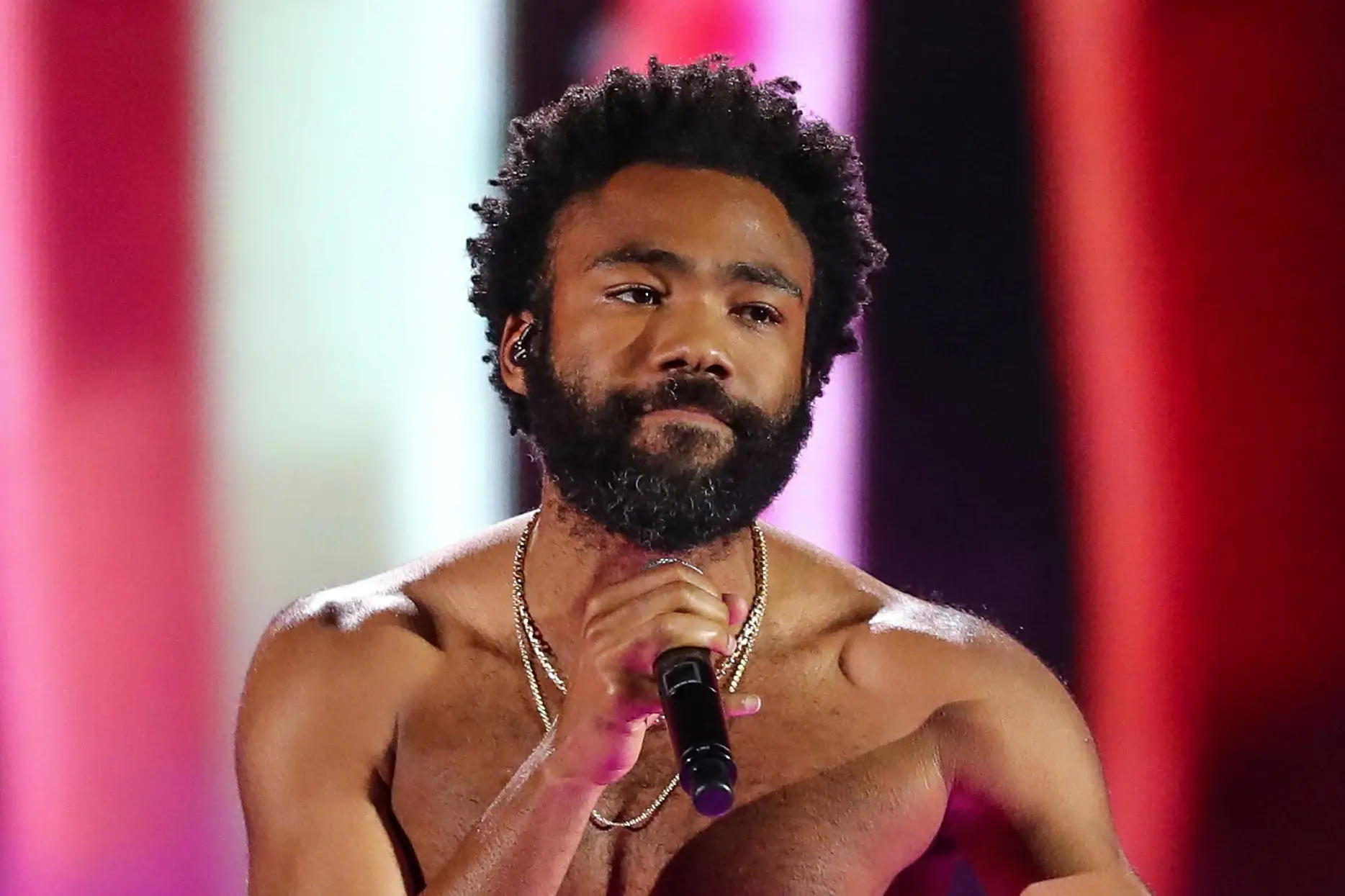
At the 2019 Grammys, Childish Gambino’s “This Is America” made history after winning song of the year and record of the year. The wins were also notable because they marked the first time a hip-hop song beat the competition in those major categories.
2020: “Bad Guy” — Billie Eilish
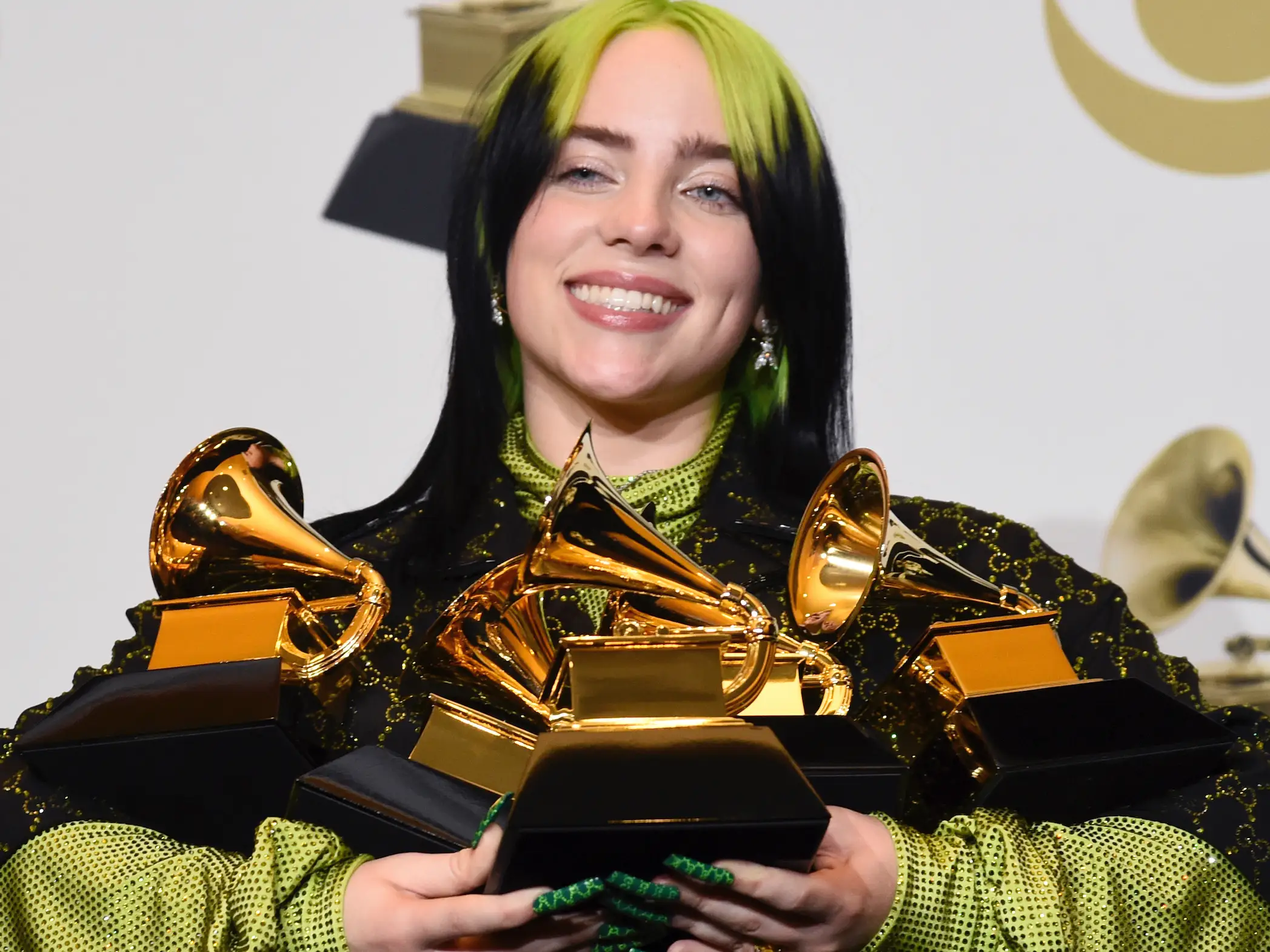
Billie Eilish made history at the 2020 Grammys, becoming the second person ever to win awards in all four major categories during the same year.
Eilish won five of the six awards she was nominated for at the 62nd Grammys: best pop vocal album, best new artist, song of the year, album of the year, and record of the year.
2021: “Everything I Wanted” — Billie Eilish
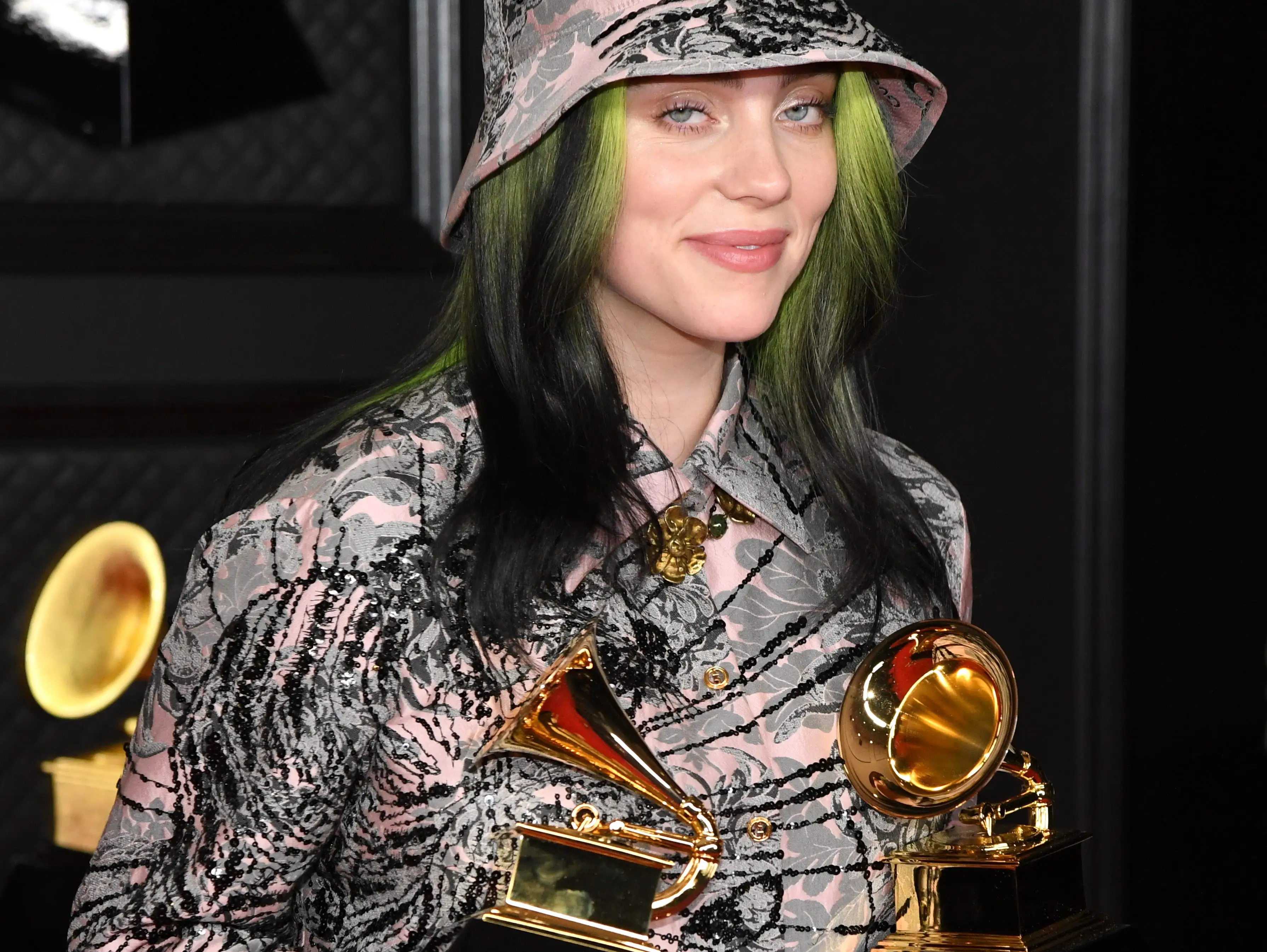
Eilish won the same award again in 2021, this time for the track “Everything I Wanted,” which was cowritten by her and her brother Finneas O’Connell.
That year Eilish also won the award for best song written for visual media for the track “No Time to Die,” from the James Bond movie of the same name.
2022: “Leave the Door Open” — Silk Sonic
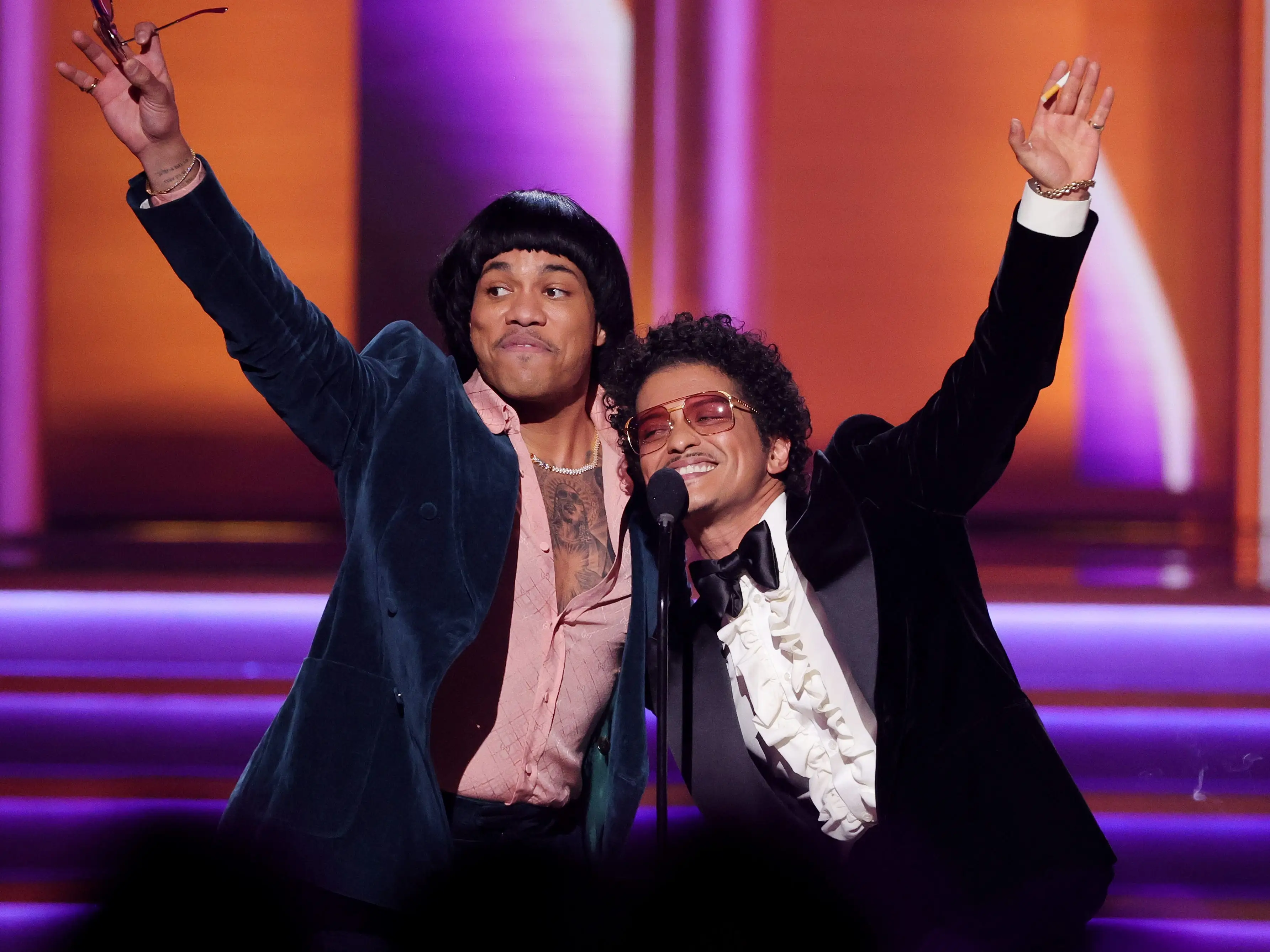
Silk Sonic, the musical duo comprised of Anderson .Paak and Bruno Mars, were delighted to take home the award at the 2022 Grammys.
“Leave the Door Open” is from their 2021 studio album titled “An Evening With Silk Sonic.”
2023: “About Damn Time” — Lizzo
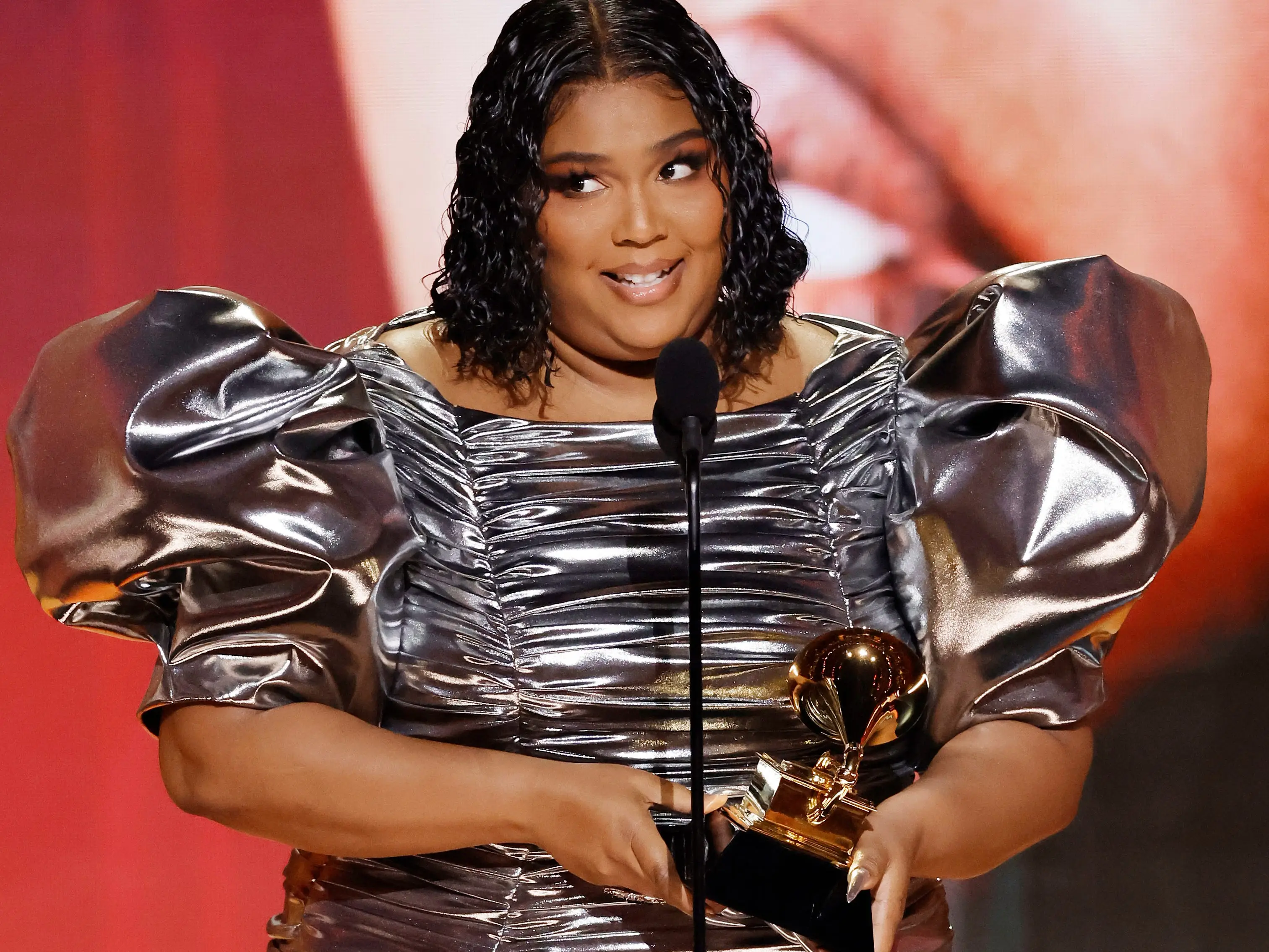
Lizzo was shocked and overjoyed to win the award for record of the year for her upbeat track “About Damn Time” at the 65th Grammys.
Lizzo dedicated her award to the late legendary musician Prince and said that after his death, she “decided to dedicate my life to making positive music.”
2024: “Flowers” — Miley Cyrus
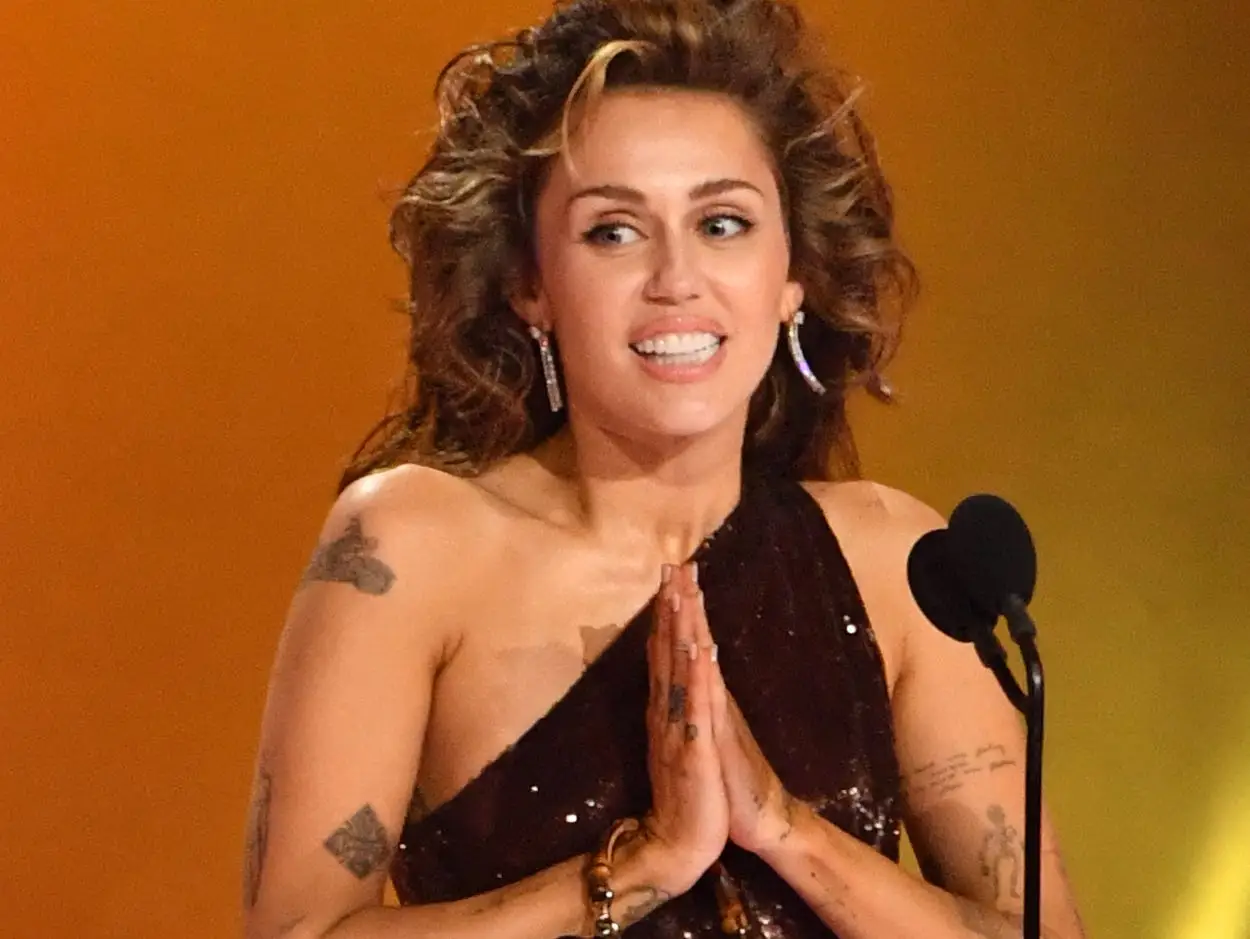
Cyrus’ hit song “Flowers” from her album “Endless Summer Vacation” led her to win her first Grammys at the 2024 ceremony, for record of the year and best pop solo performance.
“This award is amazing. But I really hope that it doesn’t change anything because my life was beautiful yesterday. Not everyone in the world will get a Grammy, but everyone in this world is spectacular,” she said while accepting the award for record of the year. “So please don’t think that this is important, even though it’s very important, right guys?”
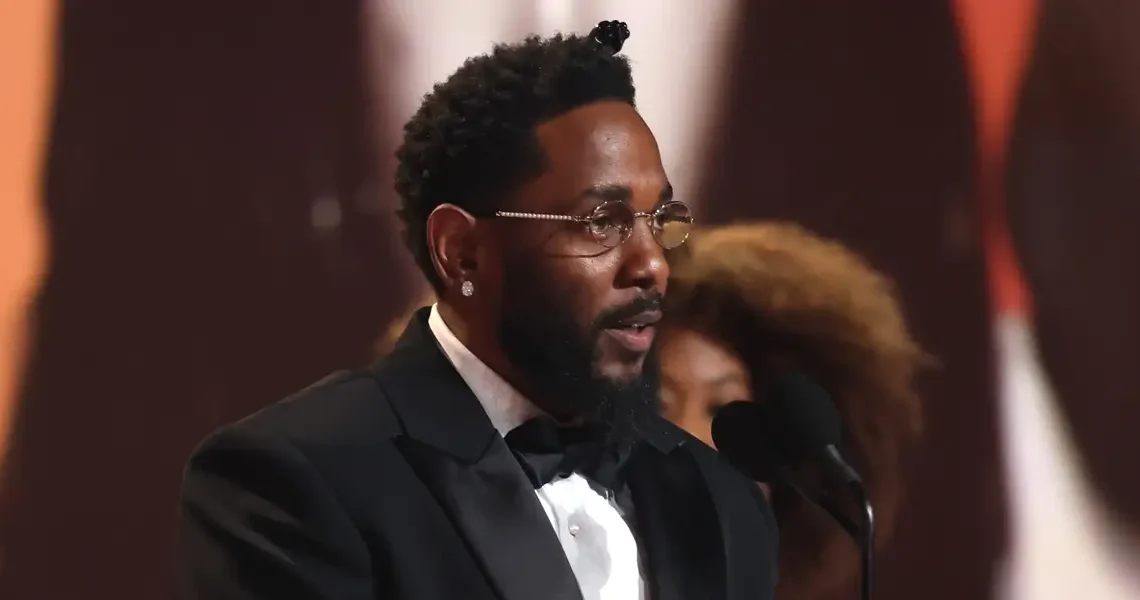
2025: “Not Like Us” — Kendrick Lamar
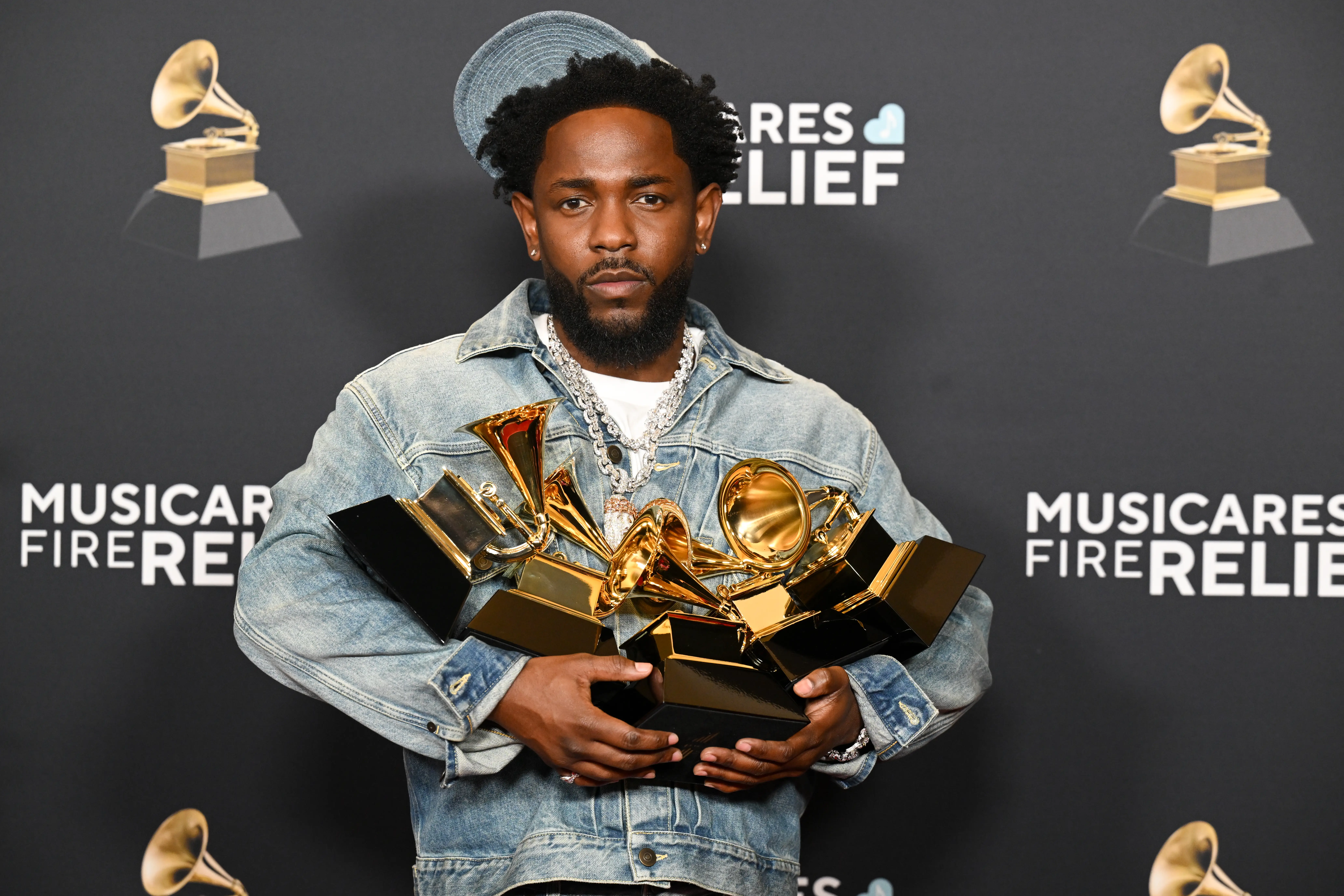
Kendrick Lamar‘s diss track “Not Like Us,” aimed at Drake (and named the fourth-best song of 2024 by Business Insider), swept the 2025 Grammys.
In addition to winning record of the year, the track also won song of the year, best rap performance, best rap song, and best music video.
2026: “Luther” — Kendrick Lamar and SZA
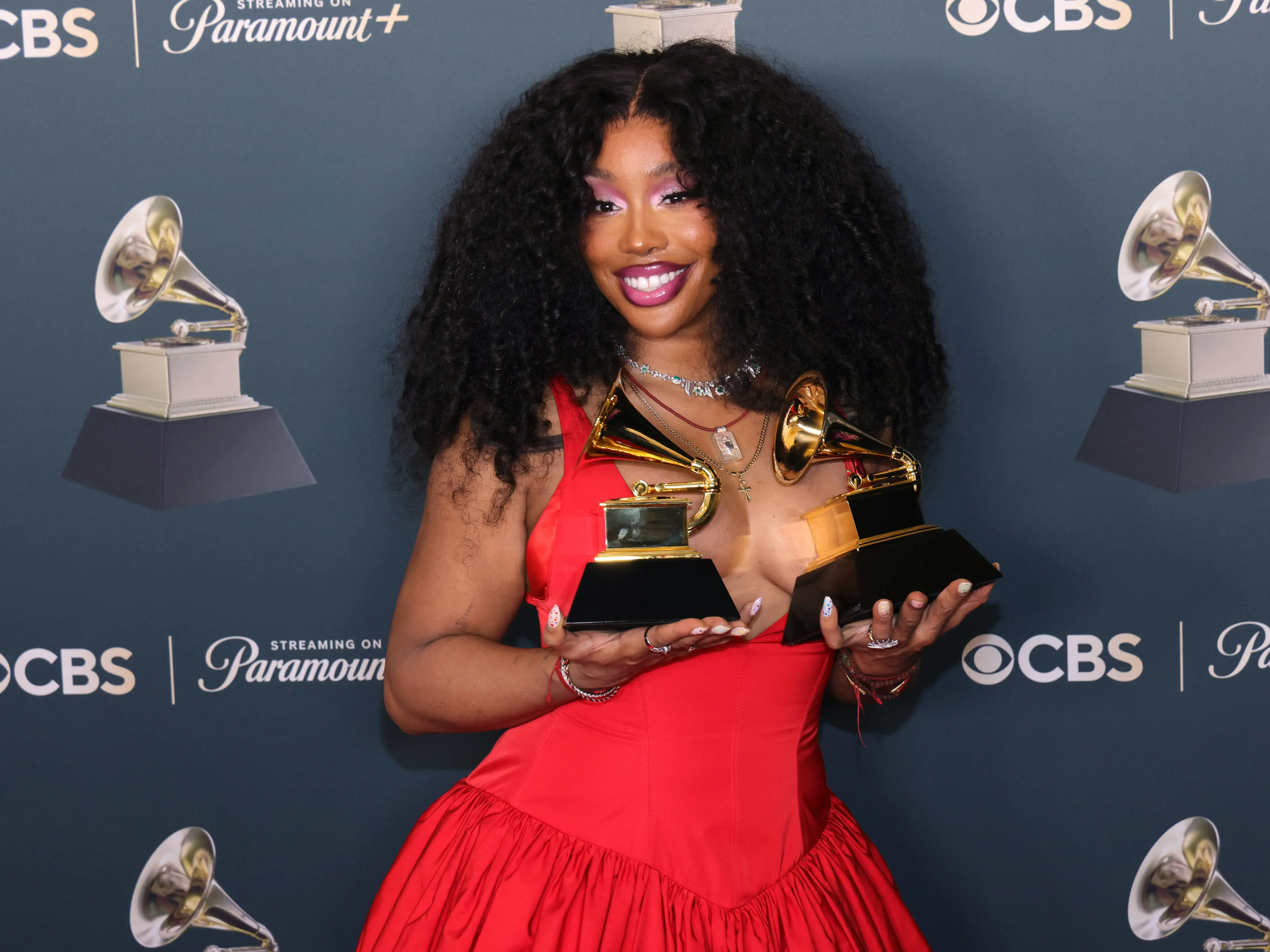
Kendrick Lamar and SZA took home record of the year at the 2026 Grammy Awards, earning one of the night’s top honors for their chart-topping collaboration “Luther,” which appeared on Lamar’s album “GNX.”
There was some confusion at the ceremony when Cher, who presented the category, announced R&B legend Luther Vandross as the winner before correcting herself and naming Lamar as the winner.
Read the original article on Business Insider
The post Every song that’s won record of the year at the Grammys appeared first on Business Insider.