Gen Z has managed something no modern generation pulled off before. After more than a century of steady academic gains, test scores finally went the other direction. For the first time ever, a new generation is officially dumber than the previous one.
The data comes from neuroscientist Jared Cooney Horvath, who has spent years reviewing standardized testing results across age groups. “They’re the first generation in modern history to score lower on standardized academic tests than the one before it,” Horvath told the New York Post. The declines cut across attention, memory, literacy, numeracy, executive function, and general IQ. That’s not just one weak spot. That’s the whole darn dashboard blinking at once.
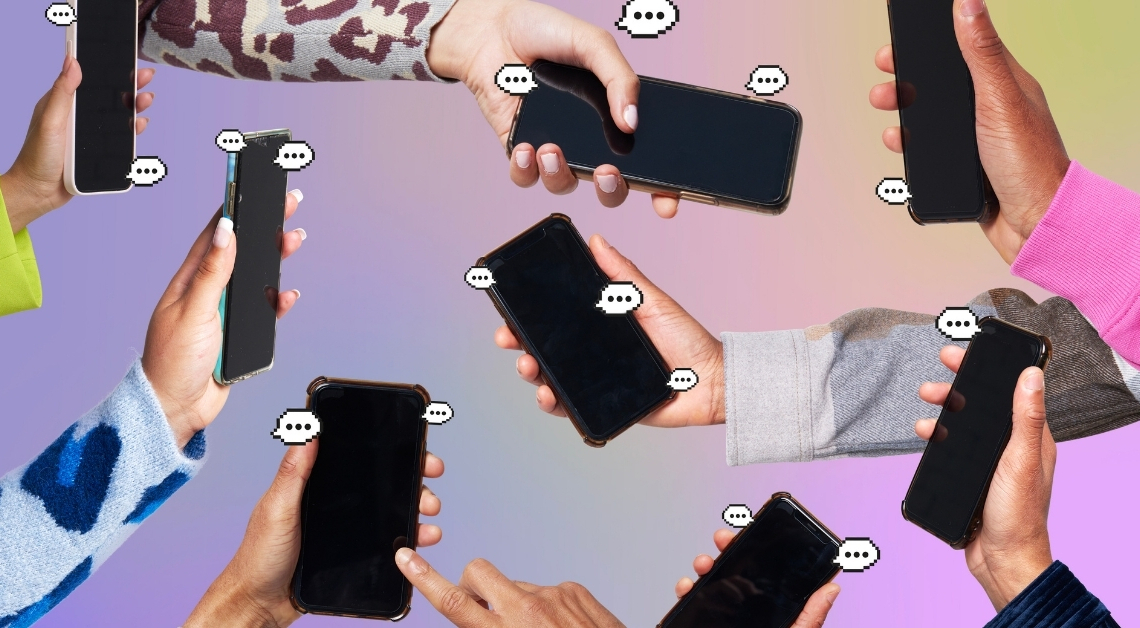
Horvath took the same message to Capitol Hill during a 2026 Senate hearing on screen time and children. His framing skipped the generational dunking and focused on exposure. “More than half of the time a teenager is awake, half of it is spent staring at a screen,” he told lawmakers. Human learning, he argued, depends on sustained attention and interaction with other people. Endless feeds and condensed content don’t offer either.
Is Gen Z Really Dumber Than Their Parents?
Schools leaned hard into technology during the same window. Educational software replaced textbooks, long readings, and extended problem-solving. After class, students returned to phones, tablets, and laptops, bouncing between social feeds and bite-sized explanations of material they never sat with for very long. Horvath described the outcome as students trained to skim. Skimming feels efficient, but it doesn’t build depth.
“I’m not anti-tech. I’m pro-rigor,” Horvath told the Post. Rigor, in his view, comes from friction. Reading full texts. Working through confusion. Spending time with material that doesn’t immediately reward you. Take that friction away, and cognitive skills dull. Brains adapt to the environment they’re given, and this one prizes speed over staying power.
The same decline appears outside the United States. Horvath told senators that across roughly 80 countries, academic performance drops after digital technology becomes widely embedded in classrooms. The timing alone raises serious questions about how learning environments affect cognitive development.
Now, this is awkward. Horvath said many young people remain highly confident in their intelligence despite lower measured performance. Confidence isn’t the issue. Confidence without correction stalls improvement.
This conversation feels uncomfortable because it doesn’t offer villains or easy fixes. Horvath summed it up bluntly during his testimony. “A sad fact our generation has to face is this: Our kids are less cognitively capable than we were at their age.” His recommendation focused on restraint, dialing back screens in schools, and restoring depth before the next generation is doomed.
The post Gen Z Is the First Generation Dumber Than Their Parents, Neuroscientist Claims appeared first on VICE.