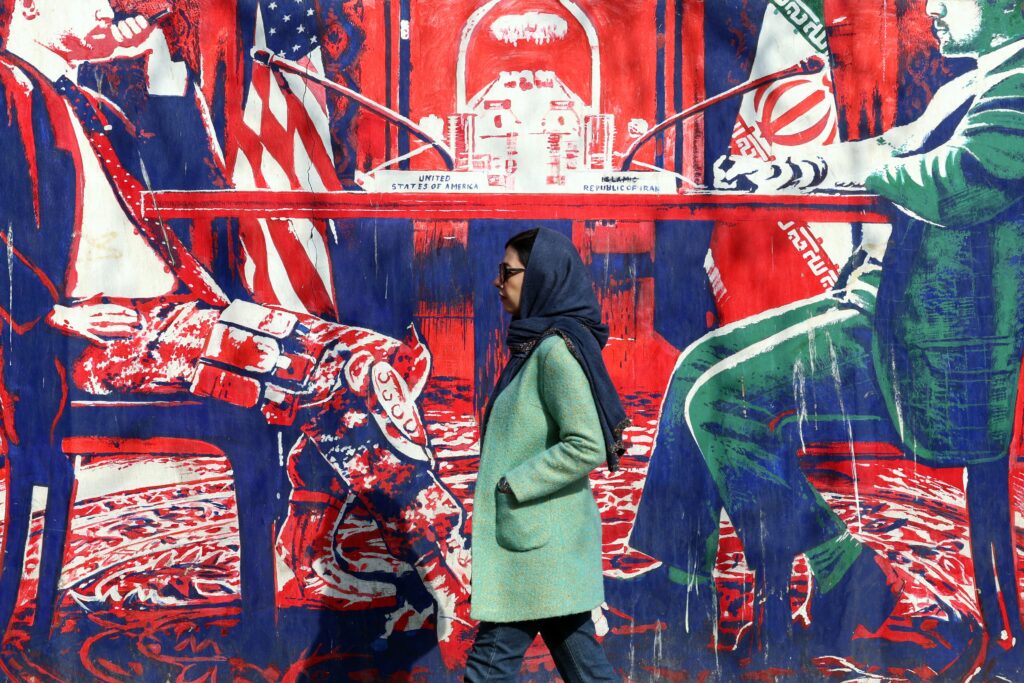
Talks between U.S. and Iranian representatives over the fate of Tehran’s nuclear program are due to take place in Oman on Friday, negotiations that show the Trump administration is still searching for a way to contain Iran’s nuclear ambitions eight months after U.S. missile strikes.
Iranian Foreign Minister Abbas Araghchi confirmed earlier this week the talks would take place in Muscat, the Omani capital, on Friday.
“Iran enters diplomacy with open eyes and a steady memory of the past year,” he said in a post on X hours before talks were due to begin. “We engage in good faith and stand firm on our rights. Commitments need to be honored. Equal standing, mutual respect and mutual interest are not rhetoric — they are a must and the pillars of a durable agreement.”
On Friday, President Donald Trump’s special envoy, Steve Witkoff, and adviser Jared Kushner met with Omani Foreign Affairs Minister Badr Albusaidi, the minister’s office confirmed. The minister also held talks with the Iranian delegation, led by Araghchi.
The negotiations come amid renewed tensions between the two nations following U.S. strikes on Iran’s nuclear facilities last June and are aimed at staving off a wider military conflict between the two nations.
White House press secretary Karoline Leavitt said at a press briefing on Thursday that Trump’s goal was to see Iran with “zero nuclear capability.”
“While these negotiations are taking place, I would remind the Iranian regime that the president has many options at his disposal aside from diplomacy as the commander in chief of the most powerful military in the history of the world,” she said.
On Wednesday, U.S. Secretary of State Marco Rubio said the agenda for talks would have to include elements such as Iran’s nuclear program, ballistic missiles, regional proxies and treatment of Iranian nationals.
On Tuesday, Iranian President Masoud Pezeshkian said he had instructed Araghchi to “pursue fair and equitable negotiations” that are “within the framework” of Iran’s national interests.
In the past month, the U.S. has amassed military forcesnear Iran, including dozens of aircraft and about 12 warships, according to U.S. defense officials, satellite imagery and available tracking data.
In Iran, a sweeping crackdown on anti-government protests carried out by security forces has left more than 6,900 people dead in recent weeks, according to Human Rights Activists News Agency, a U.S.-based advocacy organization for rights in Iran.
Trump initially said he was considering military action to support protesters in Iran, but has since shifted to demand Iran return to nuclear talks.
Trump withdrew the U.S. from the 2015 deal to limit Iran’s nuclear program in May 2018, during his first term, and the U.S. carried out military strikes designed to hobble Iran’s nuclear program last year. U.S. intelligence officials later concluded the strikes set the program back by months but did not eliminate it.
Last month, Trump said a “massive Armada” was heading toward Iran, with “great power, enthusiasm, and purpose” and urged Iran to negotiate a deal with “NO NUCLEAR WEAPONS” in a post on social media.
“As I told Iran once before, MAKE A DEAL! They didn’t, and there was ‘Operation Midnight Hammer,’ a major destruction of Iran,” he said, warning: “The next attack will be far worse!”
The post U.S. and Iran in Oman to discuss Iran’s nuclear program appeared first on Washington Post.