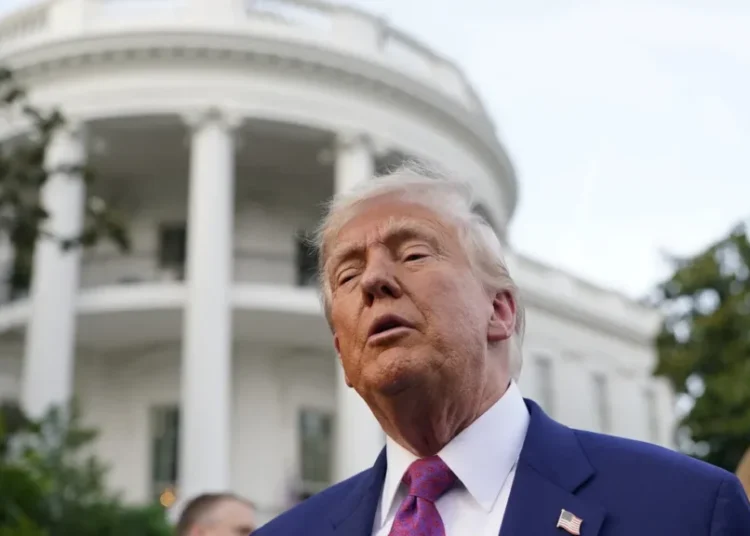
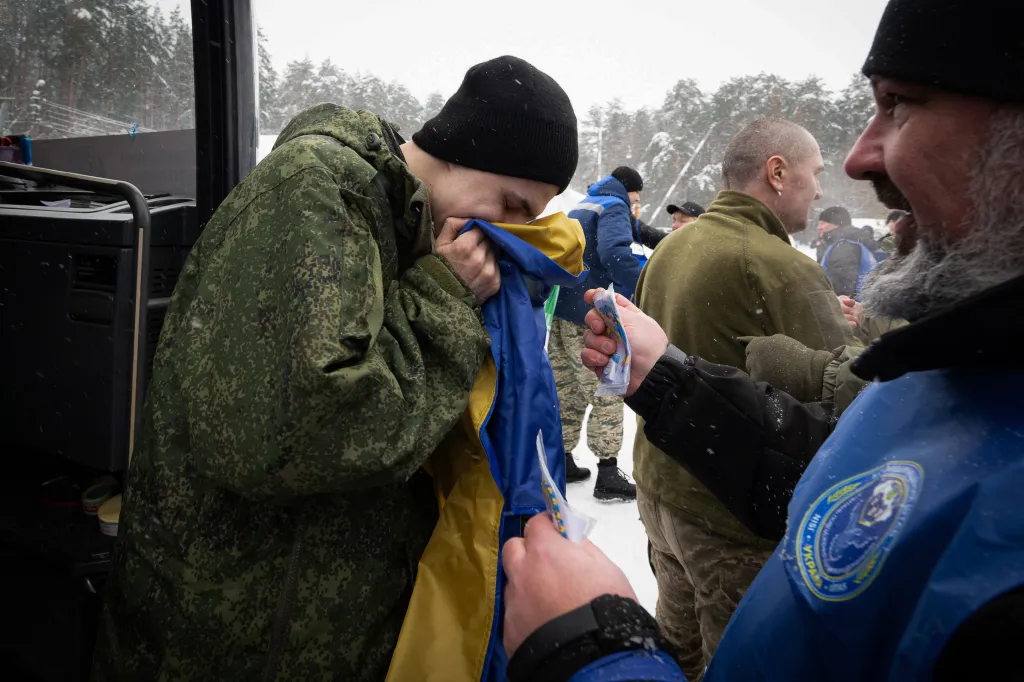
WASHINGTON — Russia and Ukraine agreed to release 157 of each others’ prisonersof war on Thursday after another round of talks with the US, a move that some analysts say was a largely symbolic show of commitment to peace.
The talks began on Wednesday, with Kyiv agreeing to move forward with the diplomatic discussions despite Russia breaking President Trump’s requested weeklong cease-fire on Ukrainian heating and power infrastructure as frigid temperatures sweep the country.
“Negotiations took place while Russia continues its relentless attacks on Ukrainian cities, pushing the people toward the edge of survival,” Ukrainian ambassador to the US Olga Stefanishyna exclusively told The Post. “Yet Ukraine remains steadfast in its pursuit of peace and is ready to seize every opportunity.”
The diplomat welcomed the return of prisoners as “good news,” noting that “many of those freed endured captivity and mistreatment since 2022.”
“We are grateful to the American side for helping make this possible. Return of our people is priceless,” she said.

The Thursday exchange was the first to happen in more than four months — but some officials and analysts say if Russia is attempting to show progress, they should start by respecting even a temporary cease-fire.
“Prisoner exchanges are always valuable, but additional things that can be done to show good faith towards ending the war beyond prisoner exchanges, like a permanent or extended hiatus against strikes on energy infrastructure,” Atlantic Council senior fellow and former Pentagon official Alex Plitsas said Thursday.
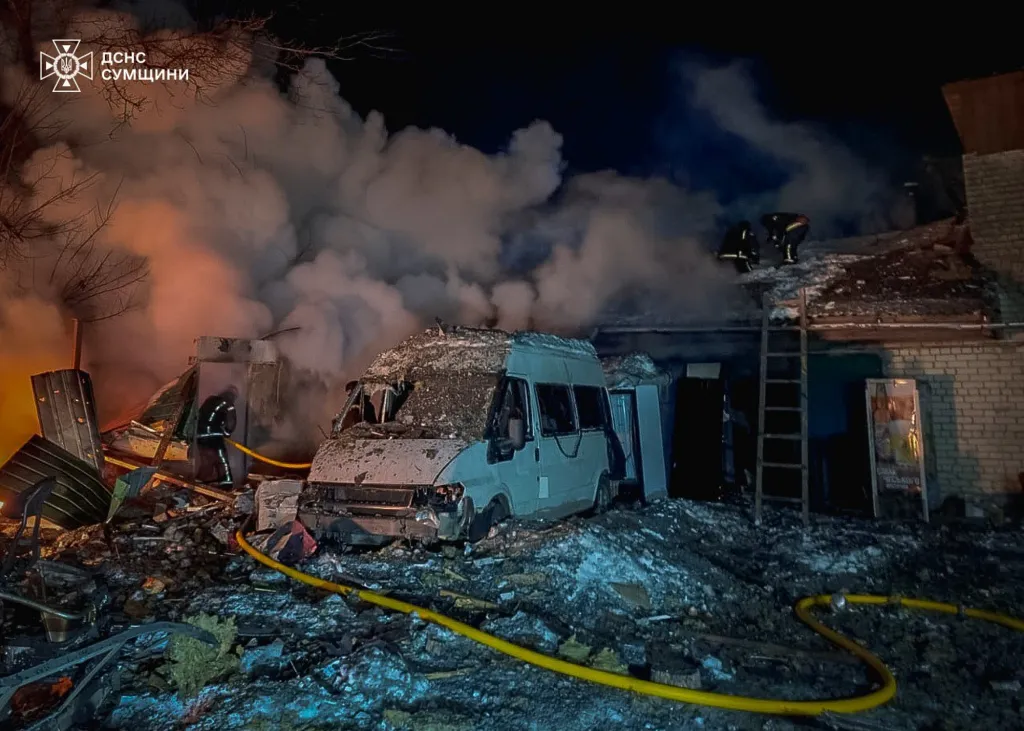
Shortly after the talks began early Wednesday, Russian forces hit a crowded market in eastern Ukraine, killing at least seven people and leaving another 15 wounded, Donetsk region’s Governor Vadym Filashkin said.
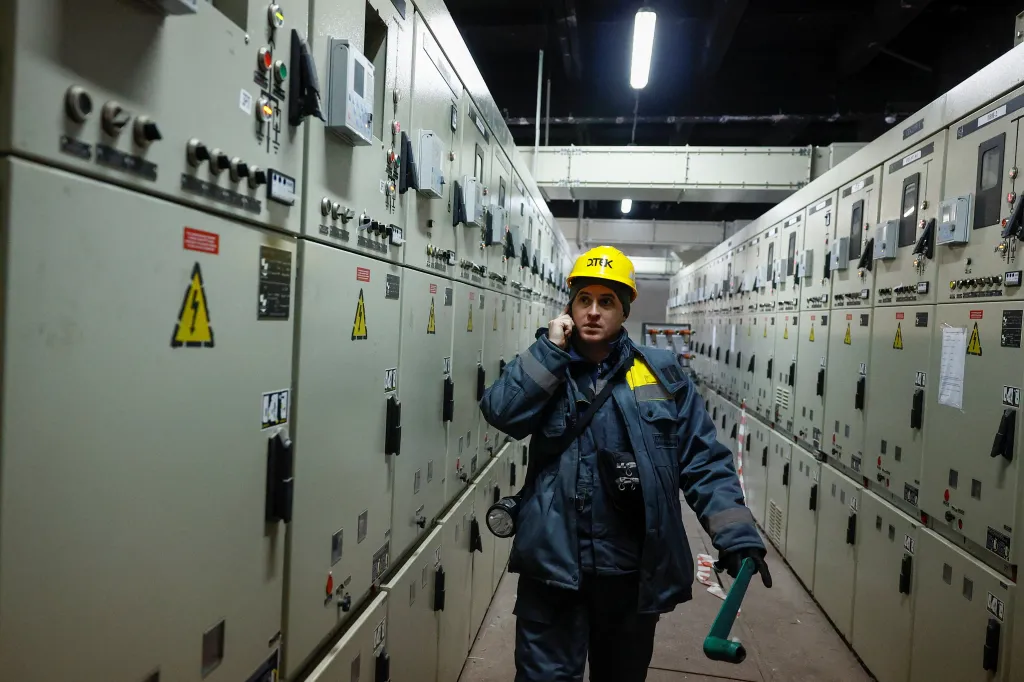
The attacks followed another major assault on Ukraine’s energy grid, with Moscow firing more than 500 drones and missiles across five different regions on Tuesday.
Trump on Feb. 29 said he had convinced Putin to agree to a weeklong cease-fire on Ukrainian cities and energy infrastructure. While the Kremlin initially appeared to respect the request, it unleashed the massive drone and missile attack on the energy sector just four days later.
Stefanishyna suggested that a Russian sanctions-related bill greenlitby Trump but still languishing in Congress could “compel Putin and his inner circle to engage seriously with peace efforts led by the United States.”
“The Kremlin and [Russian] President [Vladimir] Putin have shown that force is the language they understand best,” she said. “To respond effectively, we must step up pressure on the aggressor and limit their ability to wage war.”
Meanwhile, Moscow painted the talks with a brighter interpretation, with Kremlin henchman Kirill Dmitriev declaring the exchange resulted in “positive advancement” — and claiming suggestions to the contrary came from “warmongers” who are “trying to thwart it,” Russia’s state-run TASS news website reported.
With no end achieved Thursday, the trilateral discussions will continue “in the coming weeks,” Trump special envoy Steve Witkoff said. Ukrainian President Volodymyr Zelensky revealed they could happen on American soil.
“What can already be said is that further meetings are planned in the near future, likely in the United States,” he said in a post to X.“We are ready for all workable formats that can genuinely bring peace closer and make it reliable, lasting, and such that deprives Russia of any appetite to continue the war.”
“It is crucial that this war ends in a way that leaves Russia with no reward for its aggression. This is one of the key principles that restore and guarantee real security,” he added.
Beyond the diplomatic track, the US also on Thursday agreed to re-establish military-to-military talks with Moscow that had been frozen since the start of Russia’s full-scale invasion nearly four years ago.
Restoring the communications channel “will provide a consistent military-to-military contact as the parties continue to work towards a lasting peace,” US European Command said in a statement.
Some NATO officials privately welcomed the news, interpreting it as a possible step toward coordinating the war’s end, a source familiar with discussions told The Post.
“They see this as a natural manifestation of the peace talks getting further along,” the person said. “Now it’s gone beyond just the diplomatic now you’ve got the military-to-military folks talking about the implementation.”
The policy change is also aligned with Trump’s approach to diplomatic engagements, with Secretary of State Marco Rubio on Wednesday explaining that this administration — unlike that of former President Joe Biden — does not view talks with adversaries as “concessions.”
The post Russia, Ukraine exchange 300 prisoners as US peace talks end without breakthrough appeared first on New York Post.