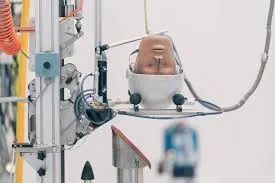
MIPS. No, it isn’t a kind of newly discovered skin infection you get from leaping off a tire swing into a warm pond. It’s a sort of new-fangled technology for helmets that adds an extra layer of protection for your brain when it’s exposed to rotational forces in an impact.
I ride bikes for a living, and I ride them for fun. It took me very little time to swap out my old, non-MIPS helmets for exclusively MIPS models. And you should, too.
what’s mips?
Multi-directional Impact Protection System. In case you were wondering if MIPS stood for something.
Helmets are already good at reducing the forces transmitted to the head (and the brain inside) by direct impact. Their foam compresses, absorbing the energy, and that’s all well and good. But lots of wrecks and impacts don’t just impact the helmet straight on.
They also cause it to twist and turn violently. These are rotational forces, and they can hurt the brain by causing it to rub against the inside of the skull when the head is violently turned in an accident.
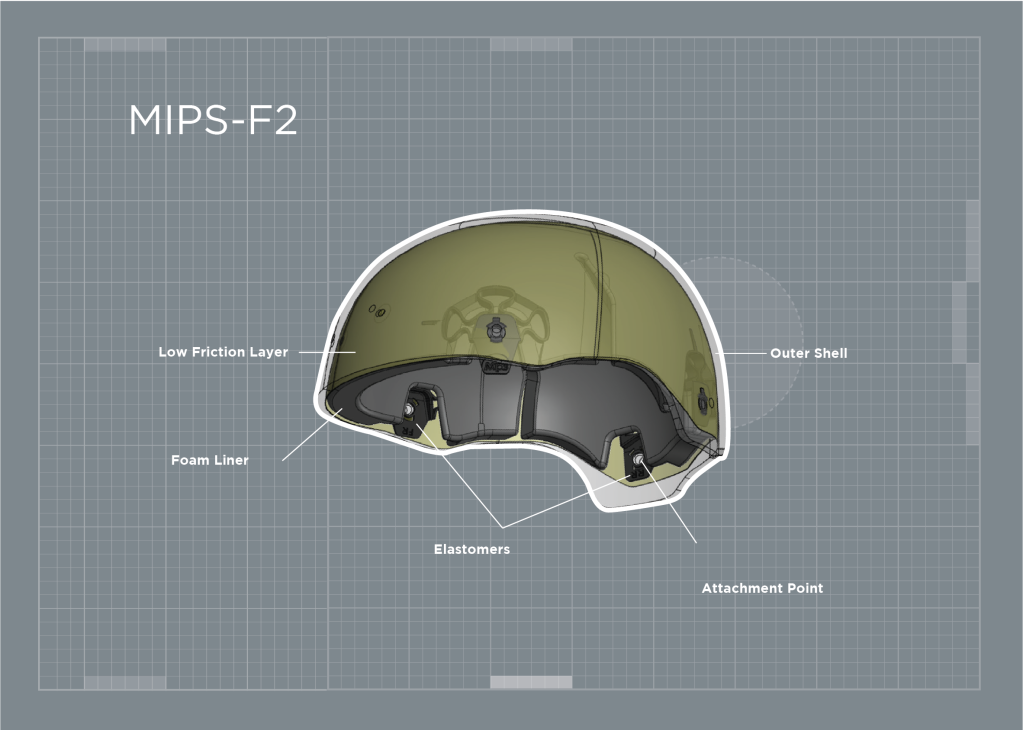
MIPS reduces this rotational force by adding a layer between the head and the main foam structure of the helmet. It’s designed to slide around within the rest of the helmet, absorbing and dissipating some of these rotational forces and, therefore, reducing the risk of rotational-impact-related brain injuries.
Not all helmets are offered in MIPS versions. When they are offered, they’re typically more expensive than their non-MIPS counterparts. I say eat peanut butter for a few lunches to save up for the cash difference. It’s worth it.
Don’t forget that bike helmets are kind of one-time-use items. If you wallop it on something in a wreck, or just drop it from a far enough distance to dent it, replace it. It won’t perform to its full ability in the next impact because its foam has already been crushed and its casing possibly also been cracked or structurally compromised.
And even if you take good care of it, replace your helmet every three to five years. The glues begin to break down, especially with sun-related UV exposure, and its structural integrity begins to degrade. It may be shocking to read that helmets are perishable items like that, but it’s the truth.
Like I always say, a new helmet every few years is a lot cheaper than a hospital bill. Your head is worth the price.
The post Why You Need to Make Sure Your Next Bike Helmet Has MIPS appeared first on VICE.