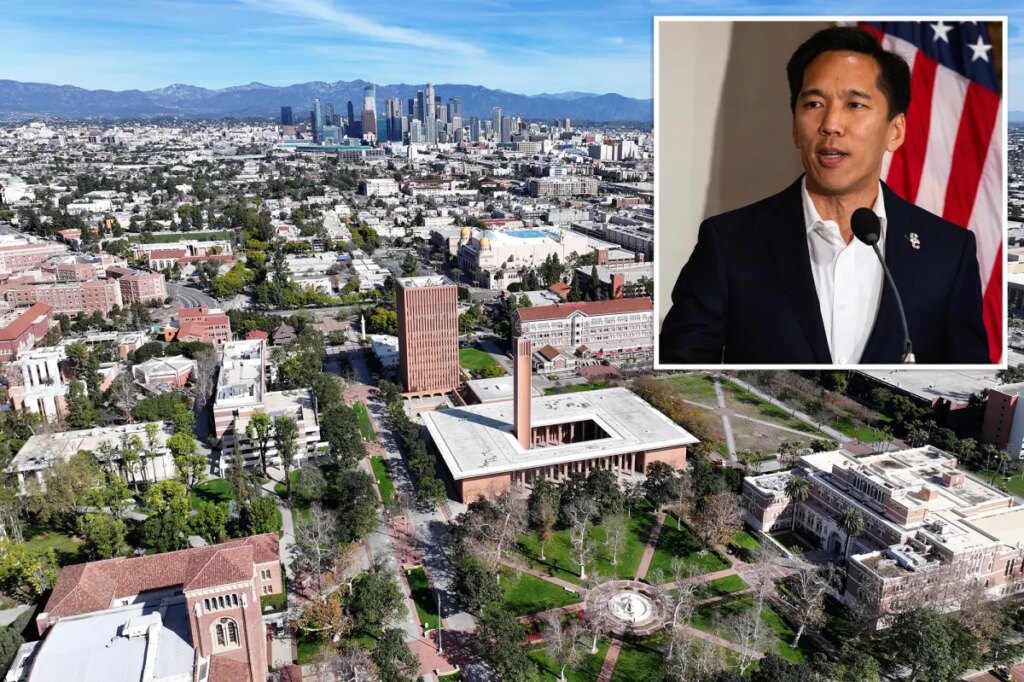
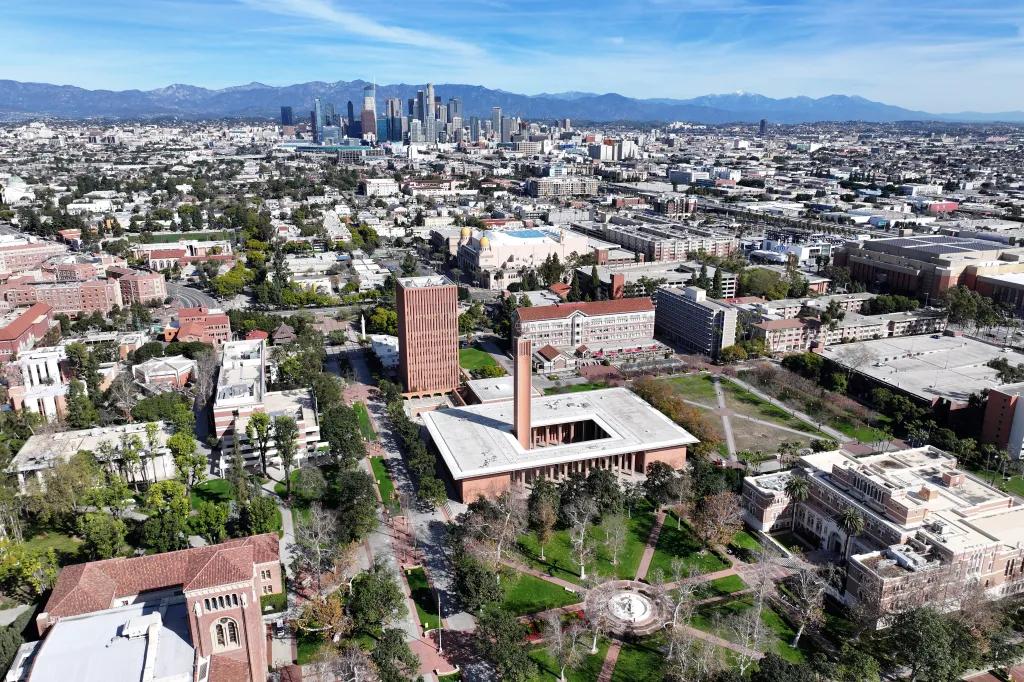
The University of Southern California named its new president Wednesday after a tumultuous stretch that included mass layoffs and federal scrutiny of rowdy anti-Israel protests.
The chair of the board of trustees announced Beong-Soo Kim had been appointed 13th president after serving as interim president for the last eight months. He had previously held the position of senior vice president and general counsel at the school.
“Beong has established a strong foundation of integrity and trust,” Suzanne Nora Joshnson wrote in an email confirming the unanimous vote that installed Kim.” With his unwavering commitment to USC’s core values, we are confident he is the right leader to guide USC toward achieving its ambitious goals.”
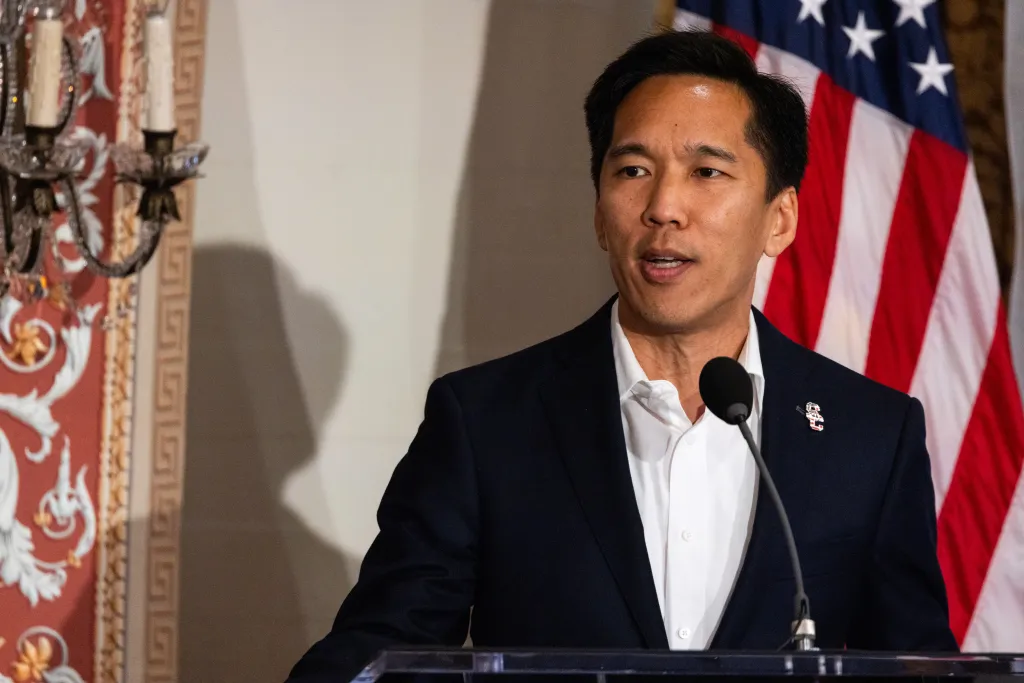
“Thank you for entrusting me to advance USC’s mission—with openness, vision, and integrity—during this time of change and immense opportunity,” Kim said.
Kim joined USC in 2020 as an administrator but he previously served as an adjunct professor at the USC Gould School of Law starting in 2007.
Kim will oversee a student body of over 47,000 and more than 4,500 faculty members while also establishing the university as a presence in Washington, DC, following the launch of the Capital Campus in 2023.
His appointment comes as a surprise to some. When he was initially installed as a placeholder while a presidential search was underway, Kim stated he would “not be a candidate for the permanent position.”
However, Board Chair Nora Johnson later noted that the search committee was inspired by Kim’s performance during his interim stint.
“As a next-generation president, we believe that he can dramatically accelerate USC’s institutional advancement,” she said in an interview.“He possesses exceptional diplomatic skills and has made decisive decisions that have maintained the university’s academic mission and preserved the institution’s long-term financial health.”
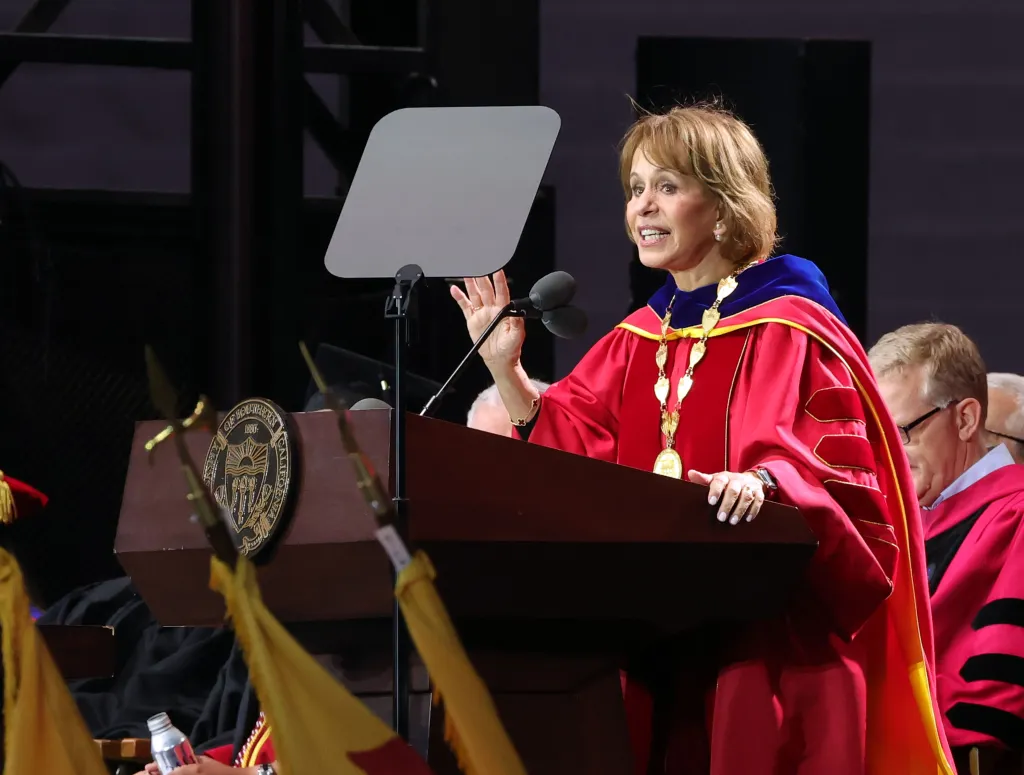
Kim stepped into the interim role after former president Carol Folt ended her term in the face of controversy surrounding student protests and mass layoffs of over 900.
He inherited the interim role in a period of significant financial instability, with a 2025 deficit exceeding $200 million — a sharp increase from the $158 million deficit in 2024. The university also laid off over 900 employees, with projections of a $230 million structural gap for the 2026 fiscal year.
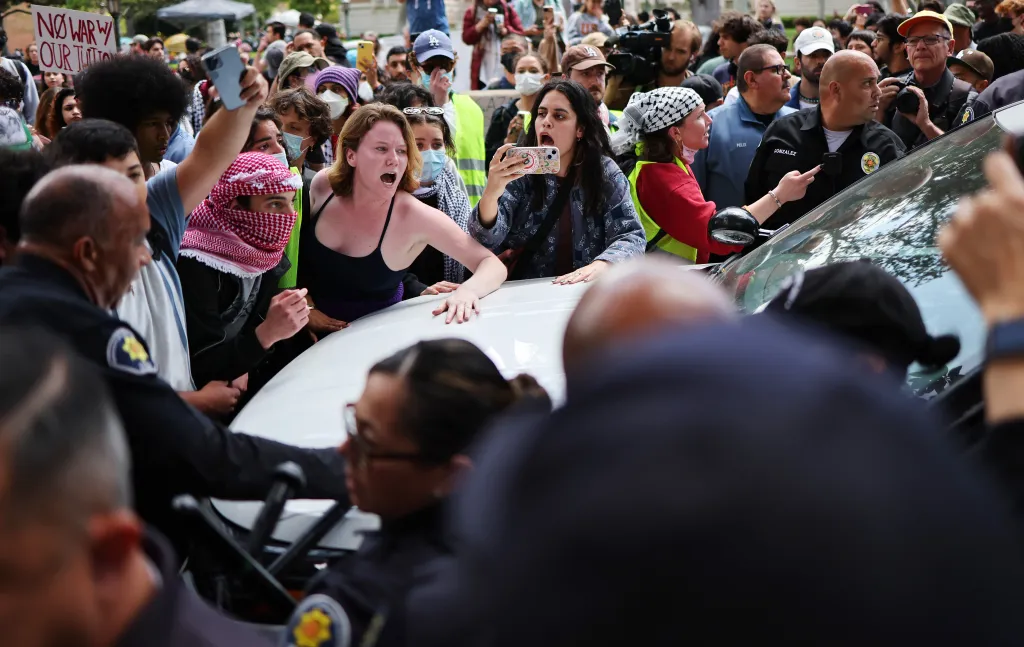
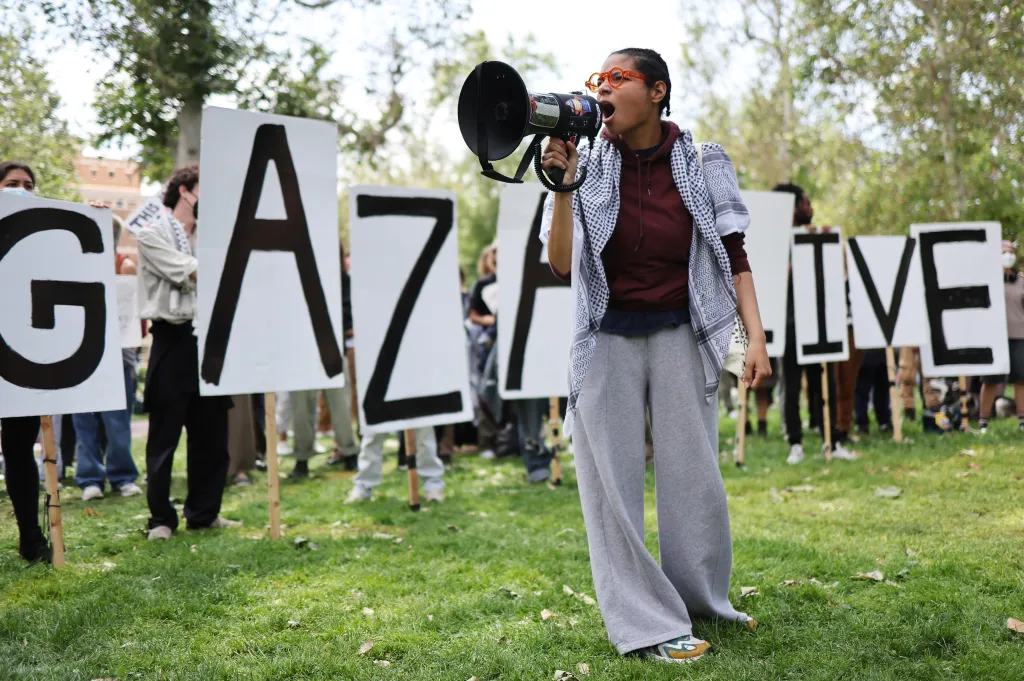
In Spring 2024, the university arrested nearly 100 people on campus during protests related to the conflict in Israel, eventually drawing federal scrutiny. Under Kim’s interim tenure, the Department of Education sent a proposed “Compact for Academic Excellence in Higher Education” to nine universities, including USC.
The Compact called for institutions to restrict the use of race and gender in admissions, ban biological males from competing in women’s sports and cap international student enrollment.
While then-interim president Kim stated that “USC has declined to join the proposed Compact,” he noted that the university looks forward to “contributing our perspectives and Trojan values to an important national conversation about the future of higher education.”
Additionally, USC was included on a list of schools under investigation by the new Task Force to Combat Antisemitism, established by President Donald Trump’s executive order in late January 2025. This was a result of incidents of Spring 2025 and a swastika being discovered on a campus fencepost.
Kim must also manage a push for unionization among non-tenure faculty.
Miriam Adelson — a staunch ally of Trump who has contributed over $170 million to his political efforts —currently holds a seat at the California university as it’s honorary trustee.
Kim, who previously served in the U.S. Department of Justice, has a deep personal connection to the university; his parents were international students from South Korea who attended USC. Kim himself graduated magna cum laude and Phi Beta Kappa from Harvard College before earning a master’s degree from the London School of Economics and a JD from Harvard Law School.
The post USC names new president after tumult including layoffs, federal scrutiny appeared first on New York Post.