Have you had your resistant starch today?
Nutrition experts say that resistant starch is one of the best things for your gut microbiome, the community of trillions of microbes that live in your intestine. That’s because the microbes in your gastrointestinal tract convert resistant starch into compounds that reduce inflammation, lower your risk of chronic diseases, strengthen your overall gut health and lower your blood sugar and cholesterol levels.
But what exactly is resistant starch?
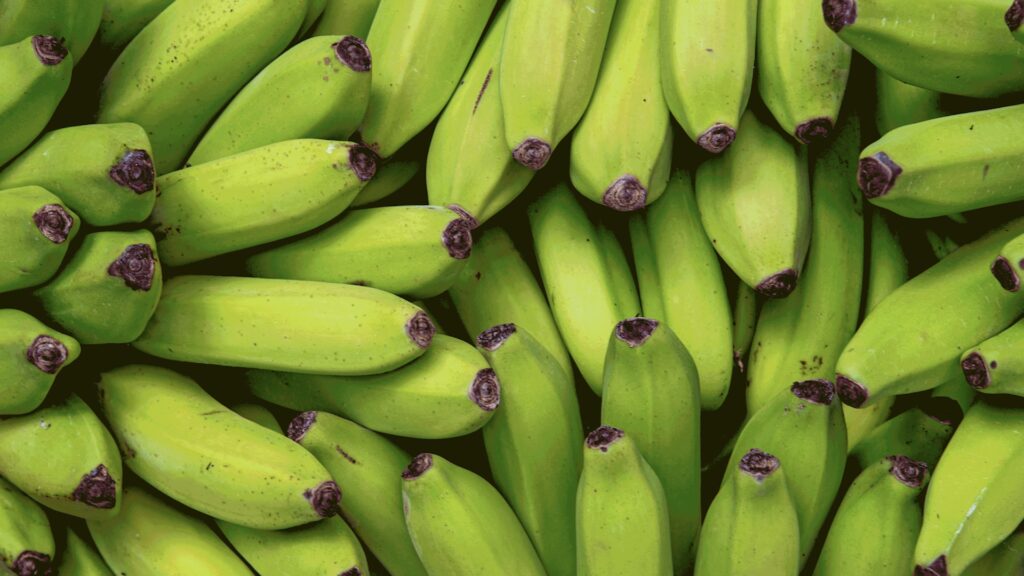
If you’re like most people, you’ve probably eaten it without even realizing it. Resistant starch is a cousin of dietary fiber. It’s a type of starch found naturally in many plant foods, including beans, peas, lentils, nuts, seeds, green bananas, potatoes and some whole grains. Even better: You can create resistant starch in rice, pasta and a handful of other carb-heavy foods simply by cooking and then cooling them in the refrigerator (more on that later).
Most starchy foods such as white bread, bagels and breakfast cereal are quickly broken down and absorbed in your small intestine. But resistant starch resists digestion in the small intestine, which is how it gets its name. Instead, it travels to the large intestine, where it’s metabolized and fermented by friendly bacteria and other microbes.
The benefits of resistant starch
Your gut microbes have a symbiotic relationship with your body. When you feed them the foods that they love — such as fiber and resistant starch — they produce compounds called short-chain fatty acids. These special fatty acids increase satiety and help protect against inflammation, Type 2 diabetes, heart disease and obesity. They also strengthen the lining of your digestive tract, which helps keep pathogens and toxins from entering your bloodstream and making you sick.
Resistant starches are great for your blood sugar levels. Many foods with refined carbohydrates can spike your blood sugar because they’re rapidly absorbed in the small intestine. But because resistant starches act like fiber — being mostly unabsorbed in the small intestine — they can actually reduce your blood sugar levels. One systematic review and meta-analysis of clinical trials published in 2023 found that regularly eating foods high in some forms of resistant starch improved blood sugar and insulin levels in people with Type 2 diabetes.
Nourishing your friendly gut bacteria with resistant starch causes them to thrive, which can end up suppressing the potentially harmful gut bacteria, said Mindy A. Patterson, a registered dietitian and an associate professor of nutrition at Texas Woman’s University who studies resistant starch.
Resistant starch “creates an environment where the bad bacteria can’t thrive,” she said. “This changes the ecosystem of the microbiome in a positive way — it shifts the balance from potentially harmful bacteria to beneficial bacteria.”
Where to find resistant starch and how much you should eat
Experts say that adults should aim to consume 15 grams of resistant starch every day. But studies have found that the average American eats far fewer — just 4 grams of resistant starch daily.
“That’s extremely low,” said Karen Corbin, an associate investigator and the obesity program lead at AdventHealth Translational Research Institute in Orlando.
To add more resistant starch to your diet, here’s a list of some common foods that contain relatively high amounts. The chart shows the amount of resistant starch in a 100-gram serving of each food.
How to increase resistant starch in your favorite foods
Perhaps the best part about resistant starch is that you can boost the amount in some cooked foods simply by refrigerating them. When you cook starchy foods such as rice, potatoes and pasta, and then cool them in the refrigerator, their starch molecules form tighter structures that become resistant to digestion. This process, known as retrogradation, can double or even triple the amount of resistant starch in these foods.
In one randomized clinical trial, researchers analyzed the amount of resistant starch in three different preparations of white rice. They found that freshly cooked white rice had about 0.64 grams of resistant starch in a 100-gram serving. But white rice that had been cooked and then cooled at room temperature for 10 hours had roughly double the amount of resistant starch. And another batch of white rice that had been cooked, then cooled in a refrigerator for 24 hours and eventually reheated had the most resistant starch: 1.65 grams per 100-gram serving.
The researchers found that people had a much lower rise in blood sugar after eating cooked, refrigerated and then reheated white rice compared with freshly cooked white rice.
Other studies have found that cooking and then cooling or refrigerating potatoes, corn tortillas, pasta, black beans, pinto beans and chickpeas can significantly increase their resistant starch content. Typically, the longer you refrigerate cooked starchy foods, the more their resistant starch content tends to increase.
Cooked durum wheat pasta, for example, has about 1.2 grams of resistant starch per 100-gram serving. But after being refrigerated for a few days, the amount of resistant starch it contains nearly triples to 3.4 grams. One study found that cooked chickpea pasta had about 1.83 grams of resistant starch per 100-gram serving. But when it was cooked, refrigerated for 24 hours and then reheated, the amount of resistant starch in the chickpea pasta had roughly doubled to 3.65 grams per 100-gram serving.
How to eat more resistant starch
Aim to eat about 15 grams of resistant starch every day. But if you fall short of that goal, don’t beat yourself up. If you’re able to eat about 10 grams of resistant starch daily, for example, that’s approaching the goal, and it’s still more than double what the average American eats.
Keep in mind that eating plenty of resistant starch can be surprisingly easy if you know what to do. Here are some steps you can take:
Eat two to three servings of beans, peas or lentils daily
One serving of beans, peas or lentils is about a half cup. “I would say beans and other legumes give you the most bang for your buck,” Patterson said. “I eat at least two servings every day.”
Corbin said, “I hate using the term superfood because it implies that other foods are less good. But beans are a great source of plant-based protein and resistant starch.”
If you’re not a big fan, then try mixing a half cup of beans, peas or lentils into a salad or bowl of pasta with tomato sauce. You’ll get plenty of resistant starch, and you won’t notice the taste.
Eat baked potatoes
But after baking your potatoes, refrigerate them for at least 24 hours. This increases their resistant starch. You can cut them up and add them to salads, make a potato salad or eat them alongside omelets, grilled salmon or your favorite protein. “I like to chill potatoes, especially Yukon gold or red potatoes,” Patterson said. “I’ll bake them and chill them, and then I’ll put them in a salad cold as another way to get resistant starch.”
Eat chickpea pasta
It contains plenty of fiber, protein and resistant starch. And if you refrigerate the pasta for 24 hours after you cook it, you can potentially double its resistant starch.
Eat overnight oats
Oats contain plenty of fiber and resistant starch — and just like pasta and potatoes, refrigerating oats after you cook them substantially boosts their resistant starch.
Eat your grains
Whole grains like barley, millet, brown rice and quinoa are a good source of resistant starch. Try combining them with beans for an extra boost of resistant starch. If you prefer white rice, that’s fine. But try refrigerating your white rice for at least 24 hours after you cook it to increase its resistant starch.
Eat nuts and seeds
Both contain a lot of resistant starch. Corbin recommends adding things like chia seeds, sunflower seeds and sliced almonds to yogurt, smoothies and salads. “You can dump flaxseeds and chia seeds in your yogurt or in your smoothie and you won’t even notice it — but you’re getting resistant starch,” she said.
Do you have a question about healthy eating? Email [email protected] and we may answer your question in a future column.
The post 25 foods that are rich in gut-friendly resistant starch appeared first on Washington Post.