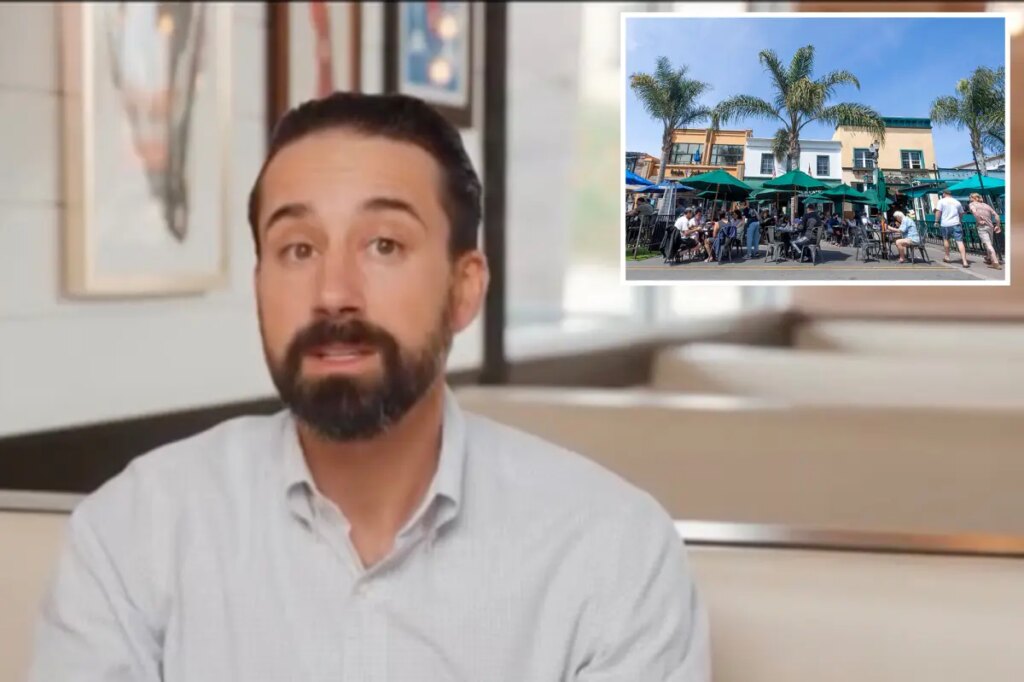
Running a restaurant in California is like swimming upstream wearing stockings and heavy weights. We train under maximum drag.
In California, the regulatory load isn’t just heavy, it’s layered like a lasagna. Every regulation has another regulation.
We’re cash businesses; we count the drawer every day. We hire lots of people. We handle perishable goods. We operate around heat, gas, electricity, refrigeration, hoods, plumbing, and mechanical systems.
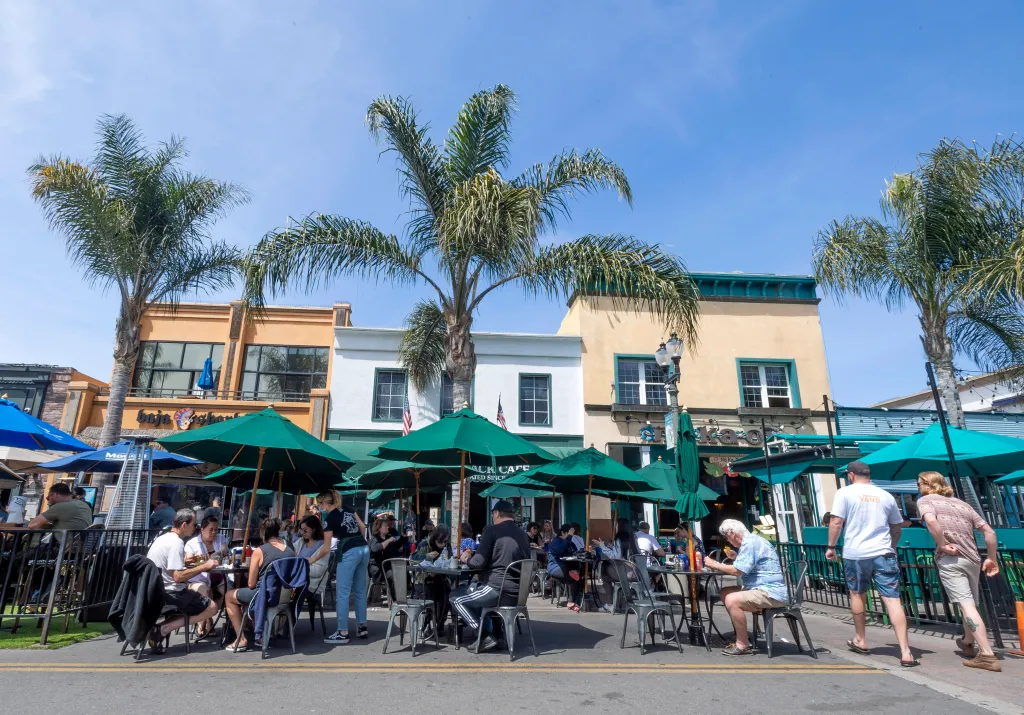
Every time California regulates these things, they become more expensive. When costs rise, prices rise; and when prices go up, sales tax revenue goes up for the state. That part of the machine works perfectly.
The part that doesn’t work is the human part – the small operator, the family-run spot, the chef-owner, the kid trying to open her first place, the independent contractor.
When you have a permanent supermajority of legislators, they agree on everything early, pat each other on the back, and then realize they still need to do something to justify their jobs. Well, what is there left for them to do? They pass more laws.
Those laws create new problems, which then require new laws to “fix” the problems those laws created.
Then, when they run out of laws, they create agencies, full of unelected bureaucrats to create more problems, which they can then try and solve with new laws.
The cycle continues, and restaurants that are labor-heavy, margin-thin, and compliance-exposed become the easiest places to enforce and extract.

If I had to boil down the biggest “drag weights” California makes restaurants swim with, here are ten operators feel immediately:
- PAGA (Private Attorneys General Act — Labor Code §2698 et seq.) This is the nuclear option: one technical violation can turn into statewide-style litigation risk, penalties stacked per employee per pay period, and years of legal expense. Almost every business in California has dealt with fictitious labor lawsuits under PAGA — a scam that is encouraged by the state.
- AB 1228 (Fast Food minimum wage + Fast Food Council) A special carve-out wage floor ($20/hour starting April 1, 2024) and a standards-setting council layered on top. Even for operators not covered, it sets a pricing/labor expectation that bleeds into the whole market.
- Statewide minimum wage ratchet The statewide minimum wage is $16.90/hour effective January 1, 2026—and many cities stack higher local minimum wages on top of that. Keep in mind this applies to tipped workers, and businesses pay full payroll taxes on wage and tips.
- SB 478 (the “Hidden Fees / Honest Pricing” law) + amendments Effective July 1, 2024, California’s “all-in pricing” rules changed how restaurants disclose mandatory fees/charges on menus and advertising. That’s more compliance risk, more signage rules, more “gotcha” exposure — especially for multi-location operators.
- SB 1383 (Organics / composting mandate + edible food recovery) Restaurants are directly impacted by mandatory organics collection rules and related compliance expectations that vary by jurisdiction and hauler — more bins, more hauling costs, more back-of-house labor, more inspections.
- SB 54 (Plastic Pollution Prevention & Packaging Producer Responsibility Act) Even when obligations land on “producers,” restaurants live downstream of packaging rules — availability, price hikes, approved materials, foam restrictions — especially for takeout-heavy concepts.
- SB 68 (allergen labeling rules for chains) This is part of the growing menu/label compliance category — again, more exposure in the places customers touch every day: menus, boards, ordering flows.
- AB 578 (delivery app requirements / refunds / transparency rules) Restaurants already get squeezed by delivery economics; add regulatory mandates and you get more administrative burden and dispute friction.
- SB 1126 / CalSavers expansion (retirement access mandate) As of January 1, 2026, the Treasurer’s office states all CA employers with one or more employees must provide access to a qualified retirement program or certify exemption — yet another compliance program with penalties for noncompliance.
Each one of these regulations changes at a regular cadence. You can be trying to do the right thing and still get clipped because the rules are stacked, documentation expectations are unrealistic, and penalties don’t scale to intent, or you simply didn’t know the rule had changed.
California is still “California” to the outside world: sunshine, surfing, hiking, the dream. But for the people actually opening restaurants here, it’s increasingly the antithesis of the American dream. It’s a compliance, paperwork, and litigation state.
The goal isn’t to grow in California anymore. It’s to set up shop here, survive the drag, prove the concept and scale outside of California — growing jobs elsewhere.
And before anyone says, “So you want no rules?” no. Restaurants don’t need fewer rules. They need reasonable rules, enforced reasonably.
Download The California Post App, follow us on social, and subscribe to our newsletters
California Post News: Facebook, Instagram, TikTok, X, YouTube, WhatsApp, LinkedIn California Post Sports Facebook, Instagram, TikTok, YouTube, X California Post Opinion California Post Newsletters: Sign up here! California Post App: Download here! Home delivery: Sign up here!Page Six Hollywood: Sign up here!
Right now, California isn’t just making restaurants swim upstream. It’s selling the drag as a virtue and wondering why so many people choose to compete somewhere else.
Chef Andrew Gruel is a chef, television host, and member of the Huntington Beach City Council.
The post California is training restaurants to fail appeared first on New York Post.