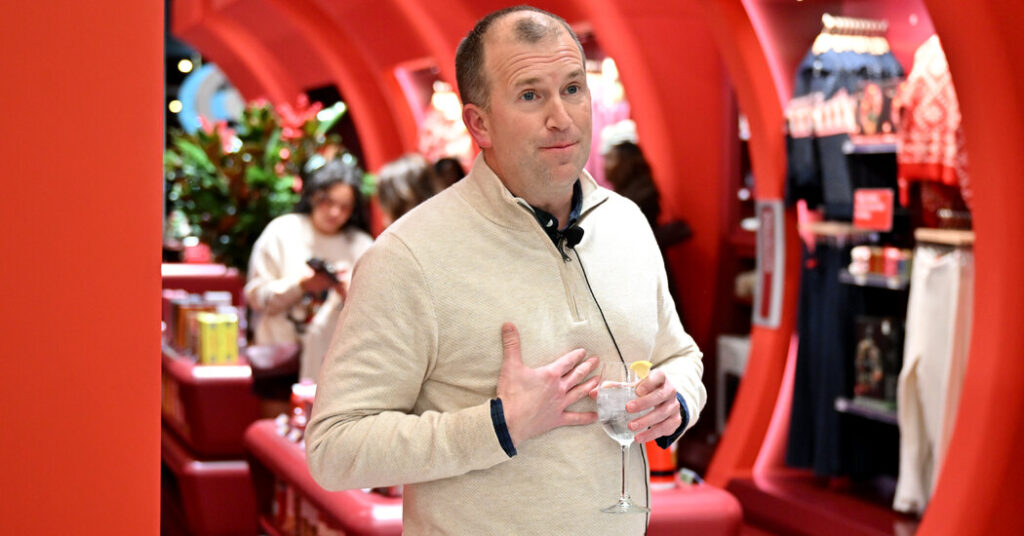
As Michael Fiddelke prepared to step into his new job as chief executive of Target on Sunday, a crisis unfolded a mile from his office in Minneapolis.
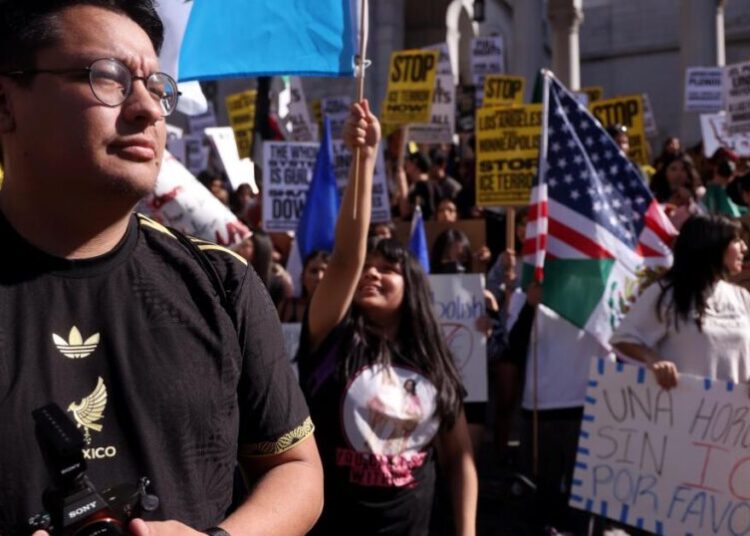
A week earlier, just south of Target’s downtown headquarters, federal immigration agents had killed Alex Pretti, an intensive care nurse who was apparently filming them with his phone. Minnesota residents have been pushing Target, which is among the state’s biggest employers and one of its most prominent corporate citizens, to speak out against immigration officials.
That’s the immediate issue for Mr. Fiddelke to deal with on his first day, but he has many more problems to manage beyond city limits.
“Priority one through 10 is Target’s growth,” Mr. Fiddelke said in a statement to The New York Times. “We’re moving with urgency and focus.”
Feb. 1 begins a new era for America’s big box stores. That day, new chief executives are taking over at Target and its top rival for price-conscious consumers, Walmart. Both are replacing executives who had run their companies for more than a decade and have been credited with transforming their brick-and-mortar empires into digital powerhouses.
Yet Walmart’s new leader, John Furner, steps into a much quieter and healthier situation at his headquarters in Bentonville, Ark. Revenue rose nearly 6 percent in its most recent quarter and the company raised its full-year forecast in November. The retailer, with more than 4,600 stores in the United States, is investing billions to upgrade stores and is gaining market share from a host of competitors.
Target has been mired in a long sales slump and has lost ground. Revenue has stagnated in recent years, and net sales fell 1.5 percent last quarter as the company struggles to attract shoppers to its nearly 2,000 stores. The problems led to layoffs in October, when the retailer eliminated 1,800 corporate positions, including many at its Minneapolis headquarters.
Industry analysts said Target has lost the things that made it different, especially in categories such as home goods and clothing, and shoppers have taken their dollars elsewhere.
“They’ve lost the mojo of their brand,” said Stacey Widlitz, president of SW Retail Advisors, a research firm. “You go into their store and there’s out-of-stocks and nobody is cleaning up shelves. The stores don’t feel like they did several years ago.”
Both Target and Walmart will have to navigate rising tariffs and try to keep prices low as Americans aim to spend their paychecks more efficiently in an uncertain economy.
But Target’s pressures have been worsened by boycotts, as it has found itself entwined in politically charged debates over race, gender identity and gay rights. Both conservatives and progressives have been angered by its actions, eroding its reputation across the political spectrum.
Target faced its most intense consumer backlash last year after it rolled back the diversity, equity and inclusion programs that it had once championed. Protesters called for a national boycott. Brian Cornell, the previous chief executive, admitted in May that the fallout from the D.E.I. cuts had affected sales.
In August, Mr. Cornell said he would step down and be replaced by Mr. Fiddelke, the chief operating officer. Mr. Fiddelke, 49, started his career at Target as an intern in 2003 and worked across divisions including merchandising, finance and human resources.
As he prepared to take the top job, Mr. Fiddelke acknowledged that Target was in a tough situation and that the company’s performance hadn’t been adequate.
“We’re acting with urgency to make the changes and investments to position Target for sustainable and profitable growth over time,” he told investors on a conference call in November. “We won’t be satisfied until we’re operating at our full potential.”
Mr. Fiddelke has a long list of issues he must address across Target’s operations, such as merchandising, technology, supply chain, loyalty programs and store renovations, said Oliver Chen, an analyst at the investment bank TD Cowen.
Though Target may never beat Walmart in sales of household essentials like laundry detergent and air fresheners, its stores were once known for trendy clothes, home décor and beauty goods that shoppers couldn’t find anywhere else.
“Target has a lot of needs,” Mr. Chen said. “It starts with product.”
On the November conference call, Mr. Fiddelke outlined a three-part plan to revive Target. He said the company would rework its merchandising strategy to focus on design, improve the shopping experience both in stores and online and integrate more technology to make the business more efficient. Management has committed to spend more to revamp stores and expand their selection of wellness products.
Though the retailer has yet to present a comprehensive strategic plan, executives are expected to share more in early March when the company reports its year-end earnings and hosts an investor day.
As Mr. Fiddelke and his executives try to kindle a turnaround, they must also shepherd the company through turmoil in its hometown.
The first Target discount store and supermarket opened in Roseville, a suburb of St. Paul, Minn., in 1962, promising “surprises galore” across 82,500 square feet. It melded a fancy department store and a discounter, with that cheap chic paradox quickly earning it the playful faux-French nickname “Tar-zhay.”
The Twin Cities are now home to an enormous cluster of Target stores — there are more than 70 locations in Minnesota — and their ubiquity made them a setting for protests in the months after George Floyd was murdered by a police officer in 2020.
In January, two Target employees were detained by immigration authorities at a store in the Minneapolis suburb of Richfield. Clergy members gathered at the company’s offices to urge management to pressure Congress to end funding for Immigration and Customs Enforcement. They also met with Brian Cornell, Target’s outgoing chief executive.
Vigils and clashes sprang up across the Twin Cities as residents confronted immigration authorities. City streets were filled with tear gas and smoke in recent weeks as federal agents with grenade launchers and rifles faced off with protesters. At a local town hall meeting, Representative Ilhan Omar, a Minnesota Democrat, was rushed by an assailant, who was later tackled and arrested.
Target had been reluctant to take a position on the matter, but the escalating violence in Minneapolis has prompted the company to at least say a few words. Last week, Mr. Fiddelke joined a group of executives from Minnesota companies, including UnitedHealth Group, 3M and Cargill, in signing an open letter that called for “an immediate de-escalation of tensions.”
Then, Mr. Fiddelke addressed employees.
“As someone who is raising a family here in the Twin Cities and as a leader of this hometown company, I want to acknowledge where we are,” he told staff, according to a transcript of the video message obtained by The Times. “The violence and loss of life in our community is incredibly painful.”
Kim Bhasin is a business reporter covering the retail industry for The Times.
The post Target’s New C.E.O. Faces Hometown Crisis as He Begins Turnaround Effort appeared first on New York Times.