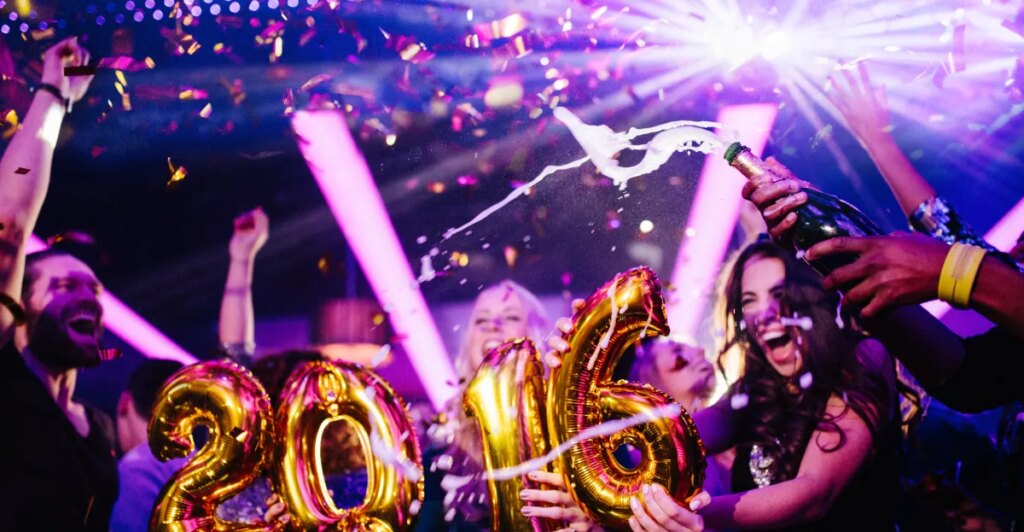
At the start of this year, it seemed like everybody was reminiscing about the year 2016. In January alone, Spotify saw a 790 percent increase in 2016 themed playlists. People were declaring that the 2026 vibe would match the feel good vibes of the year 2016.
The only problem is that the experience of living through 2016 was far different from what Gen Z in particular remembers.
Daysia Tolentino is the journalist behind the newsletter Yap Year, where she’s been chroniclingonline affinity for the 2010s for almost a year now. Gen Z tends to blend all of the years together causing them to hype up the fun cultural parts and ignore the international and political turmoilthat marked 2016. Tolentino says 2016 nostalgia might actually be a sign that young people are ready to break out of these cycles of nostalgia and reach for something new.
Tolentino spoke with Today, Explained host Astead Herndon about how 2016 has stuck with us and what our nostalgia for that time might reveal.
There’s much more in the full podcast, so listen to Today, Explained wherever you get your podcasts, including Apple Podcasts, Pandora, and Spotify.
Where did this 2016 trend start?
It’s been building up since last year, especially on TikTok. People have been slowly bringing back 2016 trends, whether that’s the mannequin challenge with the Black Beatles song, or pink wall aesthetics, and these really warm hazy Instagram filters. When we entered the New Year in 2026, there were a lot of TikToks saying that 2026 was going to be like 2016.
I was curious about that. What does that even mean? I don’t actually think people know what that means at all. Then, a couple weeks ago, you see a lot of people on Instagram, especially peak Instagram influencers, posting themselves at their peak in 2016, which inspired everybody to post their own 2016 photos.
In your newsletter, you’ve tried to define what the 2016 mood board is. Can you explain that for me? When we’re thinking 2016 vibes, what do we mean?
When I look at 2016, I see makeup gurus on YouTube blow up at this time, and the makeup at the time is extremely maximalist. It’s very full glam, full beat, very matte, very colourful, some neon wigs at this time. You have the King Kylie of it all.
2016 was such a pivotal moment in internet culture. I think that is when we started to really enter this influencer era in full force. Prior to that, we had creators, but we didn’t have as much of this monetization infrastructure to make everything online an ad essentially. People were posting whatever they wanted to post.
It was the year that social media companies started pushing your news feed toward an engagement-based algorithm versus a friends-only chronological feed. In 2016, you see this flip toward influencer culture and this more put together easily consumable image and vibe to everything, and that trickles down into the culture of Instagram, so then people start posting as if they’re influencers themselves.
Even if you are a teenager like me at the time, if I look at my own Instagram, I could see my own posts mimicking influencers, becoming more polished, and becoming more aesthetic. I think people have missed that a lot, although I think people romanticise 2016 and forget a lot about what that year is actually like.
What do you think this says about 2026?
The entire 2020s so far, people on TikTok, especially young people, have been romanticising the 2010s. I think, in general, people associate the 2010s with a sense of optimism, especially post-2012. Young people have grown up in such a tumultuous time with the pandemic, the economy, with politics and the world in general. It feels really hopeless at times, so people are looking back to that time that literally looked so sunny, and positive, and wonderful, and low stakes. I think it’s really easy for people to become really fixated on this time period, even if that wasn’t the actual reality, right?
Why do you think people are only cherry picking the good parts of 2016?
It was one of the last years in which we engaged in a monoculture together, and we had shared pieces of culture that we could remember. We could all remember “Closer” being on the radio like 24/7 at the time. I think a lot of people romanticized 2016, because it is the last time they remember unification in any way. It feels like the last kind of moment of normalcy before this decade of turmoil.
As much as there was so much change and disruption happening in 2016, whether that’s Donald Trump, whether that’s Brexit, or even the rise of Bernie Sanders, there were so many people who were so excited about that. I think there was a feeling of disruption that could be mistaken for general optimism. Then, this hope for something different to come that began in 2016 did not materialize in maybe the ways that people wanted them to. But I think a lot of people can remember that feeling and the shared culture that we all had that nobody really is able to share in these days.
I’m 32. I can’t imagine me 10 years ago thinking that the best years were behind me and not in front of me. Am I just being old, or does some of this feel like a generation that’s been raised on remakes and sequels looking back instead of looking forward?
Yeah, that is something I’m concerned about frequently. I’m 27; I shouldn’t be like, “Being 17 was the best years of my life.” It is too obsessed with looking back, because you are unable to imagine a better future forward. That is always really concerning. That is always an indication that there’s a loss of hope,
But, I think that this year, it seems like the energy from people online is about creating something new, and introducing friction, and moving forward from this constant need for escapism that the internet has provided us for the past 10 years. I have seen that rise alongside this nostalgia that has been so widely publicized and widely talked about.
I think people are ready for new things. I think people are ready to move on from constant escapism that the internet and social media brings, including constant nostalgia.
The post Why is Gen Z so obsessed with the 2010s? appeared first on Vox.