Any city slammed by heavy snow is bound to hear gripes from residents about roads not being cleared fast enough, but the widespread frustration in D.C. over the city’s slow response to last week’s winter storm is something else entirely.
Many streets remained buried for days. Even busy thoroughfares were limited to single lanes after being plowed, creating traffic nightmares. Even in well-trodden downtown areas, mounds of slippery ice made it difficult for pedestrians to reach crosswalks. There were impassable hurdles for the elderly and people with disabilities. Conditions were so treacherous that many parents kept their kids home even after D.C. schools finally reopened Thursday — five days after the snowfall started.
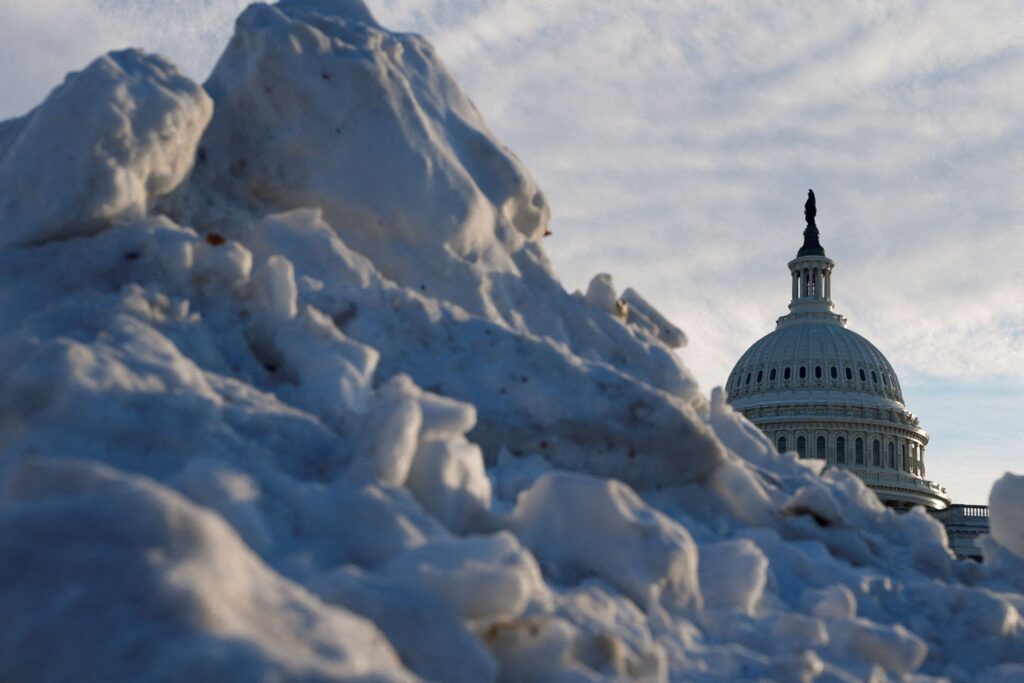
D.C. officials would be wise to not take these complaints lightly, even as they point to the unique challenges created by this storm. The capital took up to seven inches of snow and hours of freezing sleet. That produced thick layers of “snowcrete,” which slowed the city’s fleet of plows and damaged some of its vehicles. Frigid temperatures lingered all week, preventing ice from melting on its own.
City leaders note that the storm’s scope meant demand for plows and other specialized heavy machinery remained high across the region. Many other East Coast cities that are accustomed to heavy snow, such as Philadelphia and Providence, also struggled to respond, as did some of D.C’s surrounding suburbs.
Another legitimate complaint among D.C. residents: Poor communication from the city. Compared to other localities such as Alexandria, where Mayor Alyia Gaskins used social media effectively to explain reasons for delays, messages from D.C.’s leaders were sparse. Making matters worse, the city’s plow tracker failed to provide accurate and complete information.
D.C. Mayor Muriel E. Bowser (D), in the final year of her third four-year term, promises to review what went wrong. “I’m sure we’re going to learn a lot,” she said.
The city should also take note of what went right. For instance, the Metro system managed to get on track relatively quickly. D.C. residents also stepped up to help one another. Many went the extra mile to clear their neighbors’ sidewalks. By law, this is the responsibility of property owners, not the city.
Still, it is fair for D.C. taxpayers to wonder why their government, which spends more per capita than any of the 50 states, took so long to dig out many neighborhoods. Many citizens banded together to hire private plows out of pocket because they grew so tired of waiting on their government to get around to performing one of its fundamental jobs. With a socialist running for mayor this year, the week offered timely reminders that private enterprises, motivated by profit, almost always perform better than government.
The post D.C.’s glacial response to the winter storm appeared first on Washington Post.