KYIV — Ukrainians woke to another frigid Friday with the possibility that, at least for now, there could be a halt in Russia’s punishing attacks on its energy sector that have plunged the much of the country into cold and darkness, after a call by U.S. President Donald Trump.
But their relief was short-lived when Kremlin spokesman Dmitry Peskov revealed that the pause had only been for the capital Kyiv and was set to end on Sunday, just as temperatures are expected to fall even further.
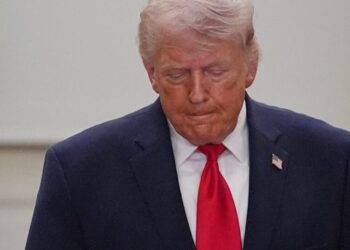
In televised comments made during a Cabinet meeting on Thursday, Trump said that he “personally asked” Russian President Vladimir Putin “not to fire into Kyiv and various towns for a week and he agreed to do that,” adding that “it was very nice.”
Shortly after, writing on X, Zelensky thanked Trump for the initiative which he said he expected “to be implemented” and said if it panned out Ukraine would refrain from attacking Russia’s energy system.
On Friday, however, Russia’s Peskov confirmed that while “President Trump made a personal request to President Putin to refrain from striking Kyiv for a week” — that the ceasefire had begun last weekend and would end on Sunday.
Russian forces last attack on Kyiv was overnight into Saturday, part of a massive bombardment across Ukraine. Typically, after such a large assault, Moscow would require at least a week to move a similar number of missiles and drones into position and launch another comprehensive attack.
Russia has targeted Ukraine’s energy system at least twice this week in locations other than Kyiv, striking facilities belonging to DTEK, the country’s largest private energy company, in the Odesa region and Naftogaz, the state oil and gas firm, in western Ukraine.
“The damage is colossal,” DTEK wrote on its Telegram channel on Tuesday about the attack, which took place overnight. “The repair will take a long time to restore the equipment to a working condition.”
On Friday, Ukraine’s Air Force said that Moscow’s forces launched 111 strike drones and one ballistic missile at Ukraine overnight. At least 25 of the drones made it through the defenses but no details were given on what was struck.
In comments released on Friday, Zelensky was cautious, saying he saw Trump’s proposal “as an opportunity rather than an agreement.”
“Whether it will work or not, and what exactly will work, I cannot say at this point,” he said in a briefing with journalists. “There is no ceasefire. There is no official agreement on a ceasefire, as is typically reached during negotiations.”
Zelensky said that “if Russia heard the signal from the American side in the same way we did,” then Ukraine would “likely see some results and be able to assess them.” He added that if Russia refrained from targeting Ukraine’s energy infrastructure, “generation facilities or any other energy assets,” then Ukrainian forces would “not strike theirs.”
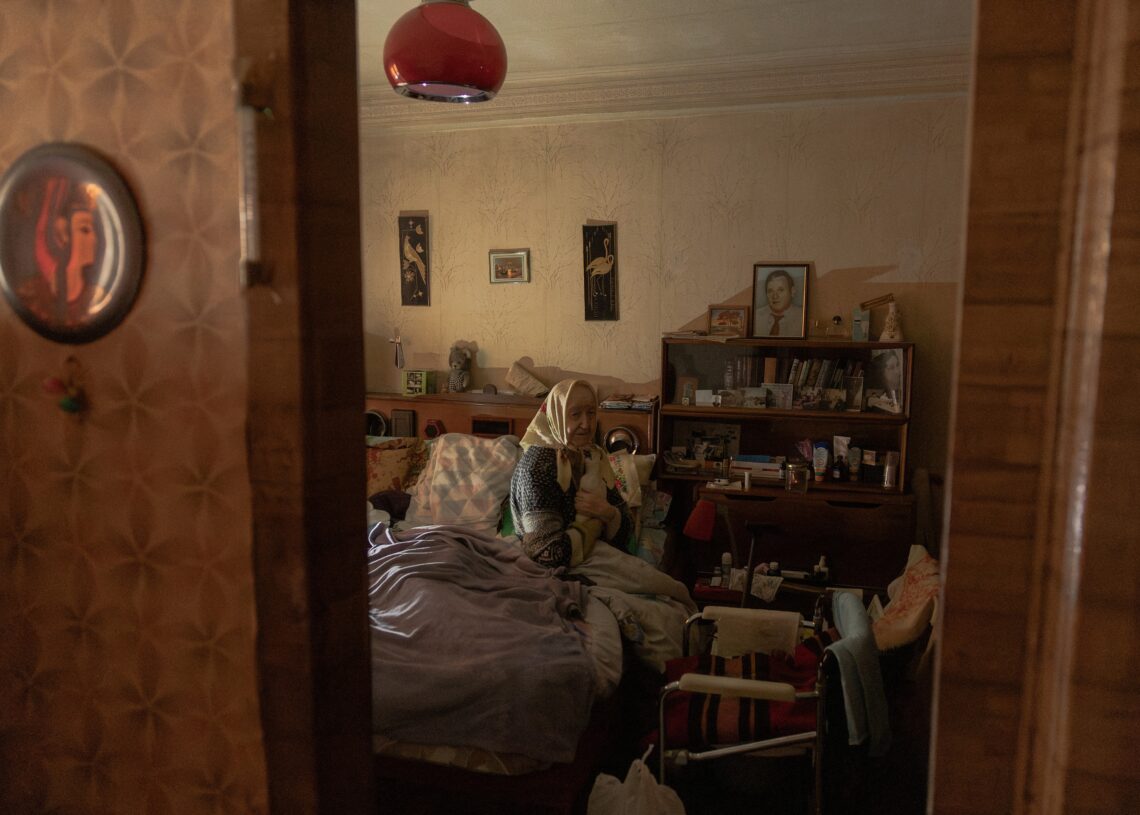
Russian missiles and drones have wreaked substantial damage on Ukrainian power plants and electrical substations, paralyzing the energy network and leaving millions without heat and power during one of the worst winters in years.
Temperatures in Kyiv and the rest of the country have hovered consistently well below freezing the last weeks, with another cold snap — with lows of -9 Fahrenheit (-23 Celsius) — predicted in the coming week.
“It’s extraordinary,” Trump said during his Cabinet meeting. “It’s not like cold, it’s extraordinary cold.”
Zelensky said that U.S. officials first suggested the ceasefire during trilateral talks in Abu Dhabi, United Arab Emirates, last week — part of a general push to “create more space for diplomacy.”
“Our negotiating group called me to consult. I said that we would adhere to a reciprocal approach with regard to such steps,” Zelensky said, adding that he supported “any genuine initiatives aimed at de-escalation.”
However, the Washington D.C.-based Institute for the Study of War said on Friday that a possible halt in Moscow’s campaign against Ukraine’s energy system did “not mark a significant Russian concession.”
“Russia continues to reject a long-term ceasefire and has previously offered similar short-term moratoriums to advance its political objectives,” the institute said in a daily report released Friday.
“The Kremlin has previously offered short-term ceasefires as part of a cognitive warfare effort to portray the Kremlin as acting in good faith while rejecting Ukrainian and U.S. calls for a longer or permanent moratorium,” the report said.
Serhii Korolchuk in Kyiv and Natalia Abbakumova in Riga, Latvia contributed to this report.
The post Russia reveals Ukraine energy ceasefire pushed by Trump is already nearly over appeared first on Washington Post.