I’ve been a chef for over 15 years, and even though professional kitchens aren’t for everyone, there are several lessons and tricks I learned in culinary school that can come in handy for anyone.
Here are some of the most helpful tips to take your at-home cooking game to the next level.
Use a damp napkin or towel to keep your cutting board in place.
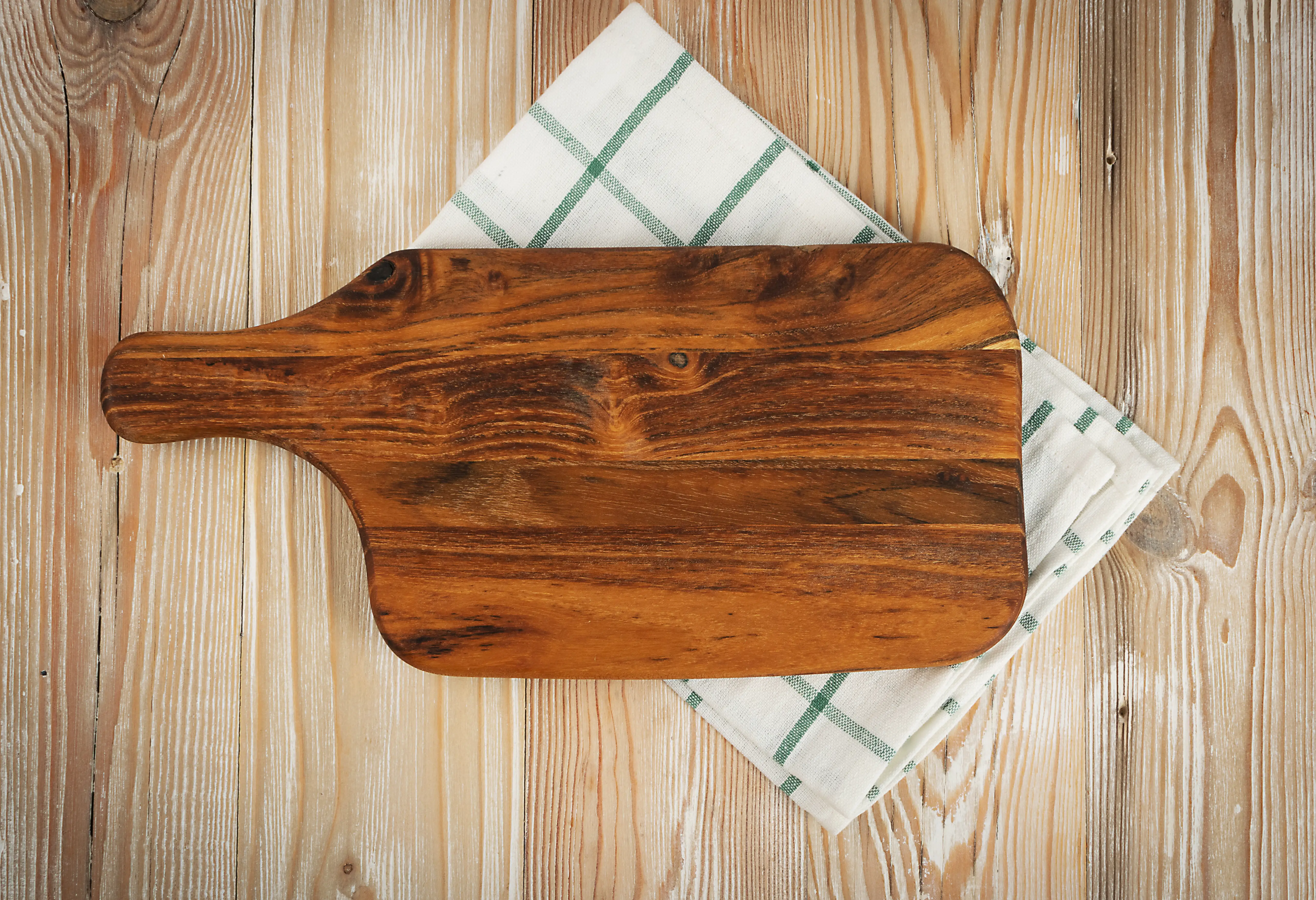
If you’re tired of your cutting board moving around while you use it, place a damp paper or dish towel underneath it.
Whether your board is wood or plastic, this trick will keep it in place and create a stable work surface.
Prep as much as you can in advance.
The more you prep, the more you can sit back and relax when it’s time to actually cook.
Chop up your ingredients, measure out your spices, and set yourself up for success and save time later.
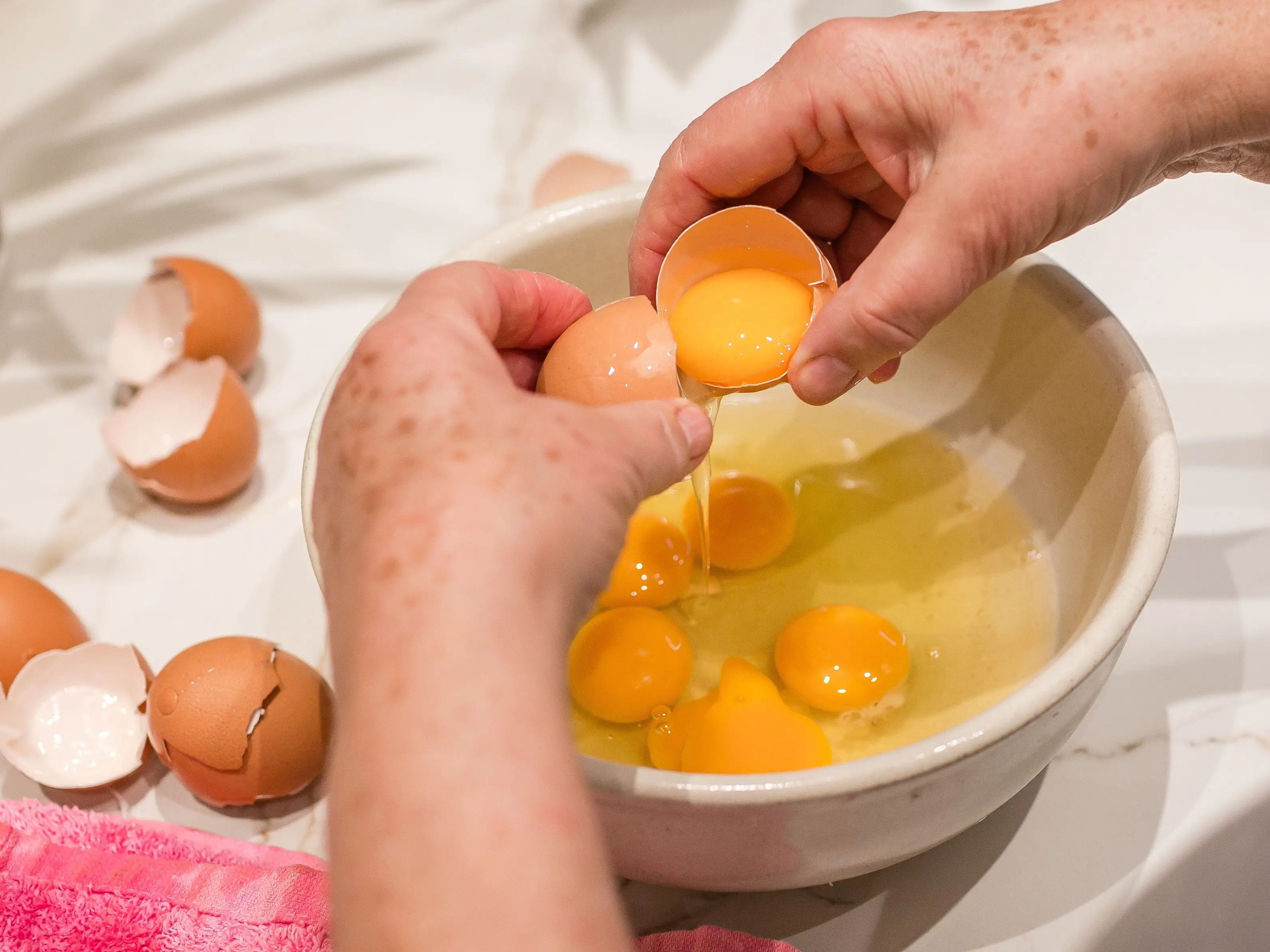
For example, most restaurants strain scrambled eggs the day before, then pour out individual portions to cook.
You can do something similar if you’re having people over for brunch — crack your eggs in a container with a tight-fitting lid, mix them up, and keep them in a very cold fridge until you’re ready to cook them.
Plus, ingredients like scallions and greens can be washed, sliced, and wrapped in paper towels or kept in an ice bath until ready to use.
Salt each component of your dish.
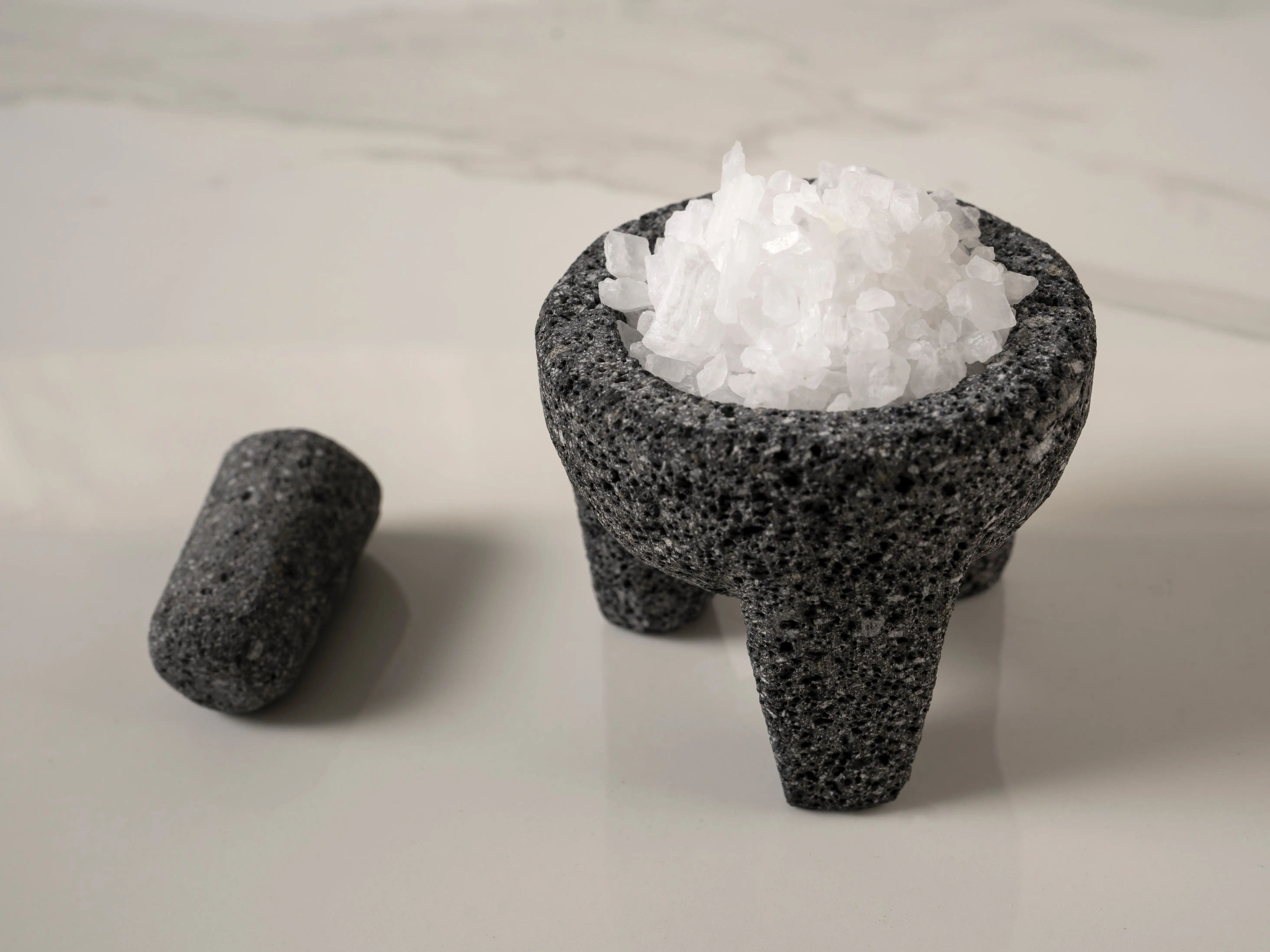
If the parts taste great, the whole will too.
Make sure to salt each individual component of your dish, not just the finished product.
Keep your knives sharp.
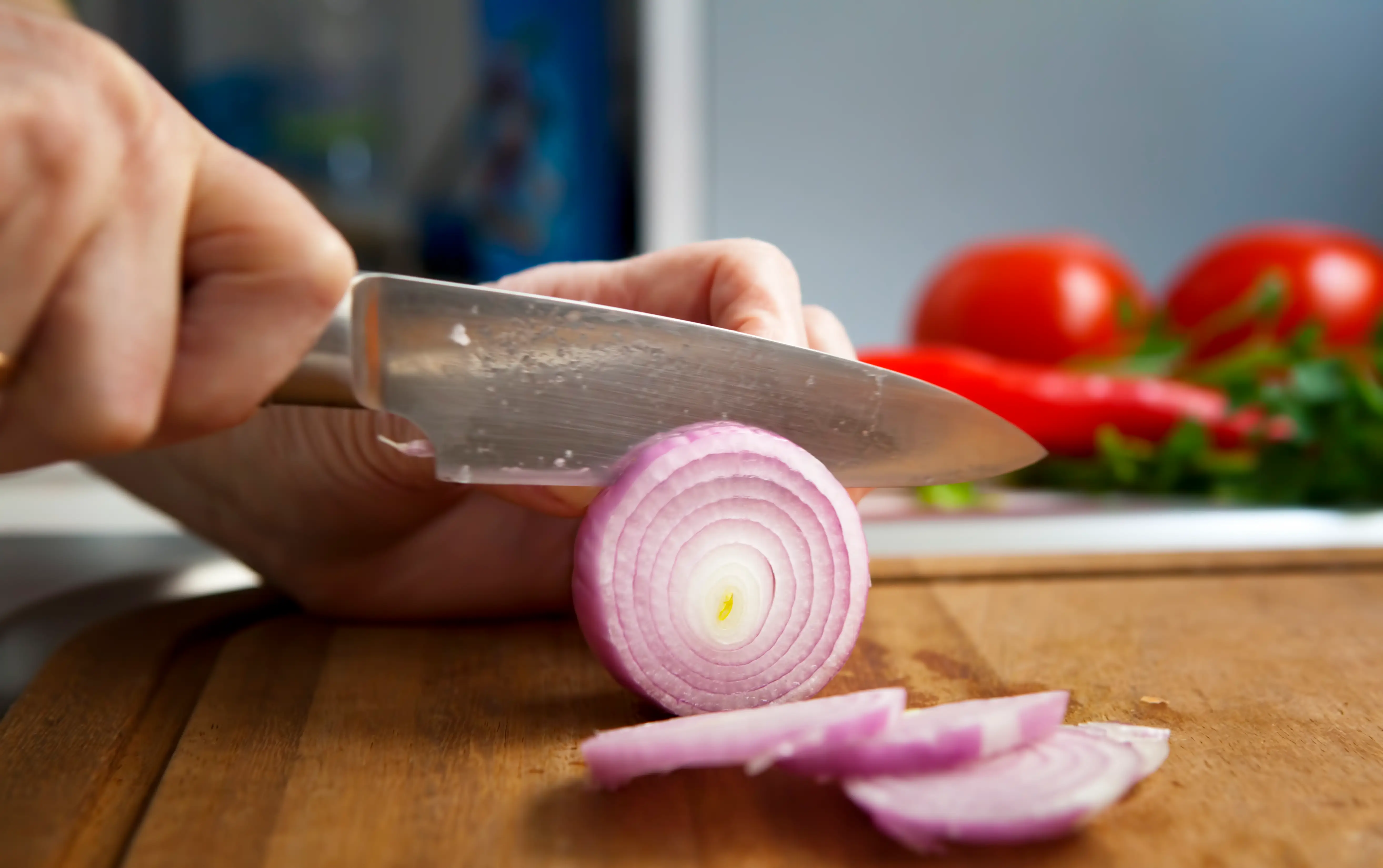
A sharp knife is a safe and effective tool, but dull ones can slip off food and cause all sorts of unintended injuries.
You can buy tools to sharpen your knives at home if you don’t want to visit a professional. Just do a bit of research to see what works best for your particular knife.
Use water to thin sauces or soups.
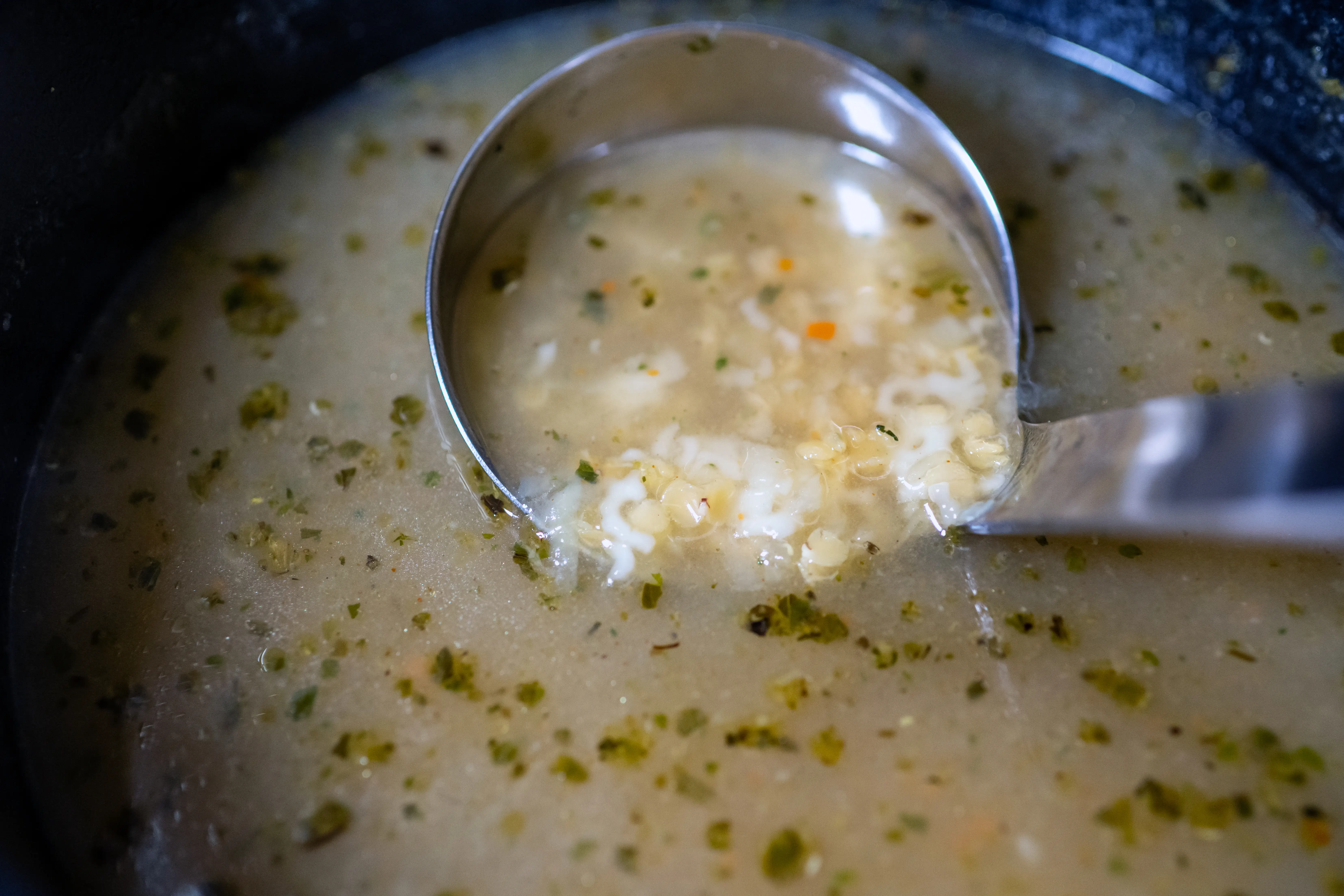
Most restaurants actually thin dishes with water. If they can do it, so can you.
If your sauce is too dry or soup is too thick, you don’t need to run to the store for more stock or broth — simply turn on the tap.
Just make sure to add a little bit at a time since you can always put more in, but you can’t take it away.
Be mindful about which oils and fats you choose to cook with.
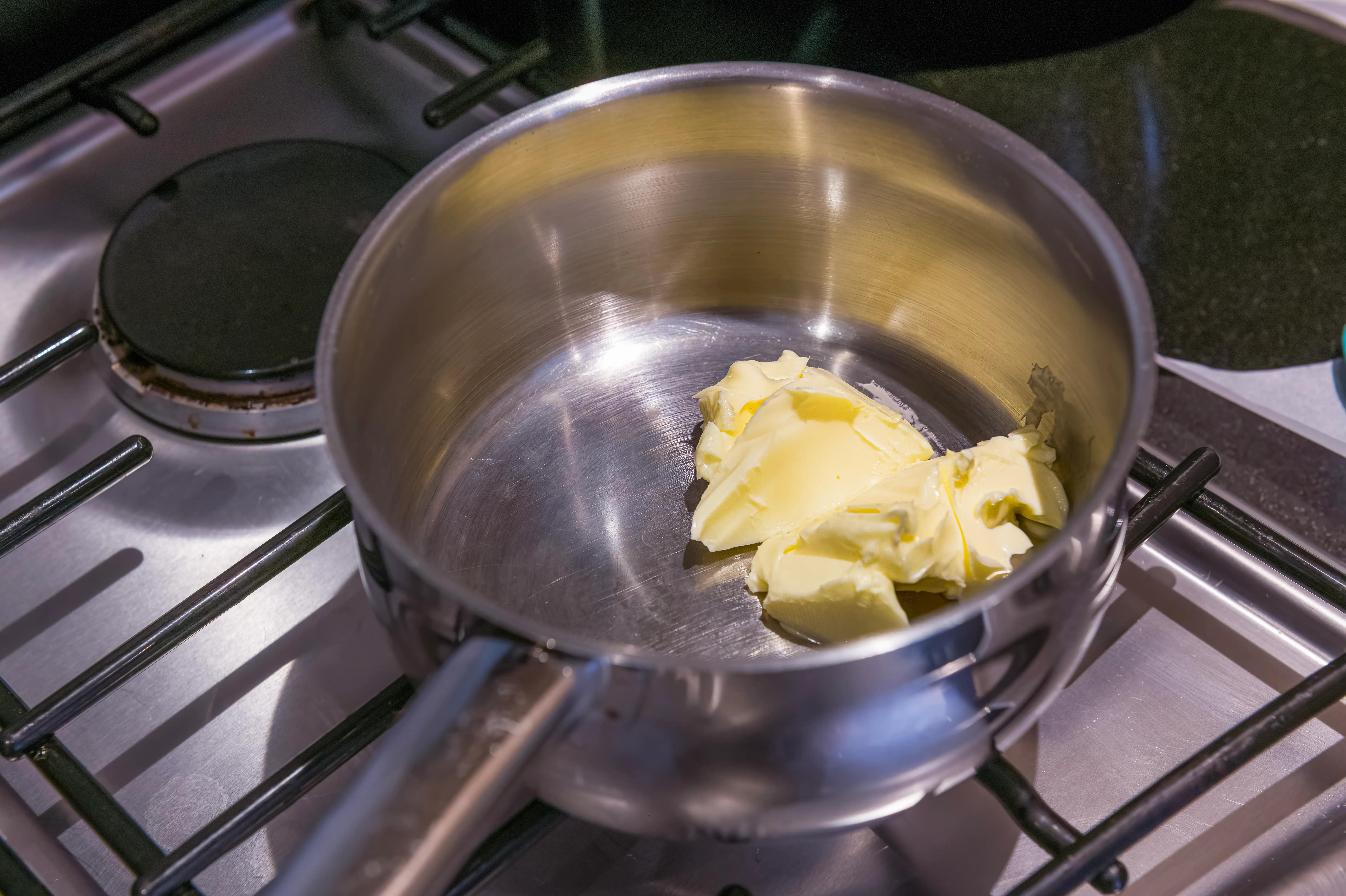
If a recipe is telling you to use a specific oil or butter, you may want to listen. Not all fats are created equal.
Butter and olive oil burn at high temperatures, so use avocado or grapeseed oil for sautéing.
If you want to use butter, you can clarify it — or remove the milk solids by melting and pouring off the liquid — to keep the flavor high and the risk of burning low.
Don’t wait to bring your pasta water to a boil.
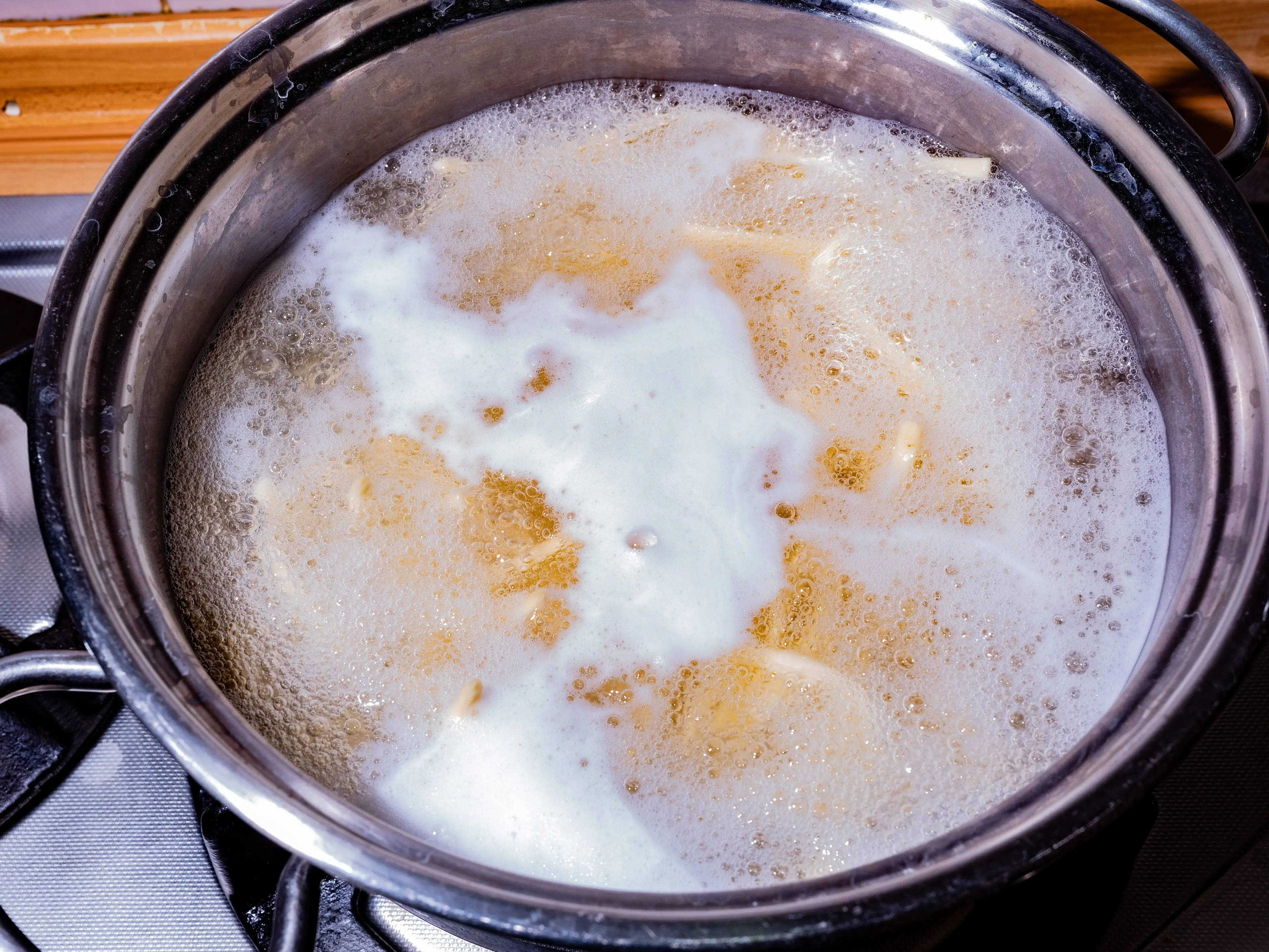
When making pasta, get that large pot of water salted, filled up, and on the stove first thing.
A lot of prepping can be done while the water boils.
When making something like risotto, add cold butter at the end.
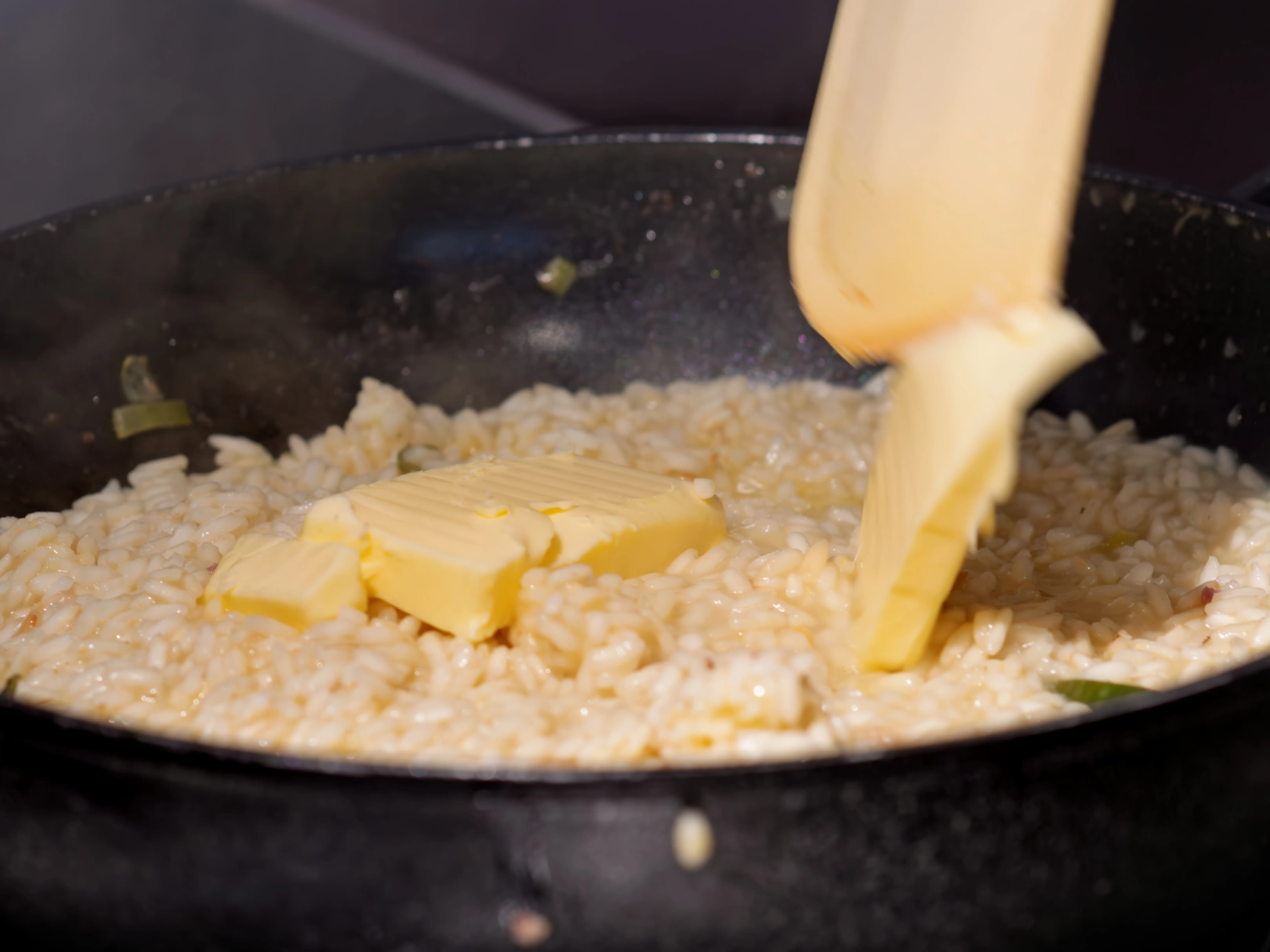
Butter is the secret to a rich risotto, since the ingredient tones down acidity, adds creaminess, and generally makes things taste really good.
Following the beurre monté technique, add a pat of cold butter to a saucepan with a bit of simmering water and swish it around until the mixture is thick and emulsified.
Then, to make the most of the fat, add it to your risotto at the end. This can upgrade things like veggies or pasta, too.
On the other hand, some meals may need an acidic touch.
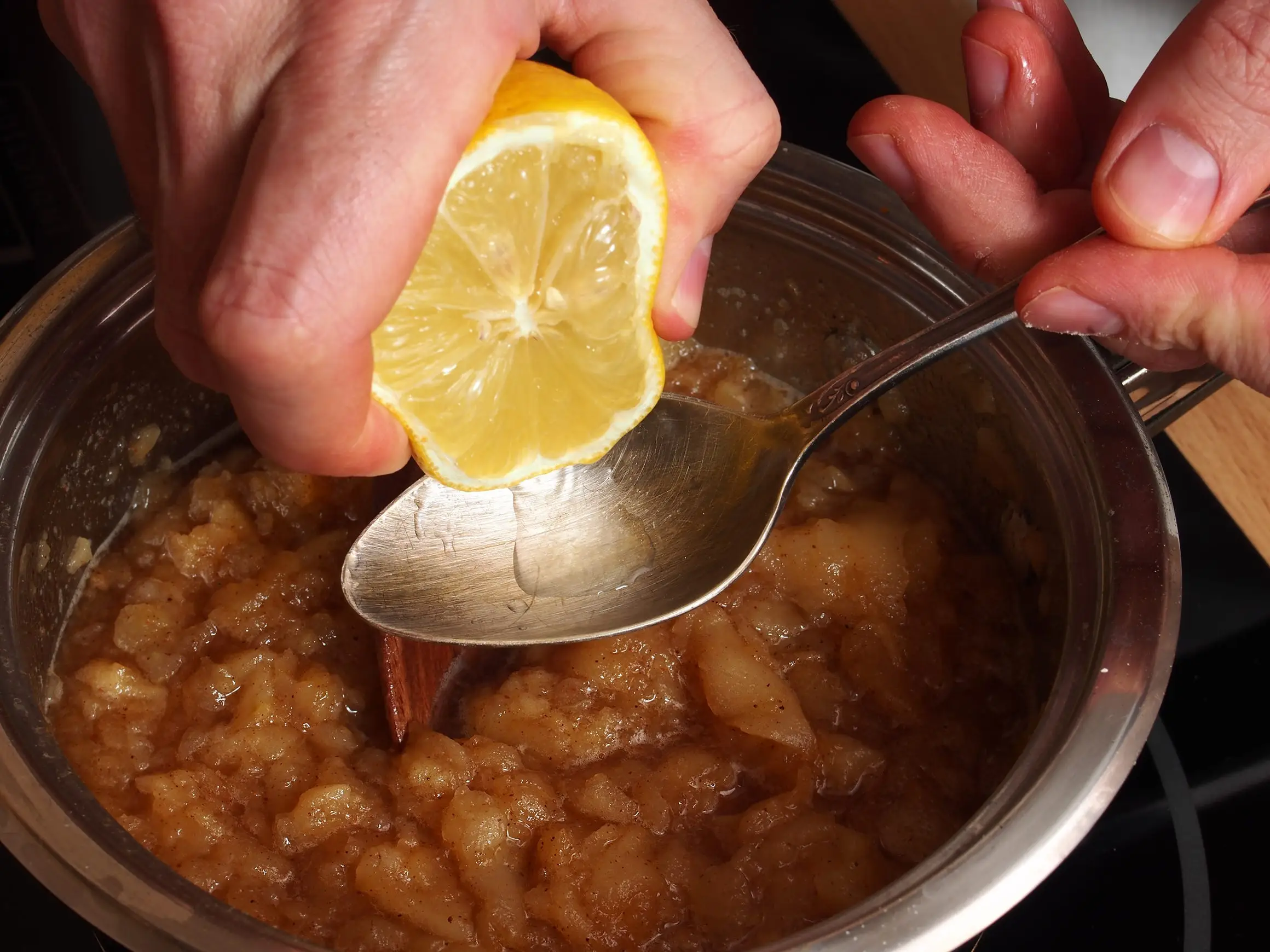
If your sauce is boring or a bit flat, acid may be just the thing to fix it.
Whether it’s lemon juice or vinegar, just a splash of acid can make all the difference in brightening a dish.
Don’t overmix your batters.
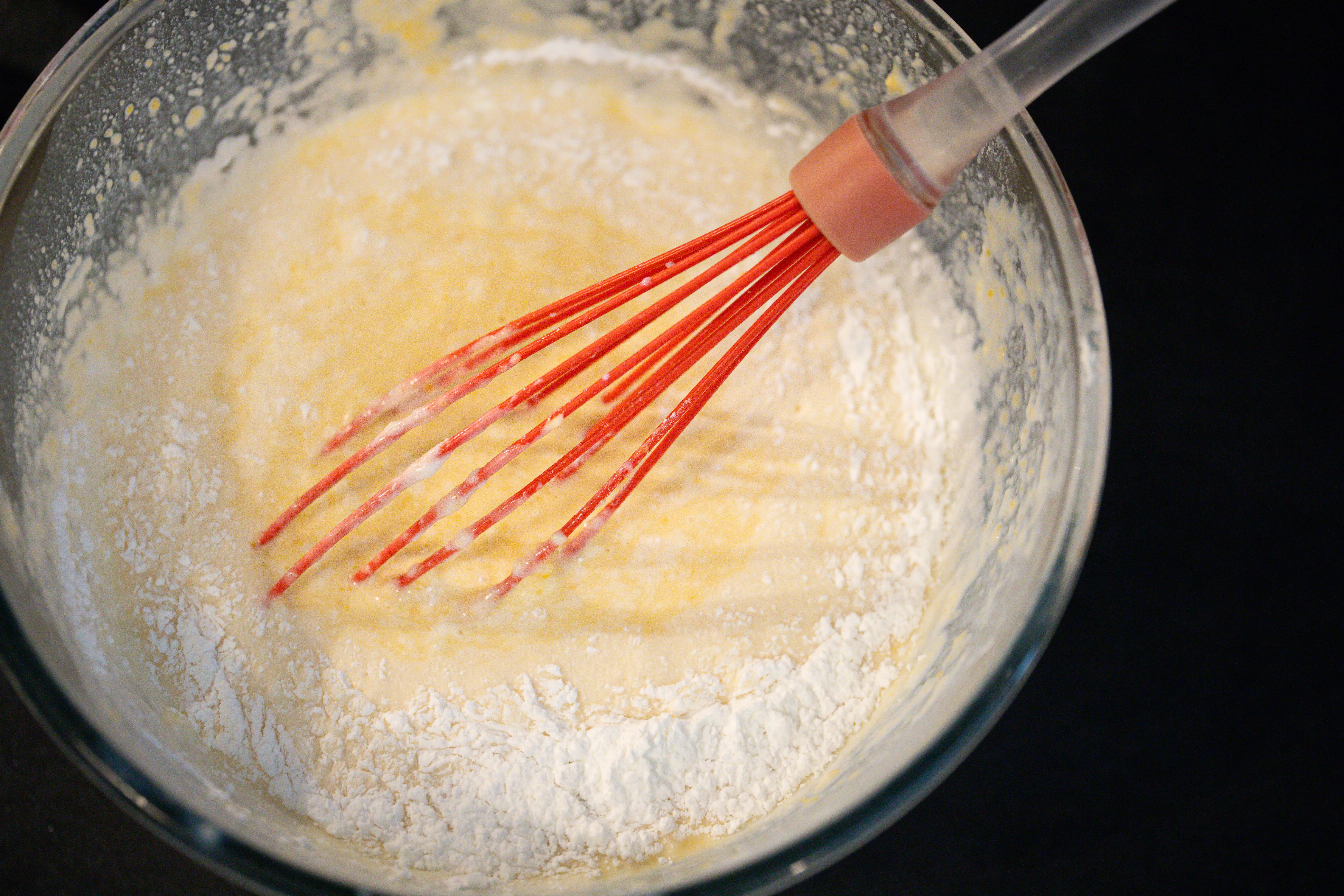
For the fluffiest pancakes and the lightest desserts, mix all your ingredients only until they’re just combined (unless a recipe states otherwise).
Don’t worry about leftover lumps. They’ll generally absorb and hydrate into the batter as it cooks, making those light-as-air baked goods a reality.
Let meat and fish rest at room temperature before cooking.
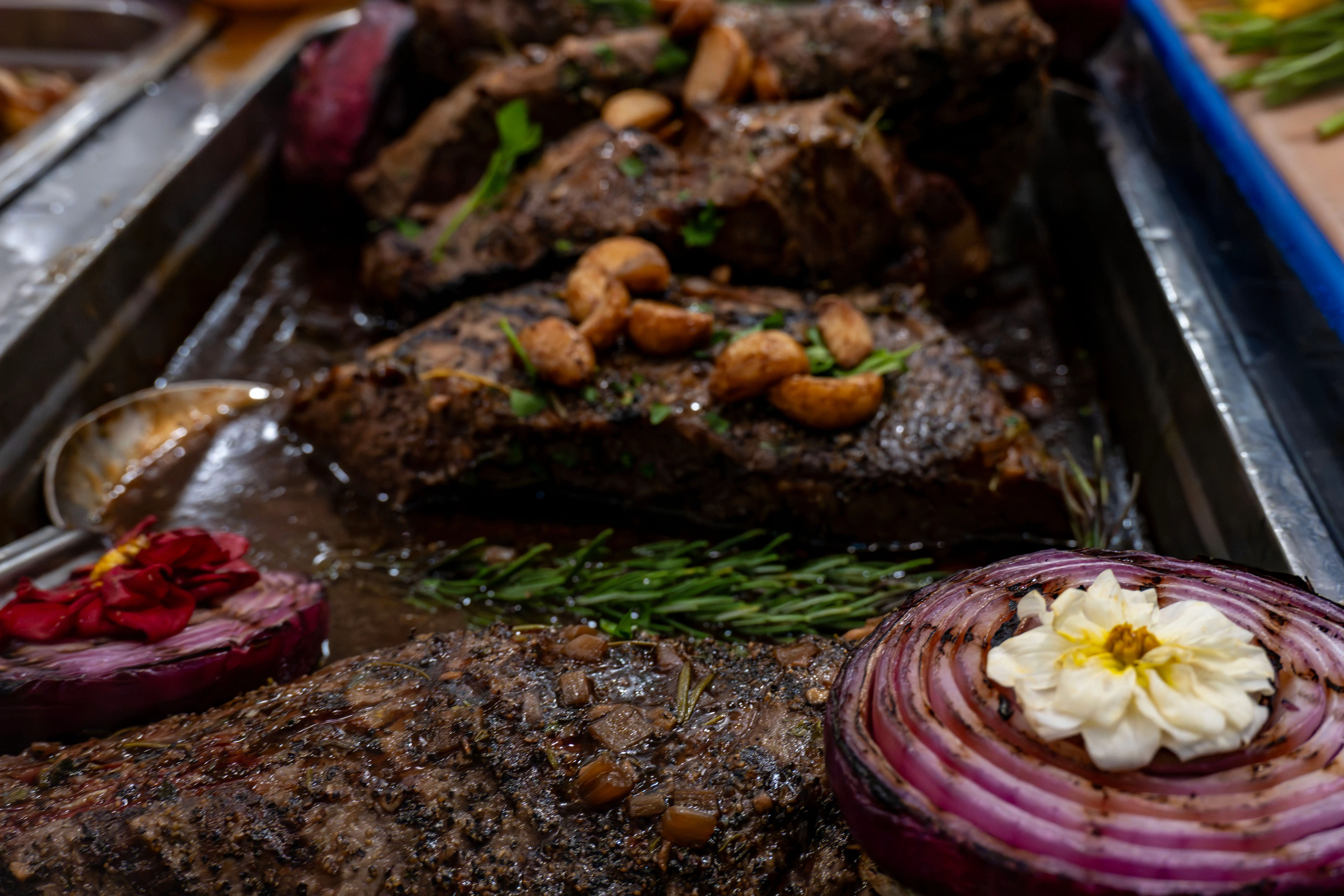
Pull meat and fish out of the fridge about 30 minutes before cooking to temper it, which can allow it to cook more evenly.
Also, rest your meat on a paper towel to absorb surface moisture and help achieve an evenly browned finished product.
Don’t cook everything on the same rack in your oven.
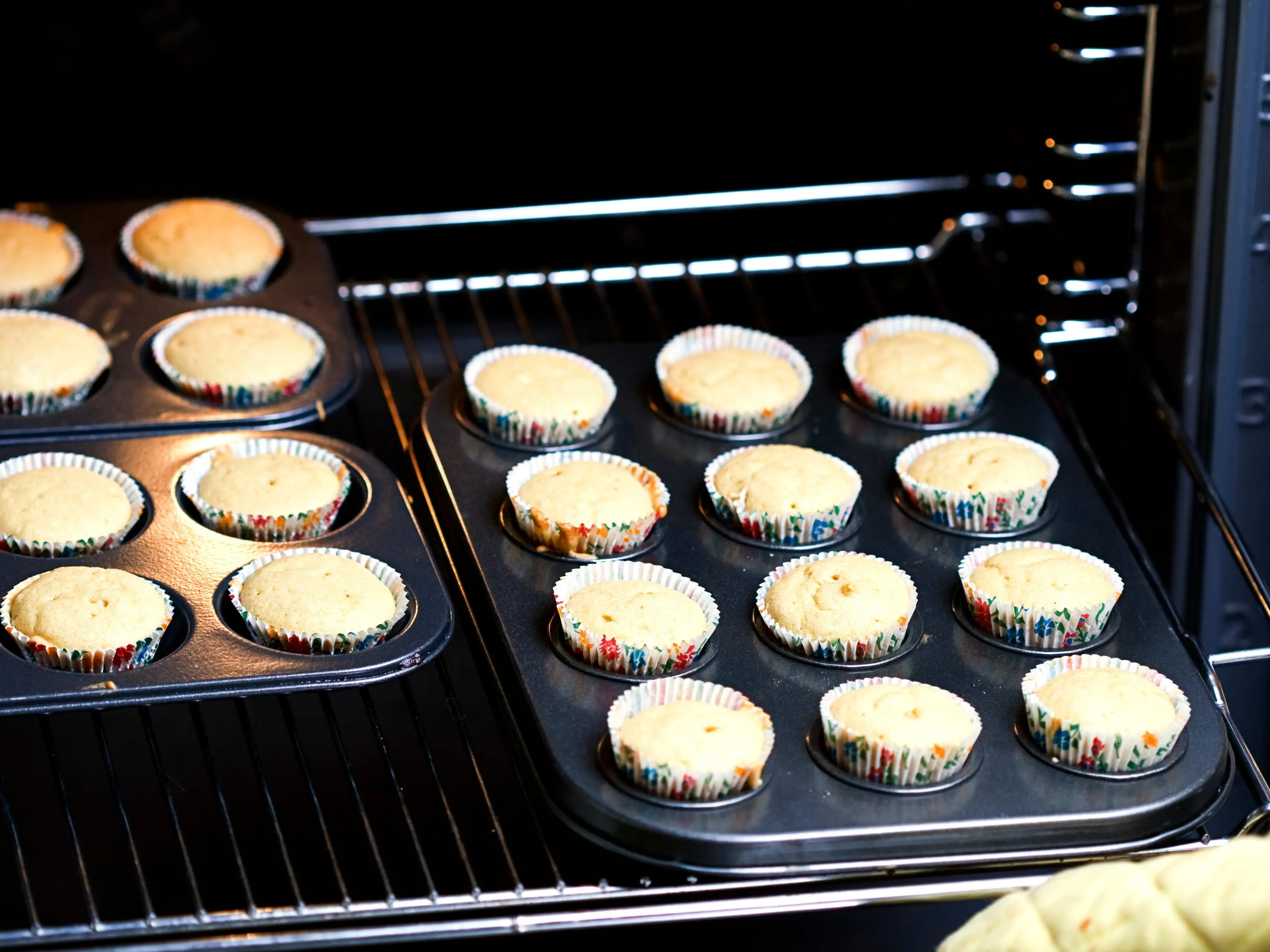
You shouldn’t cook everything in your oven the same way or at the same height.
Roast veggies at high heat on the bottom rack for maximum browning, and finish dishes up top under the broiler for a crispy, melted look.
For baking, you should cook most things in the middle so the heat is evenly distributed from top to bottom.
This story was originally published on April 23, 2022, and most recently updated on January 29, 2026.
Read the original article on Business Insider
The post I’m a chef with over 15 years of experience. Here are 12 tips I learned in culinary school that at-home cooks should know. appeared first on Business Insider.