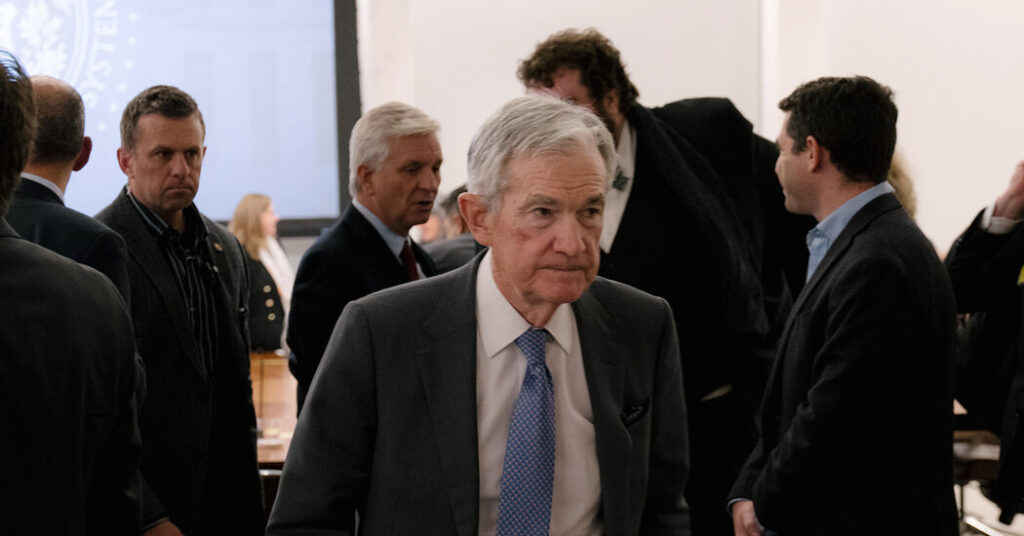
For Jerome H. Powell, the chair of the Federal Reserve, the past month has probably felt like a political eternity.
He has spend much of the time under siege from President Trump, who has resorted again to name-calling in a bid force down interest rates.
He has been subjected to a new federal investigation, the likes of which forced the notoriously cautious Fed chair to raise a rare public alarm about the future of the central bank.
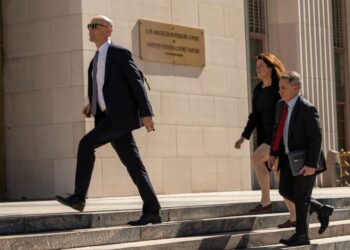
And Mr. Powell has sat in the audience of the Supreme Court while it weighed the fate of one of his colleagues — a fellow Fed governor whom Mr. Trump has tried to oust on fraud charges that have never actually been filed or prosecuted.
All at once, the political forces that had gradually encircled the Fed throughout Mr. Trump’s first year back in office appeared to come to a head in the span of a few weeks, laying bare the stakes for a roughly century-old institution at the heart of the U.S. economy. And it’s in that rare context that the Fed began its two-day rate-setting meeting, which concludes Wednesday with Mr. Powell answering questions at his traditional post-meeting news conference — one that may prove livelier than usual.
The Fed is expected to leave borrowing costs unchanged this month, pausing a series of gradual reductions as it looks to tamp down inflation, which remains above its target. The decision is bound to anger Mr. Trump, who continues to insist that inflation has been defeated — and that affordability is a political hoax — while pining for rates as low as 1 percent.
Mr. Trump has issued his demands while simultaneously considering successors for Mr. Powell, whose term as chair ends in May. The speculation has lasted so long, and been discussed so publicly, that it has even inspired its own betting market on prediction websites, as traders wager over the president’s periodic hints about the candidates atop his shortlist.
Financial markets, at least, have not always responded well to the political chaos, the likes of which saw every living former head of the central bank express unease at one point about the fundamental threats facing the Fed. And yet Mr. Trump and his aides have remained unbowed, insisting that interest rates should be much lower than what many policymakers believe to be appropriate.
“I’d like to see rates go down,” Mr. Trump told reporters Tuesday.
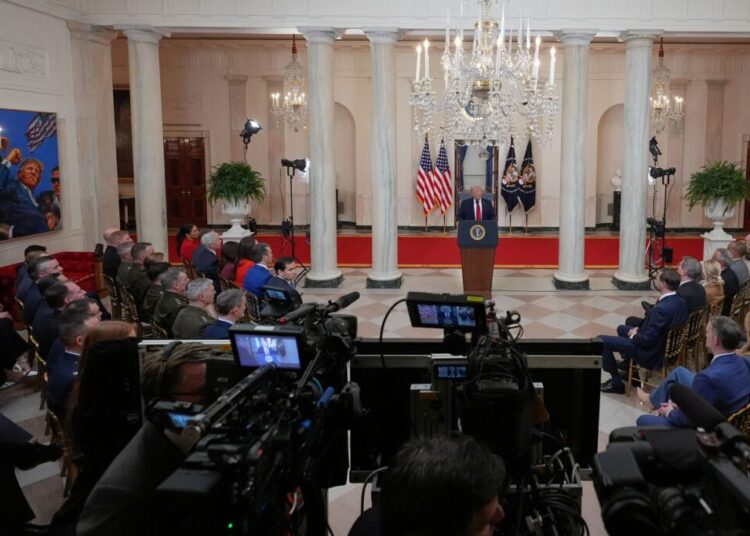
Mr. Trump continued the attack during a rally at Iowa, saying Mr. Powell “wants to keep rates as high as possible,” as he promised to name a replacement as chair soon.
Then Mr. Trump added: “You’ll see rates come down a lot.”
Tony Romm is a reporter covering economic policy and the Trump administration for The Times, based in Washington.
The post Fed Meeting Comes at Pivotal Moment for Central Bank’s Independence appeared first on New York Times.