In 2026, there are leaders across the U.S. who remain steadfastly committed to the idea of creating a more equitable world.
In California, the Black Freedom Fund, led by CEO Marc Philpart, is aiming to build up a $200 million endowment to invest in Black-led organizations. In New York City, curator Thelma Golden recently unveiled the newly renovated and expanded building for The Studio Museum in Harlem, a space devoted to highlighting contemporary Black art. In St. Louis, Invest STL CEO Dara Eskridge is creating a model to revolutionize the way cities invest in their communities. In Hollywood, actor Karen Pittman has shared her own story of experiencing food insecurity to advocate for the millions who rely on government benefits. And on a national stage, Nneka Ogwumike, president of the WNBA union, is fighting for a collective bargaining agreement that will reward players for their contributions to the explosive growth of women’s basketball.
[time-brightcove not-tgx=”true”]
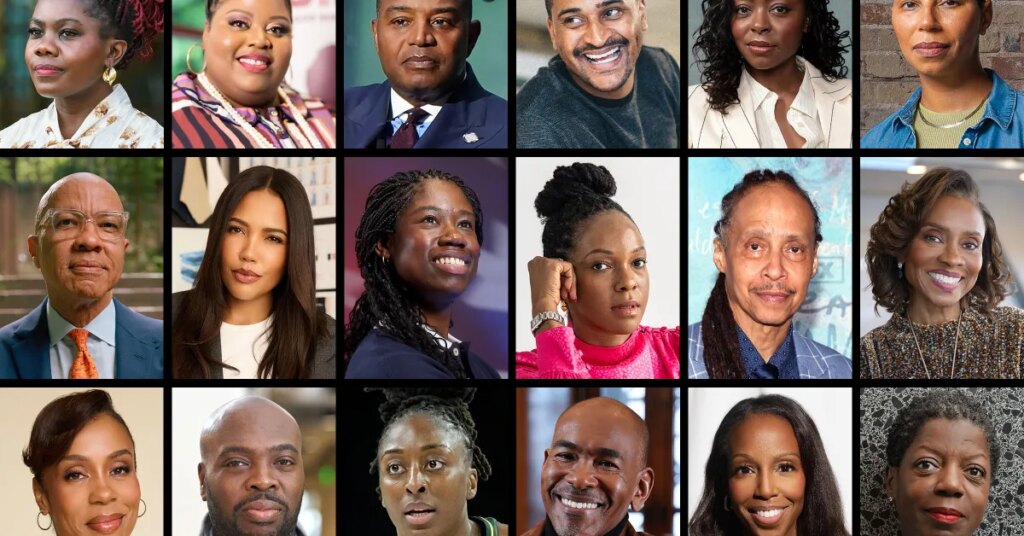
Philpart, Golden, Eskridge, Pittman, Ogwumike, and 13 additional individuals comprise the 2026 Closers, TIME’s annual list highlighting Black leaders who are making an impact in the arts, academia, sports, health, philanthropy, and more—in their local communities and nationwide. When we sat down with our colleagues this fall to begin brainstorming potential candidates for this project, we found an abundance of examples such leaders who, in ways big and small, were gaining traction.
In an interview, actor and 2026 Closer Danielle Deadwyler describes her desire to bring more works by Black women to the big screen. “I want to be a tree, extending a branch in all directions, enabling others in my community to grow in the ways they need to,” she says.
The year ahead looks bright for Deadwyler, nominated for a NAACP Image Award for her role in 40 Acres, and for many of her fellow Closers. Speed skater Erin Jackson made history at the 2022 Beijing Olympics as the first Black woman to win an individual gold medal at the Winter Games—and is going for gold once again in Milan. And in April, public health practitioner Angela Doyinsola Aina and the Black Mamas Matter Alliance will once again celebrate Black Maternal Health Week—an annual campaign to promote learning and connection, and catalyze change.
The 2026 Closers are undaunted by forces that may seek to stand in their way. “We have to meet the moment,” says author and Black history scholar Imani Perry, who takes inspiration from the example set by leaders of the civil rights movement. “We can still read the banned books, teach each other what needs to be taught, and maintain an imagination for a just society.”
See the full list—and read interviews with each of the 2026 Closers—here.
The post How We Chose The Closers appeared first on TIME.