If you’ve ever had a urinary tract infection, you know the misery — the frequency, urgency and pain of urination. And if you’ve had recurrences, you’ve probably tried nearly everything to prevent them.
UTIs are common, accounting for up to 10.5 million office visits and 3 million emergency room visits each year in the United States, according to some estimates. They are usually caused by E. coli bacteria — and recent research suggests that, in some cases, the bacteria may come from contaminated meats.
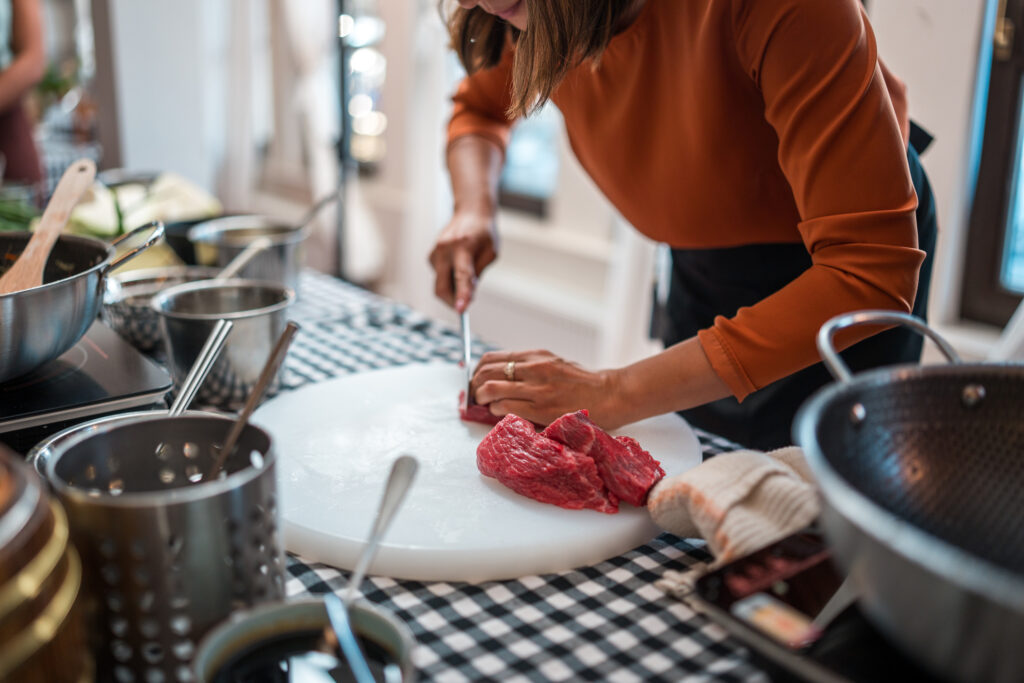
While people have E. coli normally residing in their guts, some research suggests that UTI-causing strains from animals can sometimes play a role. Scientists believe you may come into contact with certain types of bacteria if you eat undercooked meat or from cross contamination, when bacteria are spread via your hands, utensils or other foods, while handling meat.
This is mostly a risk for women, who get UTIs up to 30 times more often than men, according to the Office on Women’s Health.
UTIs are not usually dangerous, though they can be painful and debilitating. In rare cases, however, the bacteria can ascend to the kidneys, causing kidney infections, or get into the blood, causing sepsis, which can be potentially life-threatening, said Craig Comiter, a professor of urology and obstetrics and gynecology at Stanford University School of Medicine.
Contaminated meat may cause UTIs
In a 2025 study, researchers found that nearly 1 in 5 UTIs in a group of patients in Southern California was probably from E. coli contamination in meats and poultry, including turkey, chicken and pork.
A previous study estimated that foodborne E. coli may account for up to 640,000 UTIs each year in the United States, based on findings that 8 percent of extraintestinal E. coli infections were linked to animals, though not all infections were UTIs.
It’s not yet clear whether avoiding meat can help prevent UTIs (studies are underway), though limiting exposure to E. coli from undercooked meat is always a good idea.
How to treat UTIs
While uncomplicated UTIs may clear up on their own, Comiter said, treatment with antibiotics is recommended to speed up recovery and prevent complications.
In addition, over-the-counter phenazopyridine (AZO), a urinary analgesic, may help ease urinary tract pain, said Sara Cichowski, a professor of urogynecology at Oregon Health & Science University.
If you develop fever, chills, nausea, vomiting or back pain, or if your symptoms get worse while taking antibiotics to treat a UTI, seek medical attention as that may mean the infection has worsened, she said.
How to prevent UTIs
There are ways to help prevent UTIs, particularly for people who get recurrent infections. Women are more prone to UTIs partly because they have a shorter urethra than men, making it easier for bacteria to reach the bladder, Cichowski said.
Also, she said, as women age, they may get more UTIs as the loss of estrogen after menopause weakens the urethra and bladder, alters the vaginal pH and creates changes in the vaginal microbiome.
(When men get UTIs, there is usually a predisposing factor such as benign prostate enlargement, which leads to urine retention and increased bacterial growth — a risk factor for infections, experts said.)
Here are some suggestions from experts to help prevent UTIs, particularly among women:
- Drink at least 50 ounces of water per day to help flush bacteria from the urinary system. Though evidence is inconclusive on whether drinking a certain amount of water can prevent UTIs.
- Wipe front to back to limit the spread of bacteria to the urethra.
- Try over-the-counter cranberry tablets. Cranberries are rich in proanthocyanidins (PACs), which, in some patients, may help prevent bacteria, particularly E. coli, from sticking to the bladder walls where it can cause an infection. Although there is no standard dose for PACs and cranberry products are not regulated, Cichowski suggested tablets with 36 PACs. The research is mixed on whether cranberry juice can prevent UTIs, but Comiter said he doesn’t recommend it because it’s not concentrated enough and often contains sugar and other additives.
- Consider methenamine for recurrent UTIs. The nonantibiotic prescription medication acts to kill bacteria that cause urinary infections. However, it may cause side effects, including an upset stomach.
- For postmenopausal recurrent UTIs, consider vaginal estrogen. Based on clinical trials, expert guidelines support use of vaginal estrogen in the form of a cream, tablet or ring as an effective way to help prevent recurrent UTIs in postmenopausal women.
Food safety is also important, and you can take these steps to reduce your risk of foodborne illnesses and UTIs, said Ellen Shumaker, the director of outreach for Safe Plates, the food safety program at North Carolina State University.
- Wash your hands with soap and water. Clean your hands before preparing raw meats and after handling them to avoid cross contamination in the kitchen.
- Separate raw meats from other foods. Keep raw meats away from foods that won’t be cooked before eating, such as green salads, by using different cutting boards and utensils.
- Use a meat thermometer. Cook meats including beef, pork, poultry and fish until they reach the minimum internal temperature recommended by the Agriculture Department. A steak, for instance, should be cooked until it reaches 145 degrees Fahrenheit, while a chicken breast should reach 165 degrees.
- Clean and sanitize your workspace. After preparing raw meats, clean your cutting board, utensils, countertops and kitchen sink with hot water and soap. Then, USDA recommends sanitizing with a commercial sanitizer or homemade one using 1 tablespoon of chlorine bleach per gallon of water.
Are you wondering whether to believe a hyped-up health tip, viral wellness trend or long-standing scientific claim? Email [email protected] and we may answer your question in a future column.
The post Can eating meat increase your UTI risk? What experts want you to know. appeared first on Washington Post.