Maybe you’ve heard that water, one of life’s necessities, will be in short supply at some point in our dystopian future. Maybe you’ve heard that some people are so sure it’s going to happen that folks who foresaw the housing market crash of the aughts are already placing their bets on anything and everything to do with water scarcity, or, rather, water bankruptcy, the specific term for a place that uses more water than nature can replace, and for long enough that the system itself starts to fail.
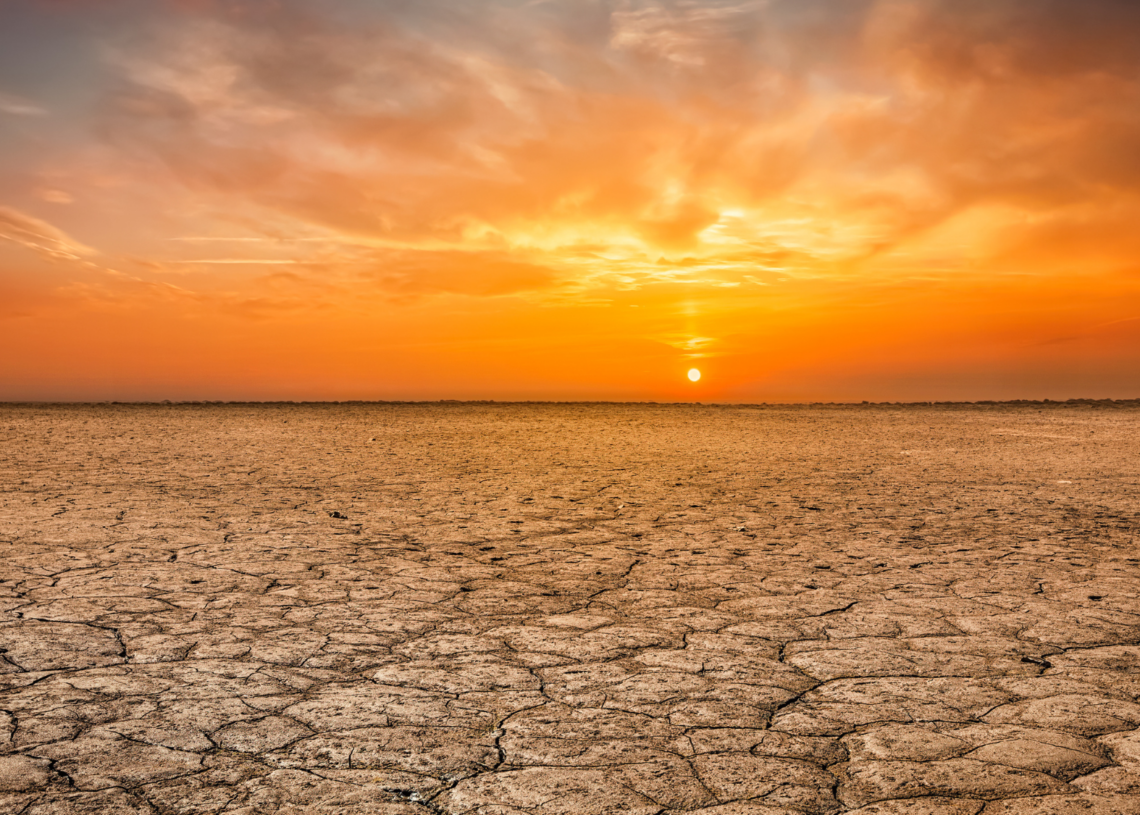
According to an essay in The Conversation written by Kaveh Madani, the director of the Institute for Water, Environment and Health at United Nations University, around 4 billion people already live with severe water scarcity for at least one month each year, and the warning signs are getting tougher to ignore. Reservoirs are shrinking, and cities are sinking. Farmers are pivoting to crops that make more economic sense in permanent drought conditions. Wildfires and dust storms are now common expectations instead of freak emergencies.
We’ve mistreated the planet, and now we’re paying the price.
He argues that, for decades, we’ve been overspending our water supply and draining our reserves to keep cities growing, agriculture expanding, and industries humming. It’s hard to argue that it doesn’t work, because it absolutely does, but it works until suddenly even your backup reserves are tapped dry because you didn’t know when to stop.
Demand has outpaced supply so badly that deeper wells and bigger pumps no longer solve the problem. Overpumped groundwater causes land to collapse, and cities like Mexico City and Jakarta are sinking because the underground “sponge” that once held water has been permanently crushed. You can’t refill it once it’s gone.
Agriculture is the biggest culprit, using about 70 percent of the world’s freshwater. More than half of global food production depends on water systems that are unstable or in decline. When the wells run dry, food prices rise, which leads to companies cutting jobs, which all leads to political tensions rising, which already feel like they’re at a fever pitch and will likely only get worse.
All of this is already happening. It’s just a matter of how much worse we’re going to allow it to get. Considering that climate change is accelerating all of it, it’s going to take some massive, daring collective action to fix our water bankruptcy problems before it’s too late. Yet, we keep building as if water is always just going to magically show up when we open a faucet.
Water bankruptcy doesn’t mean the world is doomed, but it does mean the era of pretending limits don’t exist is over. The choice now is simple: keep spending water we don’t have, or redesign our cities, farms, and economies to survive with less before nature takes the decision out of our hands.
The post What Experts Mean When They Say the World Is in ‘Water Bankruptcy’ appeared first on VICE.