The National Air and Space Museum’s Steven F. Udvar-Hazy Center features over 200 historic aircraft on display, but visitors can also get a closer look at modern passenger jets as they fly through the sky.
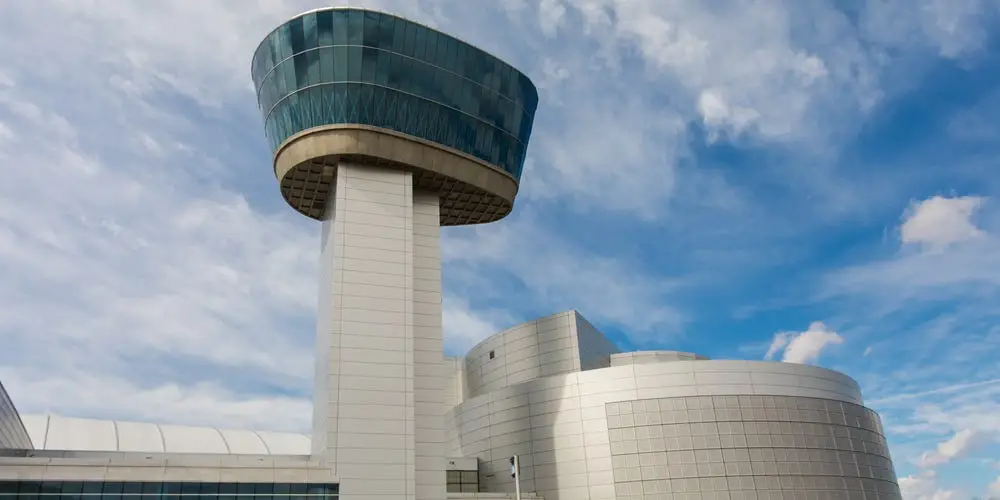
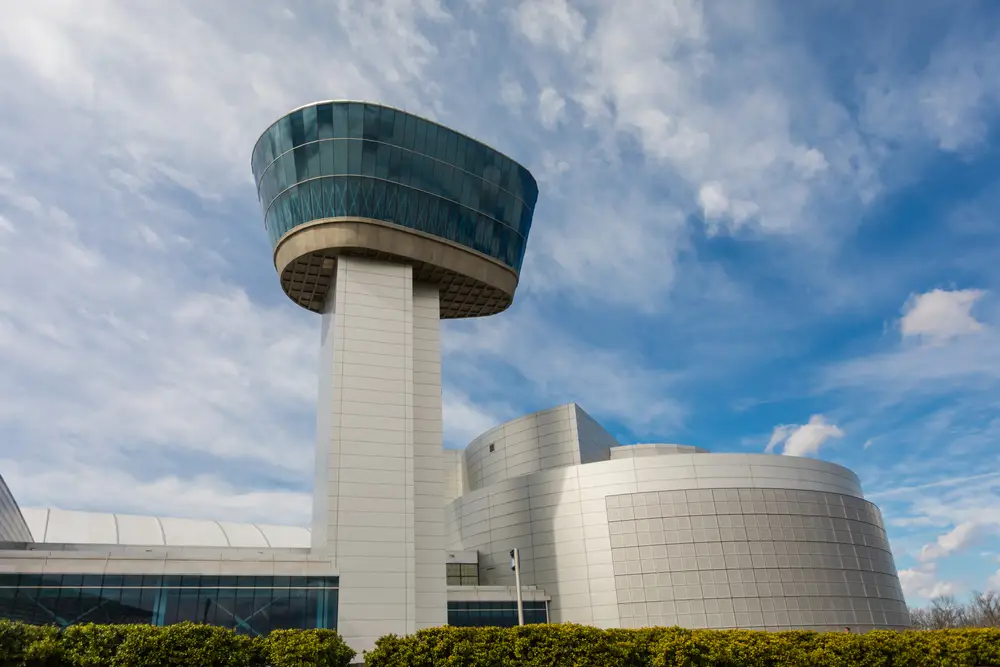
The Udvar-Hazy Center’s Donald D. Engen Observation Tower overlooks Washington Dulles International Airport, the largest in the DC area.
The tower provides a 360-degree view of planes taking off and landing while streaming live Air Traffic Control audio from Dulles. It also features a small exhibit about the history of Air Traffic Control.
Take a look inside the National Air and Space Museum’s observation tower — and see the views it offers visitors.
The Donald D. Engen Observation Tower overlooking Dulles Airport stands at 164 feet tall.
The Steven F. Udvar-Hazy Center is located on Dulles Airport property in Chantilly, Virginia, and the observation tower is its highest structure.
Parking costs $15, but admission to the museum is free.
The elevator waiting area was reminiscent of an airport with rows of chairs and stanchions.
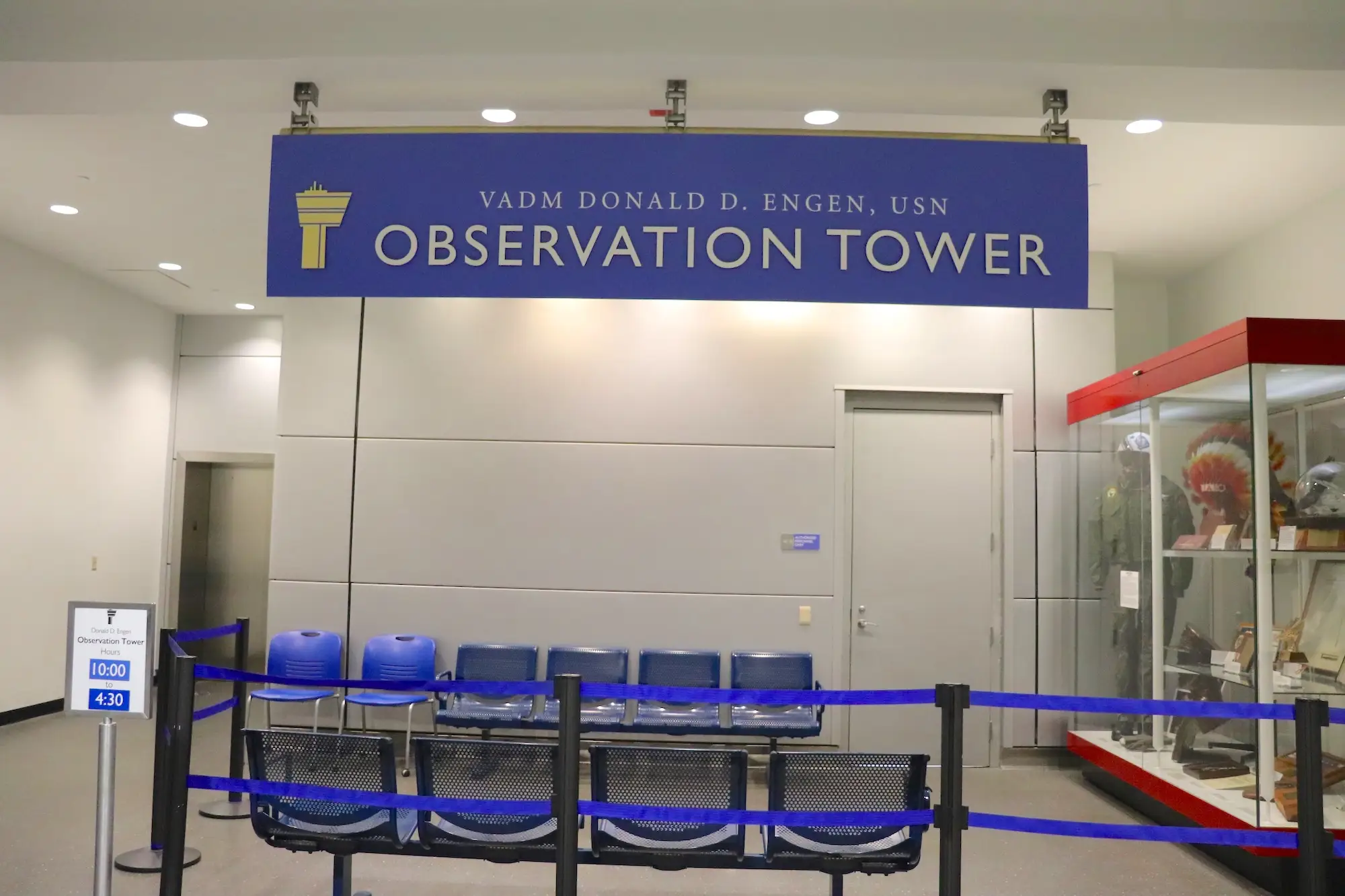
When I visited in January, the observation tower closed at 4:30 p.m., an hour before the rest of the museum closed at 5:30 p.m.
The observation tower was my last stop after touring the rest of the museum, so I was grateful for the chance to sit and rest my feet in the waiting area.
The observation deck was located on level seven.
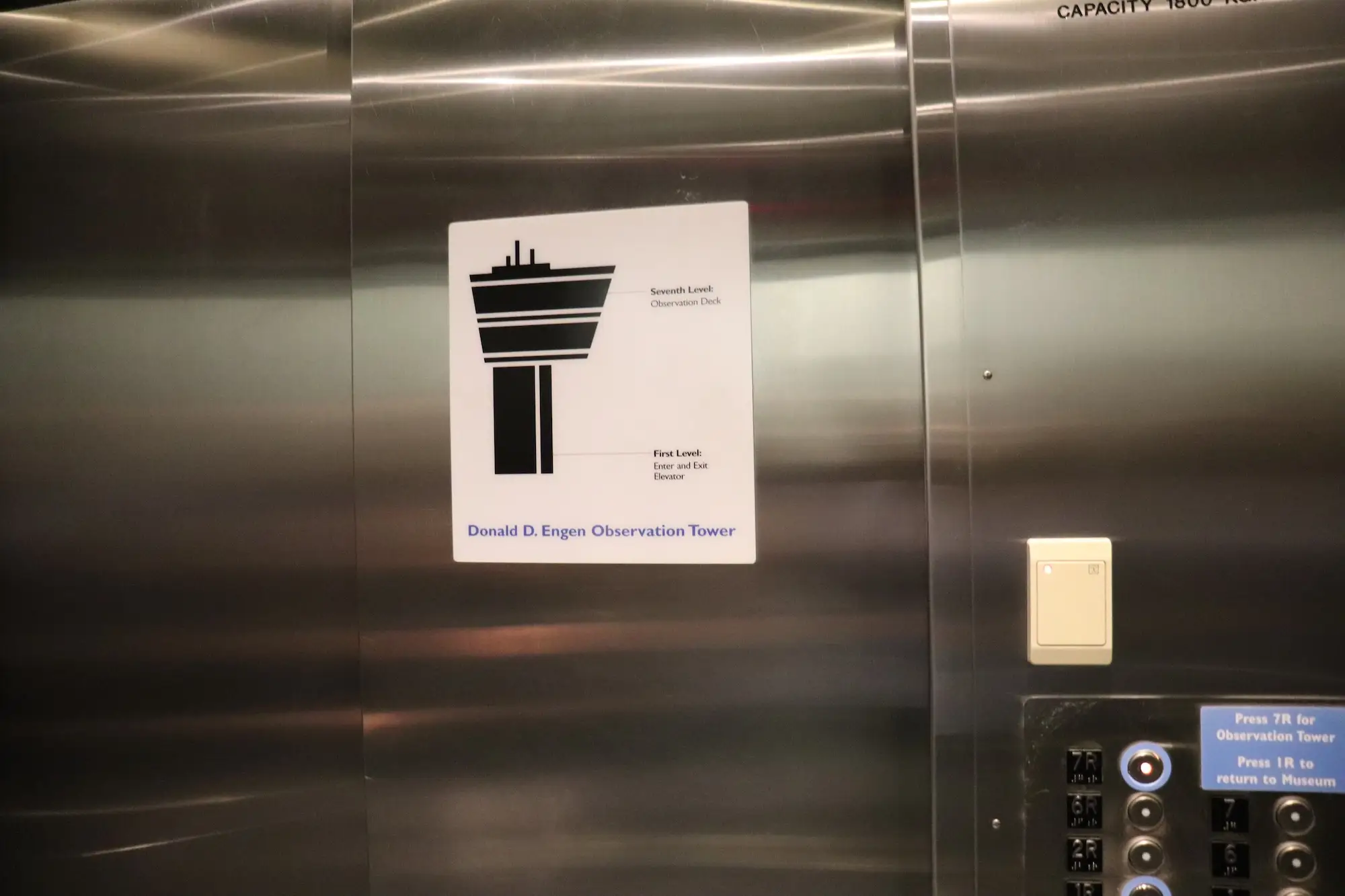
After a short elevator ride, I arrived at the top of the tower.
The floor-to-ceiling windows provided a 360-degree view of Dulles Airport and the surrounding area, as well as the museum below.
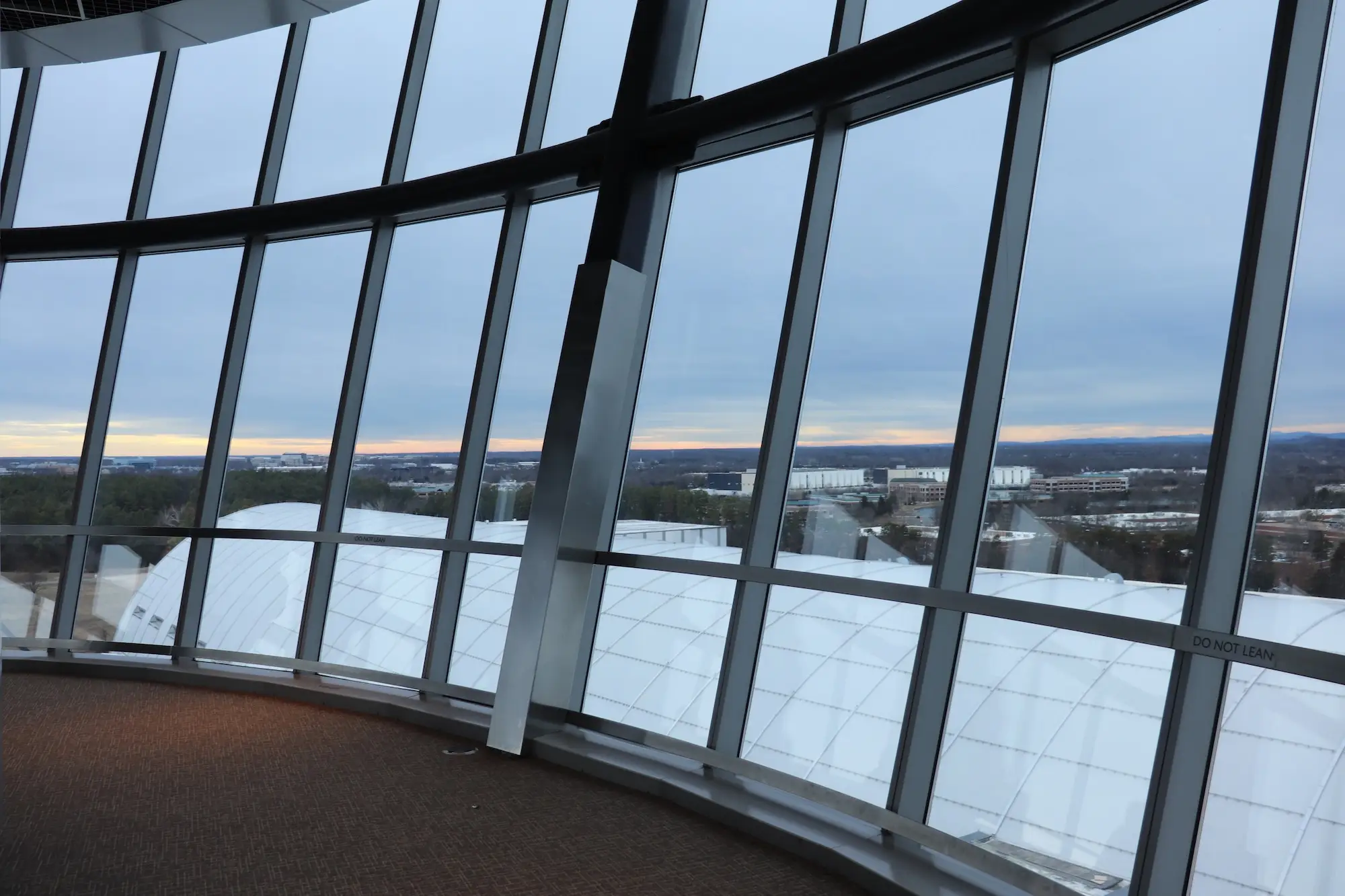
Looking down at the museum’s 10-story aviation and space hangars from above showed me just how large the entire complex is: 760,000 square feet, to be exact.
On the western horizon, mountain ranges were visible through the cloudy haze.
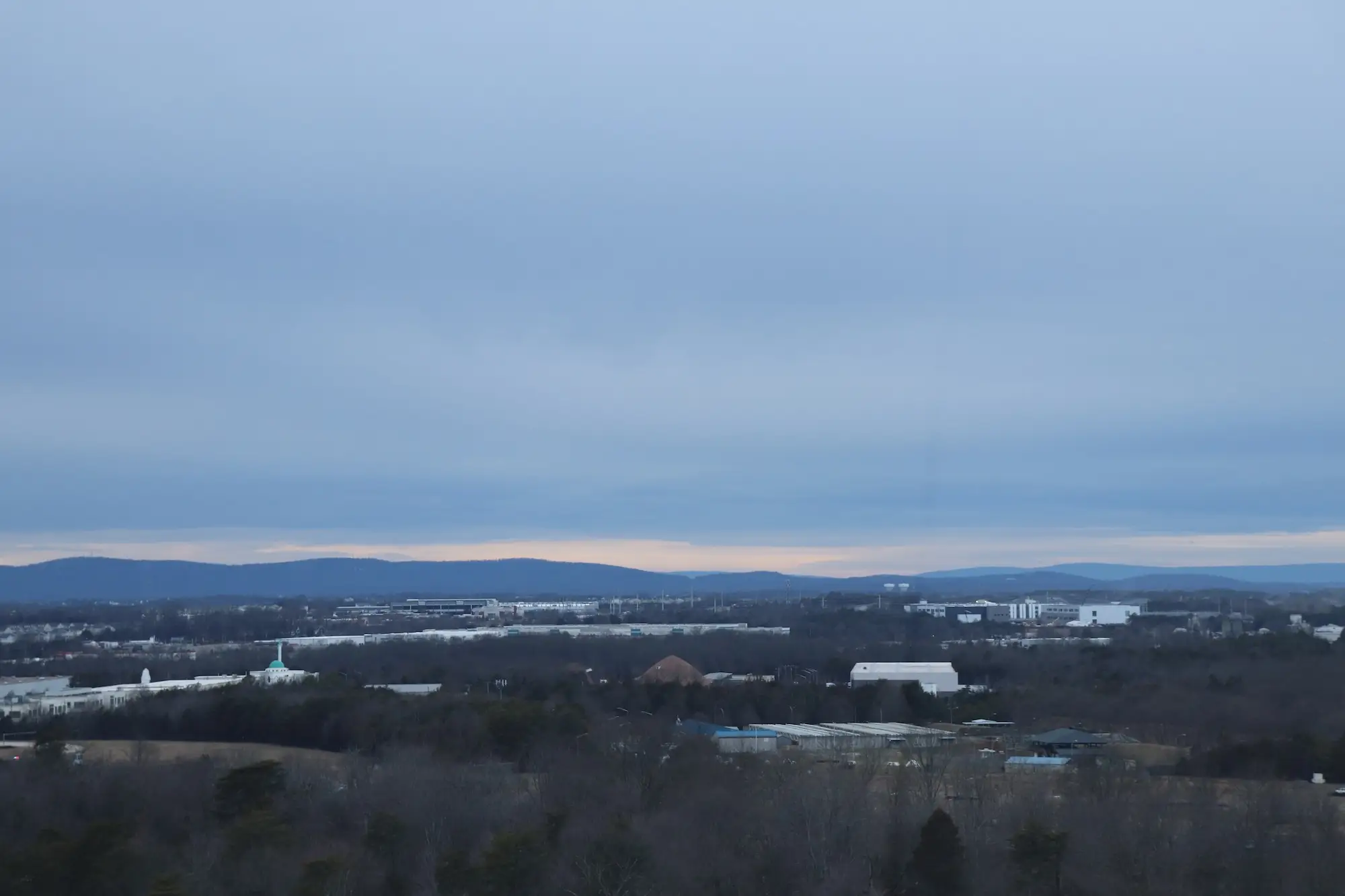
An informational plaque indicated that the Bull Run and Catoctin mountain ranges were 12 miles away, and the Blue Ridge mountains were 23 miles away.
Dulles Airport’s north-south runways and control tower were located north of the museum.
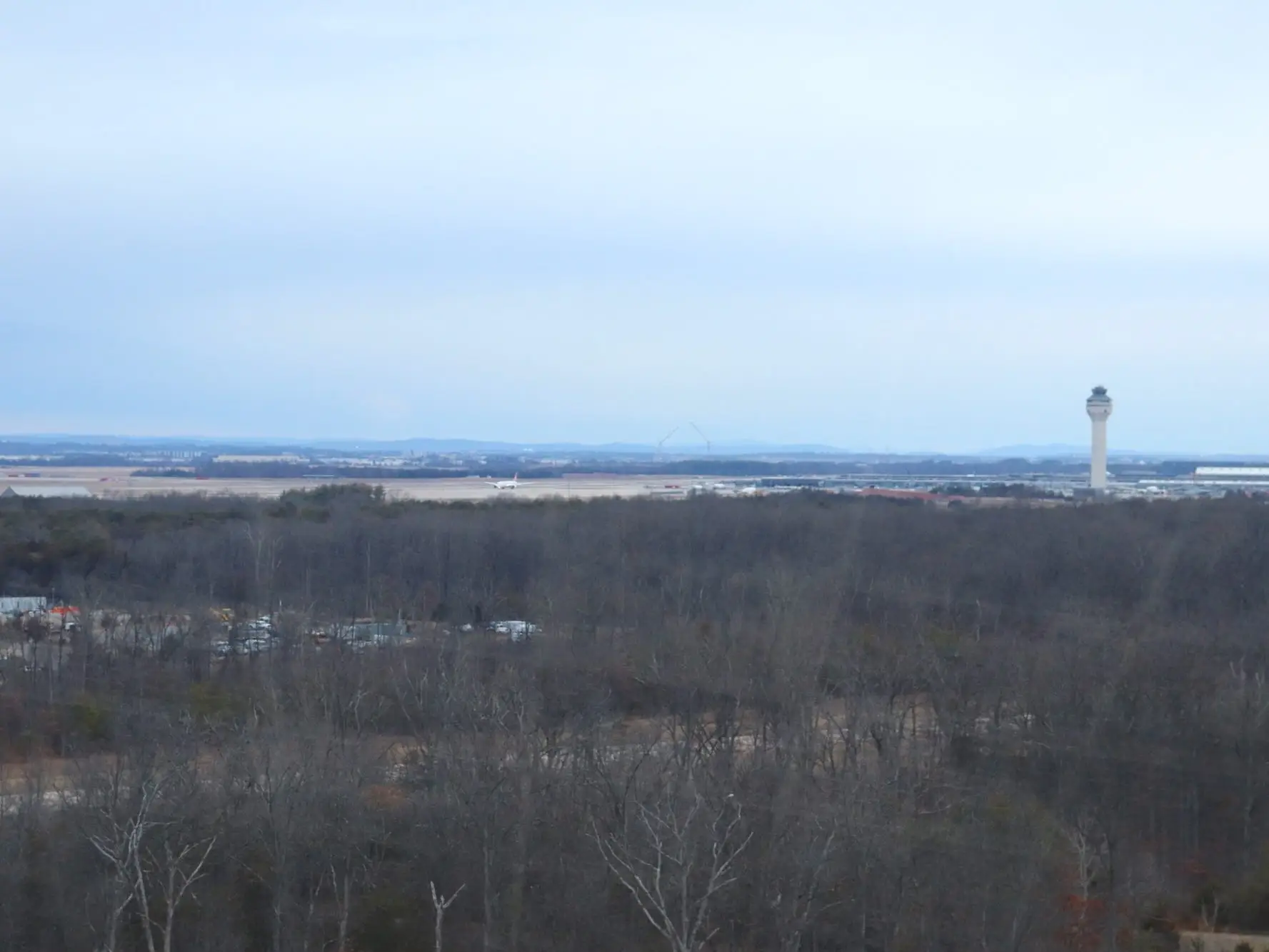
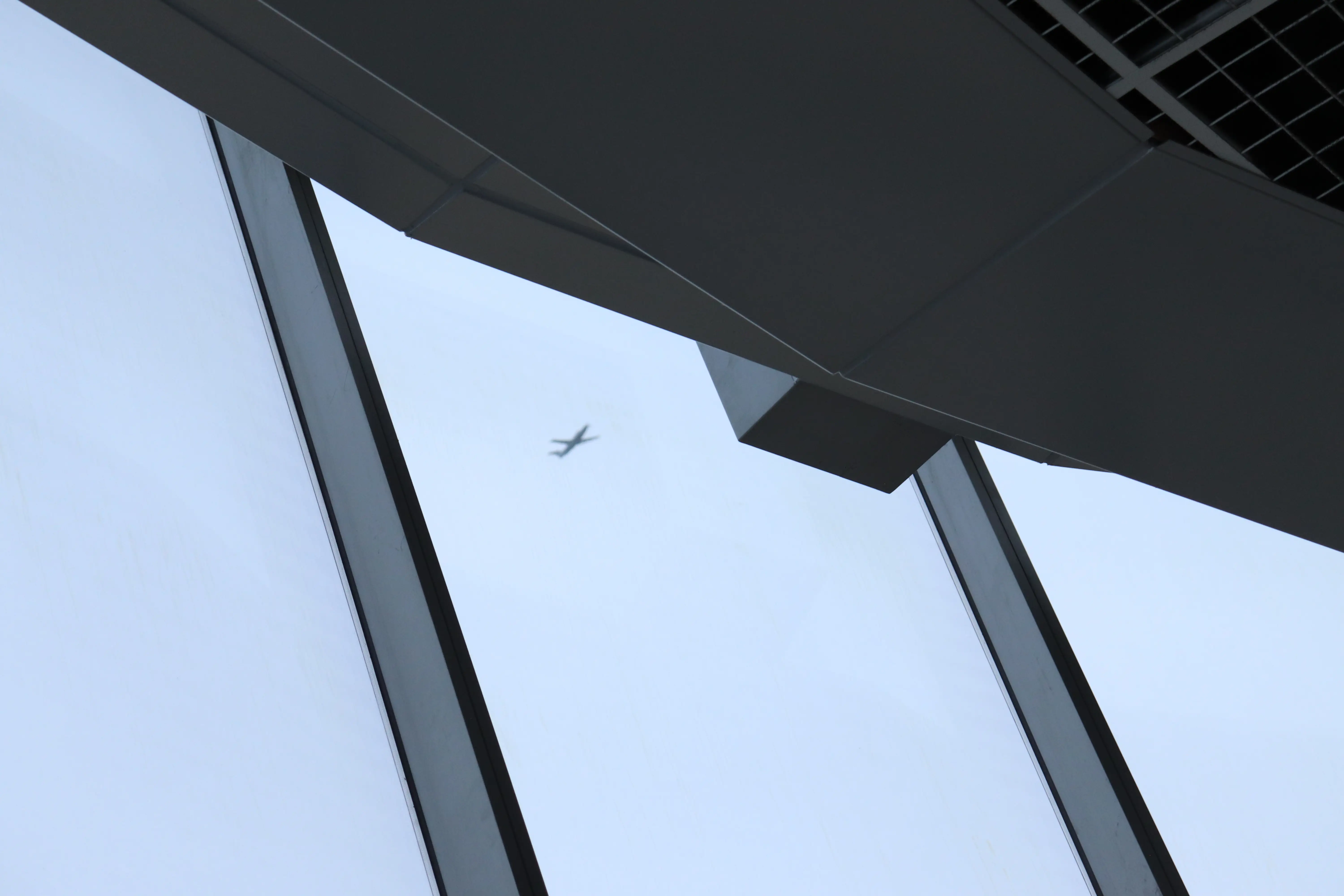
I could see planes taking off and landing at the airport, with some planes passing directly over the observation tower. On a clearer day, I likely would have been able to see more aircraft in the sky.
A museum guide told me that airports change the direction of takeoffs and landings on their runways depending on the wind’s direction.
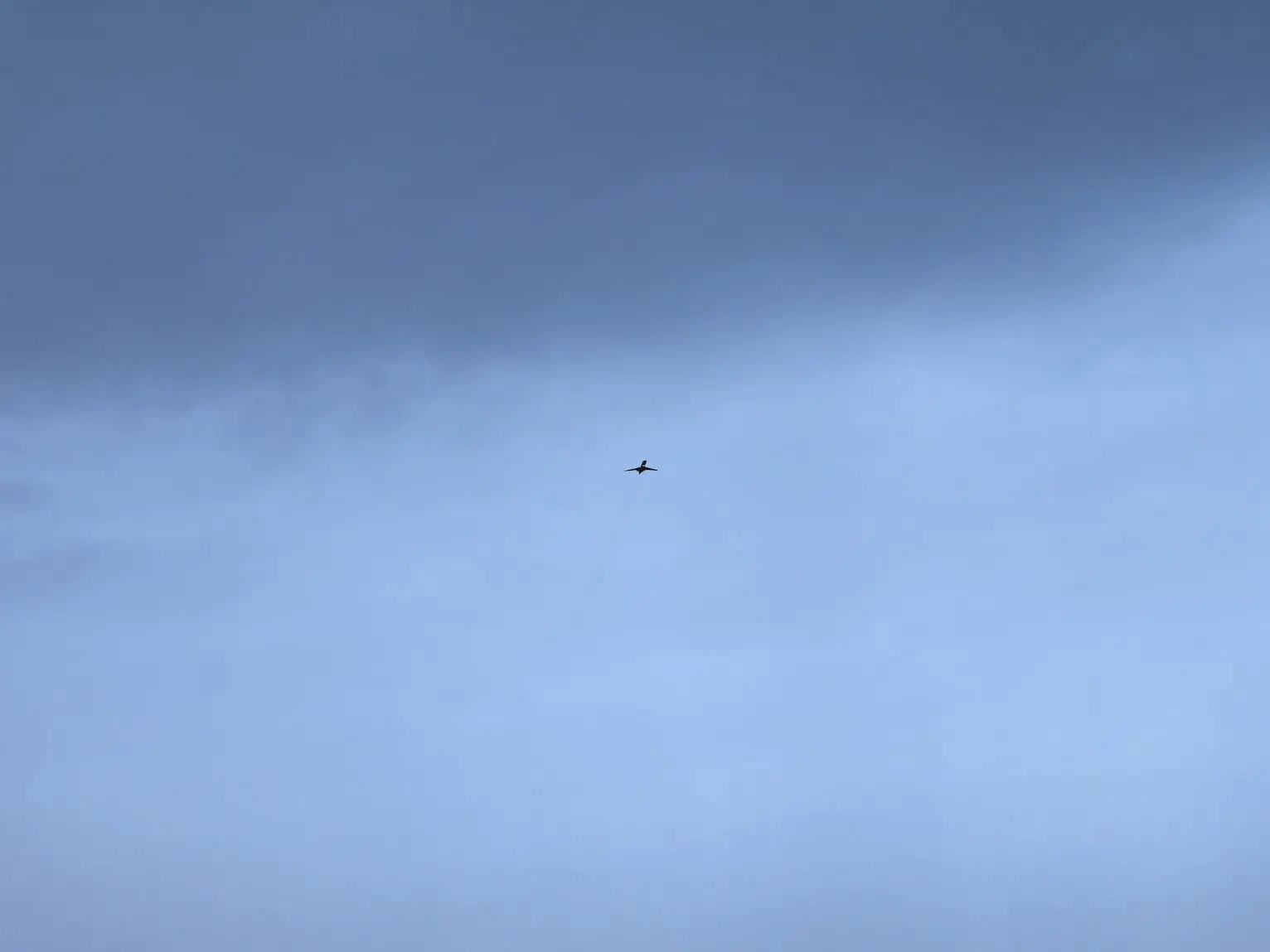
Planes take off into the wind for extra lift. Landing into the wind helps them reduce speed.
The museum streamed live Air Traffic Control audio from Dulles Airport into the observation tower.
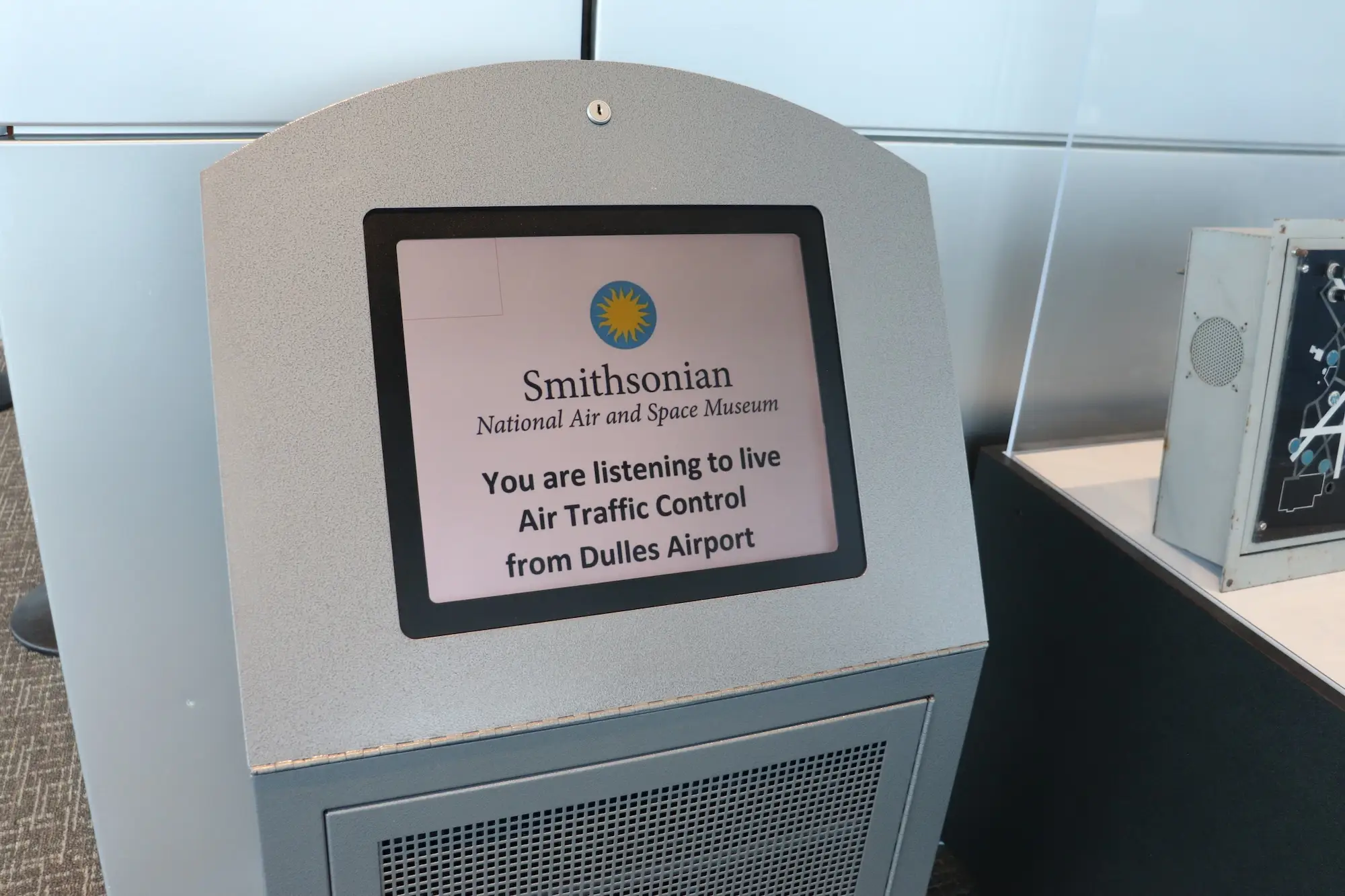
I could hear air traffic controllers instructing flights to turn certain directions or use certain runways at Dulles, but much of it was jargon meant for pilots.
The observation tower also featured a display of historic Air Traffic Control tools.
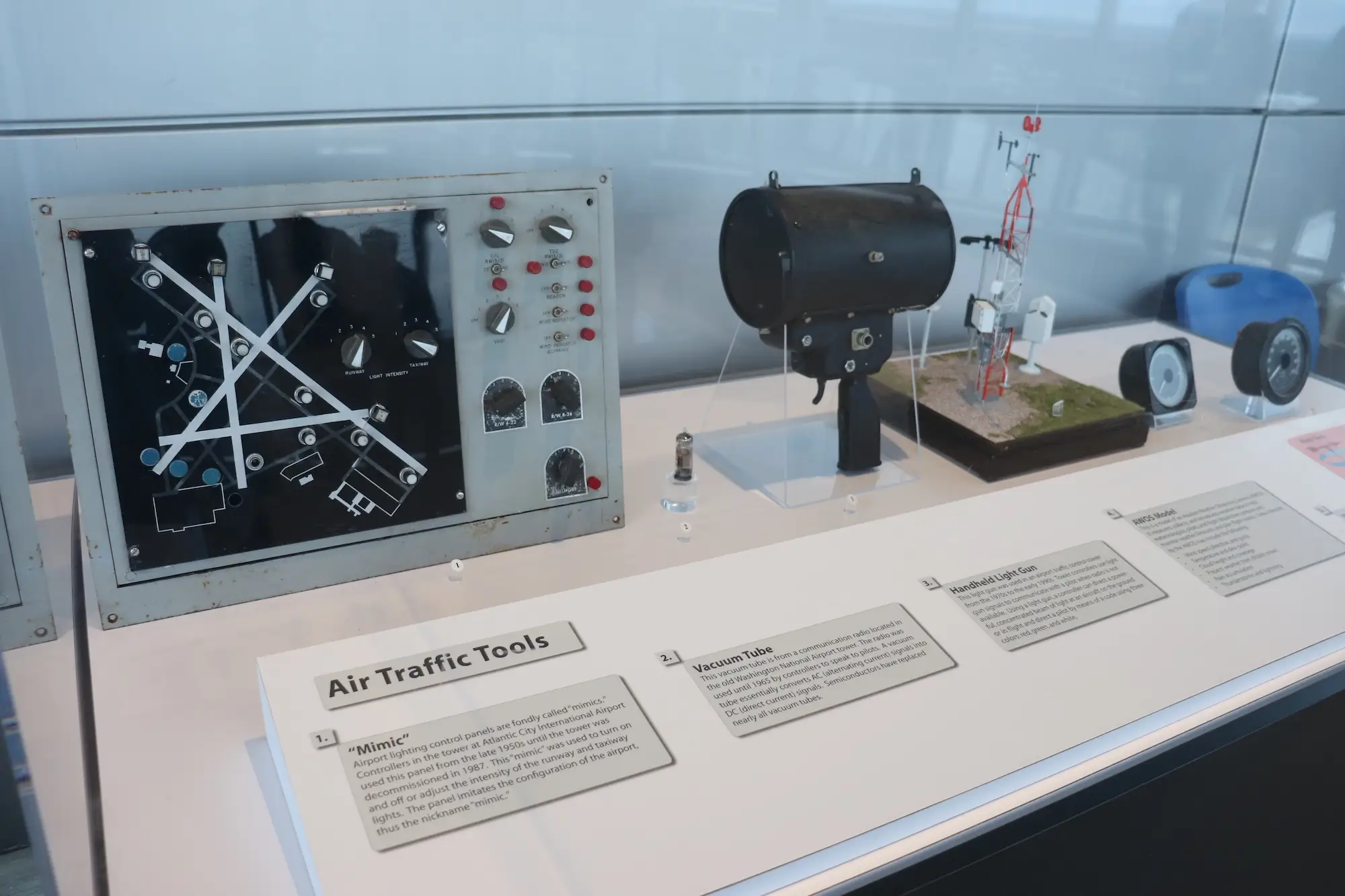
The exhibit included a lighting control panel depicting airport runway layouts known as a “mimic,” a vacuum tube from a vintage communication radio, and a light gun used to communicate with pilots via lighting signals if radio isn’t available.
I enjoyed how the observation tower made for a well-rounded aviation museum experience.
While touring the museum, my guide pointed out the Boeing 367-80 Jet Transport known as “Dash 80.” The only model of its kind ever built, the Dash 80 first took off in 1954 and was eventually developed into the first Boeing 707 jetliner, ushering in a new era of commercial air travel.
After viewing the museum’s vast collection of historic planes, watching passenger jets take off and land at Dulles gave me a deeper appreciation of how much — and how quickly — aviation has changed. I was glad I’d saved the best for last.
Read the original article on Business Insider
The post Inside the National Air and Space Museum’s 164-foot observation tower overlooking Washington, DC’s largest airport appeared first on Business Insider.