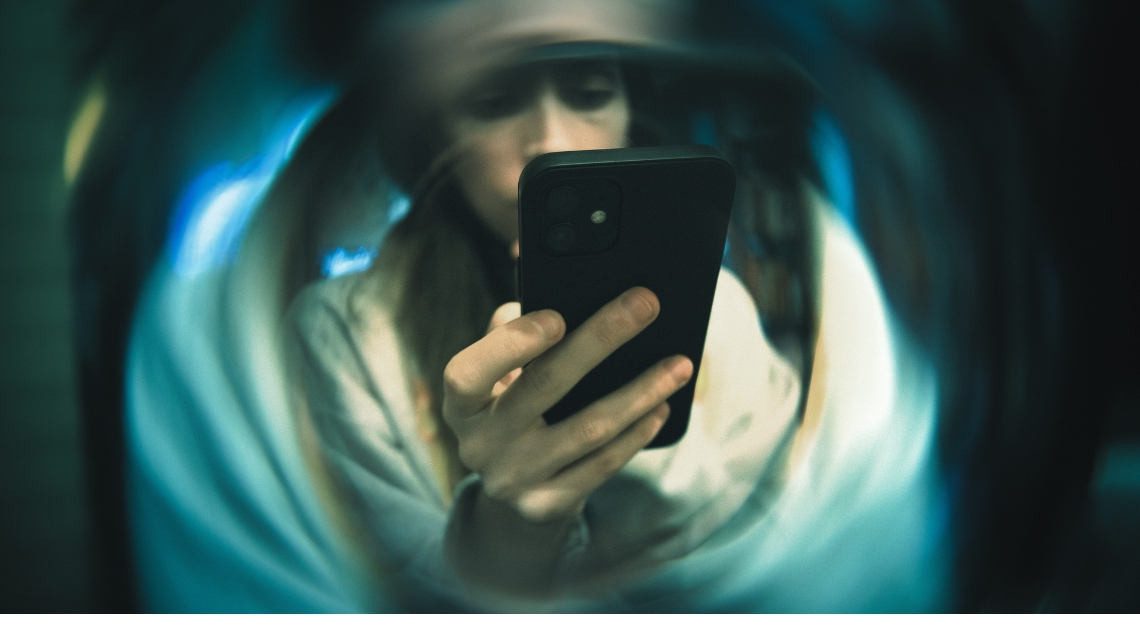
Everything sucks right now, to put it mildly.
It feels like the news exists solely to see how many catastrophic blows your mental health can take before you collapse under the weight of things that feel so far beyond your control they might as well be happening in another universe. But they aren’t. They’re happening in ours, right now, within our borders.
The current political moment seems engineered to dominate attention through a rolling barrage of outrages, each one daring you to treat it as normal while hollowing us out. We are all hostages to the moment. Meanwhile, your boss still expects emails to be answered promptly, and your family still needs your head in the game, and all while your nervous system is a gentle whisper away from either caving in or violently exploding outward.
Anecdotally, some people I know can separate their lives from the larger horrors. My wife, for instance, knows how to make that delineation. I, on the other hand, absolutely do not. The problem seems to be centered around the idea of caring about everything all the time, being incompatible with remaining a functioning human being.
It’s not a new phenomenon. Humans have had to deal with this kind of stuff for centuries, if not the entirety of human existence.
What the Heck is Going on, and How Do You Manage It All?
The American Psychological Association has noted that constant exposure to distressing news increases stress, anxiety, and feelings of helplessness. That means if you’re feeling fried, that’s not a moral failing on your or my part. It’s simple biology. Your brain did not evolve to process a nonstop feed of constant disasters being pushed to your phone via notification.
And yet, the carnival of horrors marches on, traveling from town to town, inflicting pain and misery that is nearly impossible to ignore. So how do you ignore it enough so that you can go about your day-to-day duties without entirely checking out? How do you strike that balance?
I can only speak for myself when I say that I began my personal journey toward finding a way to stay sane in an insane time by accepting that I am allowed to pace and space my outrage. Being informed does not require me to be submerged in it. I used to be much more plugged into the news than I am now. I used to be on the constant brink of psychological collapse, too, and it was not a coincidence.
One tiny fix I made was turning off notifications from any app that could deliver bad news to me at a random moment, often a moment in which I was feeling either great or neutral. Limiting when and how you consume news, even if it’s just deciding not to start your day with it (a major adjustment I made that worked wonders for my mental health), can significantly reduce stress without turning you into a blissed-out, know-nothing idiot who is shocked when the horrors and up on your doorstep.
This is where selective apathy comes in, which sounds a lot like total indifference, but it is not. It’s more like an emotional triage, a phrase I once saw as the title of a book I never read, but I’m sure it’s good, I guess, I don’t know.
It’s about acknowledging that things are horrible, but also recognizing that treating every headline like a five-alarm fire will eventually leave you numb or unable to deal with the problems that come around, or maybe just make you unbearable to be around.
How to Disconnect From Reality the Right Way
Research on emotional regulation shows that practices like mindfulness and meditation help people stay present without becoming overwhelmed, which I can personally attest to.
What really keeps you tethered, though, are the mundane anchors: work you care about even a little. My day job is writing for VICE, but I have a variety of personal side projects that tear me away from the constant flow of the news, which allow me to fully immerse myself in something expressive and inherently optimistic.
The powers of imagination and creation remain undefeated when it comes to leveling you out. They provide a kind of psychic protective shielding. And it’s not just a deeply involved side project. You can find that same therapeutic immersion in anything, from cooking dinner to taking a walk. In times like these, indulging in anything other than constant engagement with the madness can leave you feeling guilty. Don’t let that feeling overtake you.
Everything doesn’t stop being sh—ty just because you set aside an afternoon to immerse yourself in a videogame or a book or a show. Building a barrier of healthy distractions that you can dismantle at a moment’s notice lets you make it through these long, challenging days without unloading your fears and anxieties onto the people you love. It’s just simple emotional and psychological maintenance.
These aren’t distractions from reality; they’re how you stay strong enough to face reality.
The post How to Disconnect From the Horrors of Life Without Becoming Soulless: A Guide appeared first on VICE.