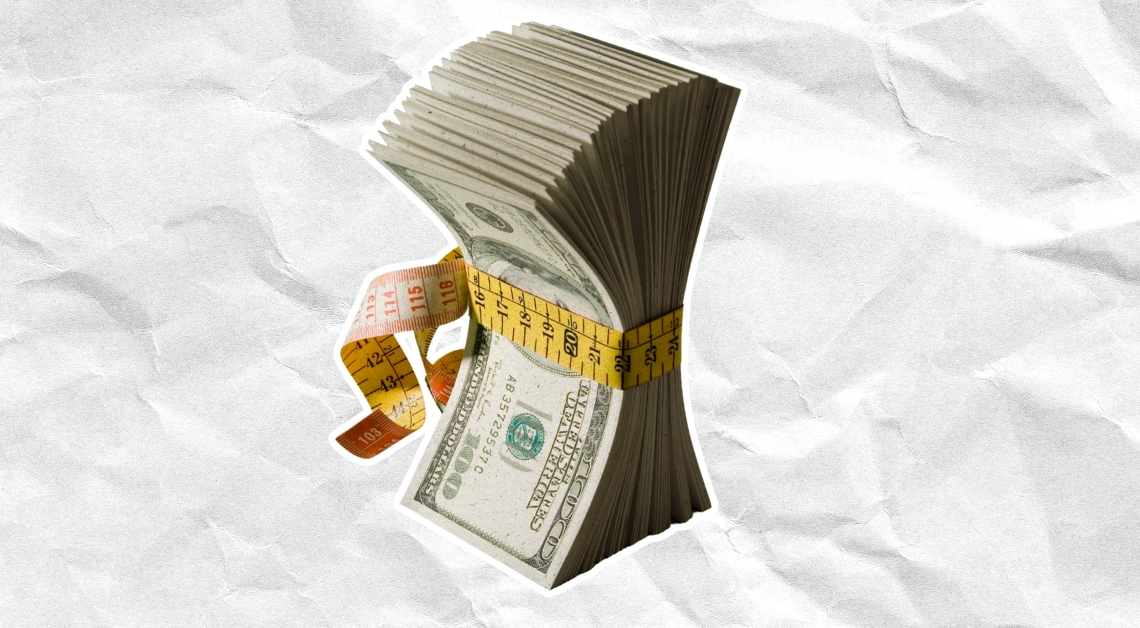
Trying to lose weight in America feels a little like subscribing to a service you never meant to sign up for. You don’t notice the charges at first. Then one day, you add them up and realize you’ve been paying for this for years.
According to a new poll, the average American actively trying to lose weight spent $12,308 in 2025 pursuing a target weight or BMI. Talker Research surveyed 2,000 U.S. adults on behalf of Hims to track what that effort costs over time. The money doesn’t fly out in one chunk. It drains out in increments. Groceries that feel “healthier.” Clothes bought for the future “smaller” you. Programs started with conviction and were abandoned mere weeks later. Repeat.
People expect the savings to come from boring places once the goal is reached. Fewer fast-food meals. Lower grocery bills. Fewer emergency clothing purchases because nothing fits the way it did last month. Respondents described ongoing costs tied to clothing and healthcare. Nearly one in five said they would stop spending money on juice cleanses and other temporary fixes.
Here’s What the Average American Actually Spends on Weight Loss
Craig Primack, Head of Weight Loss at Hims & Hers, framed it as a long-term drain rather than a single bad decision. “In my experience, most patients living with obesity aren’t just beginning a weight loss journey,” he told the New York Post. “They’ve been navigating it for years, often a lifetime. Each failed attempt not only erodes hope, but comes with real financial consequences.”
That lines up with what respondents reported. Over the past decade, people said they tried and failed to reach their target weight an average of six times. Six rounds of optimism. Six rounds of spending. Six moments where the plan stopped working, and the bill kept coming.
Money might be the most honest motivator in the data. Respondents estimated they’d save about $197 a month after reaching their goal. More than eight in ten said they’d push harder if a $5,000 reward waited at the end. People also talked about wanting basic things to feel simpler, staying awake during the day, sleeping through the night, and not overthinking what to wear or eat.
One participant described how they’re approaching the year ahead. “I’m concentrating on consistency this year instead of perfection,” they said. “I want to prioritize sleep and water, keep a mindful eating journal, and engage in enjoyable physical activities every day.”
Primack pointed to affordability and disconnected care as reasons people stay stuck. “Many people cycle through diets, programs, and appointments that add up quickly without providing consistent, sustained support,” he said, arguing for approaches built to last instead of restart.
For a lot of Americans, trying to lose weight has already become one of the most expensive ongoing commitments in their life, whether it delivers the outcome they were promised or not.
The post This Is How Much Money the Average American Spends Trying to Lose Weight appeared first on VICE.