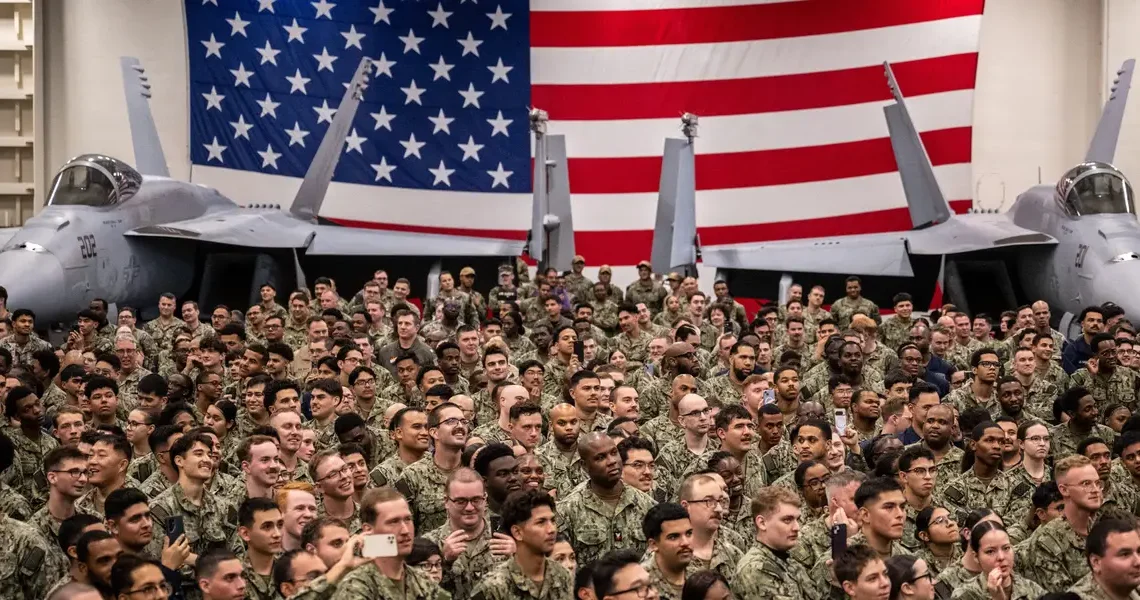
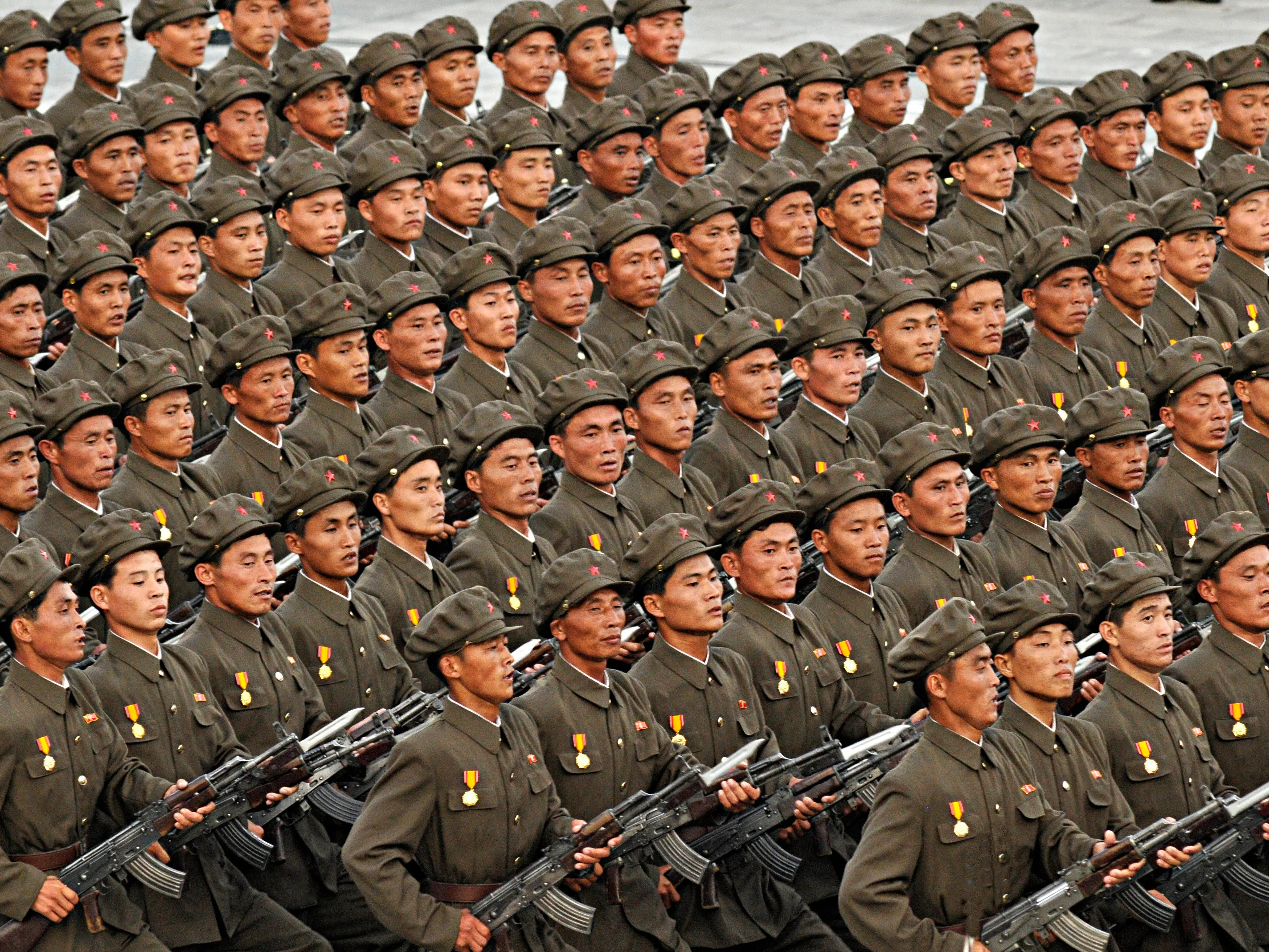
While the US military has pursued ambitious technological advances, manpower remains one of its core pillars.
From high-ranking generals to soldiers on the field, human troops remain a key way to assess the reach and power of the world’s militaries.
Using data from the International Institute for Strategic Studies’ 2025 Military Balance report, Business Insider ranked countries by the size of their active armed forces and listed their defense budgets, based on 2024 figures.
Active-duty force size is a tally of a country’s uniformed troops: airmen, soldiers, sailors, special operators, and Marines. Armies, in particular, depend on size to gain and occupy ground. Militaries can also be a tool of domestic repression, a focus that undercuts its capabilities against an external foe. North Korea, for example, is one of the world’s most repressive states, led by a dictator who has repeatedly threatened neighboring South Korea.
The number of active-duty military personnel is far from the only factor that matters when comparing military power between countries, but it shows latent power that could be augmented via conscription and calling up reservists.
“Numbers have value, but there’s a lot more to military capability,” said Mark Cancian, a senior adviser at the Center for Strategic and International Studies, a Washington, DC-based foreign policy and national security think tank.
IISS, a London-headquartered think tank, counts active armed forces, reservists, and paramilitaries as separate categories in its analysis, showing a fuller picture of each nation’s manpower.
Some countries have significantly higher numbers of reservists than others — Vietnam has the largest number in the world, estimated at 5 million.
But while reservists can aid militaries when needed, the quality and longevity of their expertise can vary between conscription- and volunteer-based systems, Cancian told Business Insider.
“When you look at some countries’ reserve numbers, you’re often looking at people who haven’t trained in 10 or 20 years,” he said. “It gives you a big number, but their military value is questionable.”
And while paramilitaries can be effective at enforcing internal security and party strength, Cancian says that “as a military force, they have essentially zero value.”
Even when accounting for all of a military’s manpower, personnel is only one of the various factors that can qualify a nation’s military strength, which also include equipment and readiness.
There’s also the role of technologies in global warfare, the size and sophistication of air forces and naval fleets, amphibious capabilities to land assault forces, command and control systems, or nuclear forces, which all shape military power. Larger and more advanced forces require higher state expenditures.
Still, comparing global manpower offers insight into how countries prioritize military power.
See how the world’s largest militaries stack up.
25. Iraq
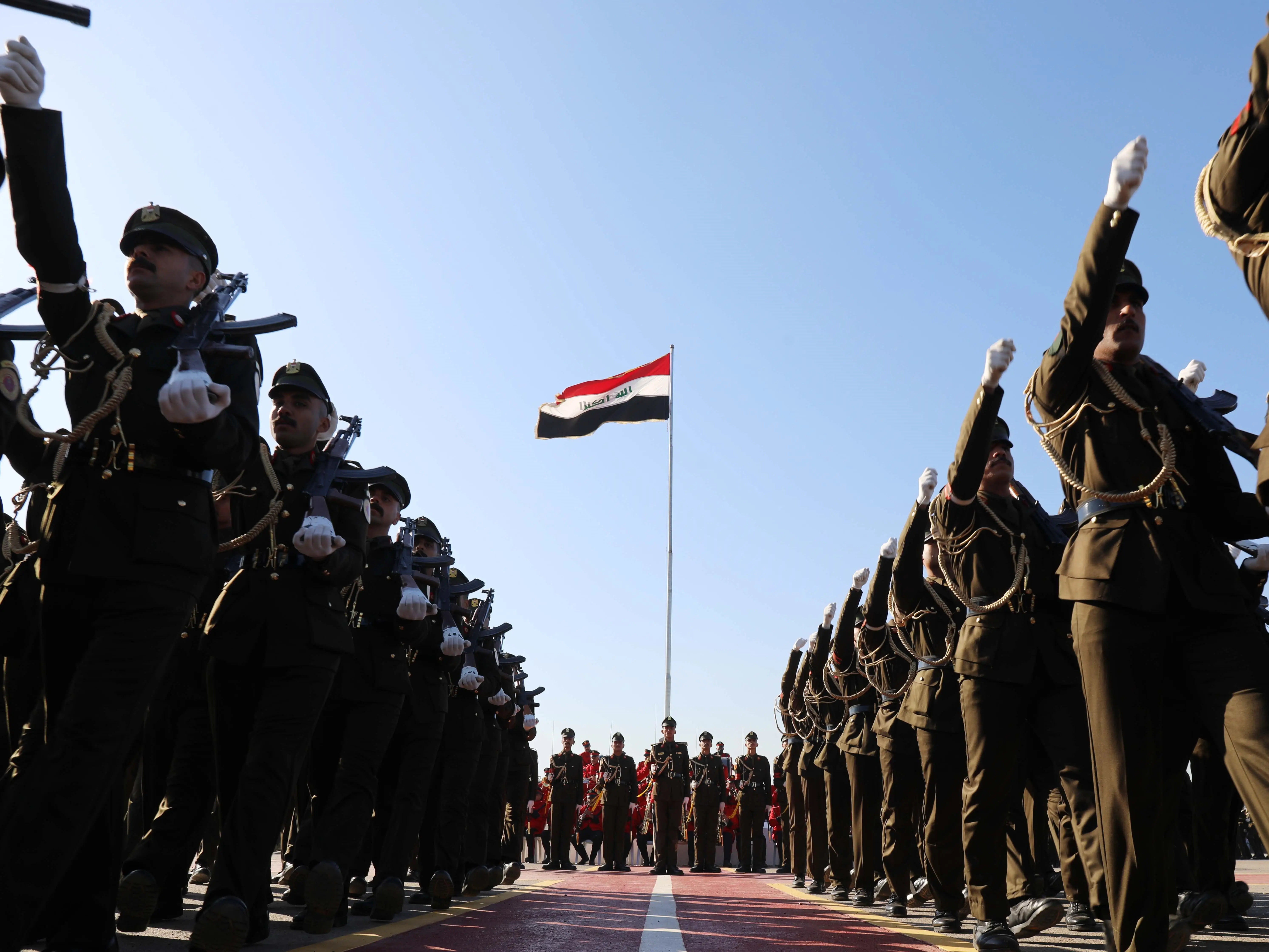
Active armed forces: 193,000
Defense budget: $12.7 billion
24. Morocco
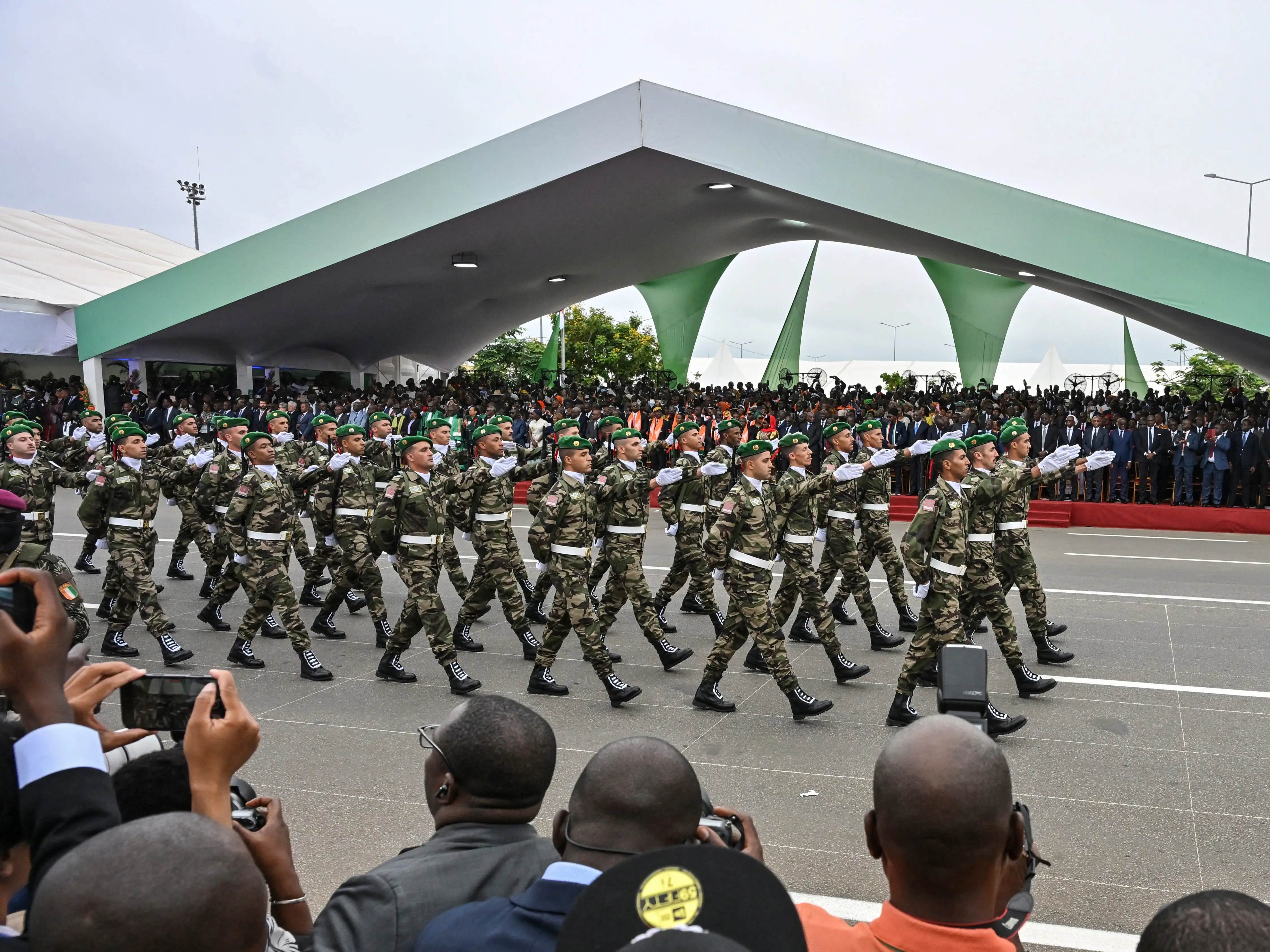
Active armed forces: 196,000
Defense budget: $6.6 billion
23. France
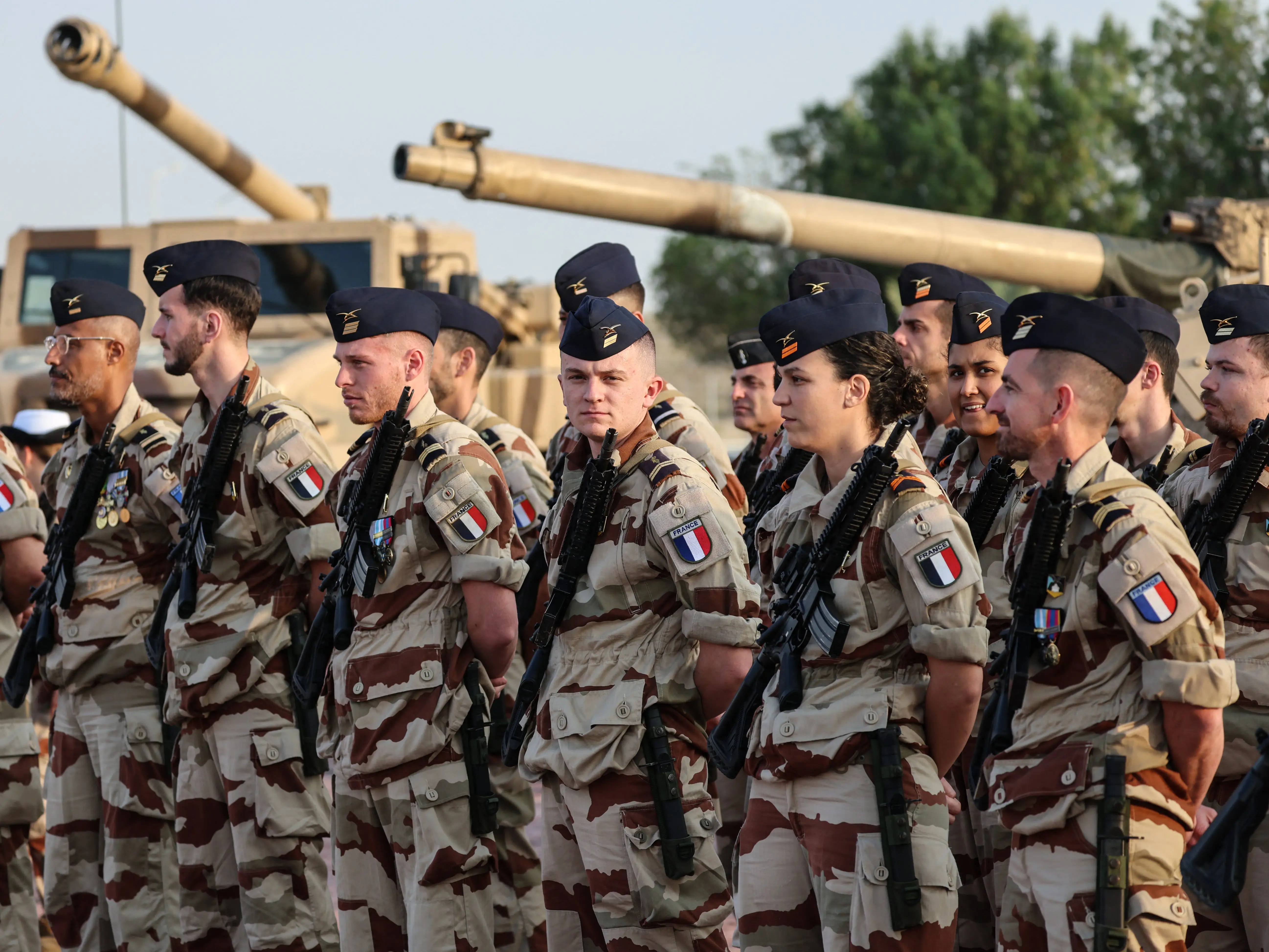
Active armed forces: 202,000
Defense budget: $64 billion
22. Japan
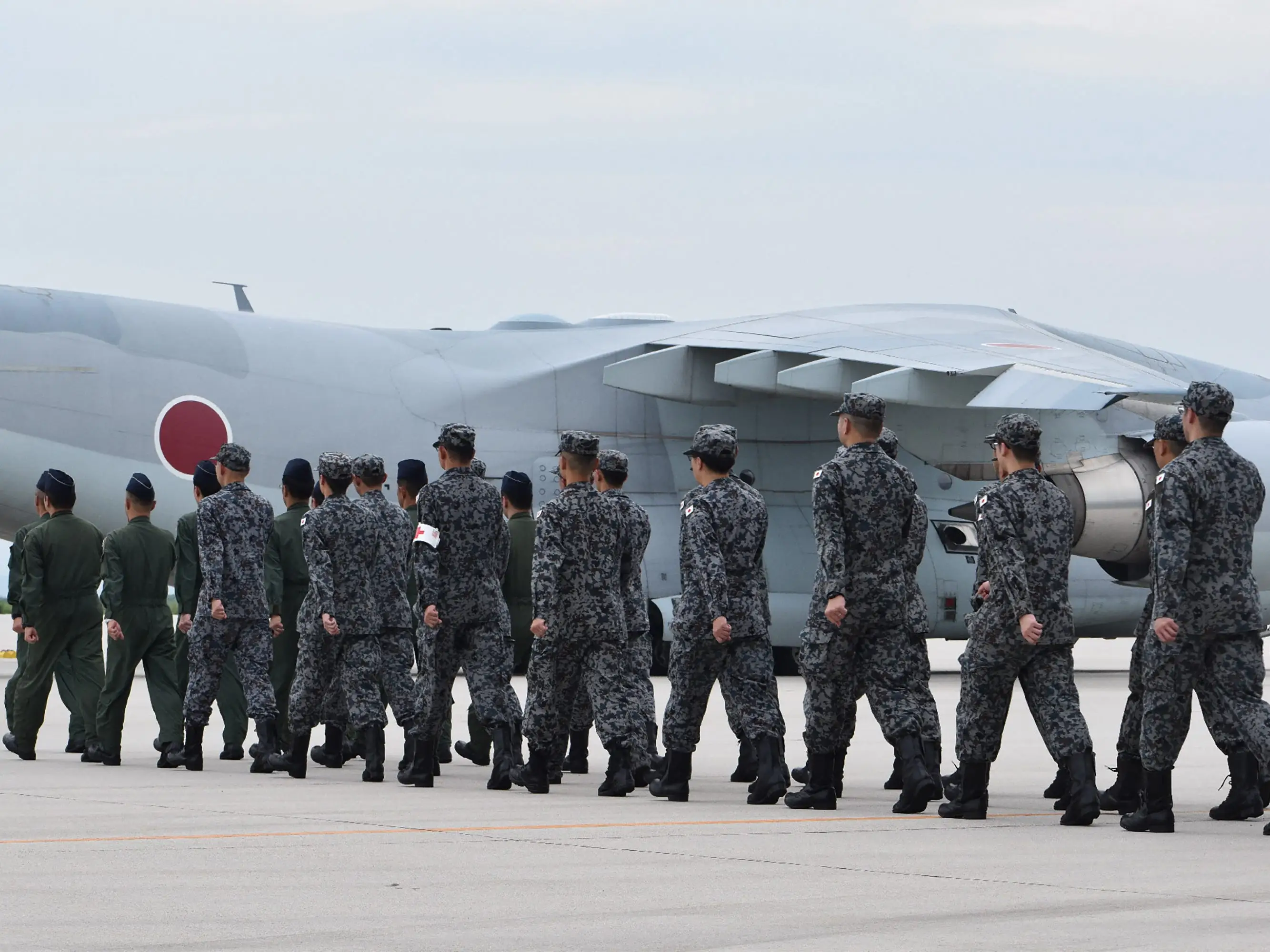
Active armed forces: 247,000
Defense budget: $53 billion
21. Saudi Arabia
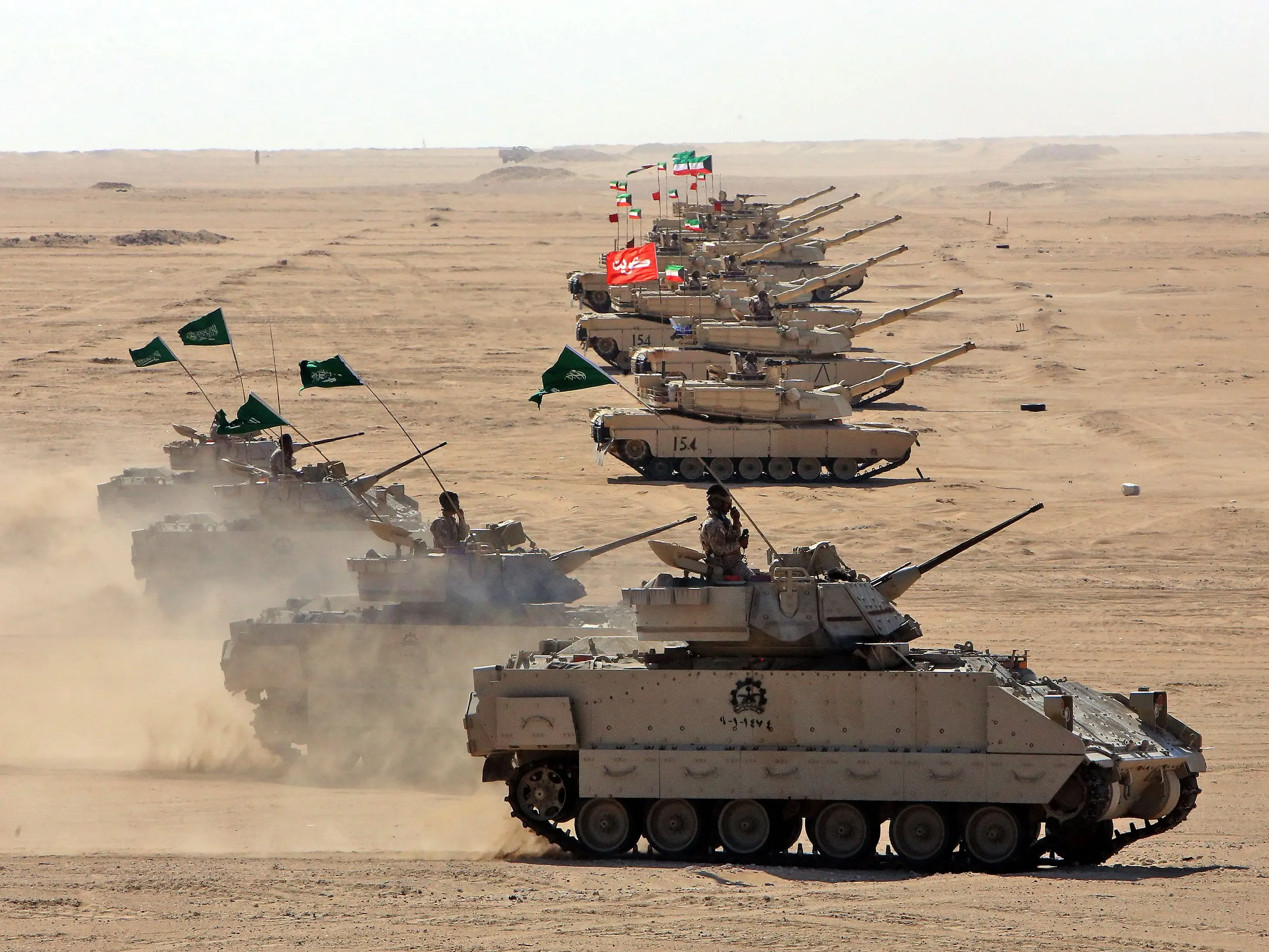
Active armed forces: 257,000
Defense budget: $71.7 billion
20. Sri Lanka
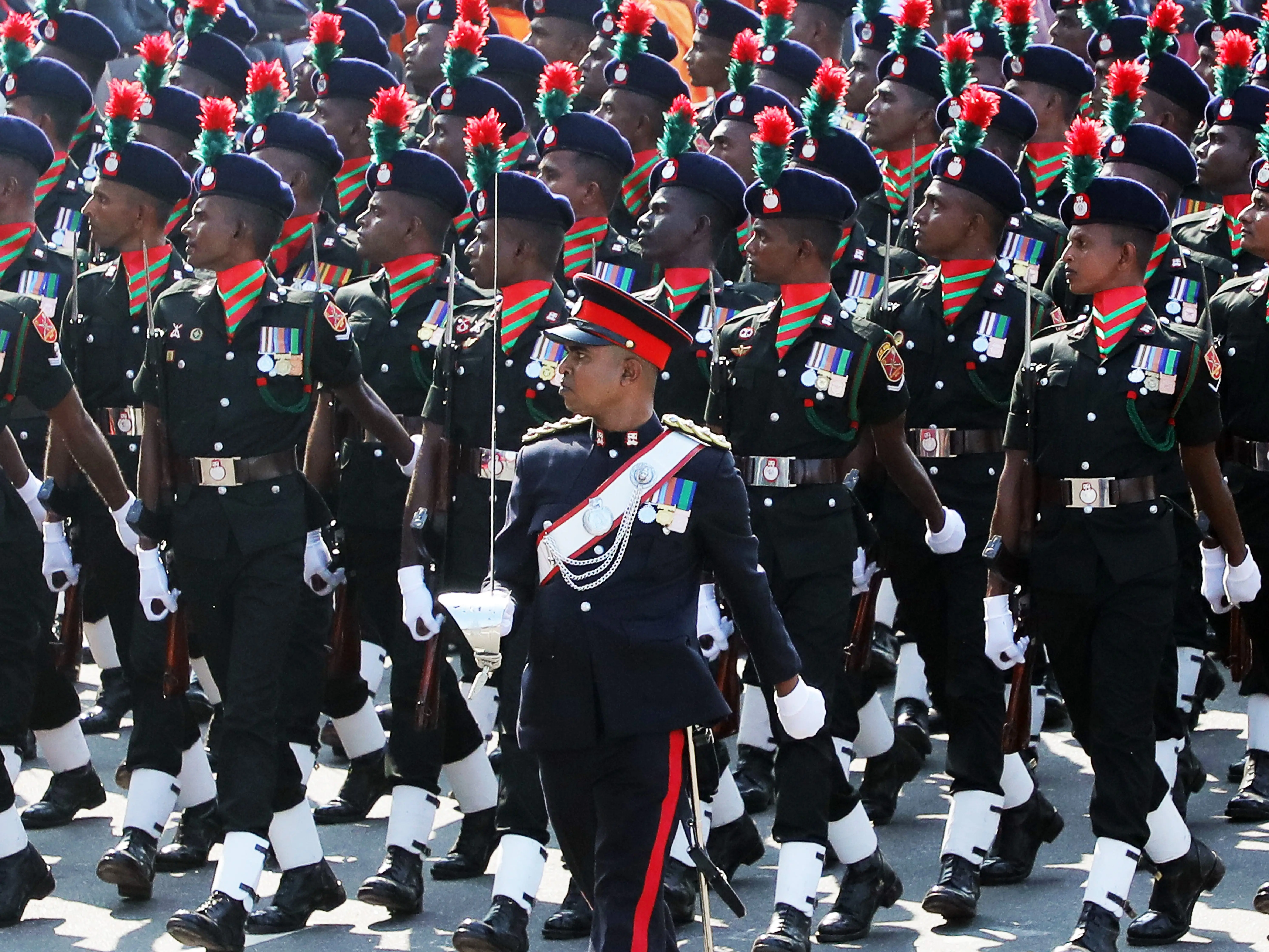
Active armed forces: 263,000
Defense budget: $1.4 billion
19. Colombia
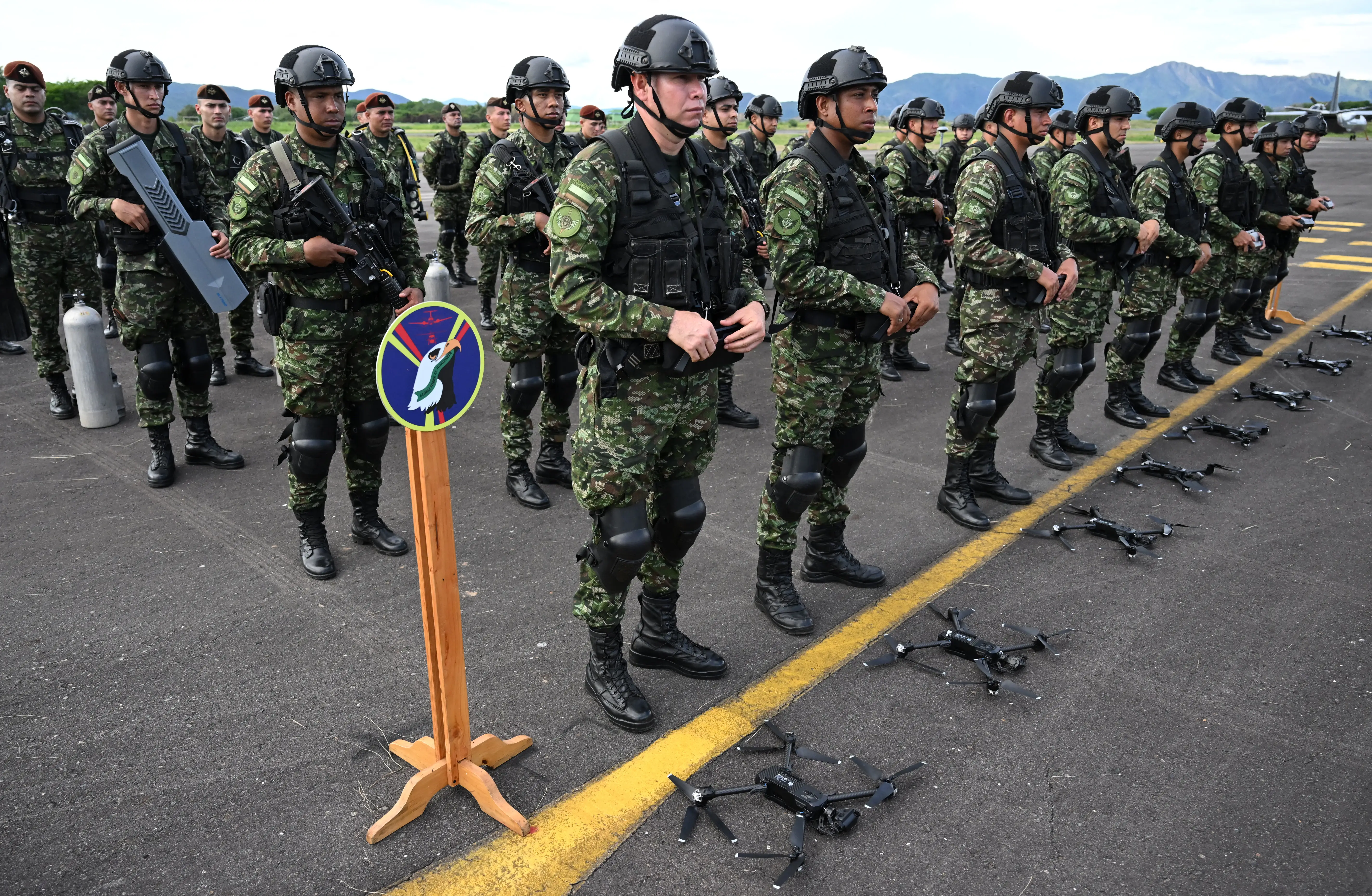
Active armed forces: 269,000
Defense budget: $7.7 billion
18. Mexico
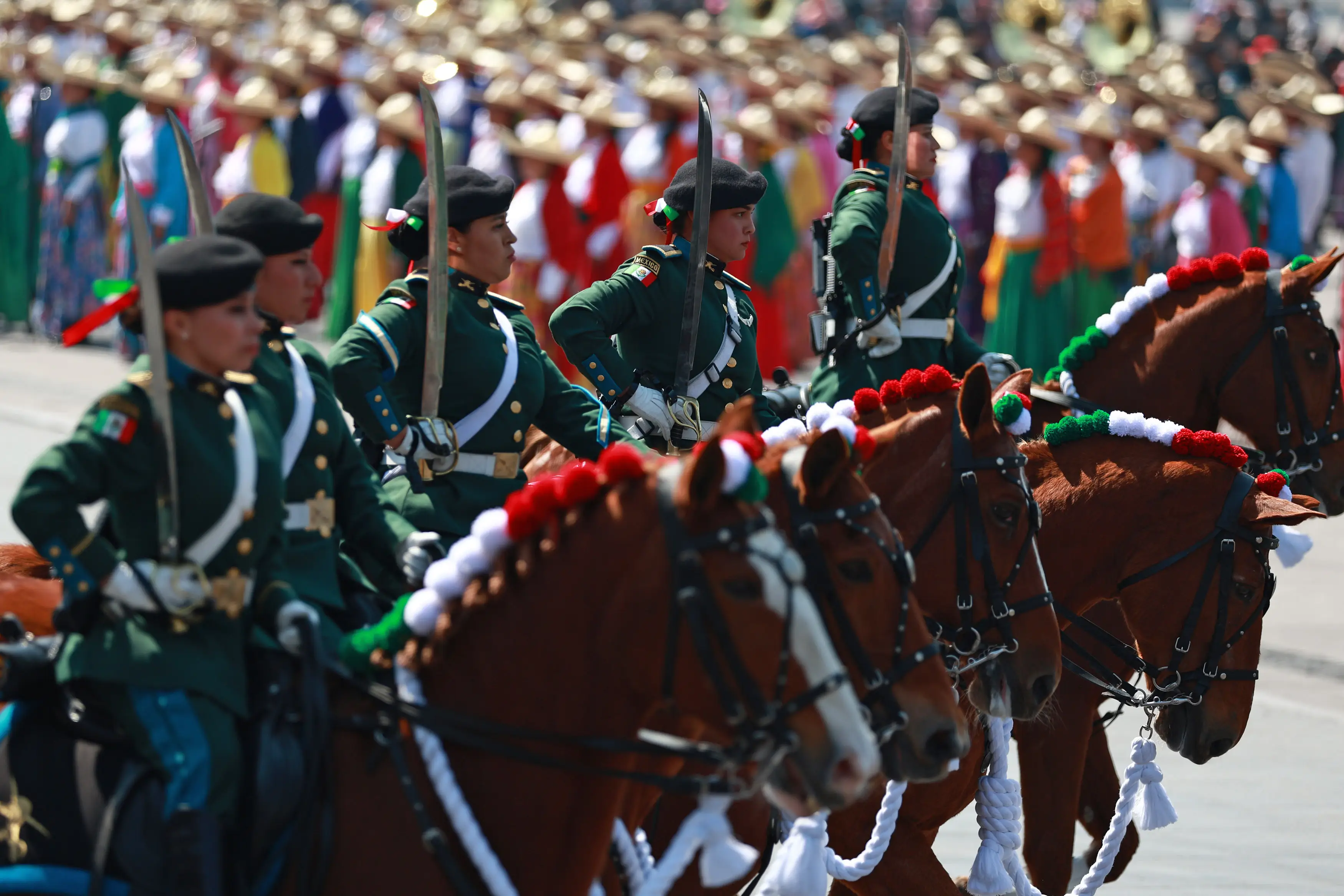
Active armed forces: 287,000
Defense budget: $10.2 billion
17. Eritrea
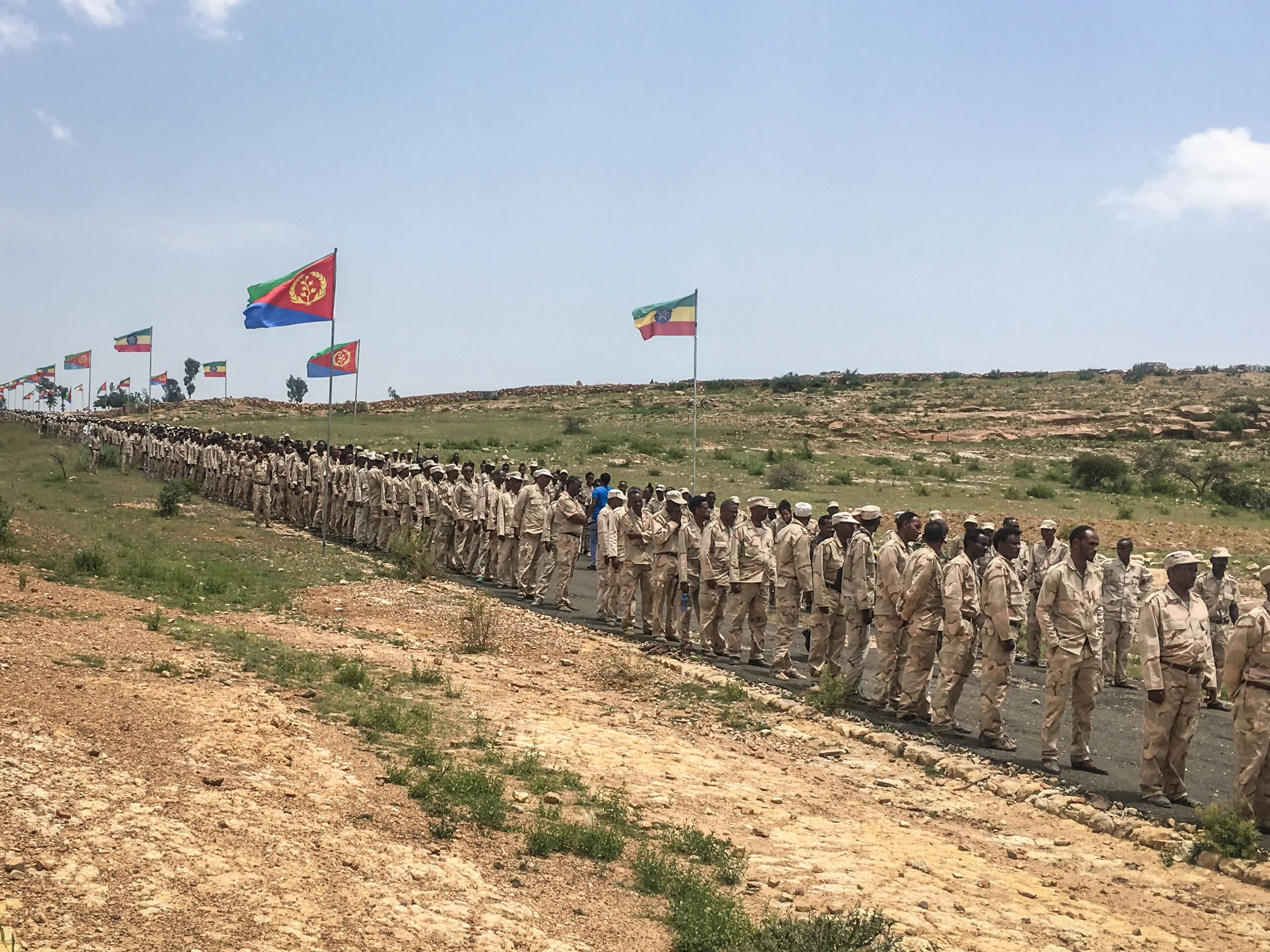
Active armed forces: 302,000
Defense budget: Not reported
16. Turkey
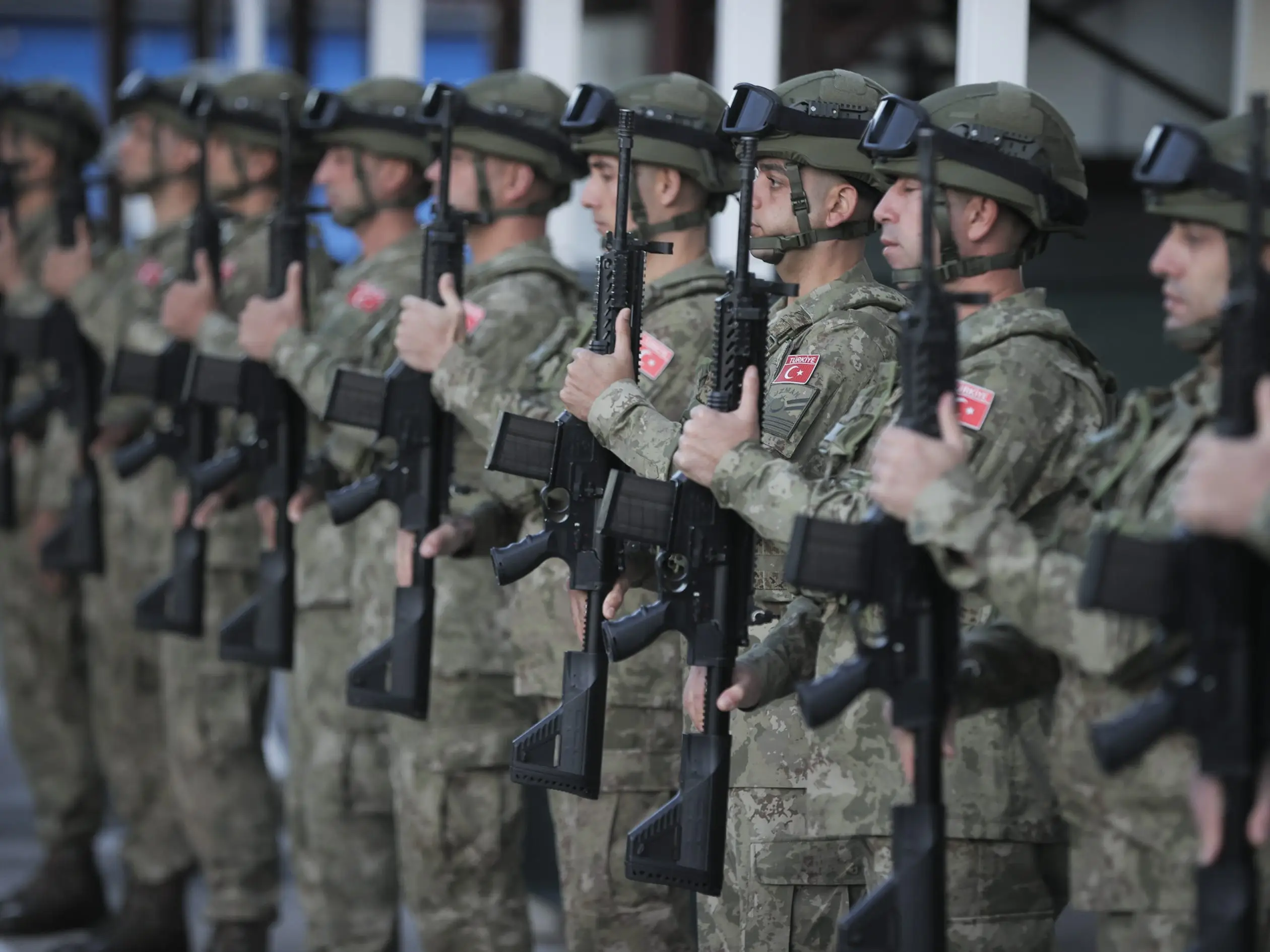
Active armed forces: 355,000
Defense budget: $14.3 billion
15. Thailand
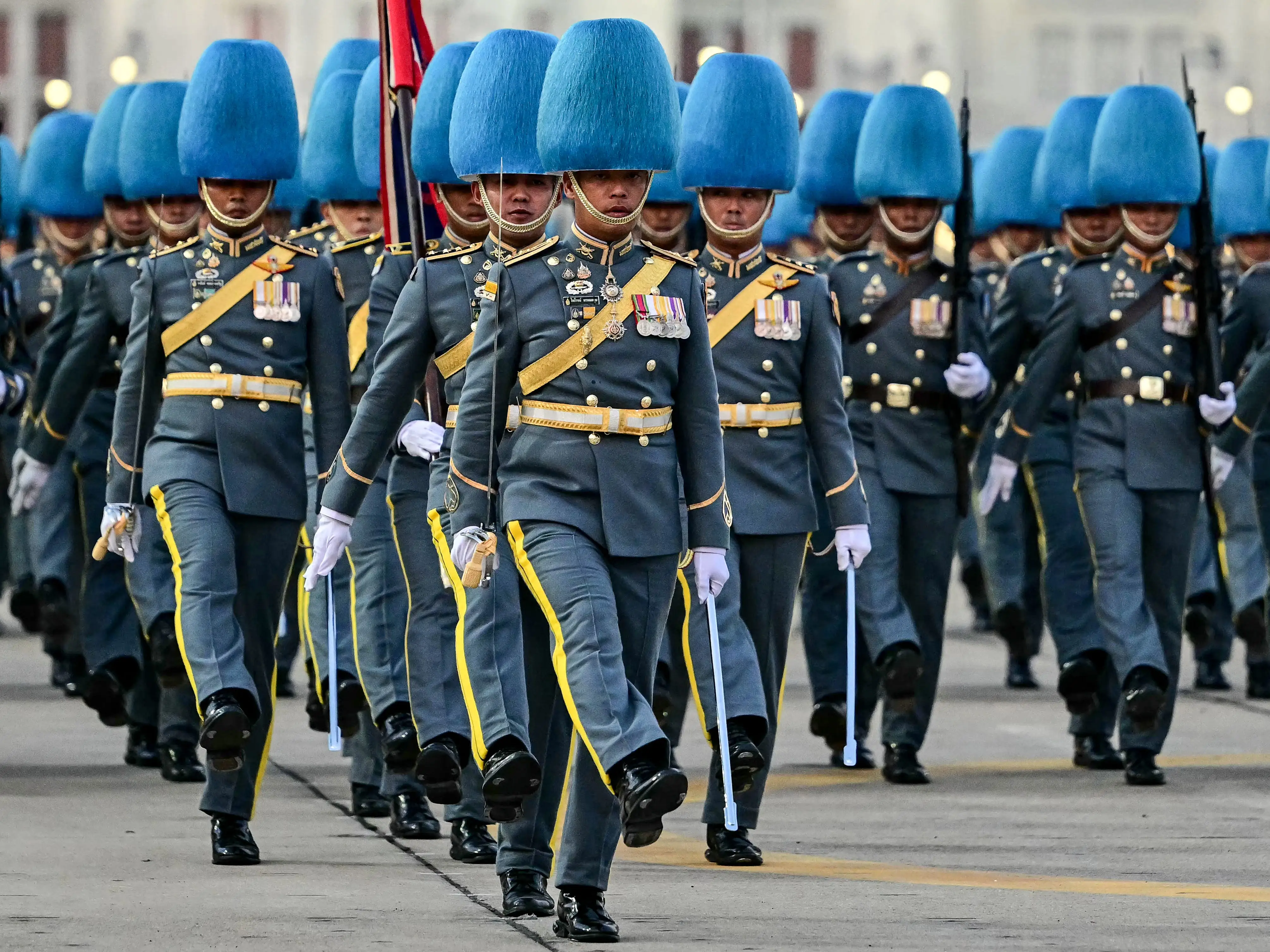
Active armed forces: 361,000
Defense budget: $5.7 billion
14. Brazil
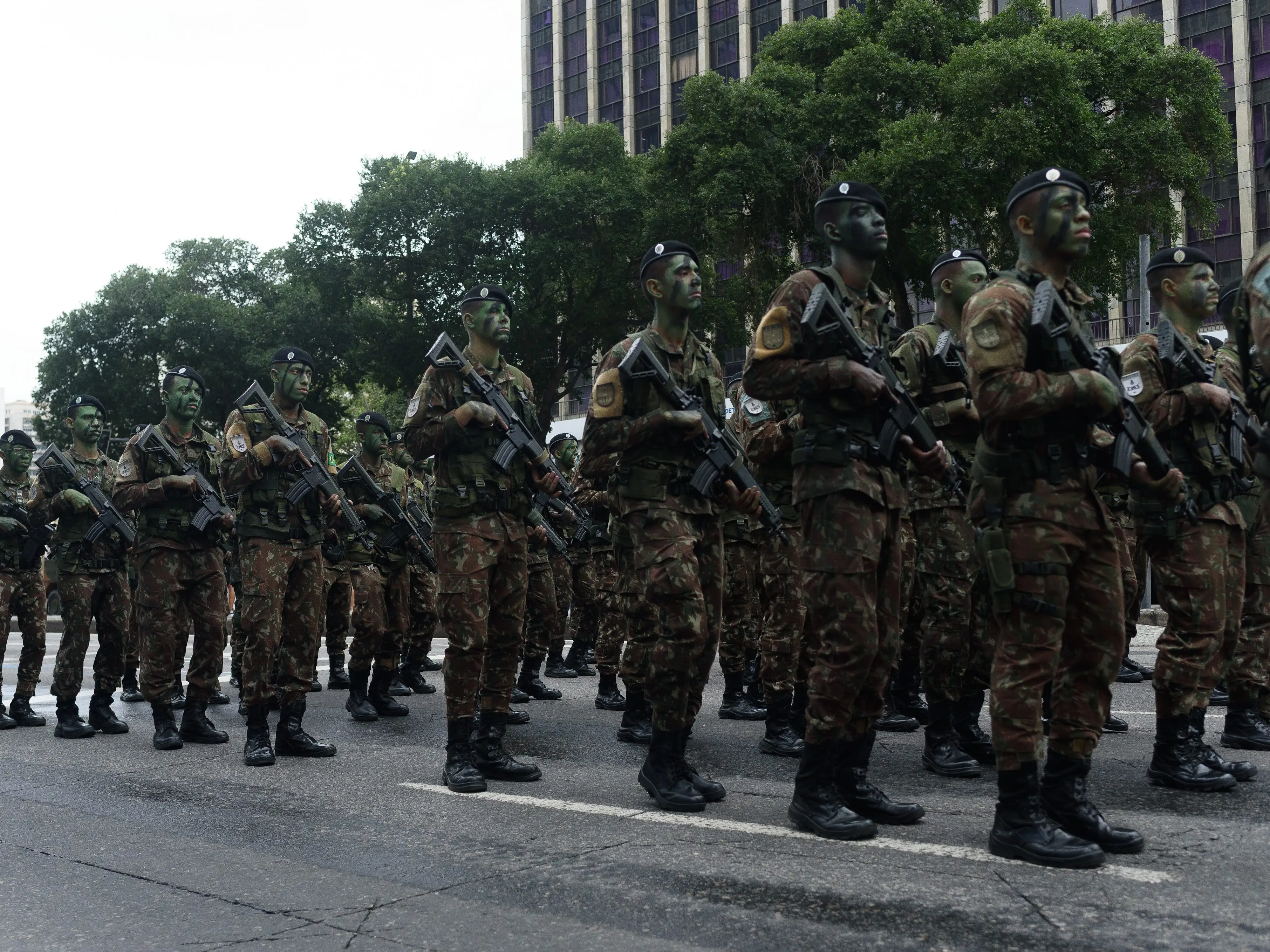
Active armed forces: 375,000
Defense budget: $24.4 billion
13. Indonesia
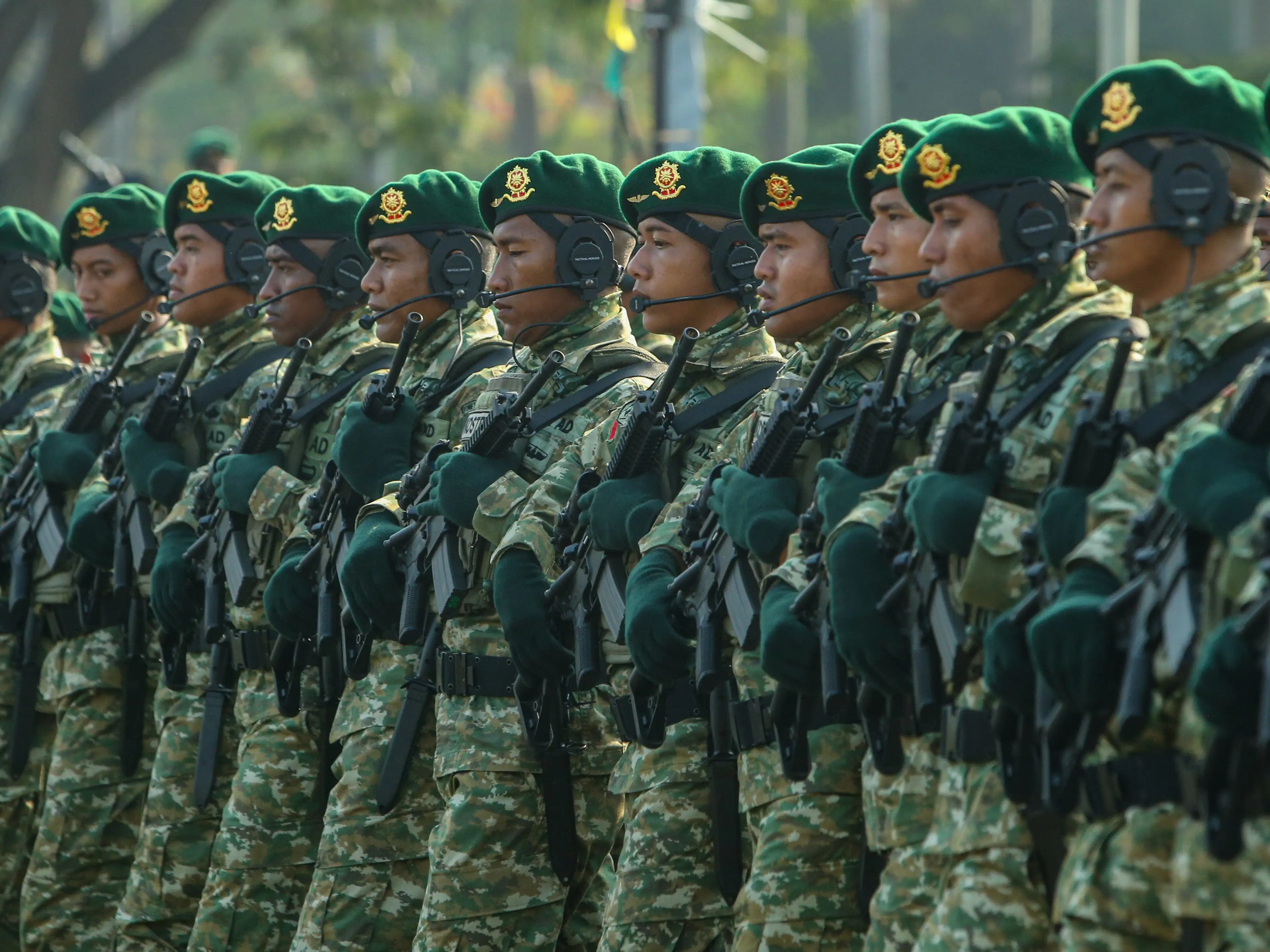
Active armed forces: 405,000
Defense budget: $10.9 billion
12. Egypt
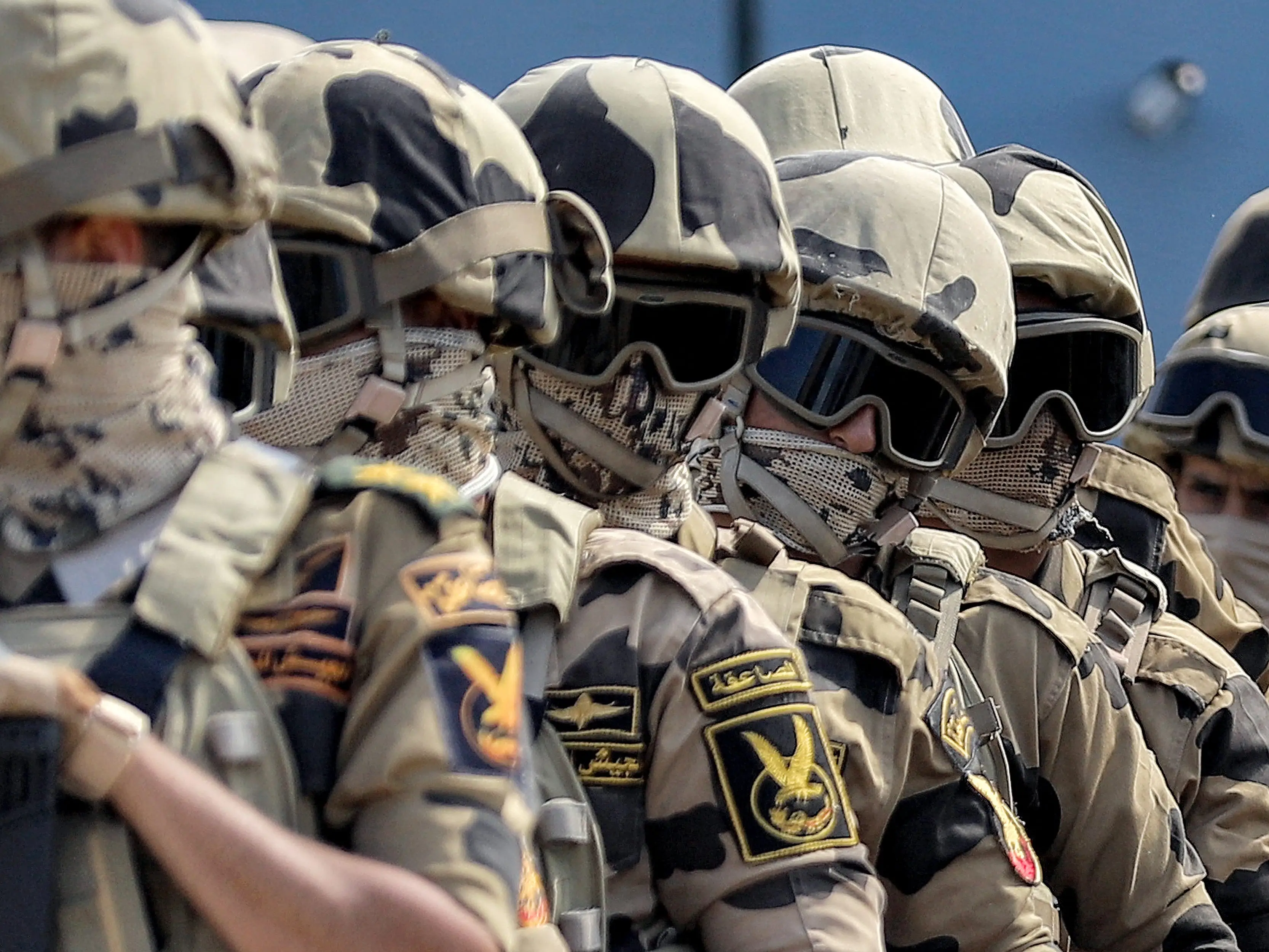
Active armed forces: 439,000
Defense budget: $2.8 billion
11. Vietnam
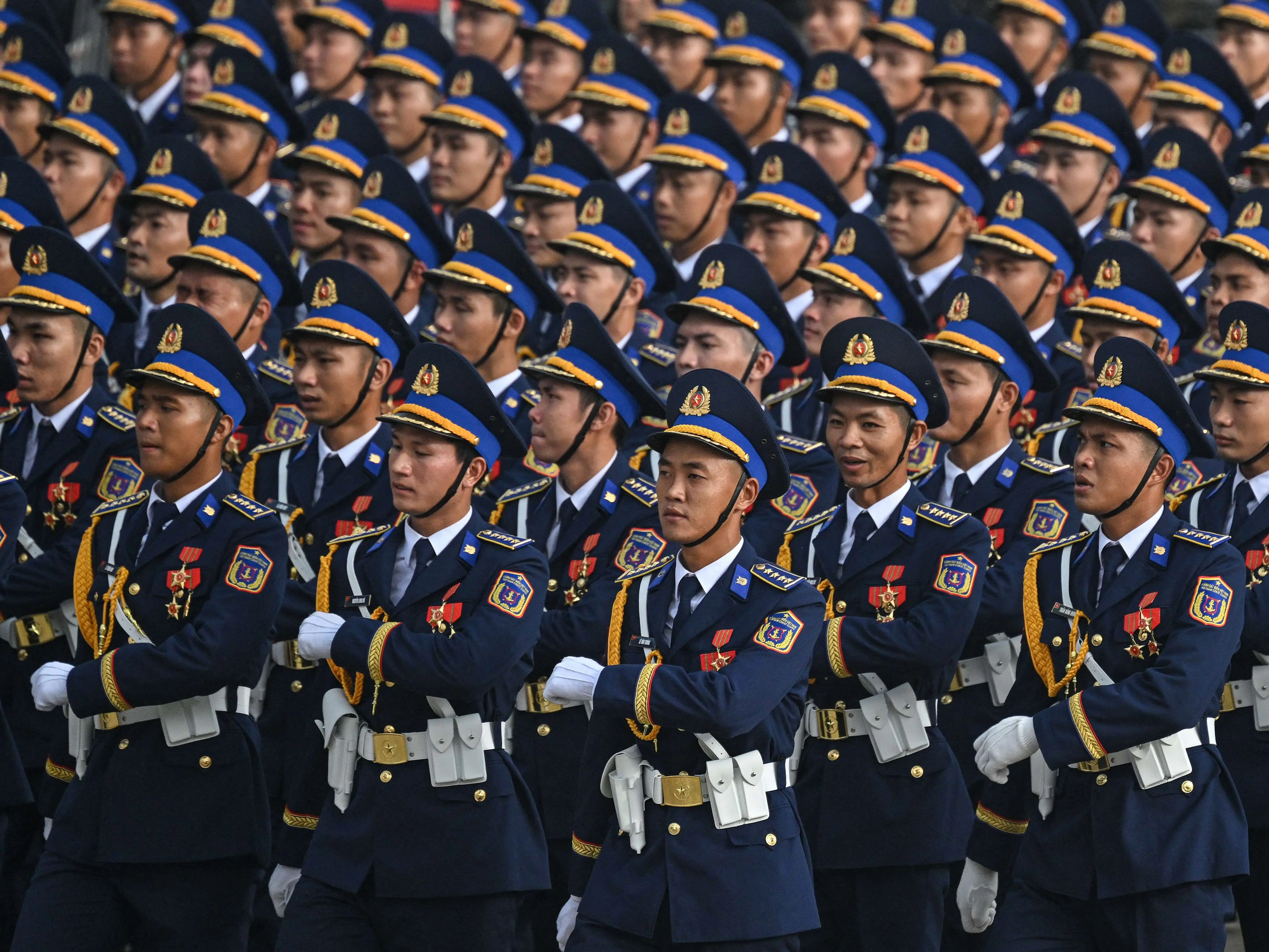
Active armed forces: 450,000
Defense budget: $7.8 billion
10. South Korea
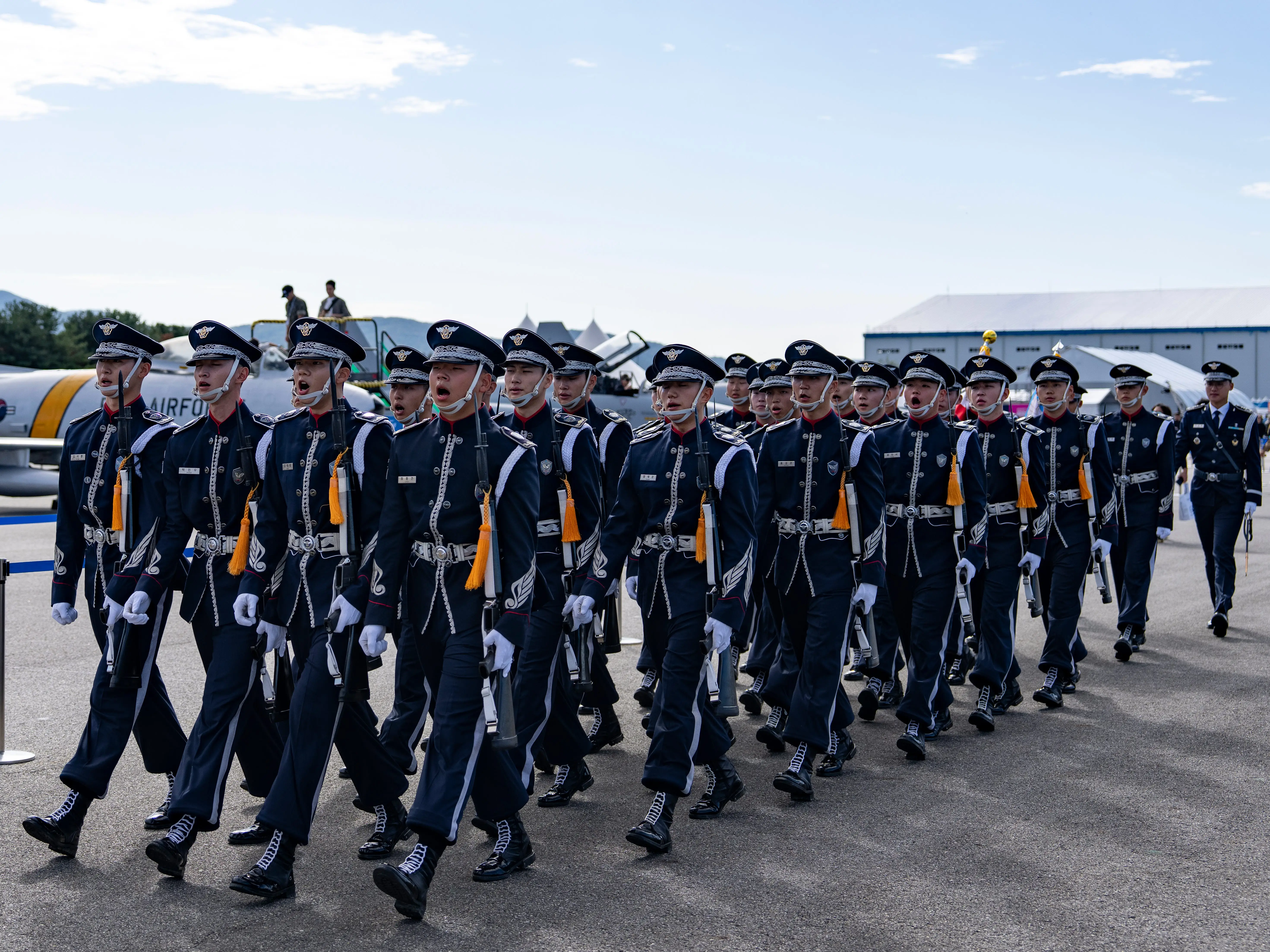
Active armed forces: 500,000
Defense budget: $43.9 billion
9. Ethiopia
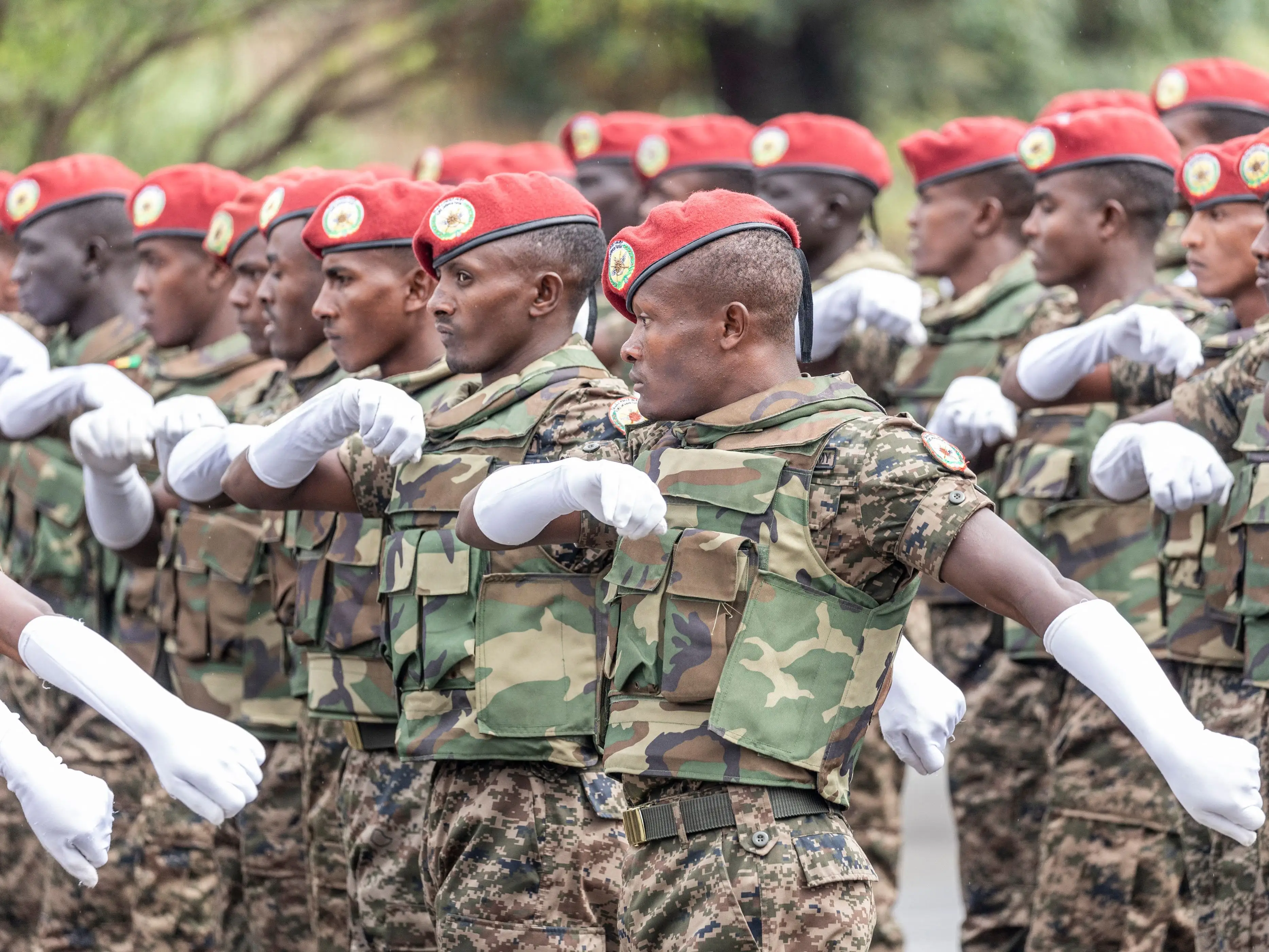
Active armed forces: 503,000
Defense budget: $623 million
8. Iran
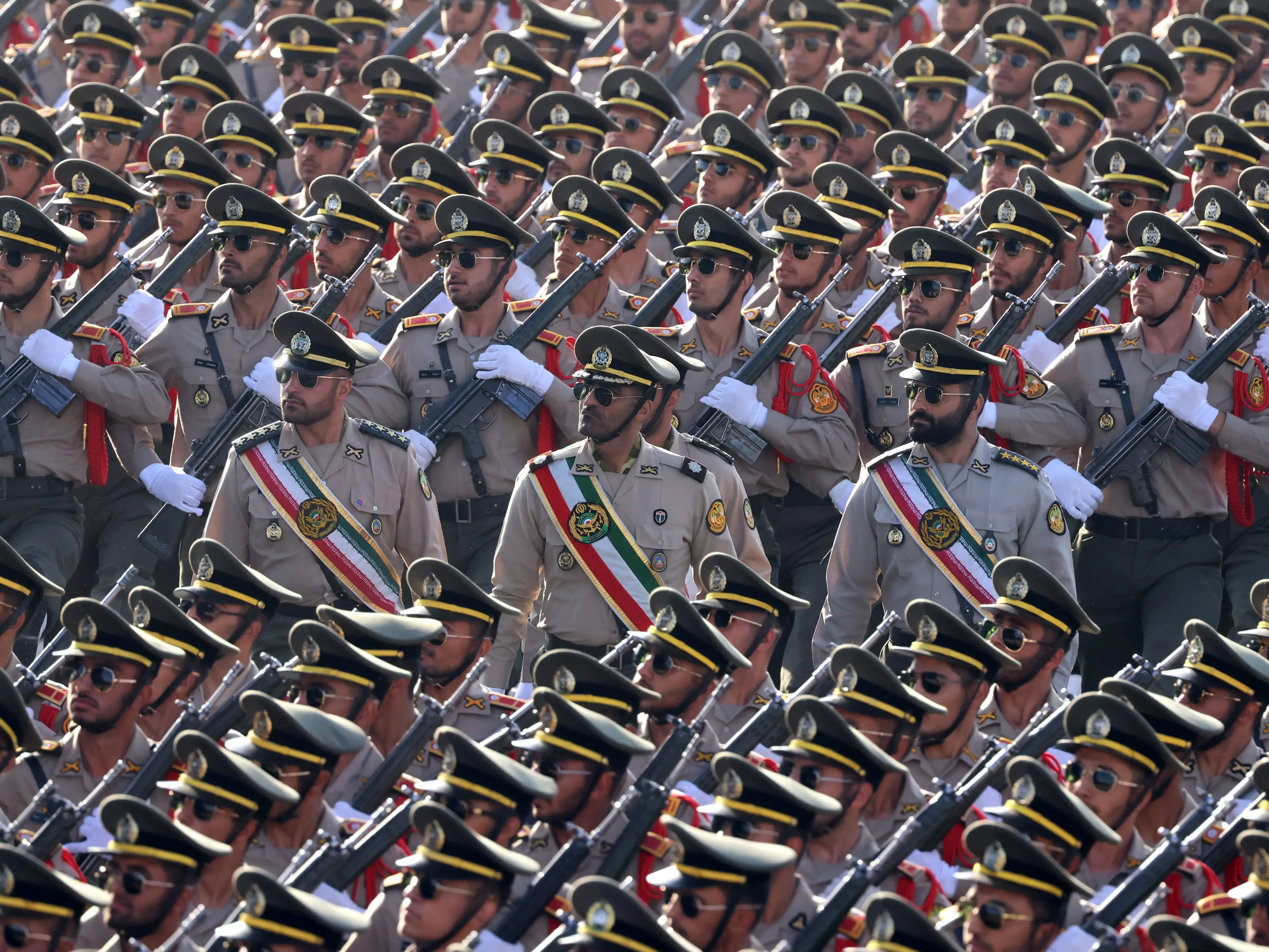
Active armed forces: 610,000
Defense budget: $8 billion
7. Pakistan
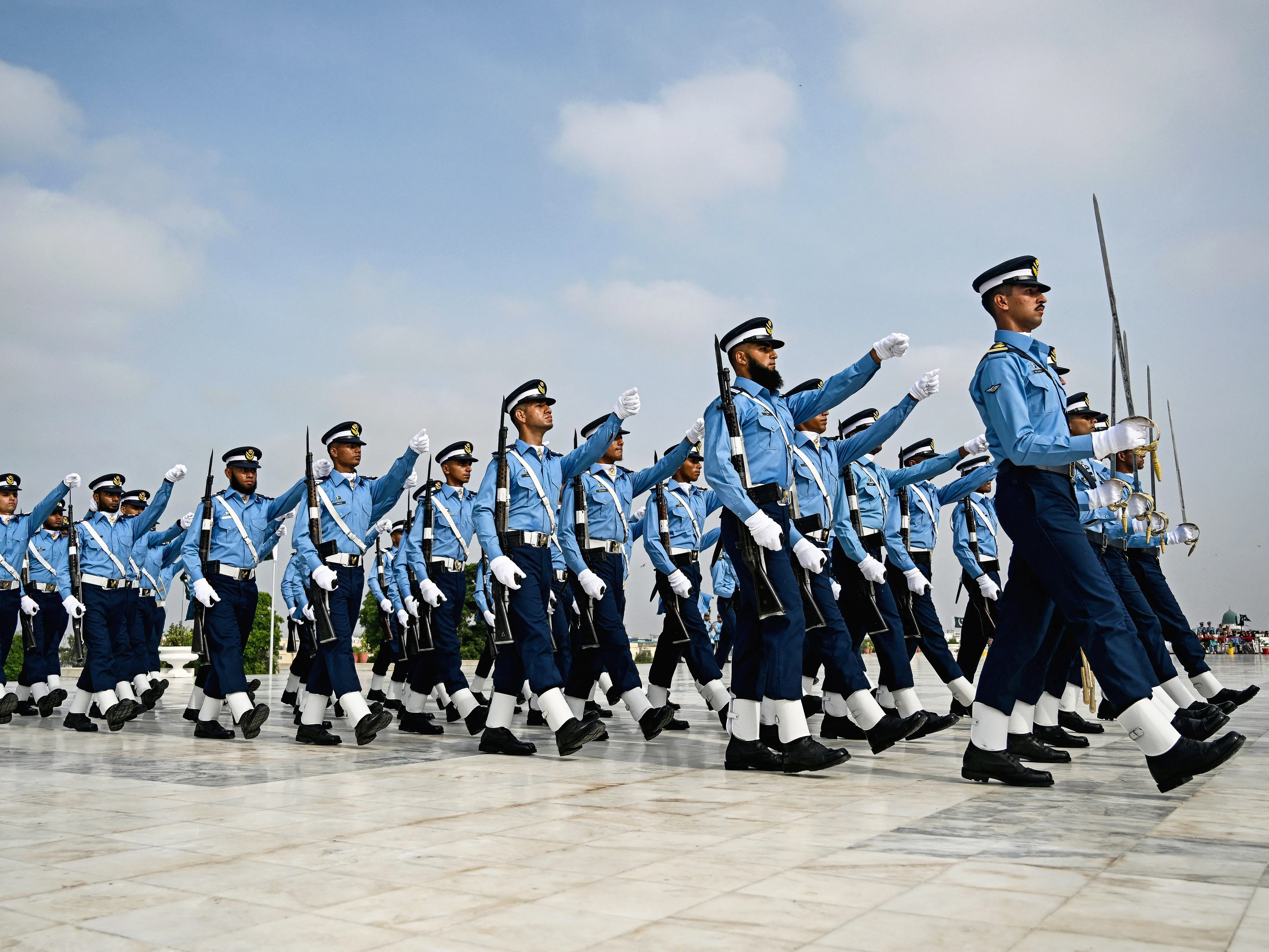
Active armed forces: 660,000
Defense budget: $8.4 billion
6. Ukraine
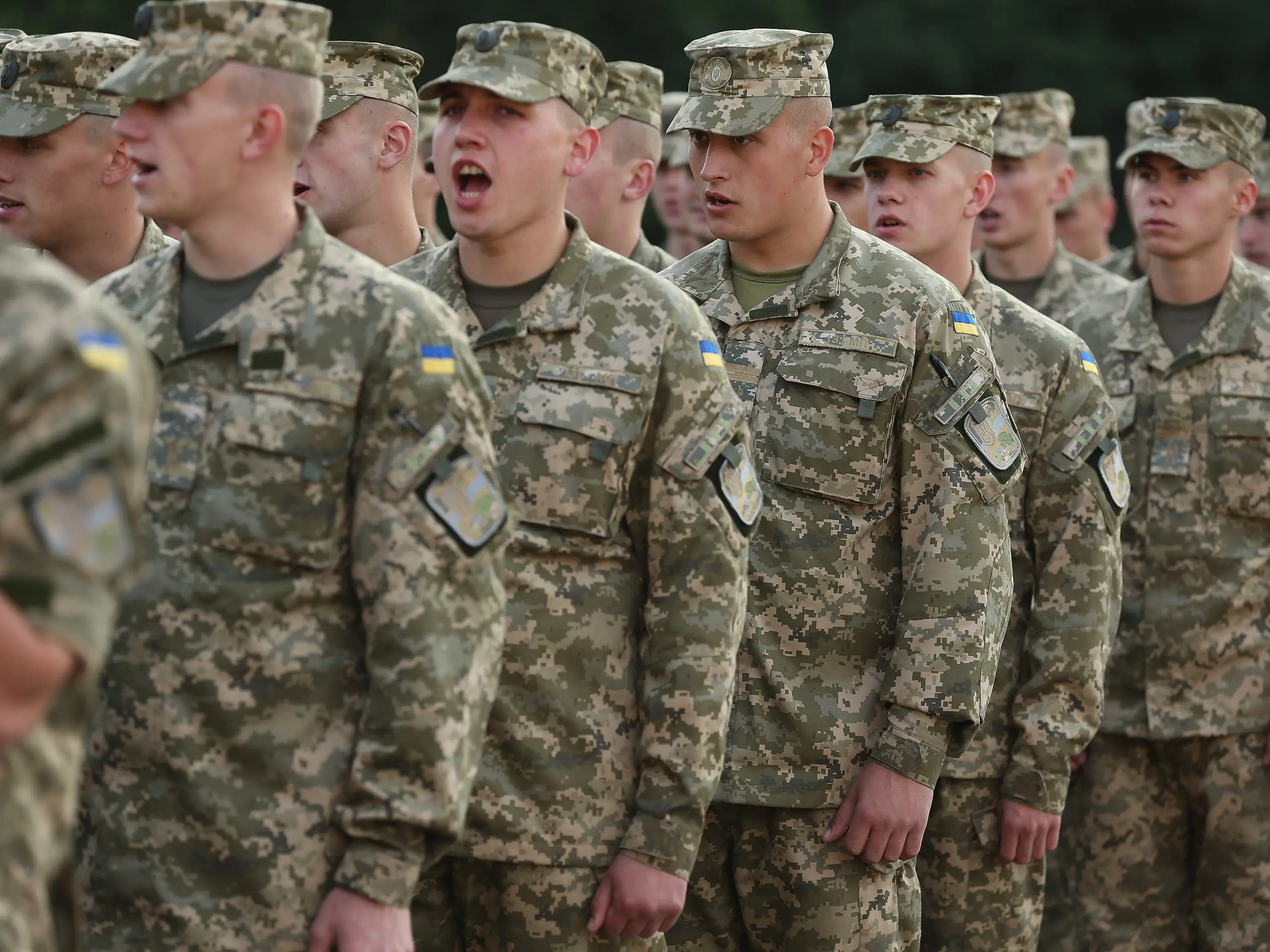
Active armed forces: 730,000
Defense budget: $28.4 billion
5. Russia
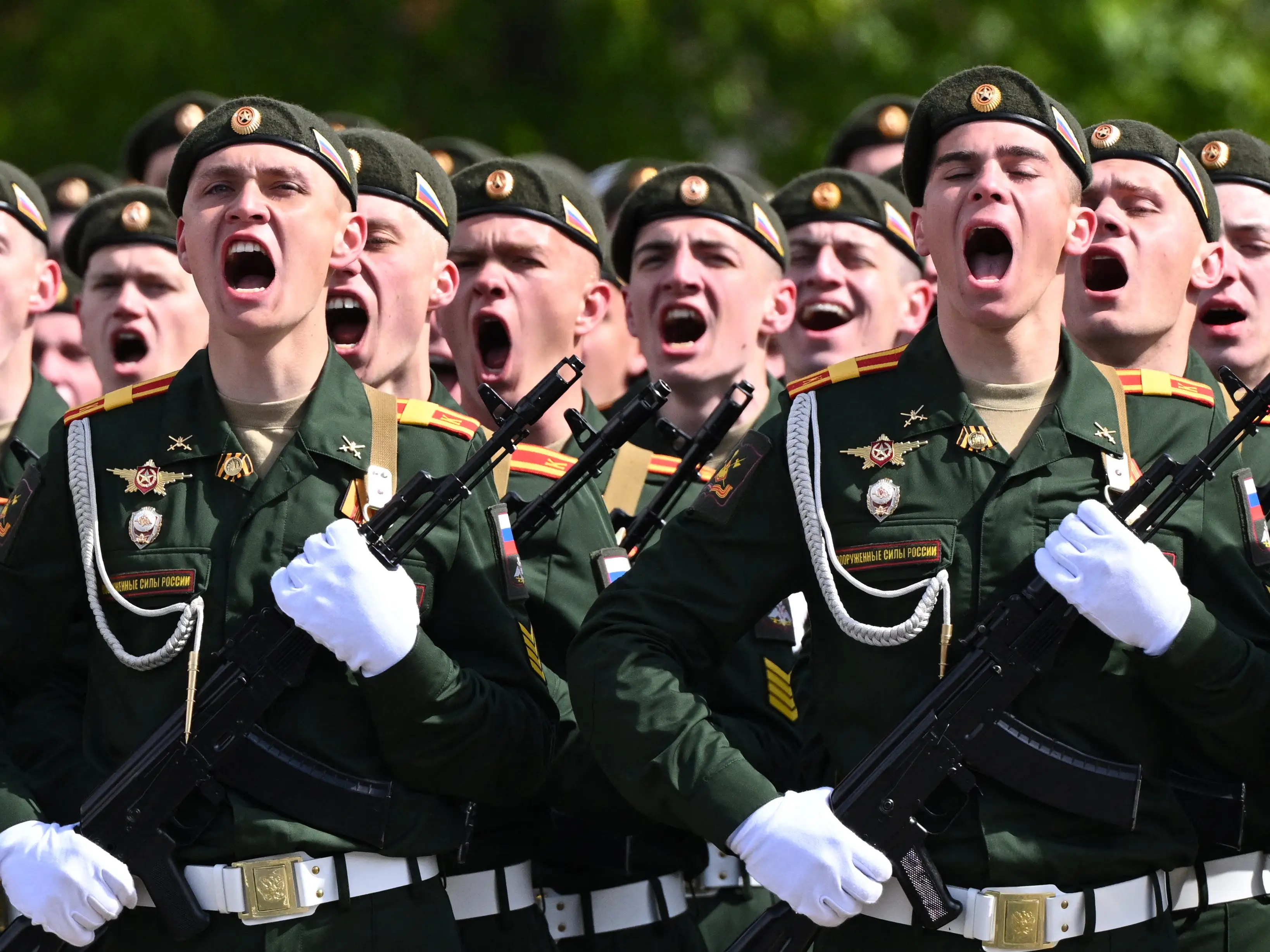
Active armed forces: 1,134,000
Defense budget: $120.3 billion
4. North Korea
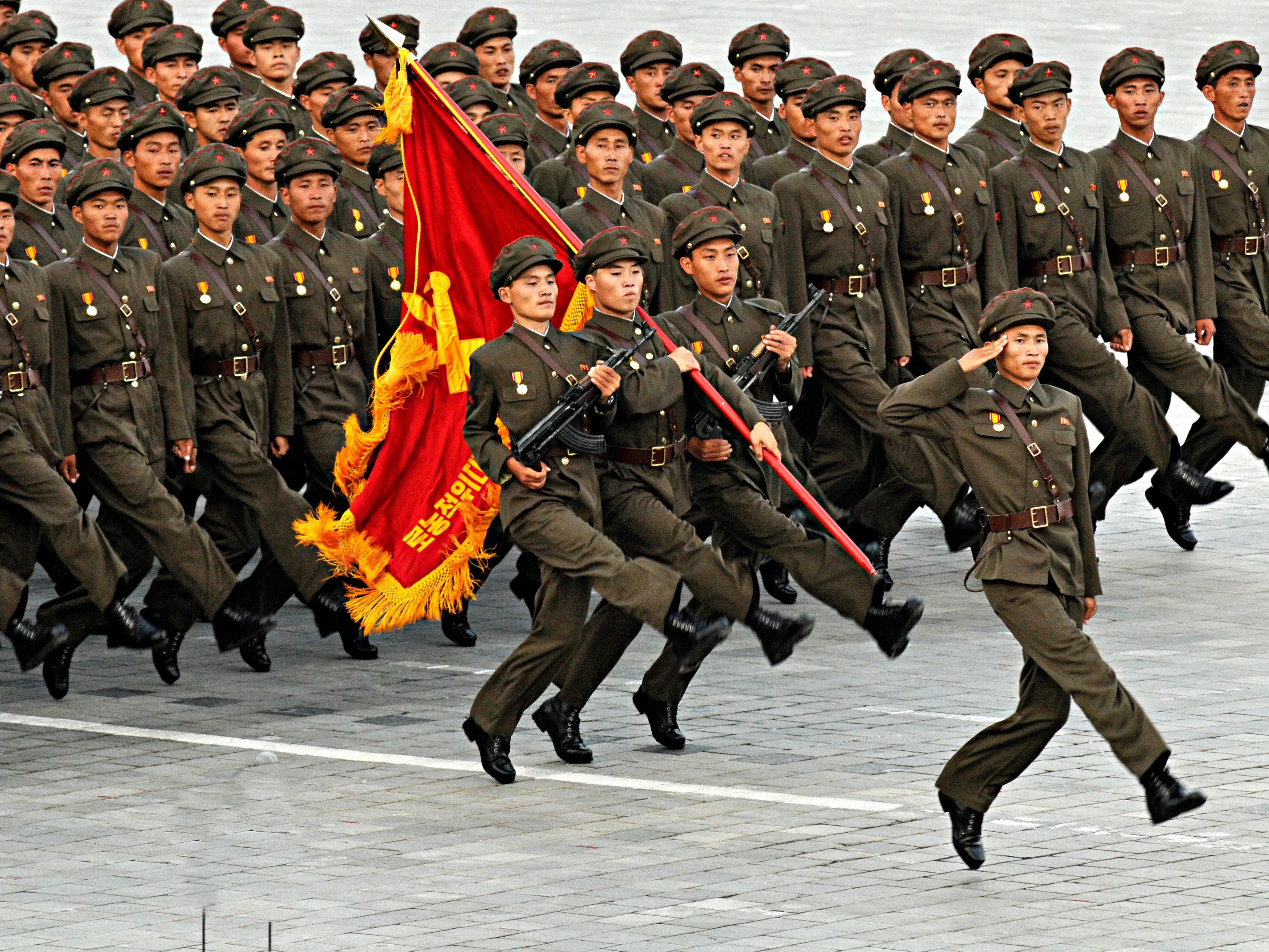
Active armed forces: 1,280,000
Defense budget: Not reported
3. United States
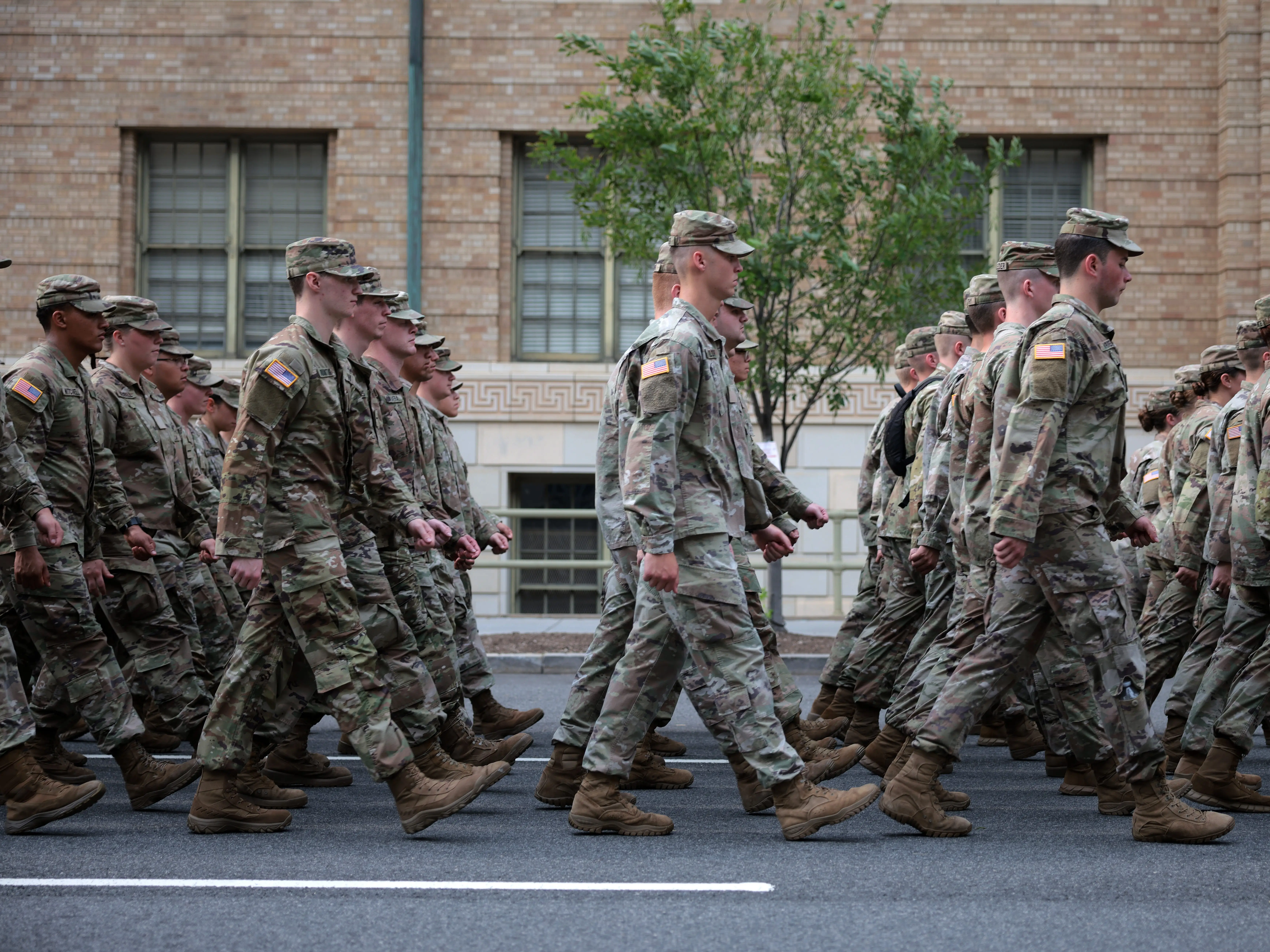
Active armed forces: 1,316,000
Defense budget: $968 billion
2. India
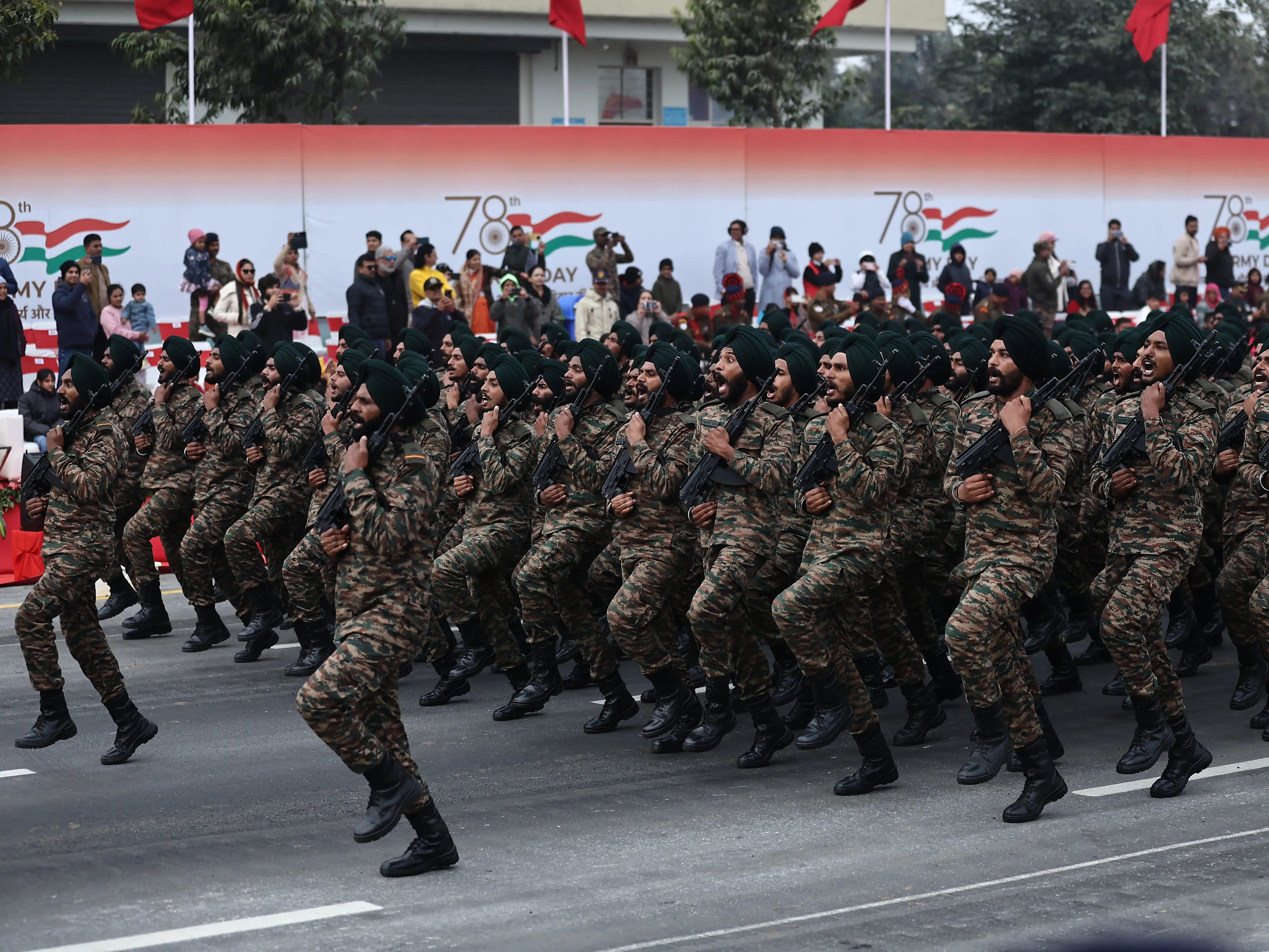
Active armed forces: 1,476,000
Defense budget: $74.4 billion
1. China
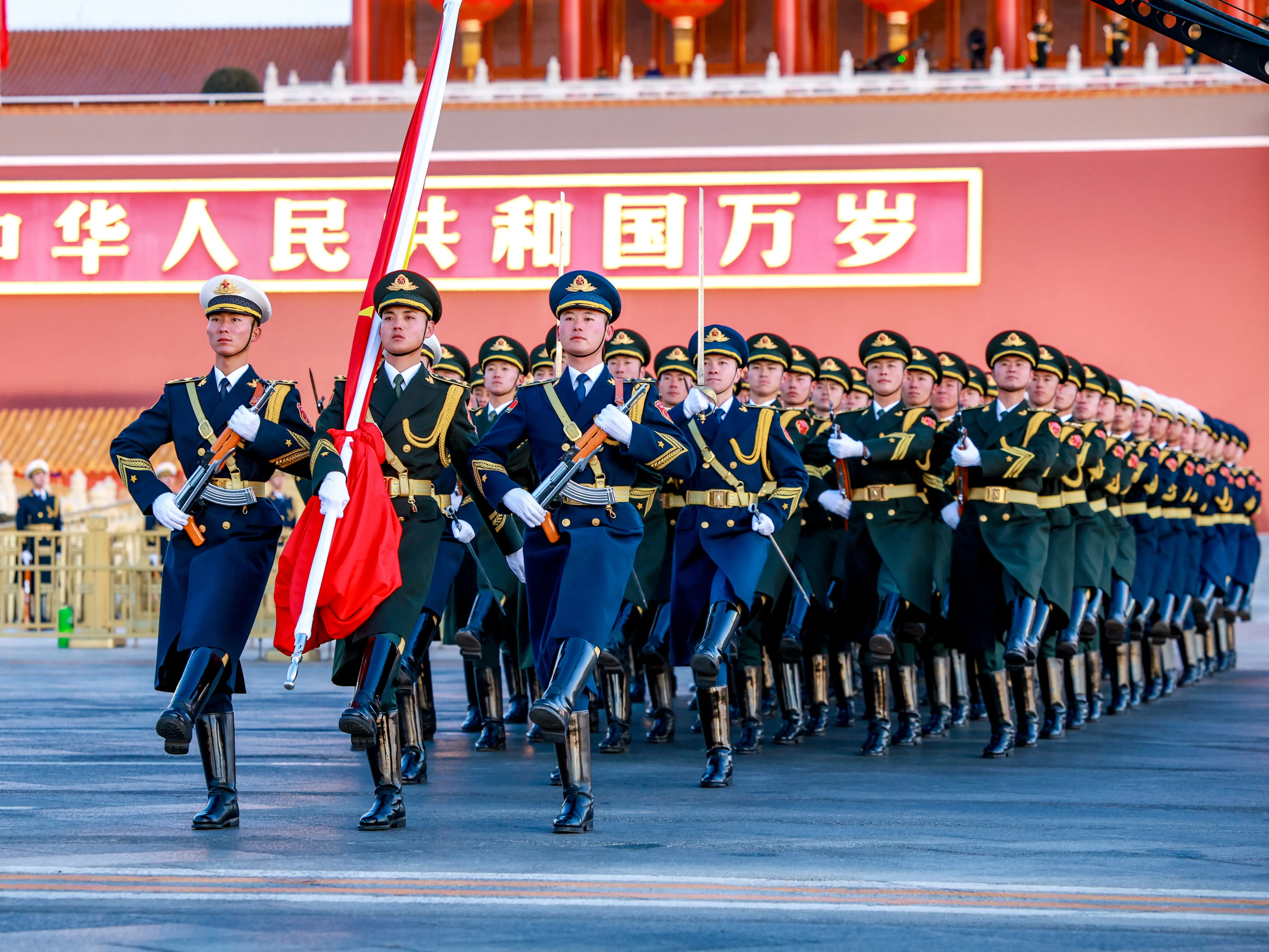
Active armed forces: 2,035,000
Defense budget: $235 billion
Read the original article on Business Insider
The post The 25 largest militaries in the world, ranked by the number of active troops appeared first on Business Insider.