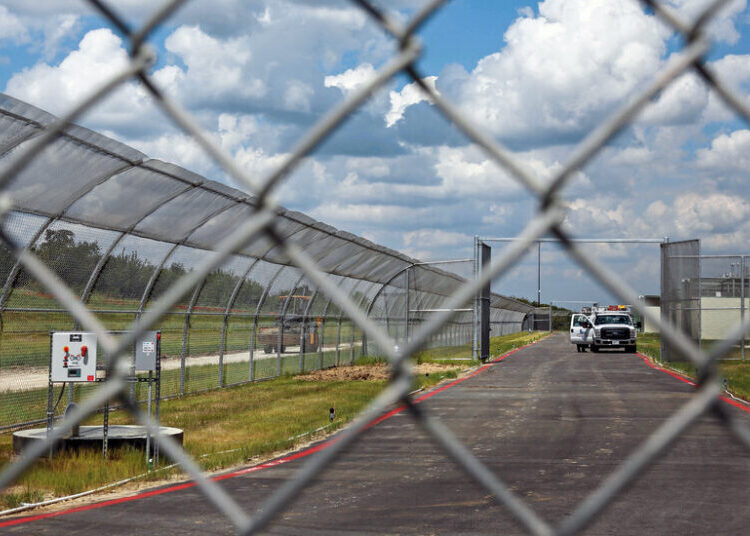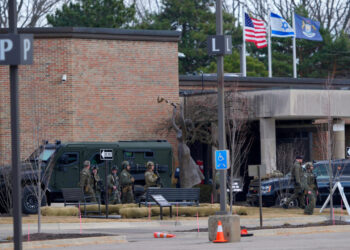
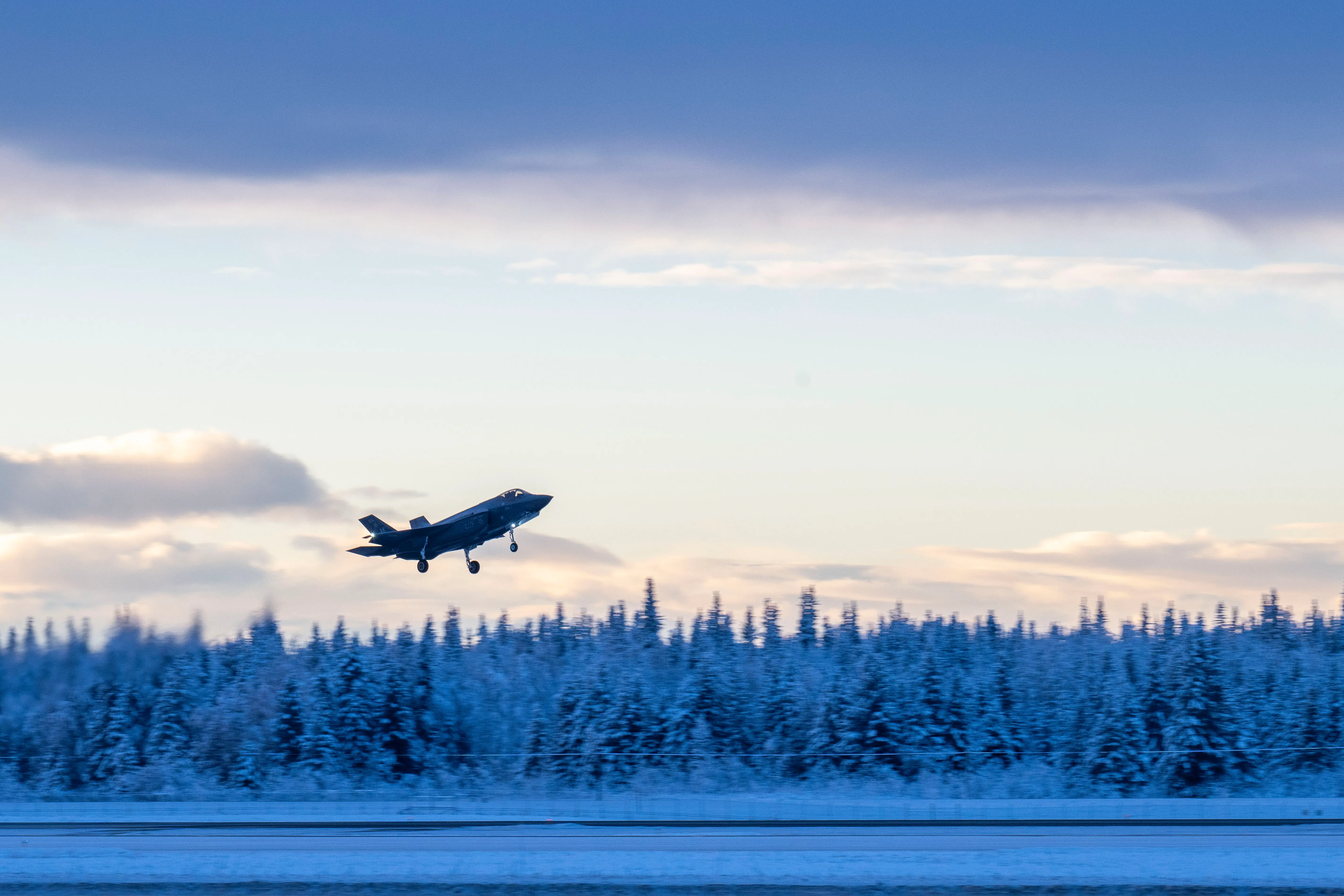
For war across the freezing Arctic battlefields, the US faces a problem: it doesn’t have the right weapons or tools to reliably detect threats in the region and respond to them quickly.
The Arctic is an unforgiving place for a war. It’s a location where distances are vast, subzero temperatures can cripple equipment, and forces must operate with limited support infrastructure, but as competition with US rivals and adversaries becomes fiercer, there is a growing realization that a future fight could unfold across an Arctic battlespace. Among experts and officials, there’s also increasing concern about US readiness.
If US forces in the region can’t spot threats early, position assets effectively, and sustain troops in harsh conditions, the region could become a corridor for undetected attacks.
Gaps in Arctic defenses have been one element of President Donald Trump’s erratic rhetoric on US interests in the acquisition of Greenland. He has said it is necessary for the substantial US missile defense project known as Golden Dome.
“If there is a war, much of the action will take place on that piece of ice,” Trump said on Wednesday at the World Economic Forum in Davos, Switzerland. “Think of it: those missiles would be flying right over the center.”
The president isn’t the first to call attention to the strategic and national security implications surrounding the Arctic. Warnings have come from across administrations.
Leaders in Washington have expressed similar concerns about the importance of the Arctic region for homeland defense in recent years. In its 2024 Arctic strategy doctrine, the US Department of Defense emphasized the need for better, more modernized all-domain awareness, surveillance and sensors, naval capabilities, and missile warning technologies. Existing systems, the department said, weren’t sufficient for the growing threats in the region.
Specifically, the US, along with some of its NATO allies, has underinvested in capabilities needed to detect, track, and respond to activity across vast Arctic distances.
The right kind of tools for the mission
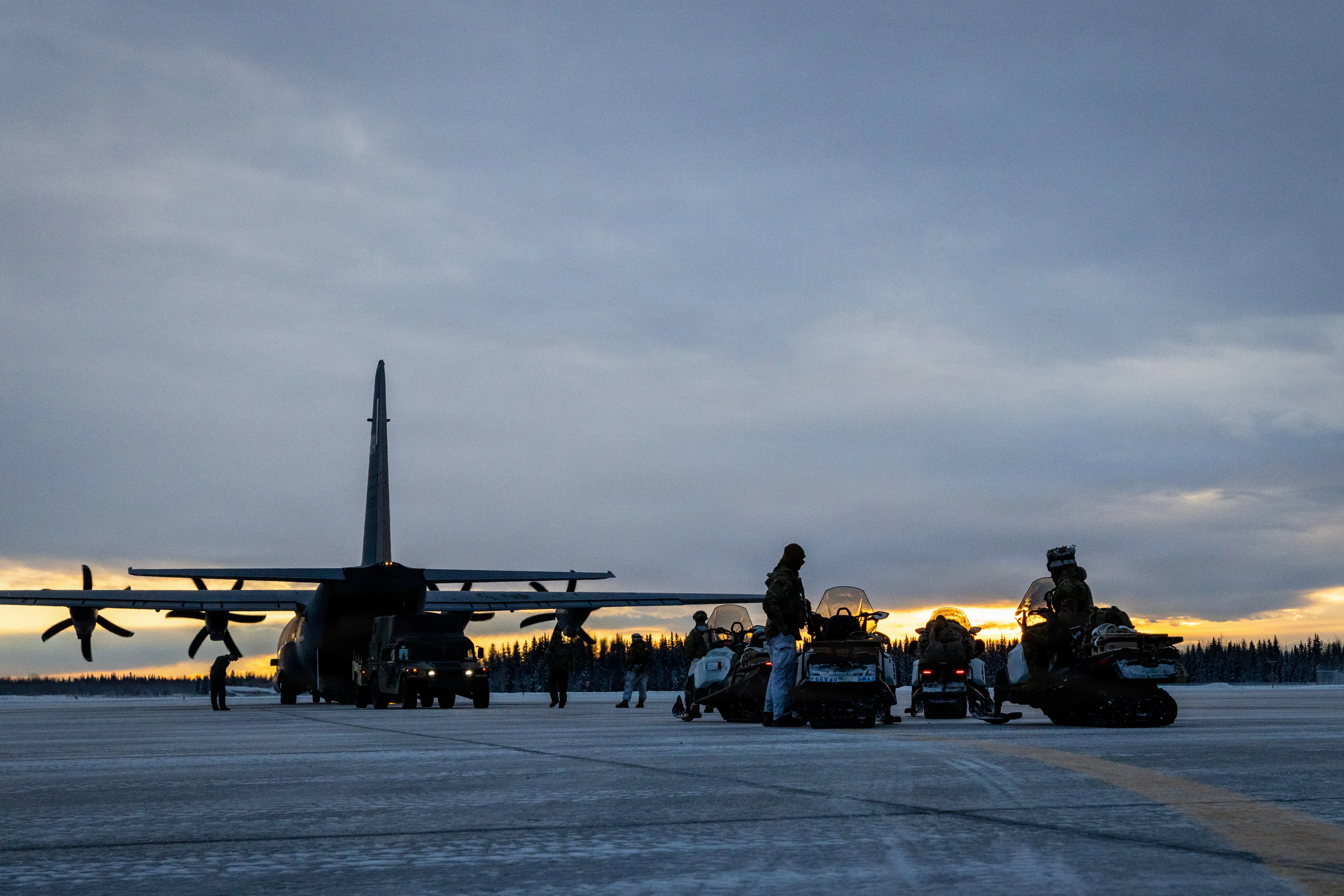
Some necessary capabilities include aerial and underwater surveillance, as well as defense and naval warfare capabilities like anti-submarine frigates, heavy icebreakers, polar-capable multi-mission surface vessels, and dual-use sealift capacity, Liselotte Odgaard, a senior fellow at the Hudson Institute, wrote in a new report. Infrastructure such as undersea sensor networks, command and control systems, ports, runways, and roads is also lacking.
“As a result, the US and its allies have insufficient monitoring, response, and sustainment options,” she explained. “These shortfalls allow adversaries to transit waters and territories undetected, sustain forces in combat theaters for prolonged periods, and successfully challenge allied forces in combat-like situations.”
US presence, whether through domain awareness or more constant exercises in the region, has also been lacking, leaving the Arctic as the “shortest and least defended threat sector,” former deputy commander of US Northern Command, Army Gen. Thomas Carden, said in 2024.
With recognition of the challenges has come new efforts. Recent moves, like the One Big Beautiful Bill Act and the Coast Guard’s fiscal year 2026 budget, have included millions of dollars for new icebreakers, Coast Guard cutters, and needed Arctic infrastructure upgrades. The Coast Guard’s newly renamed Arctic District has taken on a more prominent monitoring role, and last year, the service received its first polar icebreaker in over 25 years.
Additionally, the US is working to field new air defense systems and interceptors to replace or supplement the ones in Alaska. And the Space Force’s 2026 budget includes billions for Golden Dome, specifically space-based sensors and interceptors, and modernization efforts at Pituffik Space Base in Greenland.
But key areas remain underdeveloped.
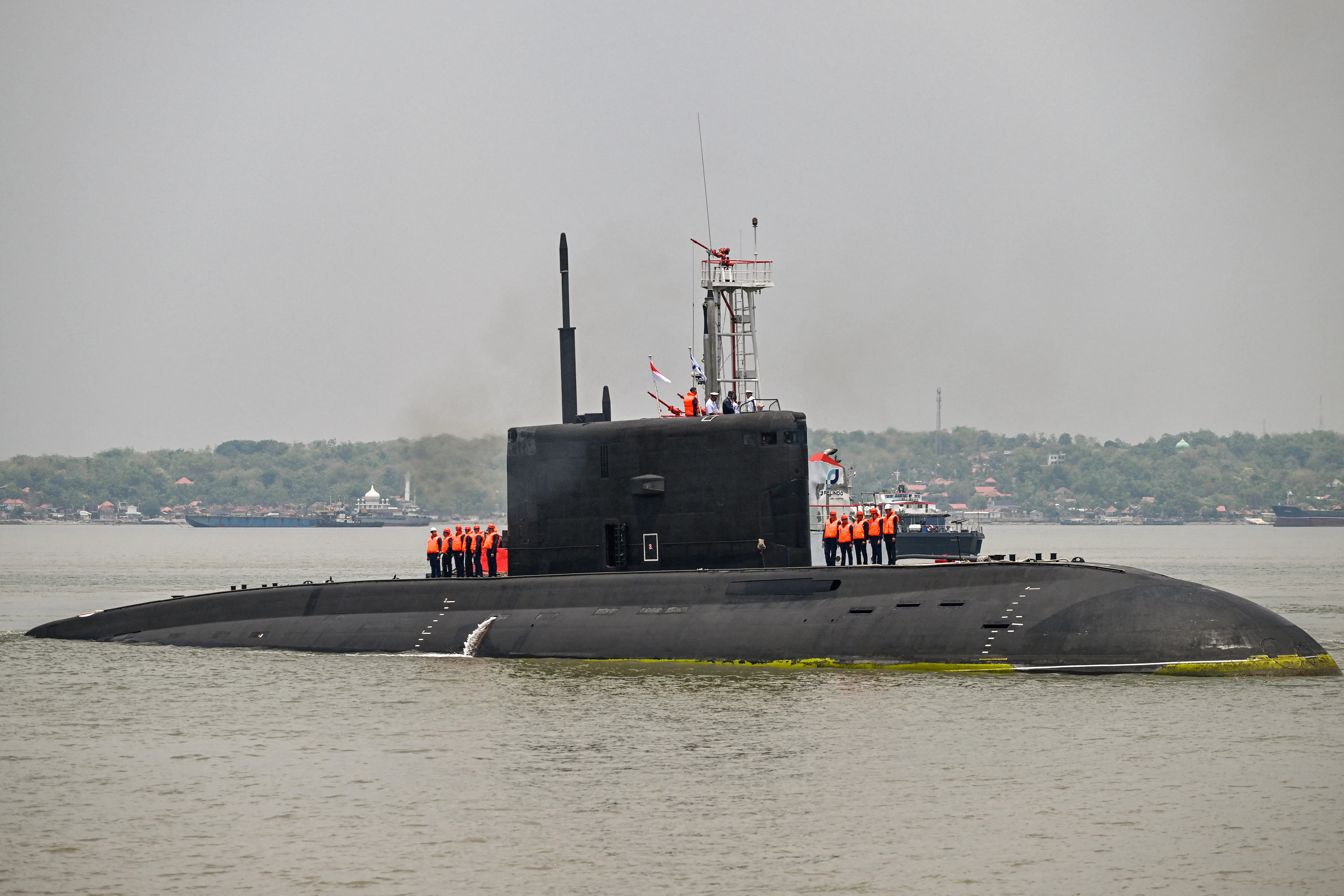
As Odgaard wrote in her new report, parts of the airspace over eastern Greenland and the North Pole are not consistently surveilled, and the submarine detection and tracking capabilities along Greenland’s eastern coast fall short of what is needed.
Those gaps are concerning as Russia focuses on expanding submarine operations in the Arctic.
Uncrewed systems, both naval and aerial drones, could, in theory, extend surveillance coverage across vast areas that are expensive and difficult to patrol without increasing the demand on traditional crewed aircraft and assets.
The harsh Arctic environment could challenge such efforts. With drones, it could stress their batteries, range, connections, and performance. Recent exercises have shown troops that temperatures below freezing, low visibility, snowy or icy conditions, and strong winds can degrade aerial drones and other equipment.
The US’ renewed investments in preparation for Arctic warfare come as Russia and China are deepening cooperation and more actively pursuing interests in the region. Russia has been looking to expand where its submarines can operate as China positions itself strategically as a “near Arctic” nation, joining Russia on joint patrols, including ones near Alaska. China is also investing in naval capabilities, ships, and drones for the region.
Read the original article on Business Insider
The post The US has an Arctic warfare problem: not enough of the right kinds of weapons and tools appeared first on Business Insider.