The largest nurses strike in New York City history has dragged deep into its second week with no end in sight, and Mayor Zohran Mamdani has taken a side. It isn’t the side of patients.
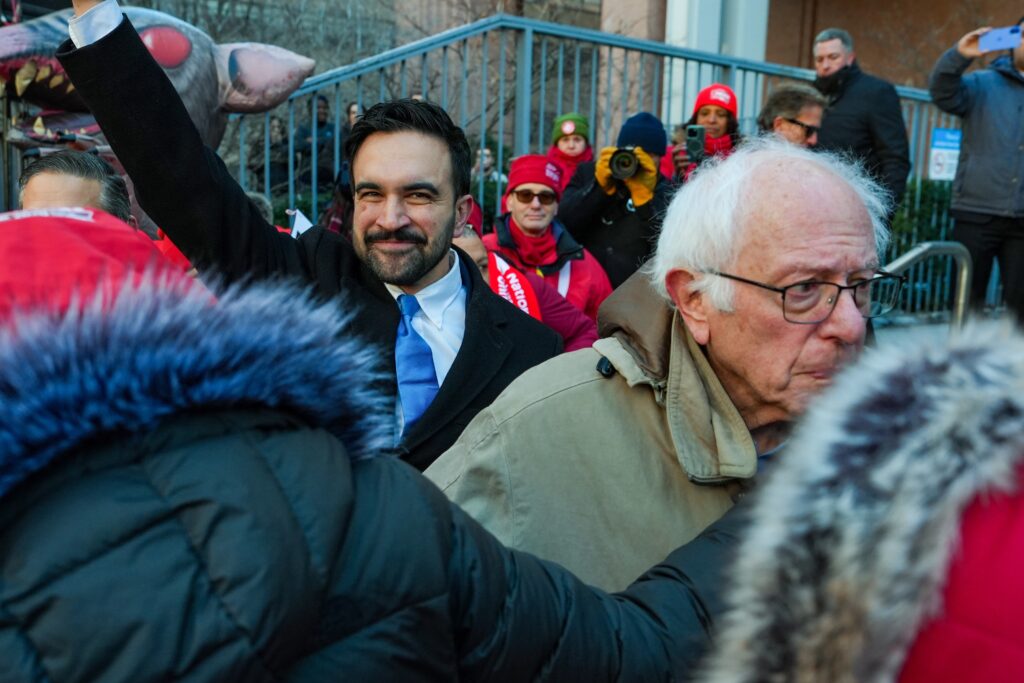
Nearly 15,000 nurses across three nonprofit hospital systems are demanding a 25 percent pay hike over three years, despite having received multiple pay increases in recent years. “They should settle for nothing less,” Mamdani said as he joined the picket lines on Tuesday.
The concern is that such a significant pay increase risks increasing costs of health care for New Yorkers. Labor costs make up more than half an average hospital’s annual costs. NewYork-Presbyterian, which is affected alongside Mount Sinai and Montefiore, says the union’s “demands ignore the economic realities of healthcare in New York City and the country.”
Everyone agrees nurses deserve fair wages and safe working conditions, but leaving patients in the lurch for a prolonged period raises other kinds of safety concerns. The hospitals have hired temporary nurses in an effort to minimize disruptions, but while the mayor stands on the barricades, operations are being canceled and ambulances are being diverted.
Drawing attention to this strike might be a cynical move to build support for single-payer insurance — and then a full government takeover of health care. Ironically, it’s unlikely to sway the hearts and minds of voters who think access to healthcare is an important issue, as they watch patients struggle to access care.
The inconvenience in Gotham offers a small taste of the kind of disruption that can happen if medicine gets centralized and socialized, as it has been in Britain, because a single strike can bring the whole system to a standstill. The result is a more politicized health care system that often gets worse outcomes for patients and incentivizes politicians like Mamdani to pick a side rather than fix the problem.
Mamdani is behaving more like an activist at Bowdoin College or an organizer for the Democratic Socialists of America than the leader of a city of more than 8.5 million. Success in this job depends on improving people’s lives. As mayor, it’s Mamdani’s job to help deescalate tensions between businesses and workers and find pathways to compromise. Yet he remains in campaign mode, putting out videos to advertise summer internships and going on ABC’s “The View” to express support for abolishing Immigration and Customs Enforcement (ICE).
Performative acts of “solidarity” may feel good, but they don’t solve problems.
The post Mamdani prefers protest over leadership appeared first on Washington Post.