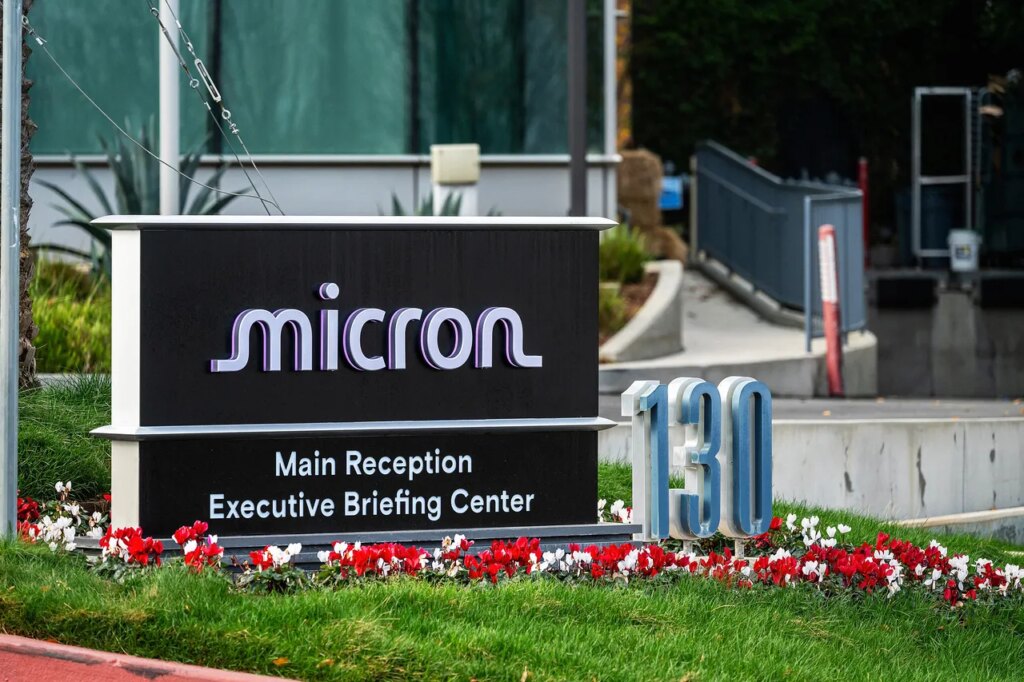
Days after Micron broke ground on a $100 billion chip factory in New York state, a coalition of environmentalists, labor unions, and civil rights groups are urging the US tech giant to sign a deal that would make a series of promises to be a good neighbor legally enforceable.
Micron’s megafab to make memory chips is on track to become the biggest commercial development in state history and the largest chipmaking complex in the country. Officials held a groundbreaking ceremony in the city of Clay, near Syracuse, last Friday. The first chips could arrive in five years, though the entire site won’t be finished for 20 years.
Organizers and members of the Central New York United for Community Benefits Coalition—composed of about 25 mostly local advocacy groups—tell WIRED that they welcome the project. They also appreciate that Micron has already pledged to hire locally and address some of the physical and social impacts of its construction. But the coalition members believe oversight is lacking and that Micron could get away with polluting the environment and worsening the region’s economic inequality.
“We want to have real, strong, transparent, and enforceable commitments,” says Anna Smith, a senior researcher at Jobs to Move America, a union-friendly national nonprofit that is helping to organize the coalition.
On Wednesday, the coalition published a letter emailed to Micron CEO Sanjay Mehrotra inviting him to meet and begin negotiations on what’s known as a community benefits agreement, which would codify the company’s pledges on hiring, environmental protection, and local investment.
Micron did not immediately respond to a request for comment on the letter.
Companies such as Micron aren’t obligated to strike deals with community groups. But the New York coalition is basing its campaign on similar efforts by other US organizations. Some of them have successfully pressured big construction projects, such as an airport and a bus factory, into signing contracts to invest in schools, build affordable housing, conduct more environmental studies, or buy locally. Crucially, these agreements can be enforced through the courts.
Proponents of the agreements say making deals can help companies neutralize opposition and clear a smoother path for construction, hiring, and ongoing integration in the community. Provisions can include oversight panels and annual public reporting. A database compiled by Columbia Law School shows dozens of benefits agreements for major projects over the past decade.
“We have seen such agreements negotiated by companies with coalitions like ours across the country become win-wins, where the employers, workers and community organizations work together to ensure the needs of all parties are met,” the New York coalition wrote in the letter to Micron.
It added that a comprehensive deal will “further fulfill Micron’s commitments to being a good neighbor” and ensure good faith promises “translate into concrete, measurable benefits.”
Building more chips in the US is a national security priority, and the Micron project enjoys bipartisan support. But it comes at a time when massive fabs and data centers are receiving unprecedented public scrutiny, largely driven by their significant consumption of water and power.
Amid the pushback, some projects have already been abandoned or relocated. Organizers of the New York coalition believe the Micron campaign, if it leads to a deal, could be a template for winning concessions even as development moves forward. “This project can be done well,” Smith says. “Let’s get to the finish line together.”
Seeking Commitment
The coalition’s members include environmental advocates the Sierra Club Atlantic Chapter and SustainCNY; racial justice groups Urban Jobs Task Force and the Syracuse chapter of NAACP; and labor organizations including Local 320 of the IUE-CWA, a union representing factory workers.
They zeroed in on Micron partly because of the public subsidies its project could end up receiving—up to $25 billion. The company’s promise of employing 9,000 people has buoyed support but some in the community remain concerned about the trade-offs. One point of aggravation has been that local authorities are displacing a 91-year-old great-grandmother from her home of 60 years to make way for Micron.
The coalition is seeking commitments on three major topics—Micron’s workforce, the local economy, and the environment. Among its requests: Micron should provide equal job opportunities to communities of color and family-supporting wages; Micron should invest in affordable housing and public transit so that people across the Syracuse region can access jobs at the megafab, the coalition says; and Micron must commit to transparent limits on energy usage and pollution, particularly with “forever chemicals” used in chipmaking that could pose a notable threat to waterways and employee health.
“There’s no plans to remove the forever chemicals from the water before it runs off into Lake Ontario,” says Maddy Nyblade, a hydrologist in Syracuse who is part of SustainCNY. “There’s really a contamination concern for our own drinking water.”
Micron has already made some pledges to secure permits and tax breaks. For instance, it plans to invest $10 million in childhood education, remediate wetlands to make up for those it is destroying, and work with local authorities to address housing shortages. But coalition organizers say much remains uncertain.
“Good-faith commitments are really nothing when we can’t ensure Micron will act in good faith,” Smith says. “We want to make sure Micron is meeting the highest standards possible to both protect workers and the community.”
She believes concerns are justified because, in her view, the chip industry has a poor track record on workplace diversity, union busting, and protecting workers from toxic chemicals.
The IUE-CWA’s preliminary outreach to Micron, specifically, also didn’t go well. Two years ago, when it met with the company to address some of the issues before construction kicked off, talks devolved quickly because the sides were far apart, according to union president Carl Kennebrew. He says that’s why the union joined the coalition. “We encourage the company to sit at the table with us and form a partnership,” he says.
The coalition plans to call on elected officials and use the public comment opportunities of permitting processes to help pressure Micron to negotiate.
In a tactic separate from the coalition, Jobs to Move America partnered with a local advocacy group last week to sue local authorities and attempt to stop construction of the megafab, arguing that they unfairly rushed the project’s environmental review.
Onondaga County spokesperson Justin Sayles calls the filing “nothing more than a leverage play from a usual suspect” that “doesn’t change the fact that this is the most studied project, likely in the history of the United States.”
Khadeejah Ahmad, who grew up in Syracuse and now leads Jobs to Move America’s organizing in the region, is hopeful about the coalition’s prospects. She lives 20 minutes away from Micron’s construction site and expects future generations of her family to stay close.
With the company poised to become the largest for-profit employer in the county, making a deal and having a good reputation in the community would go a long way in her view. “This is a way to bring back manufacturing to the US in a high-road way and set a standard,” Ahmad says.
The post Micron Megafab Project Faces a New Hurdle as Activists Seek a Benefits Deal appeared first on Wired.