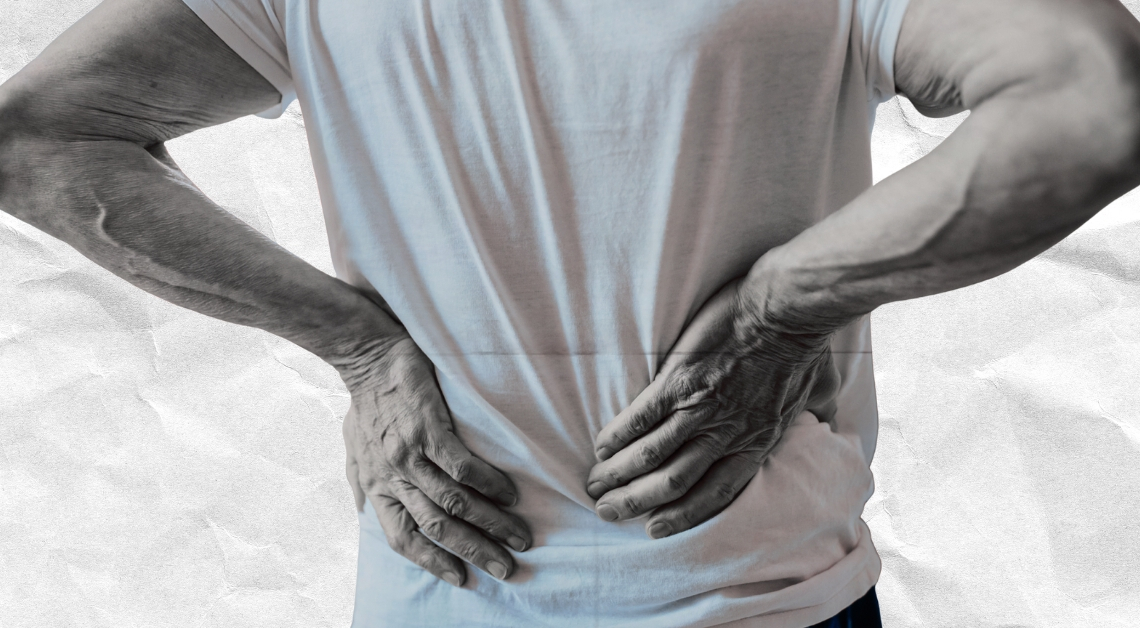
Everybody hits their 30s thinking they’ll look the same, move the same, and bounce back the same. I mean…you were just in your 20s, right? What’s the big deal? Then one day you wake up with a sore neck from “existing,” your phone font starts acting petty, and your body develops strong opinions about sleep, alcohol, and staircases. None of this means anything’s “wrong” with you. A lot of it is basic biology doing its boring little job.
Here’s what’s happening, plus the science behind it.
1) Your Strength Stops Increasing on Autopilot
Muscle mass typically peaks in the early 30s, then begins a gradual decline. That’s why strength stops coming for free and starts responding more to consistency.
2) Your Body Composition Starts Playing Favorites
Even if the scale stays the same, body fat usually climbs after 30, and it likes hanging around the middle. Meanwhile, muscle can slide the other direction, which changes how clothes fit and how fast you warm up during workouts.
3) Your Metabolism Is Not the Villain People Claim It Is
Everyone loves the “my metabolism died at 30” story because it sounds legit. But, sorry, it’s not. Large datasets using gold-standard energy measurement found that total and basal energy expenditure stayed stable from ages 20 to 60. Your daily burn isn’t slowing down, but changes in muscle and routine can still make you pack on extra pounds.
4) Sleep Gets Lighter, Then Your Day Pays for It
The NIH reports that deep sleep begins dropping in the late 30s. Once that happens, the same bedtime math doesn’t always deliver the same results.
5) Your Eyes Start Losing Their Close-Up Skills
Presbyopia is the extremely rude midlife feature where close-up focus gets harder. The American Academy of Ophthalmology says nearly everyone gets it somewhere between the late 30s and mid-40s as the lens becomes less flexible.
6) Your “Nothing Injury” Era Begins
Tendons age, too. Research on tendon biology connects aging to degenerative changes that raise tendinopathy risk, which helps explain the new wave of tweaks from normal workouts you’ve done a million times. “Warm-ups” and “cool-downs” are no longer optional.
Your body after 30 isn’t broken. It’s adjusting to time, stress, and mileage. Once you know what’s happening, you can take a deep breath, accept the fact you can’t escape aging, and start taking care of yourself in ways that make more sense for your body.
The post The Weirdest (Normal) Things That Happen to Your Body After 30 appeared first on VICE.