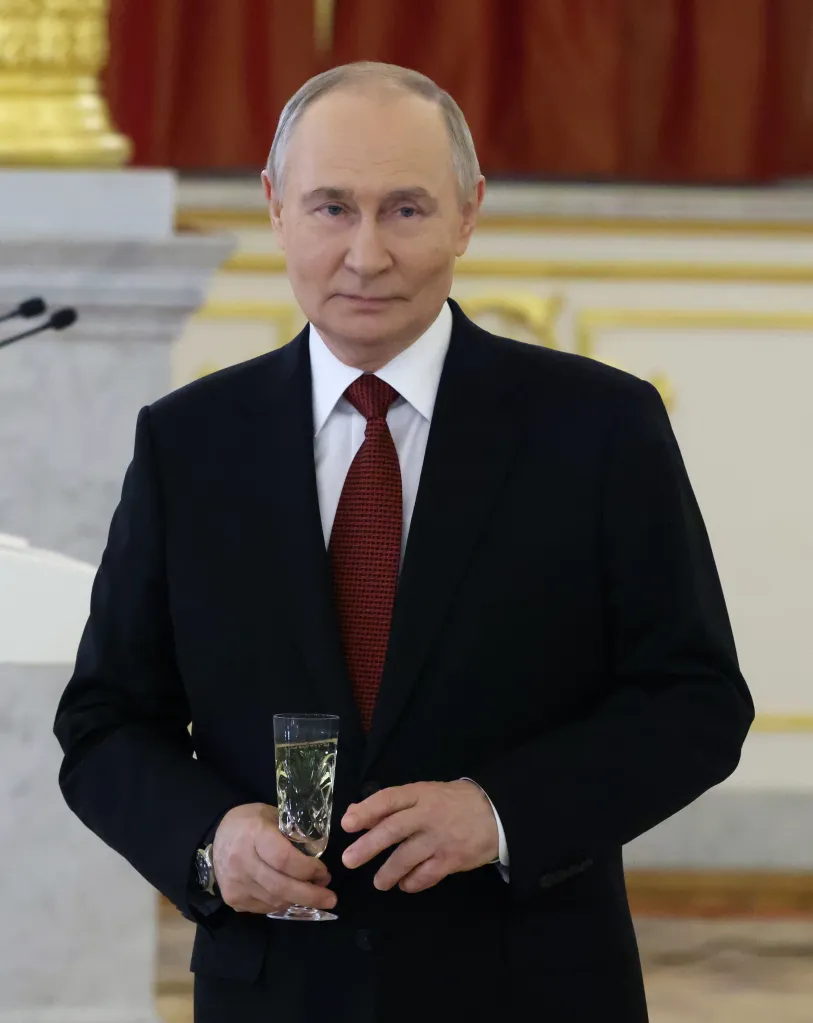
Russian dictator Vladimir Putin has rejected peace.
He’s trying to convince the world that the Ukrainian lines are nearing collapse to get President Trump to force Ukraine to surrender. But Putin is lying.
Nearly four years into the conflict, which began Feb. 24, 2022, Ukrainian lines are holding. Russian advances remain very slow and costly. It’s Putin who should be pressured to recognize the futility of continuing to spend the blood of Ukrainians and Russians on his futile dreams of conquest.
Outnumbered and wounded, Ukraine is still managing to hold Russia back and impose heavy casualties on Russian forces despite its own challenges.
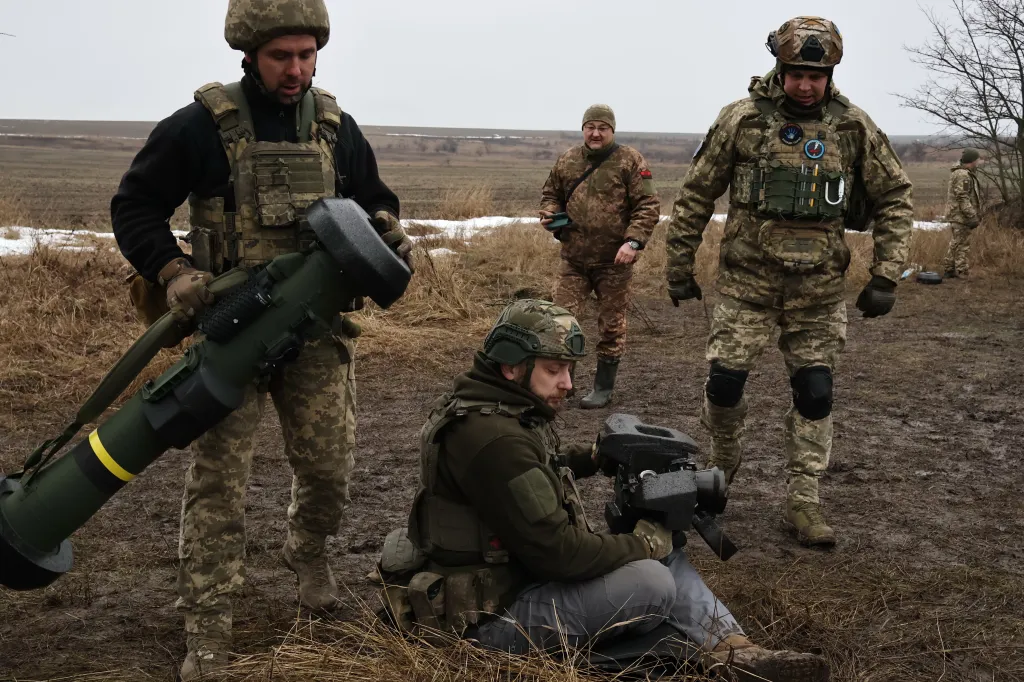
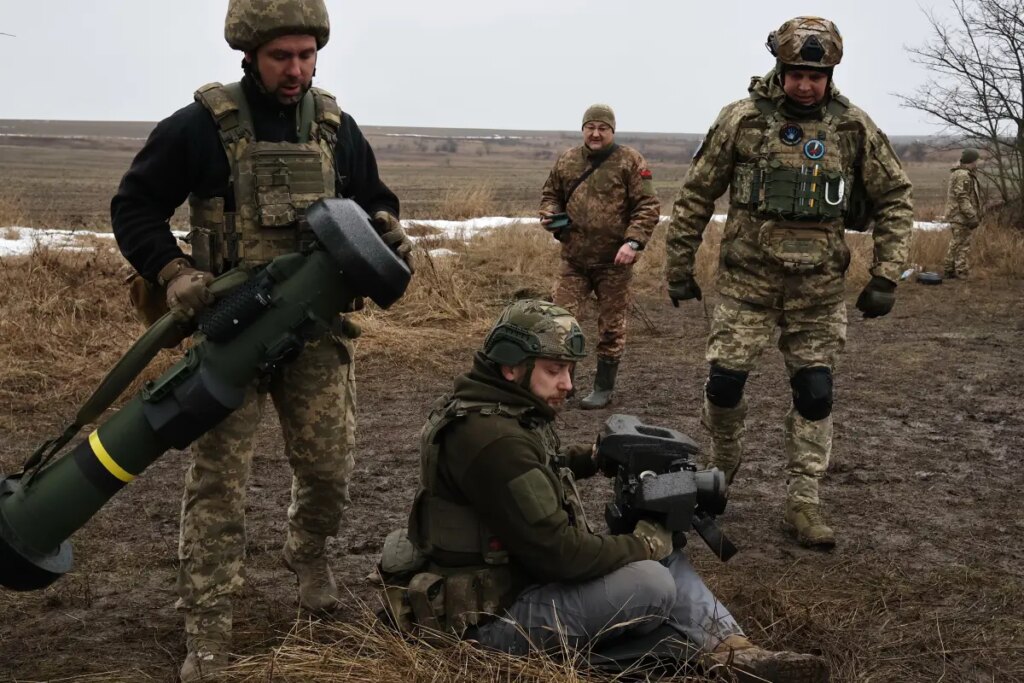
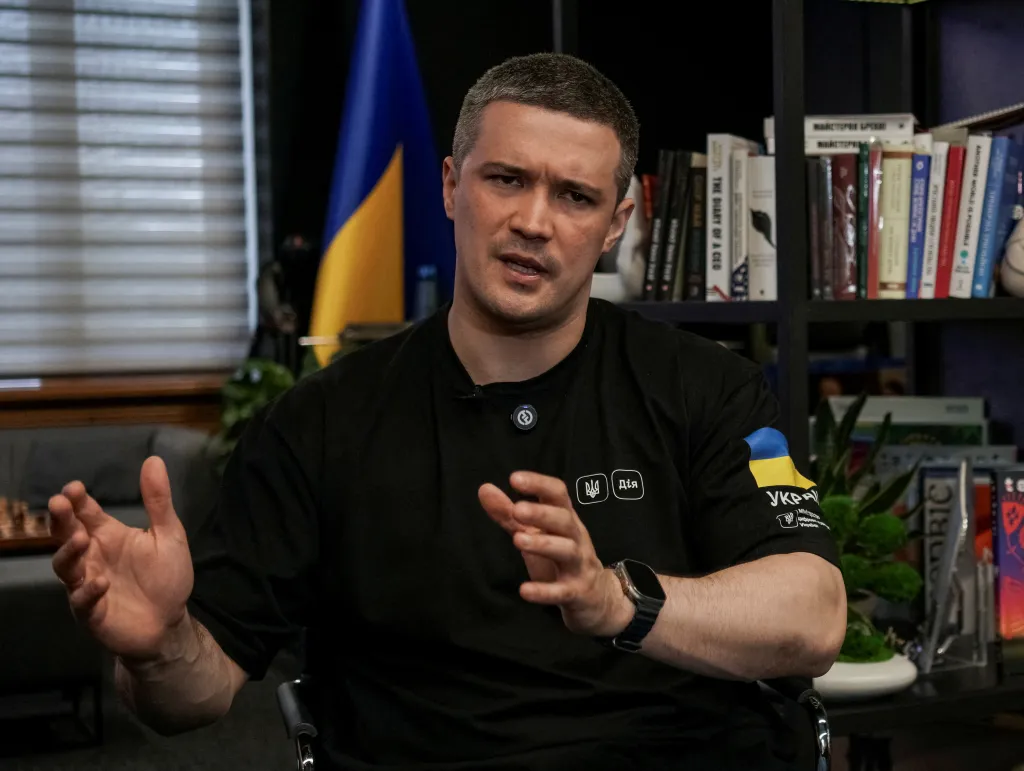
New Ukrainian defense chief Mykhailo Fedorov said this week that 200,000 Ukrainian soldiers are missing in action and about 2 million have dodged the draft, and Russian strikes on energy infrastructure have plunged Kyiv into cold.
But Russians are not marching to victory. Their forces are suffering 20,000 to 25,000 deaths a month, according to NATO Secretary General Mark Rutte. That’s a monthly casualty rate close to the upper end of estimates of the Soviet Union’s total losses lost in the entire decade-long Afghanistan war, Rutte noted.
One square kilometer of Ukrainian land cost Russia 93 casualties on average in 2025, and Russia has incurred similar casualties in previous years.
Russian recruitment is struggling to offset troop losses. Russia recruited 406,000 people in 2025, according to the Kremlin, and Ukrainian estimates suggest that casualties exceeded 410,000 over the past year. This may force Putin to make hard and socially unpopular decisions if he remains determined to pursue his dream of conquering Ukraine.
After failing to accomplish its initial three-day objective of toppling Kyiv, Russia has now fought in Ukraine longer than it fought Germany during World War II. The Russians have neither collapsed Ukrainian defenses nor can they drive on Kyiv.
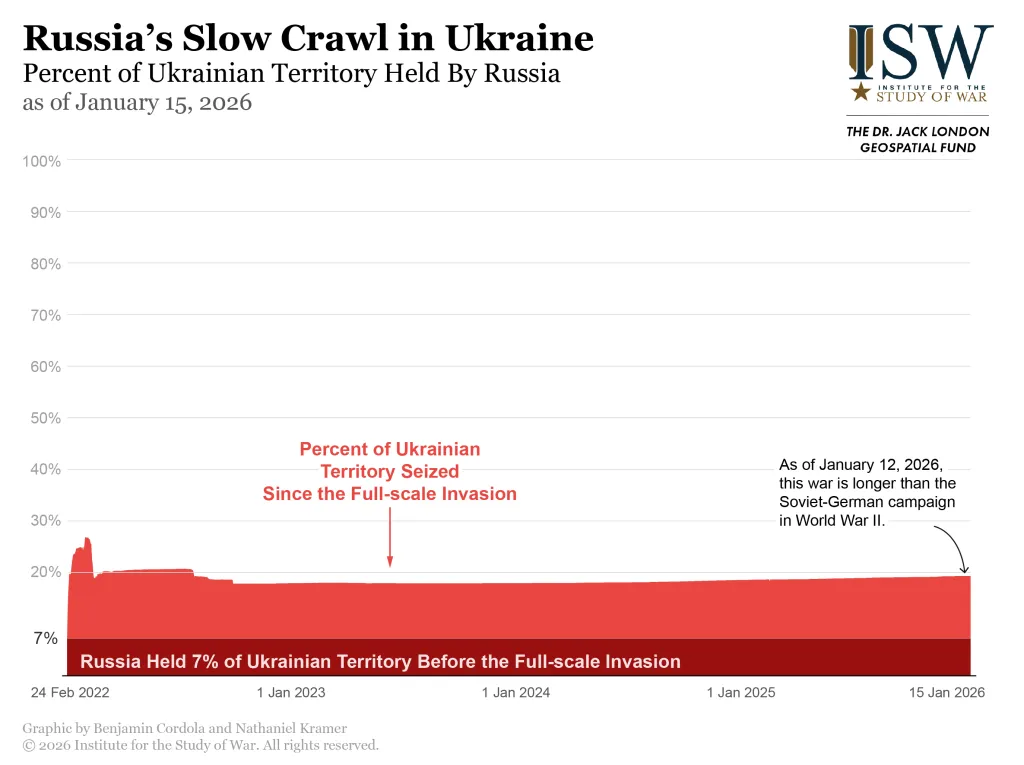
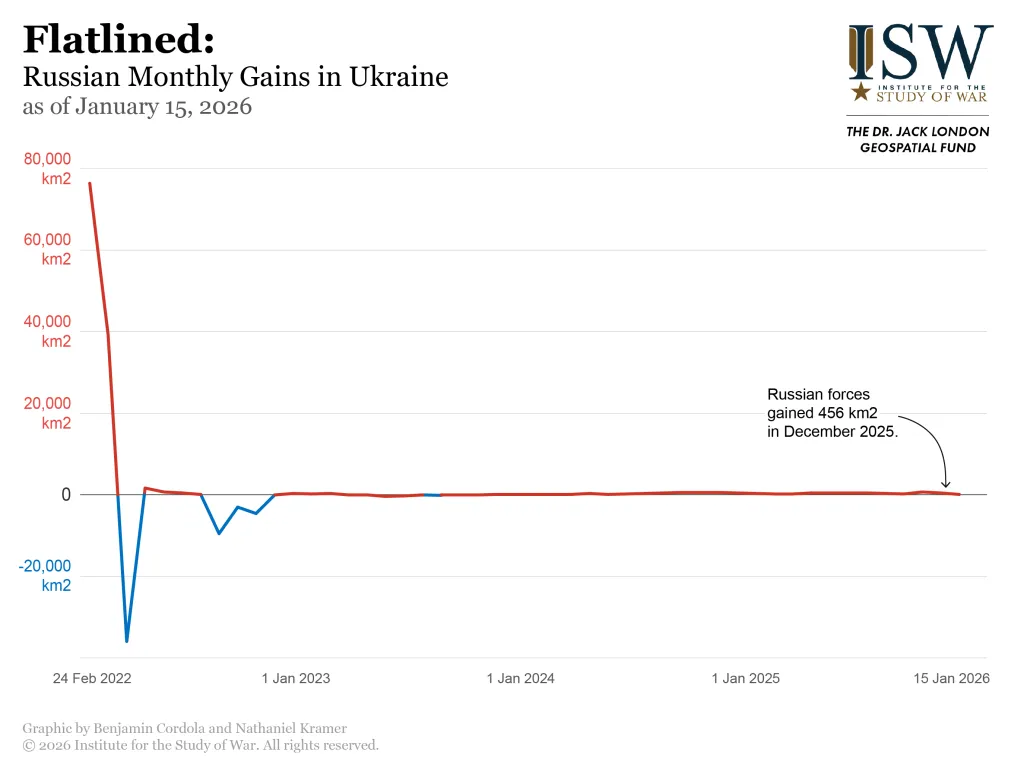
In fact, Russian advances in Ukraine have plateaued since early Spring 2022.
At the maximum extent of advances in Ukraine in March 2022, Russia had seized over 26% of the country (including the 7% they had seized in 2014). Ukraine repelled Russia’s Kyiv offensive by April 2022, reducing the occupied area to just over 20%.
Ukraine’s blitz counteroffensives in the fall of 2022 further decreased Russian-held territory to nearly 18%, and the latter has only seized an additional 1.5% of Ukraine’s territory in the nearly three years since.
Putin reoriented Russia’s efforts on seizing the rest of Donetsk and Luhansk Oblasts in early 2022 after the withdrawal from Kyiv. That’s right — the Russians have been trying to grab the rest of Donetsk for nearly four years. Achieving that goal was Russia’s main battlefield objective for 2025. They failed again.
Russia reportedly extended the date to take all of Donbas to April 2026, but this deadline is as fanciful as all previous Russian deadlines. At the current rate of advance, they will likely need at least until mid-2027 to seize the remaining 21% of Donetsk. Russia has not even taken all of Pokrovsk, which it has been attacking for nearly two years — despite committing over 150,000 troops to the offensive.
Attacks on the southern tip of Ukraine’s heavily fortified Fortress Belt in Kostyantynivka — a considerably larger settlement than Pokrovsk — have only just started. And Russia is not close to attacking the other key fortress belt cities of Slovyansk and Kramatorsk, which it must seize in trying to grab the rest of Donbas. The Kremlin’s propaganda notwithstanding, Russia is not about to do that.
Other Russian offensives across Ukraine have fizzled out.
Forces made their fastest advances of 2025 near Hulyaipole, a small town on the southern frontline, but advances there have slowed since late November 2025. Meanwhile, Ukrainian counterattacks have liberated much of Kupyansk on the northeastern front, despite Putin having declared it “liberated” multiple times, including in the past few days.
Russia is not learning from past failures and is still splitting its efforts across several geographical areas as opposed to concentrating for a single decisive effort in Donbas. Putin’s determination to attack all across the line, in fact, tells us that his aims go beyond Donbas. As President Trump has observed, “he wants to take all of it,” meaning all of Ukraine.
Ukraine’s defenses have successfully prevented significant new Russian offensives elsewhere, particularly along the northern border and in southern Ukraine. The Ukrainians are waging a battlefield drone strike campaign targeting Russian logistics and manpower concentrations farther from the frontlines, constraining advances and denying mechanized maneuver.
Failing on the battlefield, Putin turns to propaganda.
The Kremlin exaggerates seizures of tiny rural settlements along the frontline and the international border as major victories supposedly leading to breakthroughs — which they never do. Russia uses misleading flag raisings in contested areas, cross-border raids and demonstrative senior military meetings to visually support these lies.
Putin aims to win the war by convincing the West that further arms sales and aid to Ukraine are futile against Russian grinding advances. If Ukraine is cut off as a result of this illusion, Russian advances would accelerate. But as long as Western support holds, Putin seems to have no good way forward.
Ukraine is wounding Russia’s oil export economy, essential to Putin’s war efforts. Strikes against oil refineries ramped up throughout 2024 and 2025, causing several to partially or completely suspend operations. Ukrainian strikes have targeted more than half of refineries and cost Russia 10% of its oil refining capacity as of November 2025 — numbers that will continue to climb.
Western sanctions and domestic labor shortages have prevented Russia from repairing much of the damage. According to Bloomberg, Ukraine struck at least 24 Russian oil assets and infrastructure in December 2025 — a new record high.
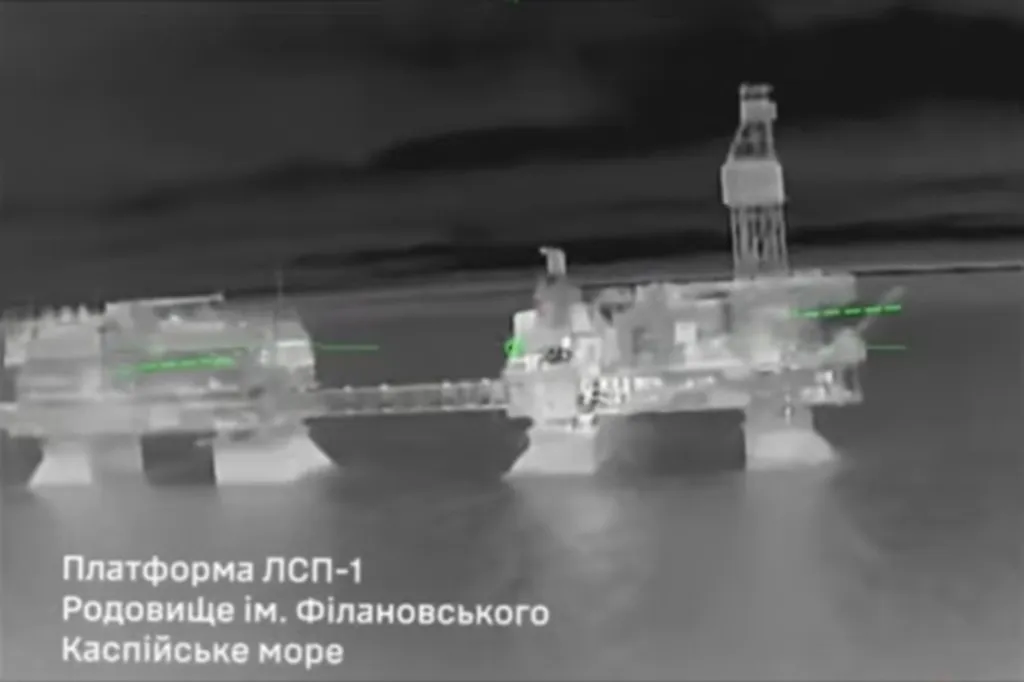
And Ukraine is now hunting the Russian “shadow fleet” involved in oil and weapons exports, after launching naval drone strikes on oil tankers in the Black Sea for the first time in late November 2025. In December, Ukraine rendered three tankers inoperable in just two weeks according to the country’s security services. Kyiv also targeted offshore infrastructure such as Russian oil and gas fields in the Caspian Sea and port infrastructure.
The US has recently been seizing oil tankers linked to Russia as part of its pressure on Venezuela, which, combined with Ukrainian strikes, is chipping away at Russia’s efforts to transport oil.
There is speculation that Ukraine was involved in sinking the Rona, an Iranian-flagged freighter that Western officials have said transported billions of dollars of weaponry to Russia in the last few years, in the Caspian Sea. While Ukraine’s involvement in the sinking remains unconfirmed, they have taken responsibility for striking at least one vessel transporting Iranian long-range Shahed drones to Russia through the Caspian Sea in August 2025.
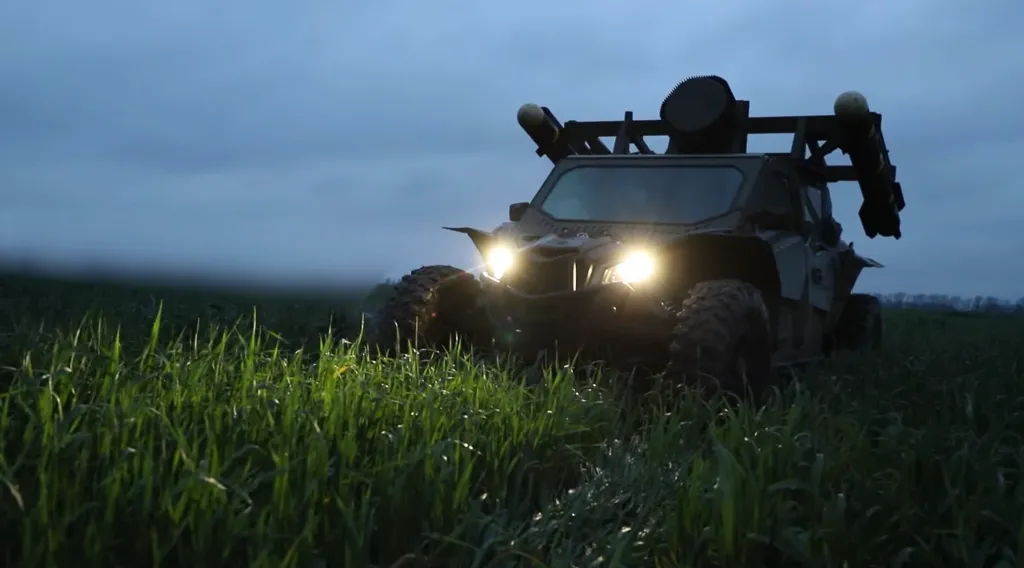
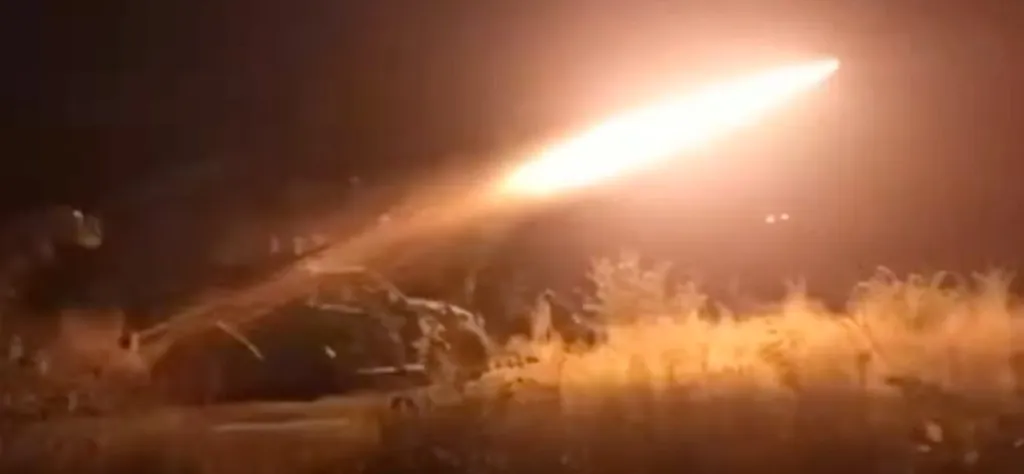
All the while, Ukraine is urgently searching for air defenses for its critical and energy infrastructure. Ukrainian forces have already downed 21 Russian Shahed drones using new US-provided Tempest mobile air defense vehicles. Ukraine has also developed an electronic warfare system to jam Russian Kinzhal ballistic missiles before they hit their targets and recently launched serial production of new Shahed interceptors.
Without a doubt, Ukraine faces serious challenges. Its mobilization and manpower problems are real. Russian strikes have devastated its energy grid. It faces shortages of all kinds of weapons and ammunition.
But Russian victory is not imminent and is absolutely not guaranteed despite Putin’s lies.
Putin believes he can manipulate and stall negotiations while still getting what he wants: continuing his war as he undermines US pressure and sanctions as well as Western military assistance to Ukraine. He remains convinced he can outlast Western support and force Ukraine and the West to capitulate to his stubborn war demands.
Ukraine and the West can only convince Putin otherwise by imposing hard decisions and costs on him.
His society and war machine are already under strain. Helping Ukraine succeed on the battlefield and in the skies, together with increasing economic pressure on Russia, can help turn the tide of the war by slowing gains and bolstering Ukraine’s military capabilities — all of which can force Putin to rethink his commitment to the bloody fantasy of conquering Ukraine.
The post Nearly four years into war, Russia has gained little — and Ukraine keeps bouncing back, despite somme 2 million draft dodgers appeared first on New York Post.