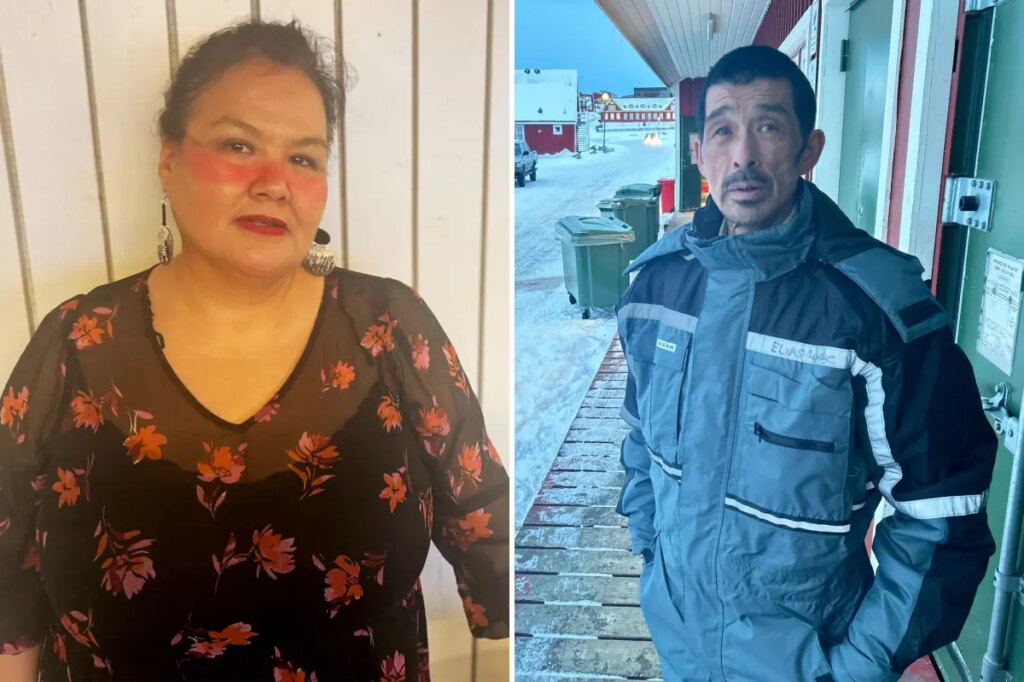
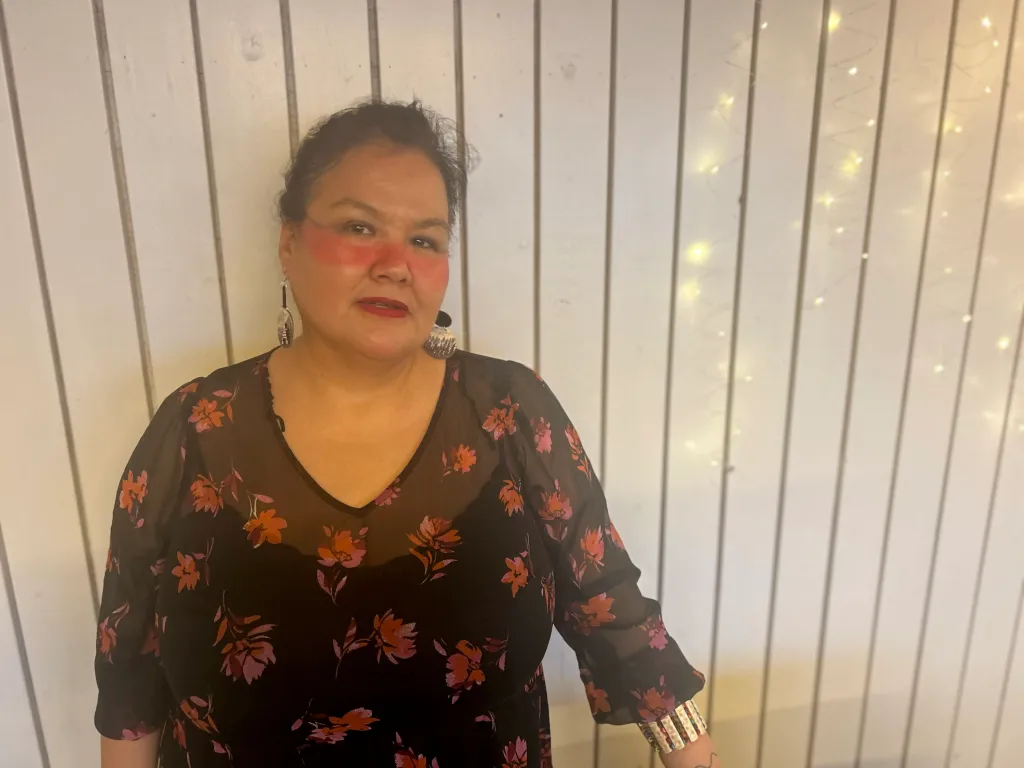
NUUK, Greenland — Native Greenlander Amarok Peterson was 27 years old when she learned the gut-wrenching truth about why she couldn’t have children — and that Denmark was to blame.
At 13, she became one of hundreds of Greenlandic girls subjected to forced sterilization by Danish doctors who implanted an IUD in her womb without her knowledge.
“The Danes don’t see us as humans,” Petersen told The Post in a local Inuit restaurant overlooking Nuuk’s famous fjords. “They think we’re too expensive, too small a population. But they take our land, our children, our lives and expect thanks.”
While the government of Denmark officially apologized last year for decades of forced contraception of Indigenous women and girls, the horrific mistreatment has cast a long shadow on the island that has become the center of an international ownership fight.
This week, the Danes hosted European troops for military exercises on Greenland, asserting they are protecting the island from outside powers — particularly the United States. But for many Inuit, Denmark itself has long been the real threat.
“I will never have children,” Petersen said, with tears of anger and sorrow welling in her eyes. “That choice was taken from me.”
Even in adulthood, medical decisions were made without her consent. Plagued with problems after the IUD, she had repeated surgeries for unexplained pain. It wasn’t until years later that doctors informed her that her fallopian tubes had been removed in one of the operations in the early 2000s.
Her family also suffered under Denmark’s so-called “Little Danes experiment,” in which Greenlandic children were forcibly sent to Denmark for adoption or institutional care — often permanently separated from their families, she said.
The program, which ran from the 1950s through the 1970s, was part of Denmark’s broader effort to assimilate Greenlandic children, often without parental consent.
It happened to her mother’s brother, Petersen said. Other relatives were subjected to medical experimentation, she added.
“They wanted us smaller,” she said. “Easier to manage.”
Denmark recently announced compensation for victims of forced sterilization, but Petersen called the payments another insult. Announced in December, the women are being offered about $46,000 in reparations.
“They think we are worth pennies,” she said. “They destroyed generations, and now they say, ‘Here — be quiet.’”
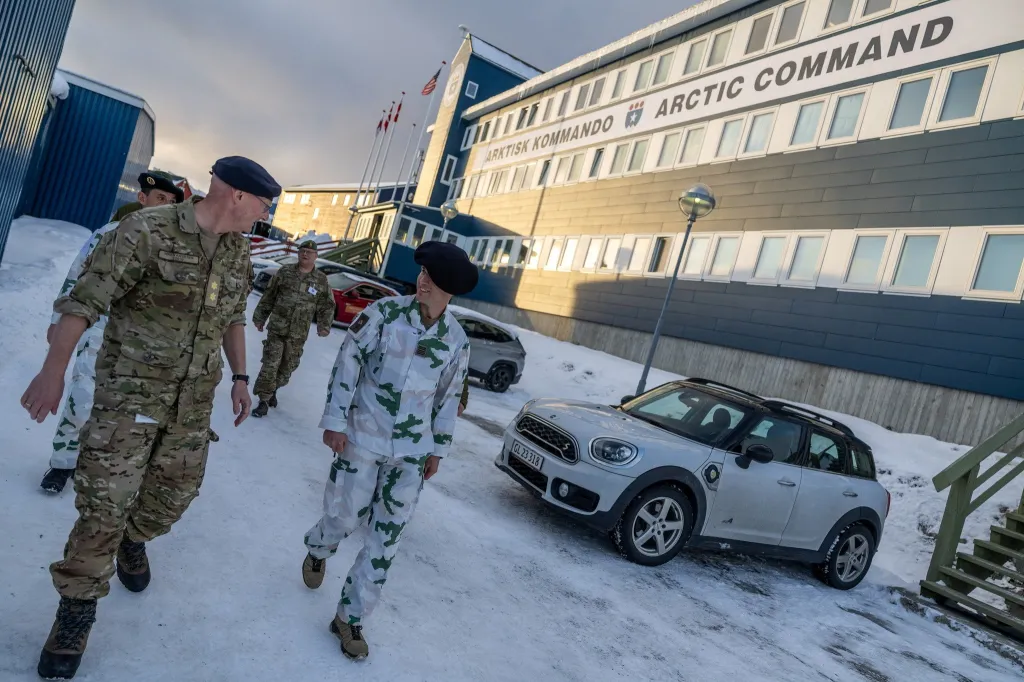
‘Greenland is for Greenlanders’ — but controlled by Denmark
As the United States renews interest in Greenland— with President Trump recently expressing a desire to buy the island — Danish officials have repeatedly emphasized that “Greenland is not for sale.” But many Greenlanders argue that slogan masks a deeper truth: Denmark still governs Greenland, not Greenlanders themselves.
Greenlanders interviewed by The Post said they are not ready to swap Denmark for US ownership, as Trump has prioritized; they want independence after years of what some described as generations of trauma, displacement and economic exploitation that still shape daily life across the island.
“People say ‘Greenland is for Greenlanders,’” Petersen said. “But that’s not reality. Denmark speaks for us. Denmark decides. They don’t let us speak.”
That imbalance was visible recently in Washington, where the Danish foreign minister dominated nearly the entire press conference following talks with US officials, while the Greenlandic foreign minister was largely sidelined.
Foreign Minister Lars Rasmussen of Denmark insisted the roughly 56,000 Greenlanders wouldn’t be bought off by payments from the US or vote in a referendum to become American.
“There’s no way that US will pay for a Scandinavian welfare system in Greenland,” he told Fox News.
For many Greenlanders, US interest has been uncomfortable — but also clarifying. Not because they want annexation, but because it exposes how little autonomy Greenland actually has.
“It was colonial,” Petersen said of Rasmussen’s assertions. “You could see it in his body language. He didn’t want her to speak.
“If Denmark really believed Greenland belongs to Greenlanders,” Petersen said, “they would let us decide our own future.”
That lack of control extends into everyday economic life.
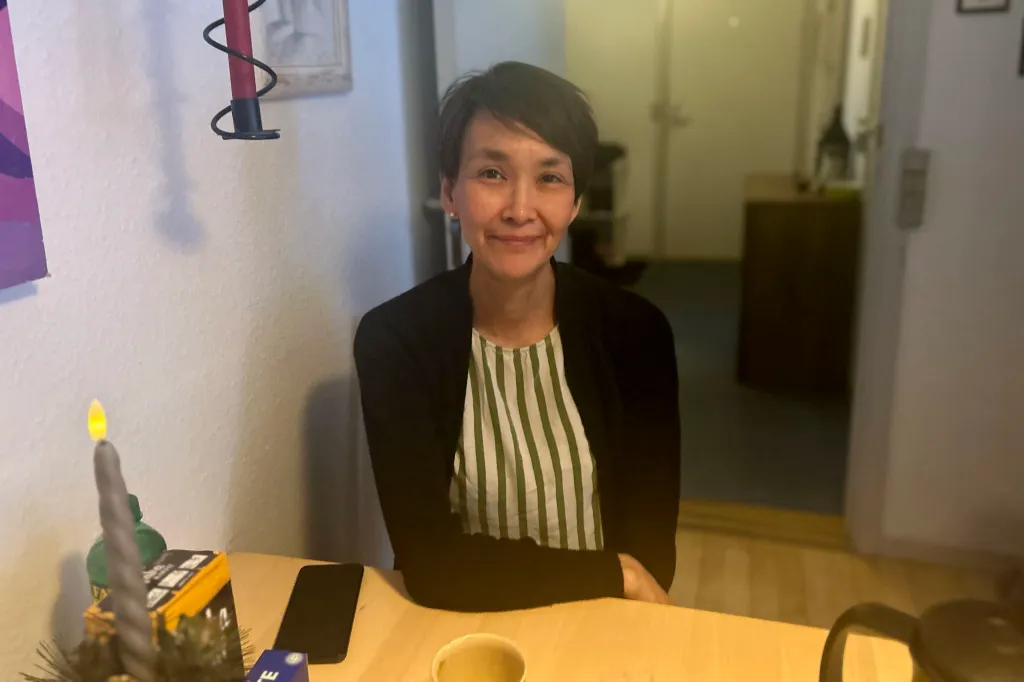
Karen Hammeken Jensen, a Nuussuaq resident who moved from South Greenland seeking better opportunities for her children, said basic living conditions remain poor.
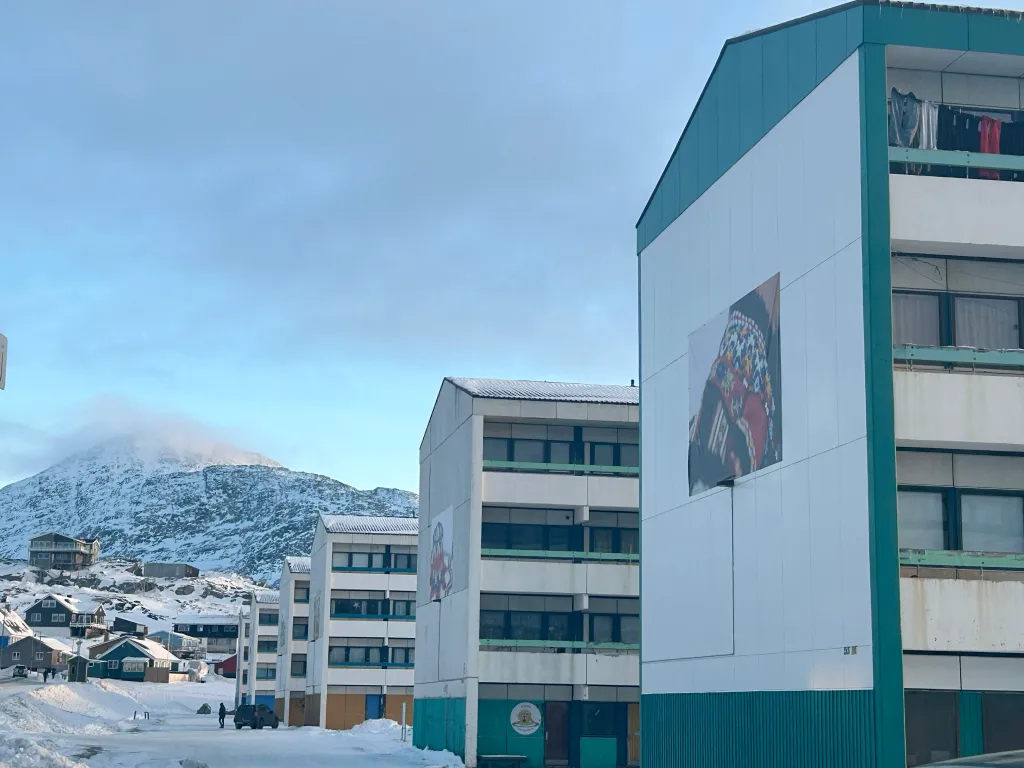
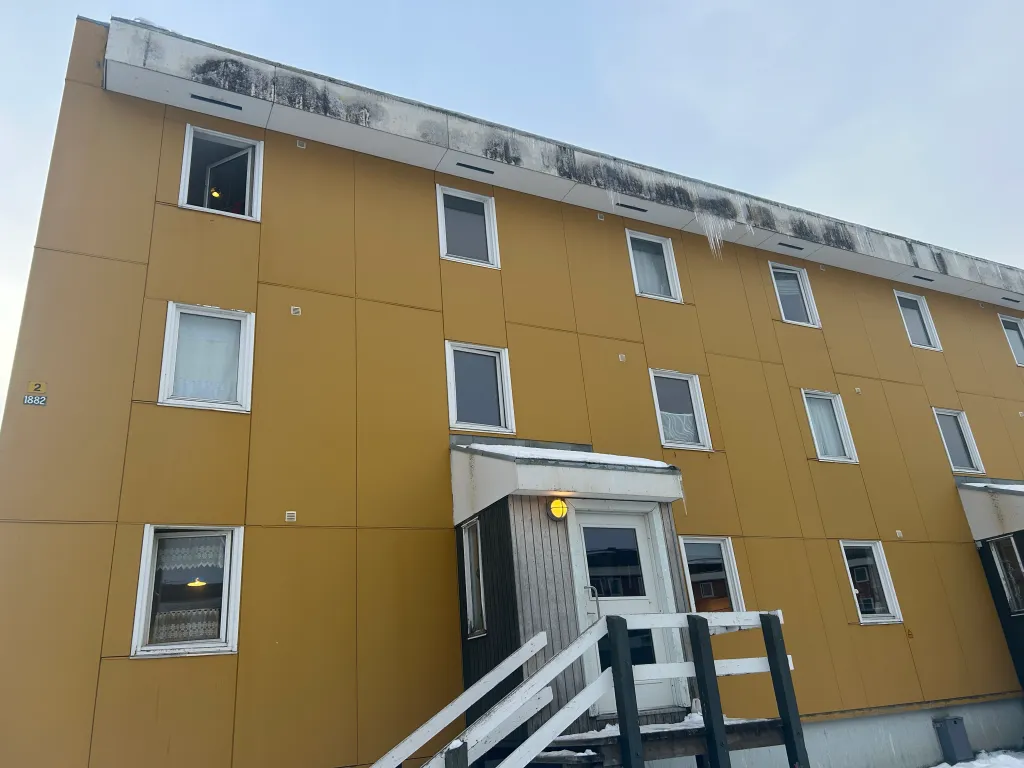
She lives in a government-owned apartment block built decades ago — cramped, aging and plagued by black mold — while the rent alone consumes most of her household’s income.
“These buildings were never modernized,” Jensen said, speaking to The Post from her living room, cold from poor insulation. “They were built for Inuit, and then forgotten.”
Although Denmark often points to subsidies as proof of generosity, Jensen said the system keeps Greenlanders trapped — with high costs, low wages and little chance to build wealth.
“It’s about affordability,” she said. “Pay versus cost. There is no balance.”
Fishing price hikes
The imbalance is especially stark in fishing — Greenland’s most important industry.
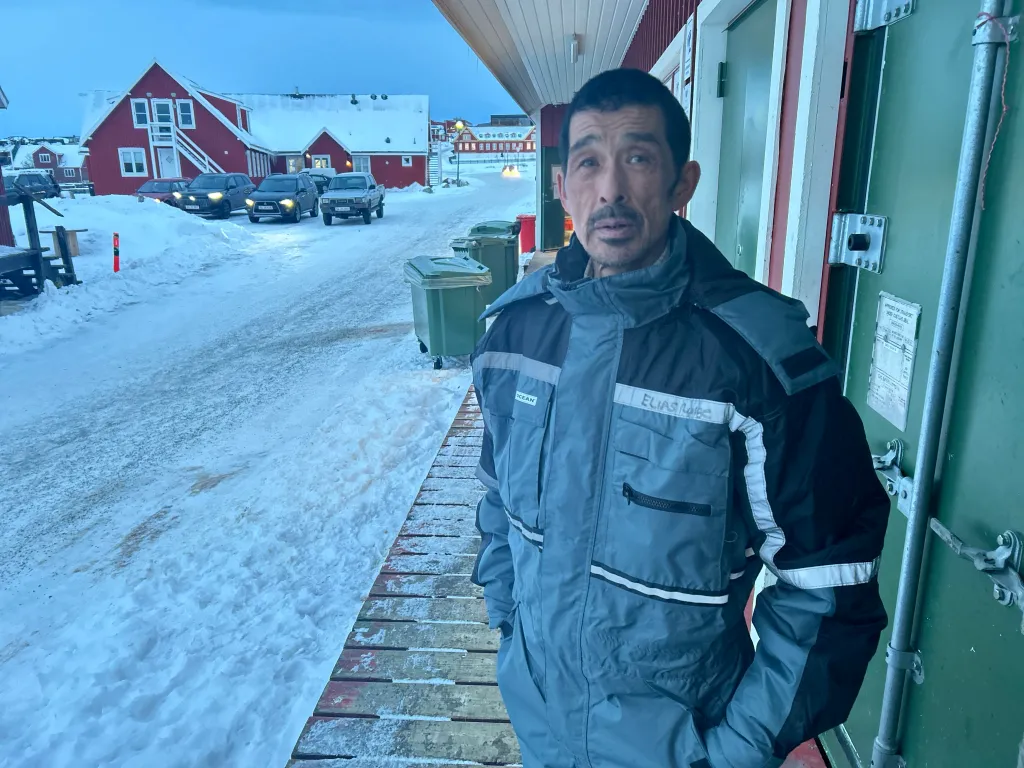
Elias Lunge, a fisherman who has worked the waters for 40 years, said Greenlanders do the labor while Denmark and large corporations capture the value.
“We fish the cod,” Lunge said. “Then it’s frozen whole, shipped out, processed elsewhere and sold for much more.”
In some settlements, fishermen are paid as little as $1.86 per kilo for cod. In Nuuk, the same fish can fetch $2.95. Once processed and sold abroad, the price climbs far higher.
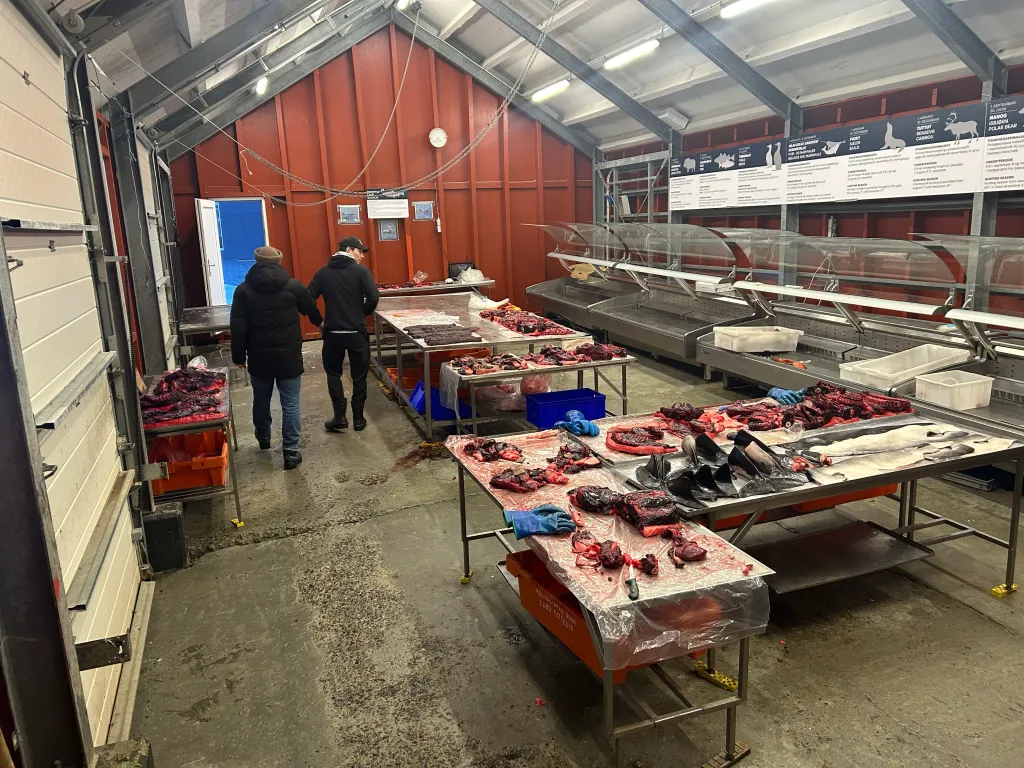
“It’s our fish,” Lunge said, gesturing to freshly caught and filleted Greenlandic redfish, dolphin and seals. “Why shouldn’t the money stay here?”
Local fish markets that sell directly to consumers can charge up to $12.50 per kilo — proof, Lunge said, that Greenland could support its own processing industry if companies would build processing facilities on its shores.
“This shouldn’t even be a debate,” he said.
The human cost of colonial rule
Behind the anecdotes and statistics are lives marked by trauma, addiction and despair — conditions many Greenlanders link directly to colonial policies.
Jensen described seeing alcoholism, drug abuse and violence daily in her Nuuk neighborhood — symptoms of what she called “generations” of broken systems.
“People don’t see a way out,” she said. “And when no one listens, nothing changes.”
Petersen agreed, explaining that many Greenlanders simply lose hope. The island has one of the highest suicide rates in the world, according to researchers, with an estimated 81 per 100,000 people annually killing themselves.
“They took our resources. They took our bodies. And then they told us to thank them,” she said of Danes. “How do you thank someone who stole your future?”
Petersen doesn’t want to stay quiet as her critics argue the Danes “protect” Greenland from Trump.
Speaking out against the atrocities isn’t anti-Danish but simply what is needed to heal, make change and get independence, she said.
“We never colonized anyone,” she said. “We never stole children. We never sterilized another people. But they did that to us.”
While Greenlanders are divided on the timing and logistics of independence, many agree on one thing: the current system is unsustainable.
Petersen does not see Trump as a savior — but she does see his interest as an opportunity.
“At least he challenges Denmark’s control,” she said. “That conversation was never allowed before.”
For her, independence is not about choosing between Denmark and the US — it is about finally being treated as human beings with the right to decide.
“We are only 55,000 people,” Petersen said. “If someone truly cared, this would already be fixed.”
Instead, she said, Greenland remains spoken for — but rarely listened to.
“They talk about our land,” she said. “They just never talk to us.”
The post Greenlanders speak out against Danish rule: ‘They stole our future’ appeared first on New York Post.