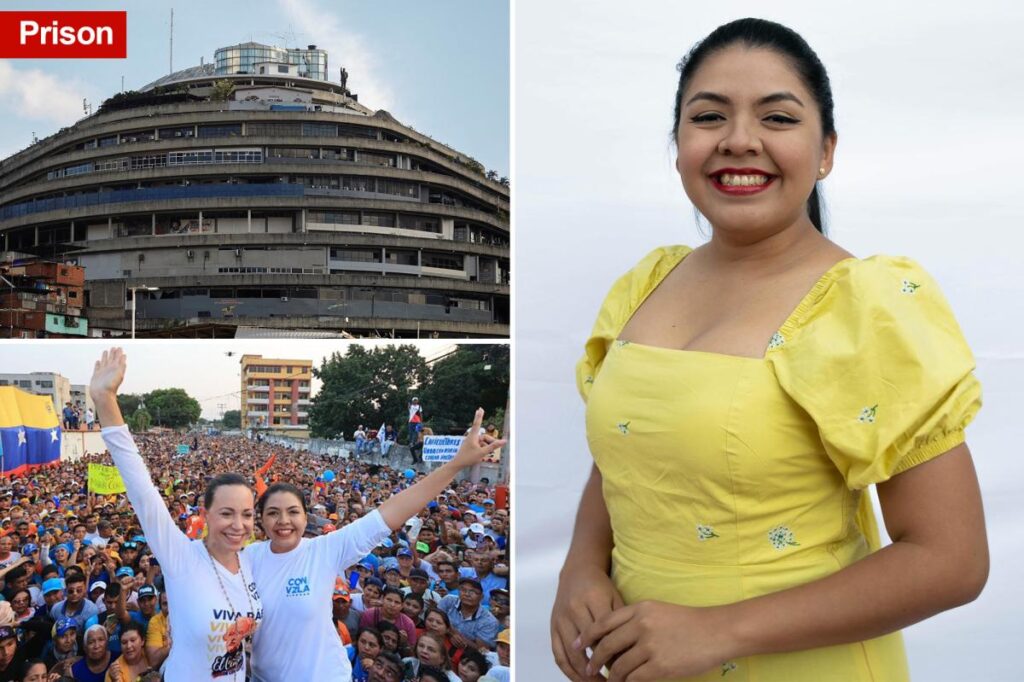
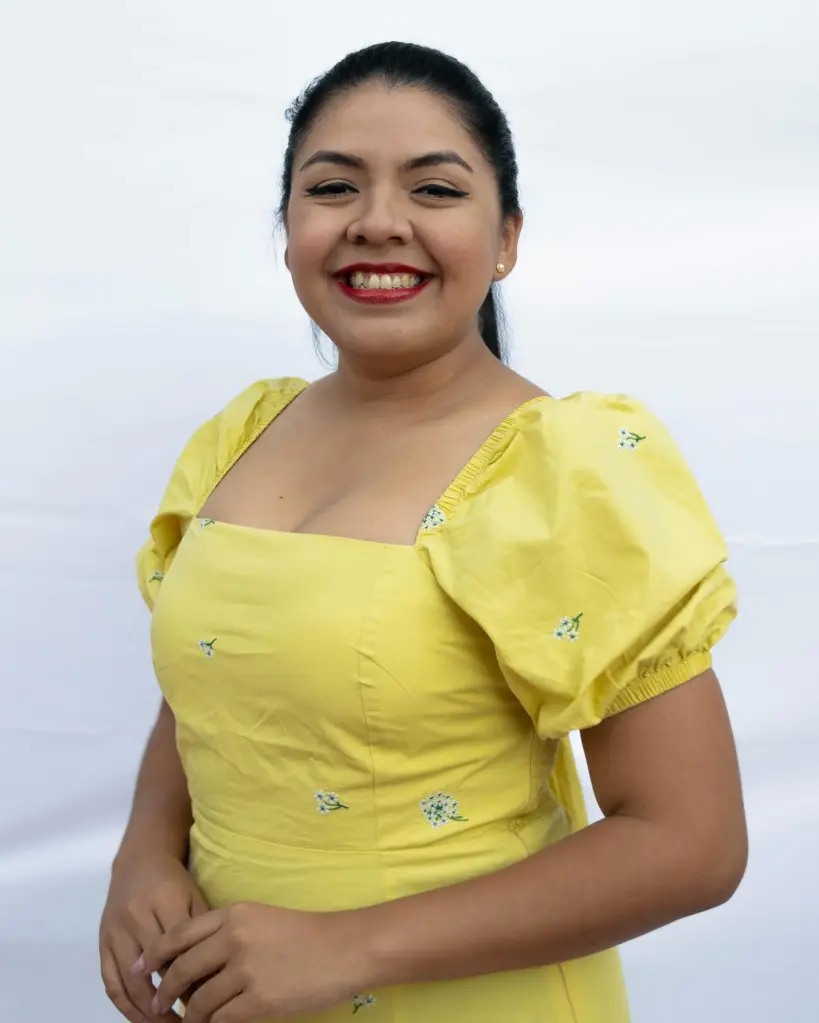
As Venezuelan agents smashed through Maria Oropeza’s door on Aug. 6, 2024, she calmly documented her final moments of freedom on an Instagram livestream.
“They’re arbitrarily entering my house. There is no search warrant. They’re destroying the door … I’m asking for help, from anyone who can,” the 30-year-old lawyer and activist told her social media following as since-arrested dictator Nicolas Maduro’s thugs closed in.
Oropeza is one of more than 800 political prisoners still behind bars in Venezuela — despite pledges from acting president Delcy Rodríguez and her brother Jorge, the head of the country’s national assembly, to free a “significant number” in an effort to “seek peace” after the US military operation that captured Maduro Jan. 3
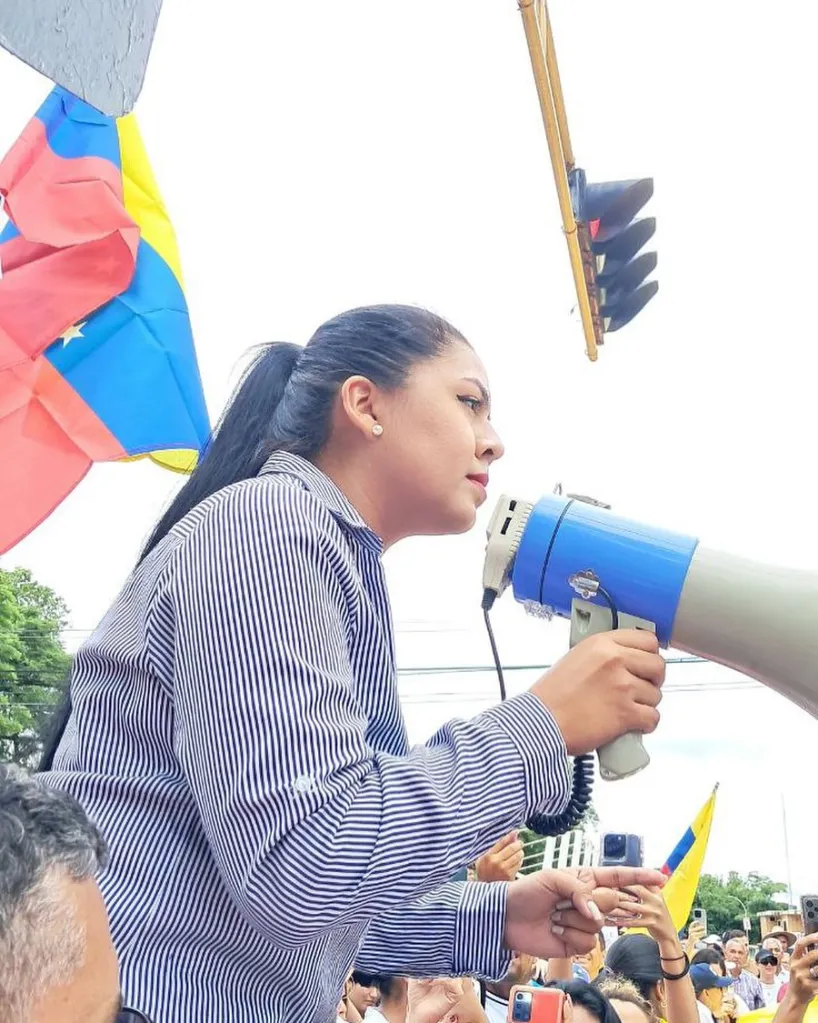
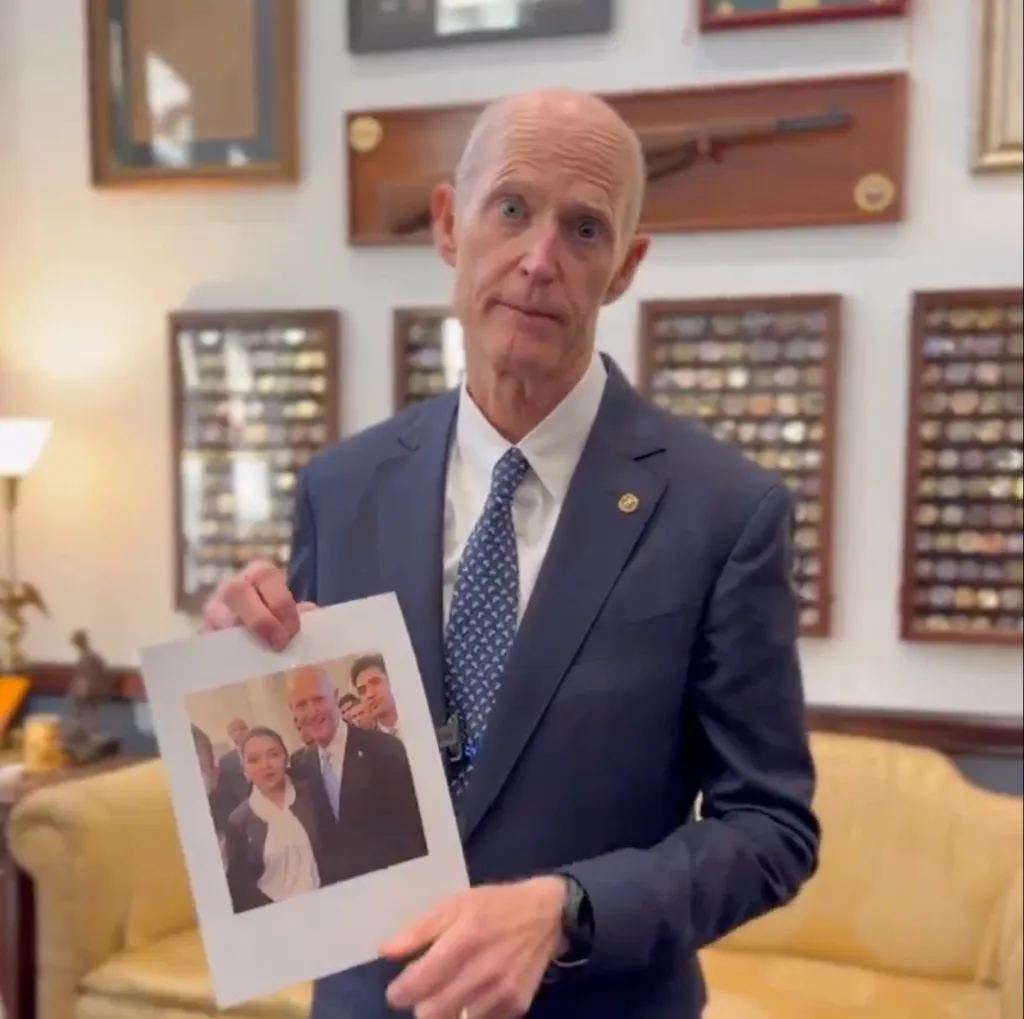
“All she did was work on a campaign to win an election … that’s all she did,” Sen. Rick Scott (R-Fla.) told The Post of Oropeza in a recent interview.
“As a result, they put her in prison, and I’m sure bad things have happened to her in prison.”
Scott, who met Oropeza in Washington years before her arrest, has been spotlighting Venezuela’s political prisoners on his social media accounts every day since Maduro’s ouster, in an effort to put faces and names to the headcount repeated in the media.
Delcy Rodríguez claimed Wednesday her government had already released 212 detainees and promised more would soon be freed.
However, Foro Penal, Venezuela’s leading prisoner rights organization, had only verified the release of 72 prisoners since last week.
“Nobody knows what’s going on. Nobody knows. As far as I know, it’s kind of random who is being released,” said Izabela Patriota, a member of the Ladies of Liberty Alliance, a libertarian nonprofit that has been closely tracking Oropeza’s ordeal.
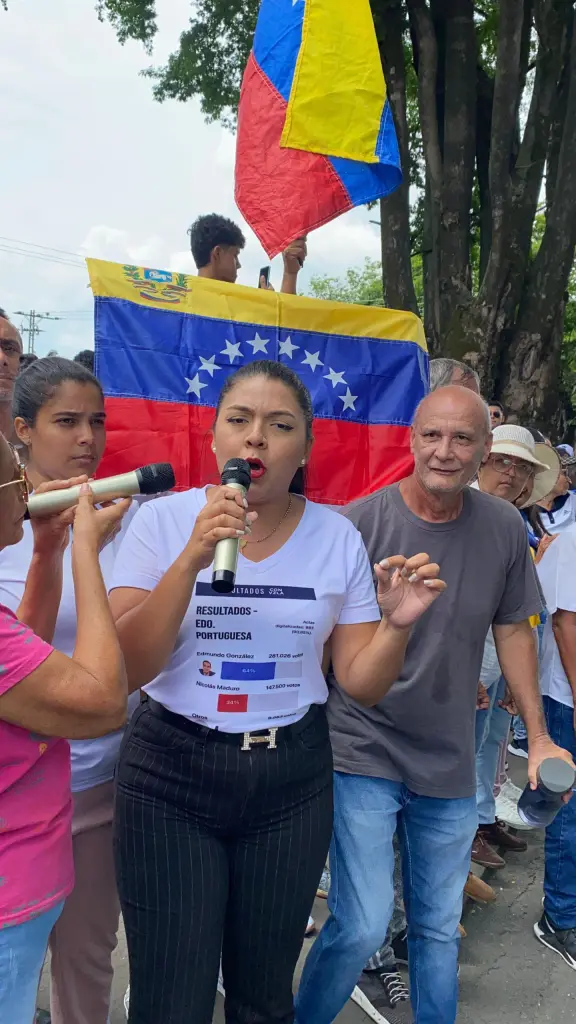
Patriota, who became friends with Oropeza after meeting her at a conference in Uruguay a few months before her arrest, explained that the jailed activist had been working with opposition leader Maria Corina Machado for at least a decade – and most recently worked on the presidential campaign of Edmundo González, serving as a coordinator for the opposition Vente Venezuela party in the western state of Portuguesa.
“After the election, she was one of the ones doing the tally sheets and spreading the word that the results were fraudulent,” Patriota said.
As Maduro critics began to expose that the socialist tyrant had cheated in the July 28, 2024, election, the Caracas regime implemented “Operation Knock Knock,” meant to detain anyone with links to protests or the opposition.
“A day before [Oropeza] was arrested, she posted a video denouncing the operation,” Patriota said.
Ana Rizo, a Venezuelan-Canadian lawyer and friend of Oropeza’s, said she was well aware she was in Maduro’s crosshairs.
“She was in hiding. She was staying in different locations,” Rizo explained. “And then all of sudden, the intelligence services from Venezuela came and they took her away – and she filmed all of it.”
Rizo watched the stream in horror as agents pounded on the metal gate separating them from Oropeza until the lock gave way. The feed cut out seconds later.
“It was horrible. I couldn’t believe what I saw,” Rizo said.
“It was a moment of frustration. It was a moment where you see someone that you value and you appreciate being taken and you cannot do anything to help them. It was a moment of despair.”
For the first two months after her arrest, Oropeza’s family was provided no information about her whereabouts aside from a short propaganda video the Venezuelan counterintelligence directorate posted on social media showing the young activist with her hands zip-tied.
Oropeza’s mother was later told her daughter was being held at El Helicoide, an infamous prison that President Trump appeared to be referring to when he described “a torture chamber in the middle of Caracas” that was “closing up” days after the Jan. 3 raid to capture Maduro.
The Venezuelan government has not issued a formal order indicating that the spiral-shaped prison, originally constructed as a shopping mall, is being shuttered.
Scott said he was not happy that the current Venezuela regime appeared to be slow-walking the release of political prisoners, and predicted that Trump wouldn’t tolerate it for much longer.
“I want all of them released, period. Every political person needs to be released immediately,” Scott said.
“I know Trump and [Secretary of State Marco] Rubio want this to happen, too.”
Scott added that he believes the Trump administration will “hold back all the money” if the pace of political prisoner releases doesn’t pick up.
“They’re not gonna have any money. Delcy Rodriguez will have, actually, no money if they don’t do this,” he declared. “They will not be able to run their government.”
The senator noted that he has recently spoken to Machado, who is scheduled to have lunch with Trump at the White House on Thursday, and knows “the first thing she’s going to do, besides thank him, is to talk about the political prisoners.”
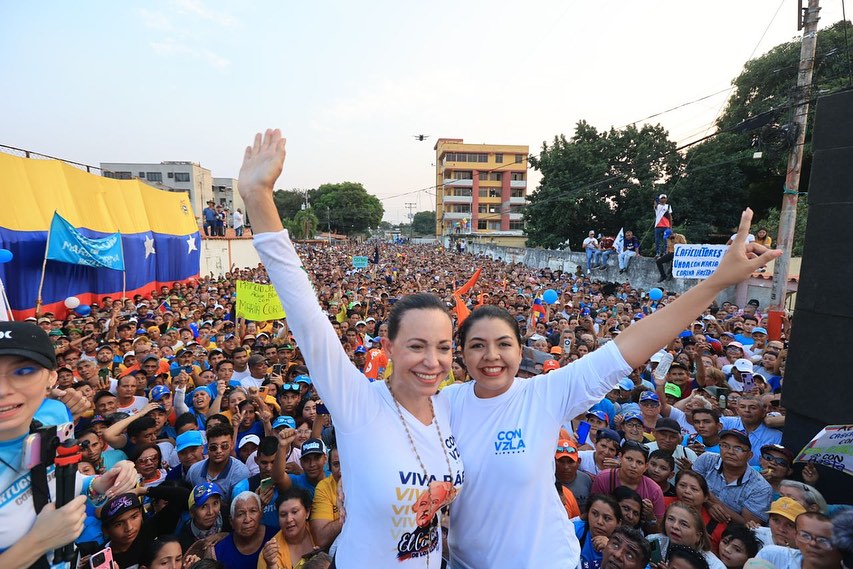
“If you look at the people who worked to make sure that they were able to prove that Edmundo González won the election, they put their lives on the line, including Oropeza,” Scott said. “I’ll always admire people that are doing that.”
“I’m not gonna let up on this.”
Scott’s pledge reflects the same resolve Oropeza had fighting for a free Venezuela.
“I asked her once, ‘Why don’t you just move to the US and forget about it, and, like, start a life there?’” Patriota said.
“And she said, ‘If everybody leaves, nobody’s going to stay to fight for Venezuela.’ That was her answer.”
The post Pressure mounts on Venezuela to free Maria Oropeza – prisoner who livestreamed arrest by Maduro thugs: ‘Bad things have happened to her’ appeared first on New York Post.