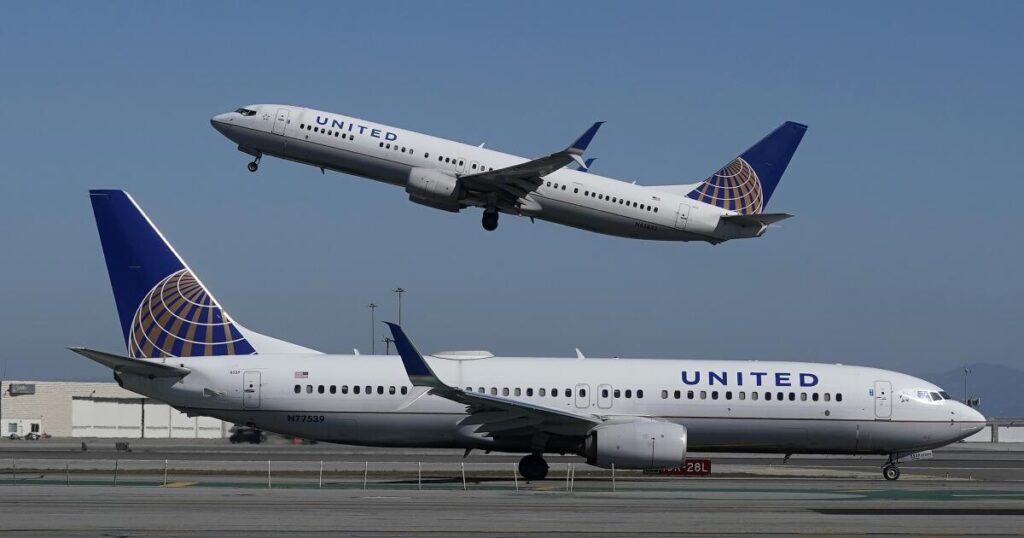
The growing use of weight-loss products may end up saving the biggest U.S. airlines as much as $580 million in fuel costs this year as passengers shed pounds and make planes lighter, according to a Jefferies analysis.
With airlines historically going to extreme lengths to save weight — taking an olive out of a salad, removing in-flight magazines or pivoting to super slimline seats — the increased popularity of drugs such as Ozempic and Wegovy could trigger savings without compromises on service or quality.
The top four U.S. carriers, including United Airlines Holdings Inc. and Delta Air Lines Inc., are expected to spend $38.6 billion combined on jet fuel this year. Slimmer flyers could cut one of the industry’s biggest expenses by as much as $580 million, analysts, including Sheila Kahyaoglu, said in a report.
“With the drug now available in pill form and obesity rates falling, broader usage could have further implications for waistlines,” according to the analysis.
A 10% weight loss by passengers would save as much as 1.5% in fuel and boost earnings per share by 4%, the Jan. 12 note said. Analysts pointed to a three-year decline in the US adult obesity rate and a doubling in the number of adults reported to be taking weight-loss drugs.
Airlines around the world use average standard weight measurements issued by global aviation authorities to calculate the weight of passengers into determining how much fuel they use.
The analysts also said their savings estimates don’t include any lost snack sales.
Lee writes for Bloomberg.
The post Weight-loss drugs could save U.S. airlines more than $500 million this year appeared first on Los Angeles Times.