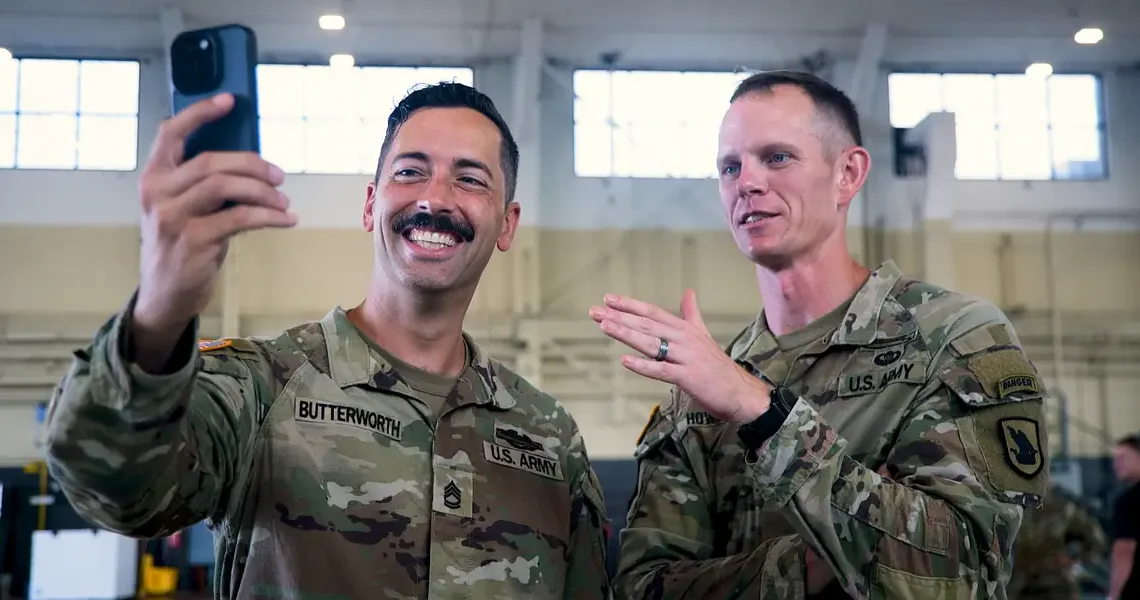
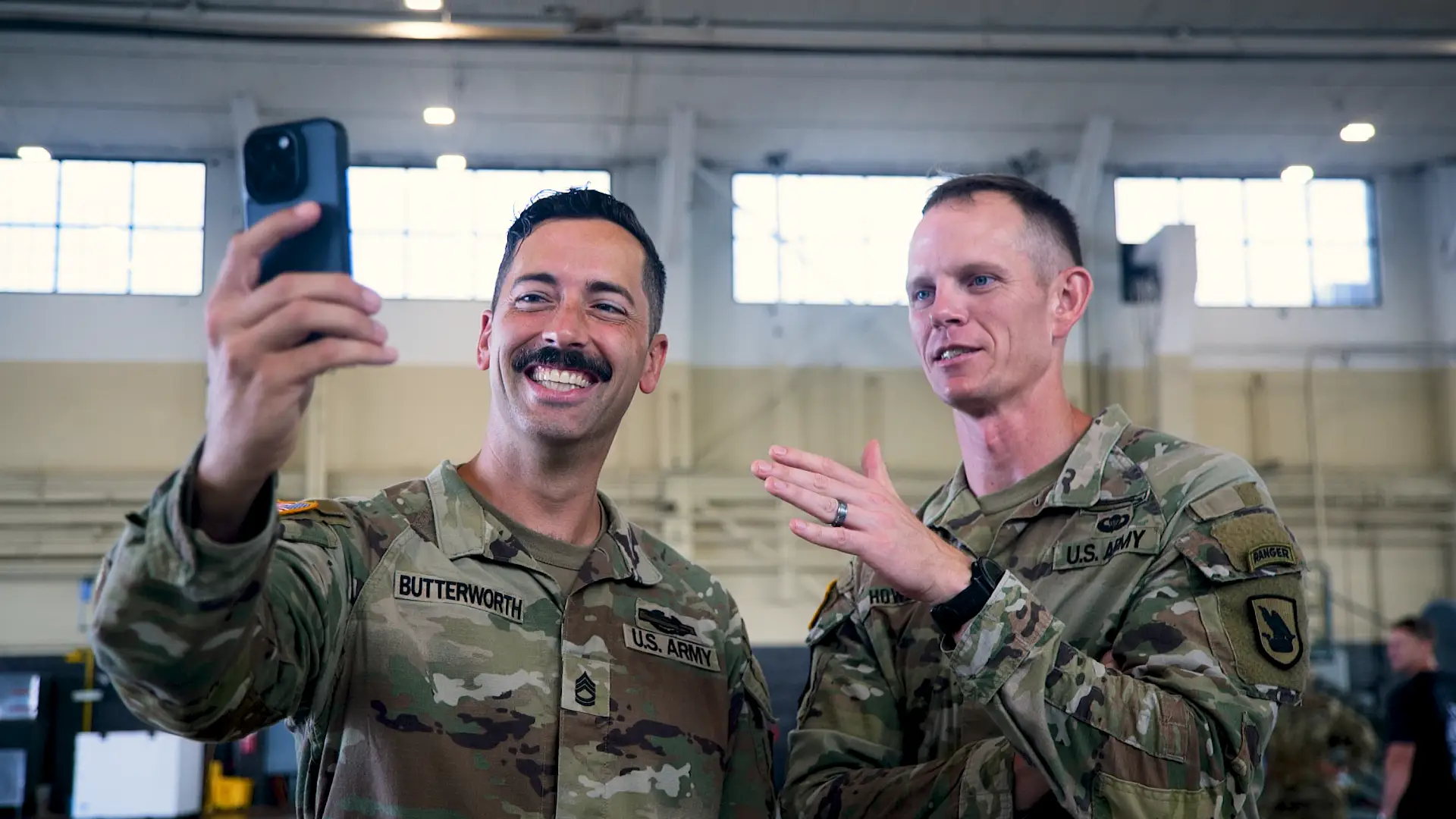
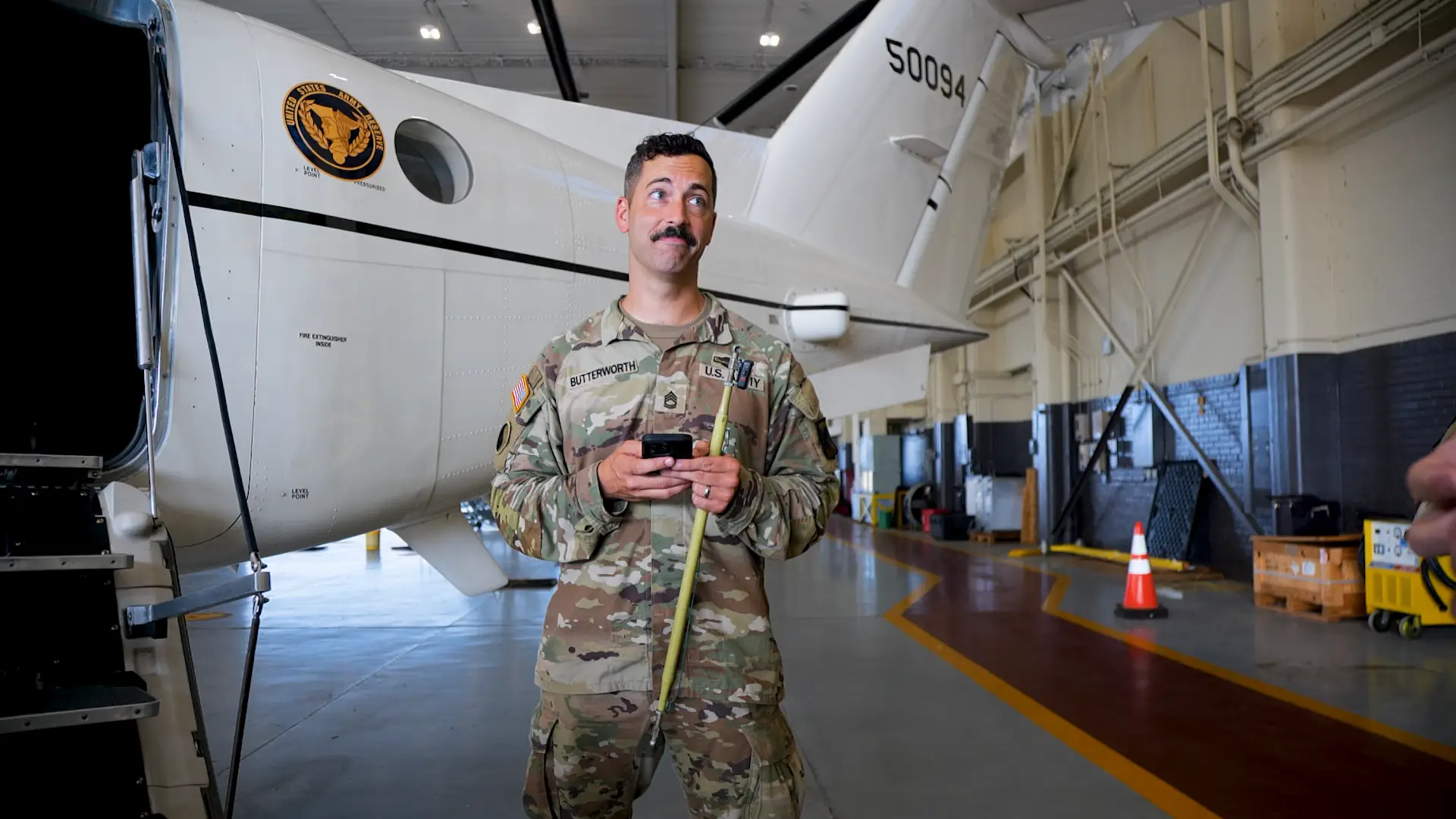
Tyler Butterworth’s only dedicated follower on social media used to be his mom. The Army National Guard sergeant first class said his entire social media footprint amounted to a Facebook account where he occasionally posted photos of his dog. His mom liked them. That was it.
About three years later, Butterworth has over 6 million combined followers across Instagram, TikTok, Facebook, and YouTube. “I used social media as a tool to assist me with recruiting,” he told Business Insider’s Jake Gabbard during a visit to Fort Knox in July, shown in the video below. “It worked very well at getting the information out there.”
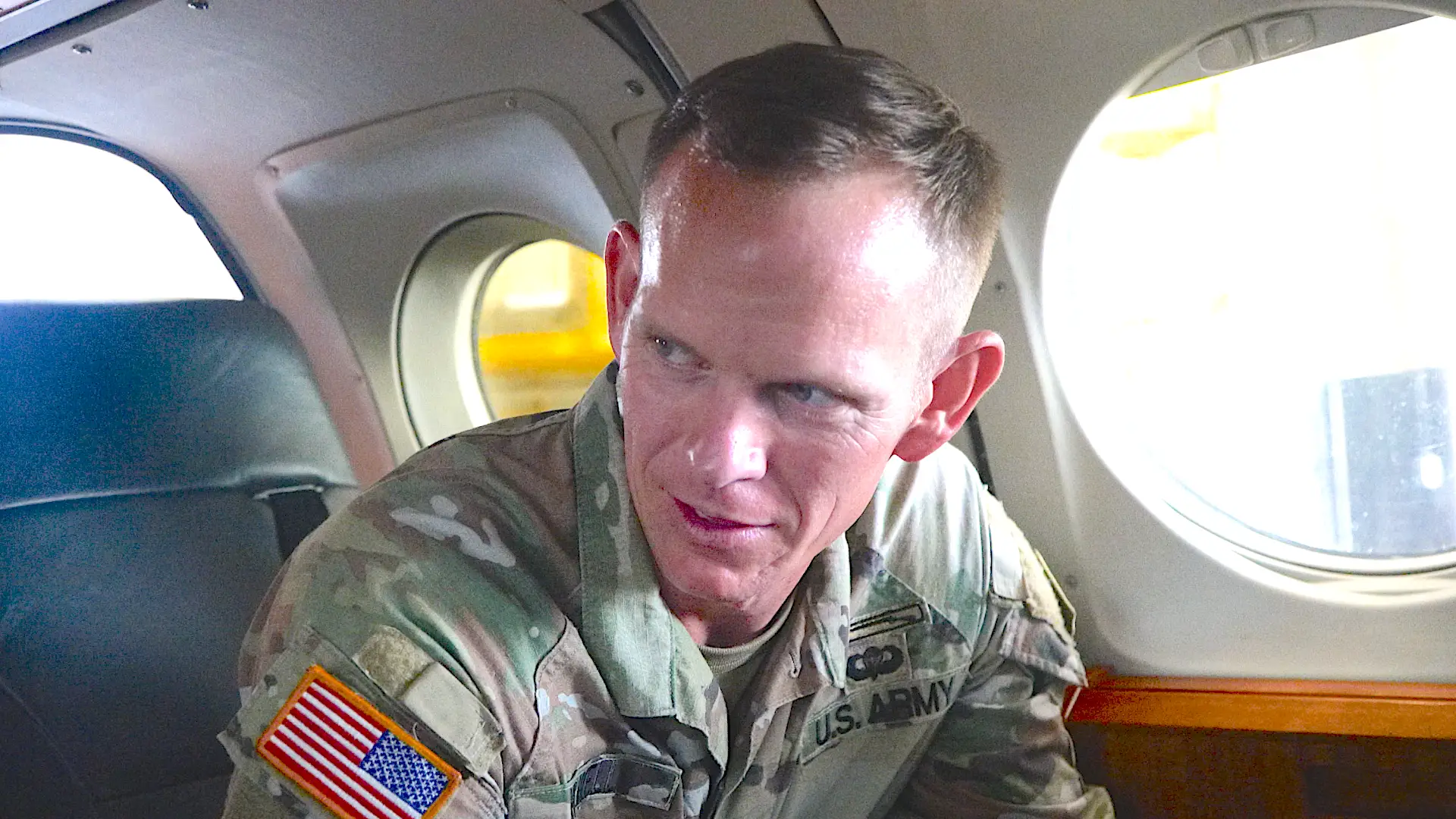
John Howell, a major in the Washington Army National Guard, tells a similar story. During his time at a command village in a rural part of Washington, he was tasked with growing the base from 50 soldiers to 132 soldiers, he said.
Like Butterworth, Howell took to social media for help. While his following is much smaller than Butterworth’s, Howell said the effort paid off. By the time he left the command village, he’d helped grow it to “triple digits,” he said.
Butterworth and Howell — who don’t officially work as recruiters for the Army but continue to post on their personal social media accounts to influence potential enlistees — are part of a growing trend. Recruiters across the military have said that traditional methods, such as phone calls and school visits, are increasingly ineffective, as fewer teenagers are eligible or interested in service, and as young people spend more of their time online, leaving recruiters searching for new ways to reach potential enlistees.
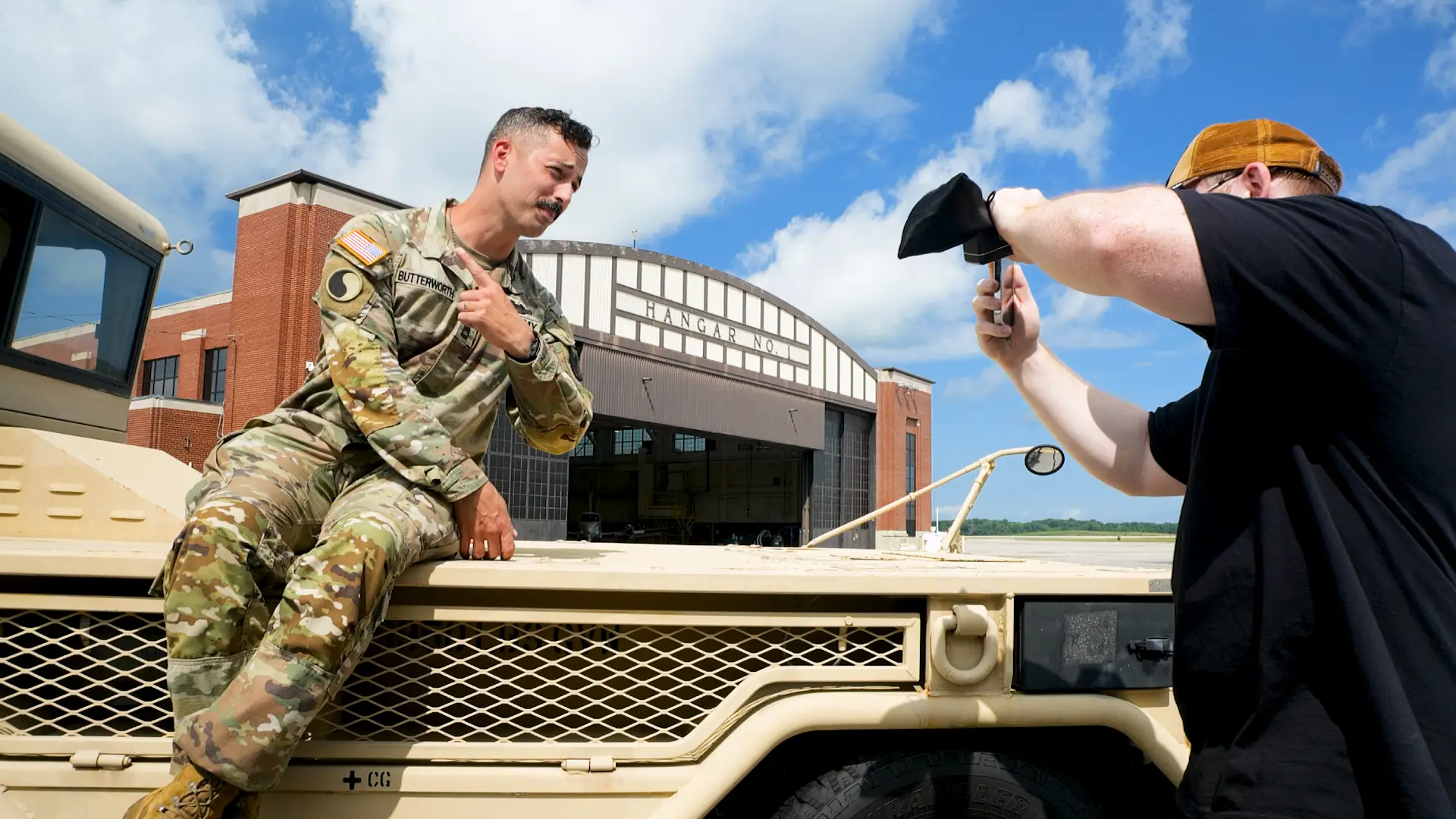
Despite the shift, certain branches, including the Army and Navy, exceeded recruiting goals in 2025. Military influencers like Butterworth and Howell are part of the new equation, and so are programs like the Army’s Future Soldier Preparatory Course, which helps interested applicants improve academically or physically to qualify for Basic Training.
Still, Business Insider’s Kelsey Baker has found that pressure to meet quotas led to burnout concerns for Army recruiters in the past. More recently, Baker reported that those strains, combined with a shrinking recruiting pool, have left many Marine Corps recruiters overworked and burned out.
Butterworth and Howell didn’t mention feeling overworked due to recruiting quotas. Growing followers on social media, though, didn’t come easy to either of them.
Adding humor helped them connect with online audiences
“My first content was not cool at all,” Howell said. It was a lot of workout videos that weren’t reaching anyone. Butterworth added that he didn’t see “instant success,” either, and tried many different approaches. What flipped the page for both of them was a shift away from the strong, tough, fearless tone typically associated with the military.
“I think it’s important to show that while we are lethal and we can maneuver and do all these things in the Army, we’re also regular people,” Butterworth said. “We like to laugh. We like to joke around.“
Butterworth found his groove after he started uploading humorous content to show the human, everyday side of Army life. “I want to show soldiers in a positive light and not necessarily super serious all the time,” he said.
After advice from Butterworth, Howell said he started making humorous videos, too, and saw a noticeable difference. “I really picked up after that, and it seemed to work better with the recruiting effort after we started using humor,” Howell said.
The military is still figuring out its best use scenario for social media
The military’s increased use of social media has raised legal and ethical questions, including how troops in uniform should operate online and where the line falls between personal content and official messaging.
Indeed, Butterworth was one of eight influencers the Army wanted to formalize a partnership with, but legal concerns, such as monetization, crushed the effort, Baker reported.
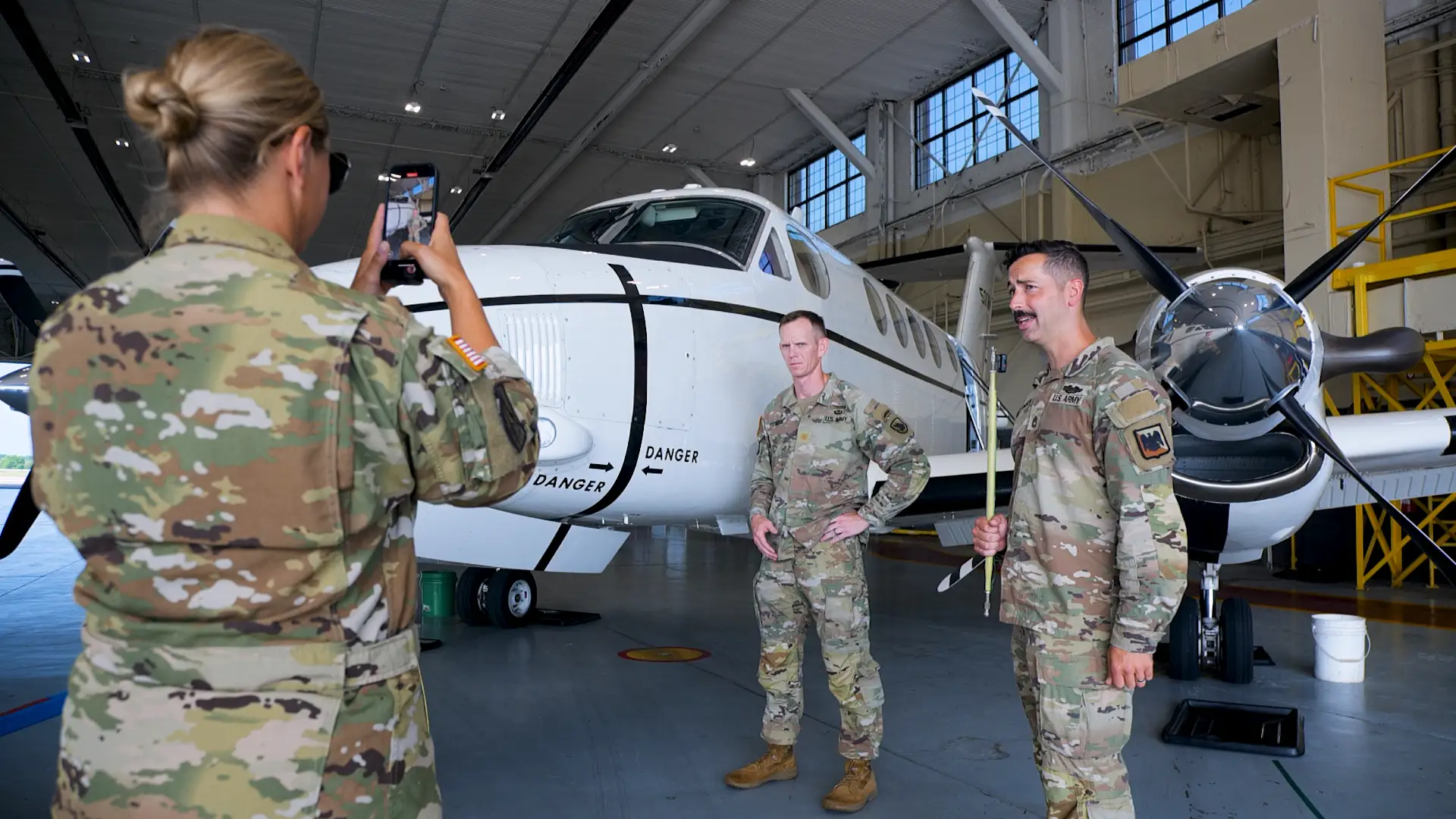
Both Butterworth and Howell said that their social media use stays within Army guidelines. Butterworth, for example, said he avoids direct calls to action on platforms like TikTok, and Howell said he adjusted how and when he posted — including limiting when he appeared in uniform — to comply with policy.
In addition to legal concerns, there’s a growing debate about whether military influencers create inequities within the force. Baker has found that while some troops see recruiting value in the influencers, others are frustrated by what they view as an imbalance between influencer activities and traditional military duties, and say opportunities to profit from social media, such as consulting gigs, overshadow their actual recruiting value.
Neither framed social media as a replacement for recruiting work, but rather as a way to meet people where they already were. Howell said recognition from social media often meant potential recruits already knew something about him before meeting in person, giving him what he called “a foot in the door.”
Butterworth added he doesn’t view what he does online as a job or a personal brand. “I’m not here for myself,” he said. “I’m here for the soldiers.”
Read the original article on Business Insider
The post 2 military influencers say they never planned to have an online following, but standard recruiting efforts weren’t working appeared first on Business Insider.