D.C.’s interim police chief responded over the weekend to a D.C. Council letter with broad assurances that D.C. police do not patrol the city with the goal of enforcing civil immigration laws. However, the response contained little of the detailed information lawmakers requested on how many times the department had shared information with immigration authorities.
The letter — and incomplete response — comes as the nation’s capital and cities across the country are grappling with how to position their police departments during the Trump administration’s crackdown on undocumented immigrants, during which many immigrants without criminal records have been arrested.
It also came days after a blistering report from a D.C. Council committee accused Mayor Muriel E. Bowser’s administration of obfuscating details about its collaboration with federal immigration agencies.
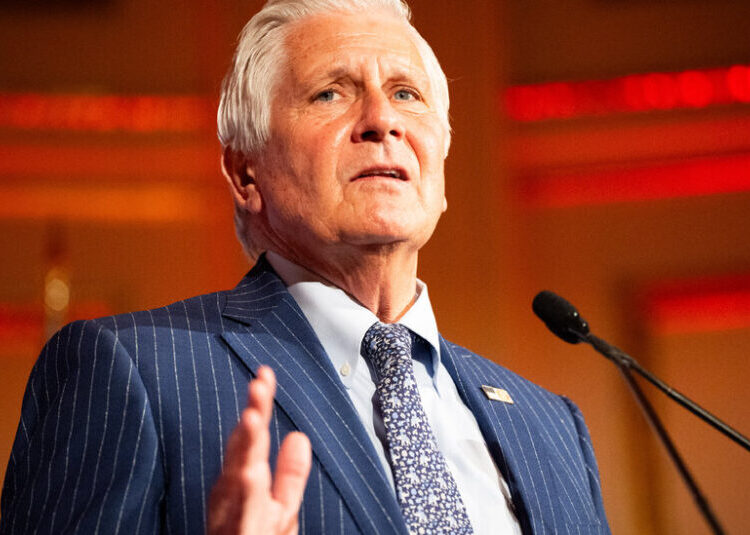
Jeffery Carroll, who began as interim police chief last week, reaffirmed in a letter to the council on Saturday that it is against department policy to enforce civil immigration laws without a criminal warrant or an order from a judge.
“Let me state unequivocally that I share the values of the District government, which welcomes people from around the country and the world to make this a vibrant and safe city,” Carroll wrote.
But Carroll did not answer the vast majority of nearly 30 specific questions the council asked about collaboration with federal law enforcement — including how many civil immigration arrests occurred during joint patrols D.C. police held with federal agents, and how many times police have shared information with or provided transportation to federal immigration authorities.
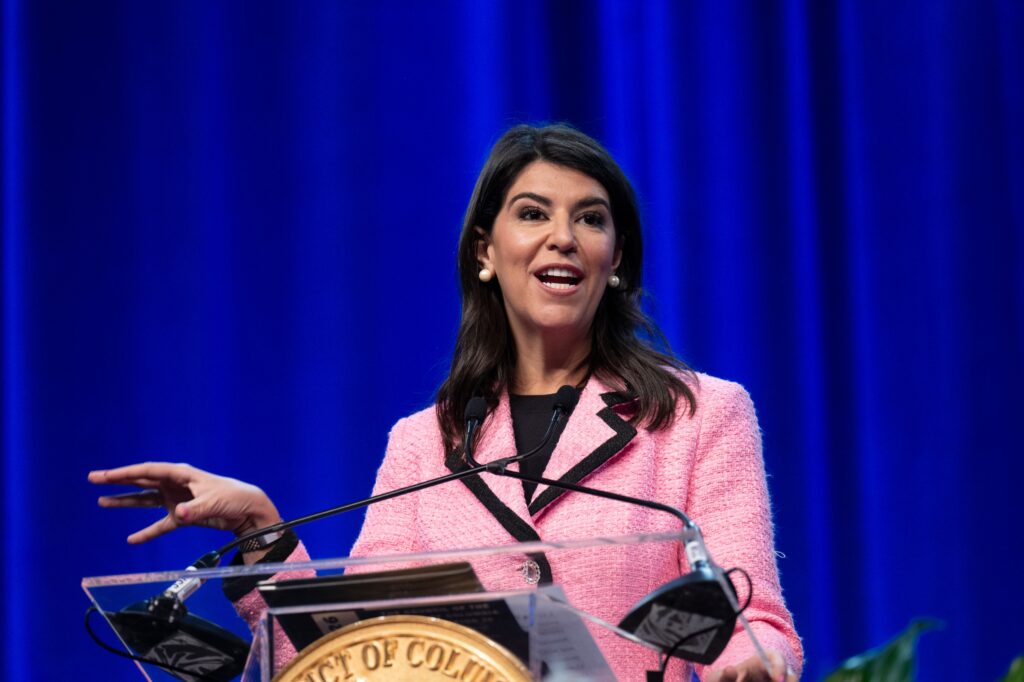
“The Council and the public need answers to these questions to better understand how the last several months have been handled with increased federal presence in our city,” D.C. Council member Brooke Pinto (D-Ward 2) wrote in a statement after receiving Carroll’s response. She was lead author of the letter the council sent police in mid-December, asking for answers by Jan. 9.
D.C. police spokesman Tom Lynch declined to comment on why the department did not answer most questions.
The council had also asked for additional details on two cases where agents with Homeland Security Investigations shot at drivers in D.C., and another incident where a D.C. police officer was seen on video handing a man over to an immigration agent; the man was later placed in Immigration and Customs Enforcement custody.
Carroll responded with few specifics, instead giving a high-level description of department principles and federal collaboration since August, when President Donald Trump declared a “crime emergency” in D.C. and seized control of the police department for 30 days.
During those 30 days, “Mayor Bowser provided the Home Rule Act-required MPD services requested by Attorney General Pam Bondi,” Carroll wrote. He did not specify which services, though Bowser’s deputy mayor for public safety and justice, Lindsey Appiah, has previously said Bondi requested — and received from D.C. police — assistance with the enforcement of federal immigration law and assistance with locating and detaining people in the country illegally.
Since the emergency’s expiration in September, Carroll said, the department has been operating under a policy that then-Police Chief Pamela A. Smith issued in August, which allows D.C. police to assist federal immigration authorities with transportation and give them information about people not in D.C. police custody, including those encountered at traffic stops. He added that — for a variety of reasons — D.C. police had done less proactive traffic enforcement in the past few months.
The department’s goal is not to enforce civil immigration laws, he said, but “federal agents can and do exercise their own enforcement authority.” Bowser (D) has repeatedly emphasized the city government has no power to prevent federal immigration enforcement.
Carroll, however, posited that the partnership between D.C. police and federal agencies since the end of Trump’s emergency order had encouraged federal agents to focus on violent crime — an approach that he said “has likely blunted some of the widespread focus on nonviolent offenders we saw in the District during the Emergency and continue to see in other cities.”
The council also asked detailed questions about how the police department classifies crime; Carroll also provided few specific answers.
The questions followed two critical reports — one prepared by the Justice Department and another prepared by House Oversight Committee Republicans — that alleged a toxic work environment created by Smith, the former chief, incentivized police officials to downplay the seriousness of crimes in their districts. A report by House Democrats, on the other hand, blasted the Republicans’ report as politically motivated.
Carroll said the report prepared by House Republicans “cherry-picked quotes from two individuals to give a biased impression.” Bowser requested last month that the D.C. Office of the Inspector General initiate an investigation to take an independent look at the matter, and a spokesperson for the OIG confirmed Monday that review has since been initiated.
In the meantime, Carroll said, the department is retraining officers on how to classify offenses and updating its data management systems to provide for better quality control, he said.
“I want to ensure that DC residents have access to greater information as well,” Carroll wrote. “But I ask that you give me time to work with our team to develop this plan further.”
The post Lawmaker questions about immigrant arrests go unanswered by D.C. police appeared first on Washington Post.