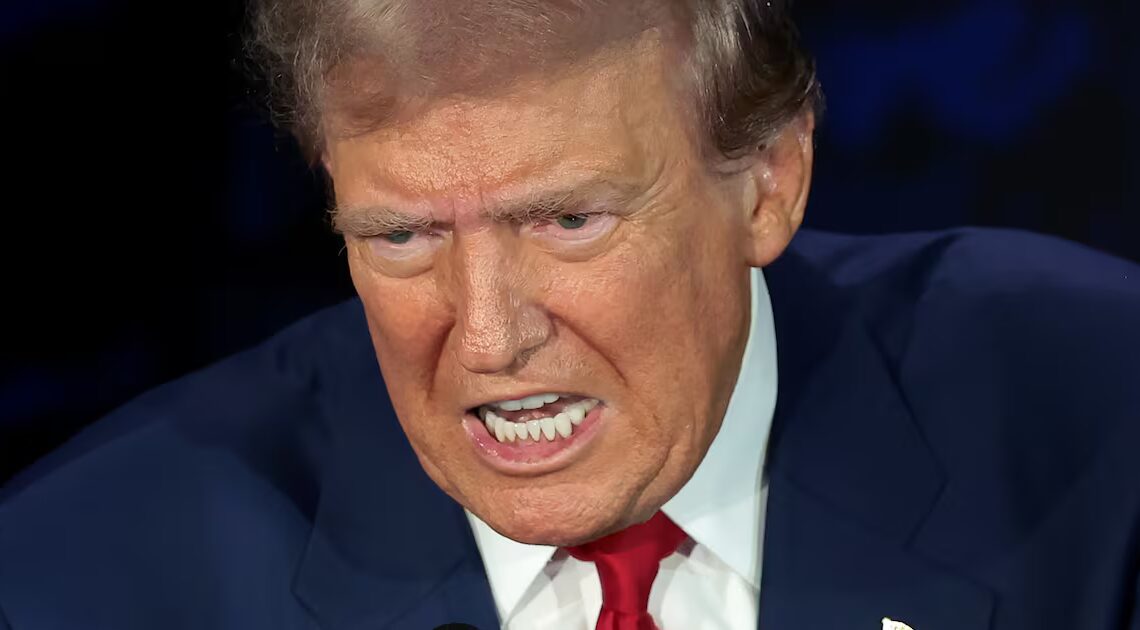
A record number of Americans now say they belong to neither major political party, a warning sign for President Donald Trump as he heads toward a difficult midterm election cycle.
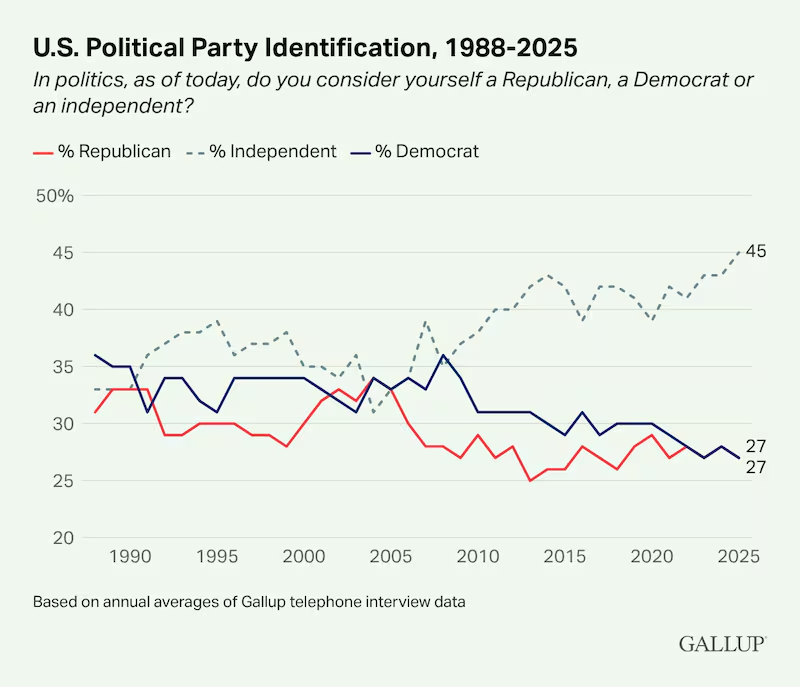
In surveys carried out throughout 2025, 45 percent of U.S. adults identified as political independents, according to Gallup, the highest level ever recorded. That figure surpasses the 43 percent measured in 2014, 2023, and 2024.
The surge in independent affiliation has taken on added significance since Trump’s return to the White House. Independents have consistently expressed lower approval of the president than Republicans and have shown limited patience for extended political conflict, a problem for an incumbent whose electoral success has relied heavily on energizing his core supporters.
With midterms often decided by voters who do not reliably align with either party, the shift places new pressure on a Republican Party defending slim congressional margins.
Trump has publicly voiced concern about the upcoming midterms. Speaking to House Republicans last week, he warned that he’d “get impeached” if the GOP loses control of the chamber. He pointed to the historical tendency of the president’s party to lose ground in midterm elections and said promoting his administration’s policies would serve as a “road map to victory.”
Gallup’s 2025 findings are based on interviews with more than 13,000 adults conducted throughout the year. Respondents were asked whether they identify politically as a Republican, a Democrat, or an independent.
Much of the increase in independent affiliation is being driven by younger Americans. Majorities of Generation Z adults and millennials identified as independents in 2025, along with more than four in 10 members of Generation X. By contrast, one-third or fewer of baby boomers and members of the Silent Generation identified as politically independent.
Younger adults are also more likely to identify as independents than young adults in earlier eras. Fifty-six percent of Generation Z adults now identify as independents, compared with 47 percent of millennials in 2012 and 40 percent of Generation X adults in 1992.
Crucially for Trump, independents are not evenly split. Of the 45 percent who identify as independents, 20 percent lean toward the Democratic Party, 15 percent lean Republican, and 10 percent do not lean either way. That marks a shift from 2024, with a three-point drop in those who lean Republican and a three-point increase in those who lean Democratic.
When party identification and leanings are combined, an average of 47 percent of Americans aligned with or leaned toward Democrats in 2025, compared with 42 percent who aligned with or leaned toward Republicans. That reverses a three-year stretch in which Republicans held the advantage and returns party preferences to levels seen during Trump’s first term, when Democrats maintained a consistent edge.
Other polls point to why independents may be drifting away from the president. A YouGov/CBS poll released last month found that more than 61 percent of respondents said Trump was making high prices and inflation sound rosier than reality, while 45 percent said they expected his policies to leave them financially worse off in 2026. An AP-NORC poll released earlier this month showed just 31 percent of respondents holding a positive view of Trump’s handling of the economy.
The post Nightmare for Trump as Americans Ditch the Right for the Middle appeared first on The Daily Beast.