Pop quiz: The airline industry is an example of what market structure?
If you answered oligopoly — in which an industry is dominated by a few powerful firms — you’d score a point on the capitalism test that David Ring gives his 12th-grade high school students in Texas.
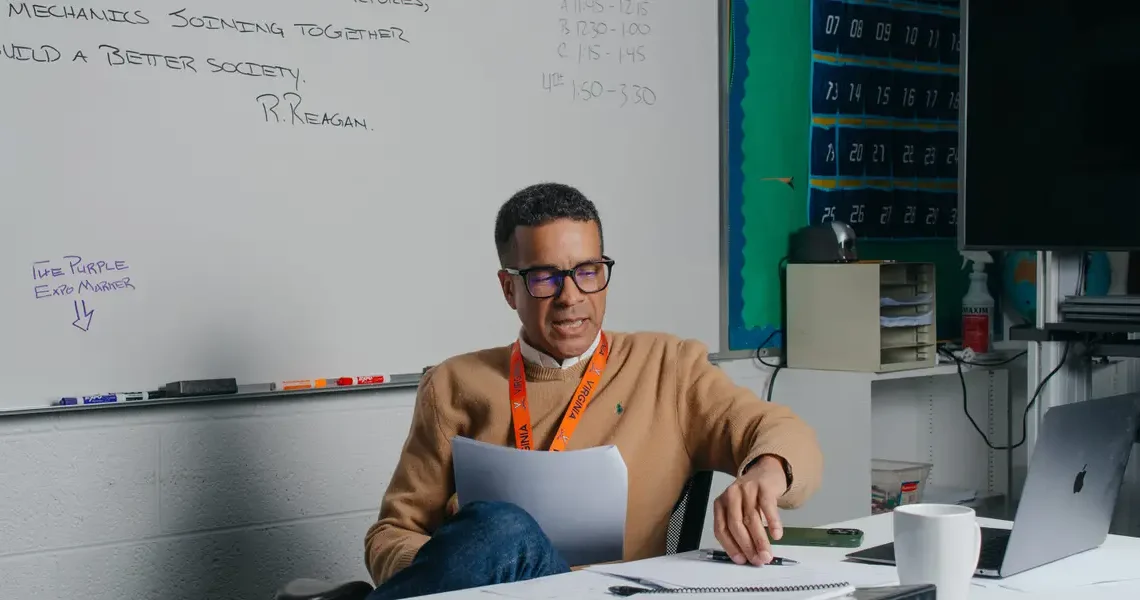
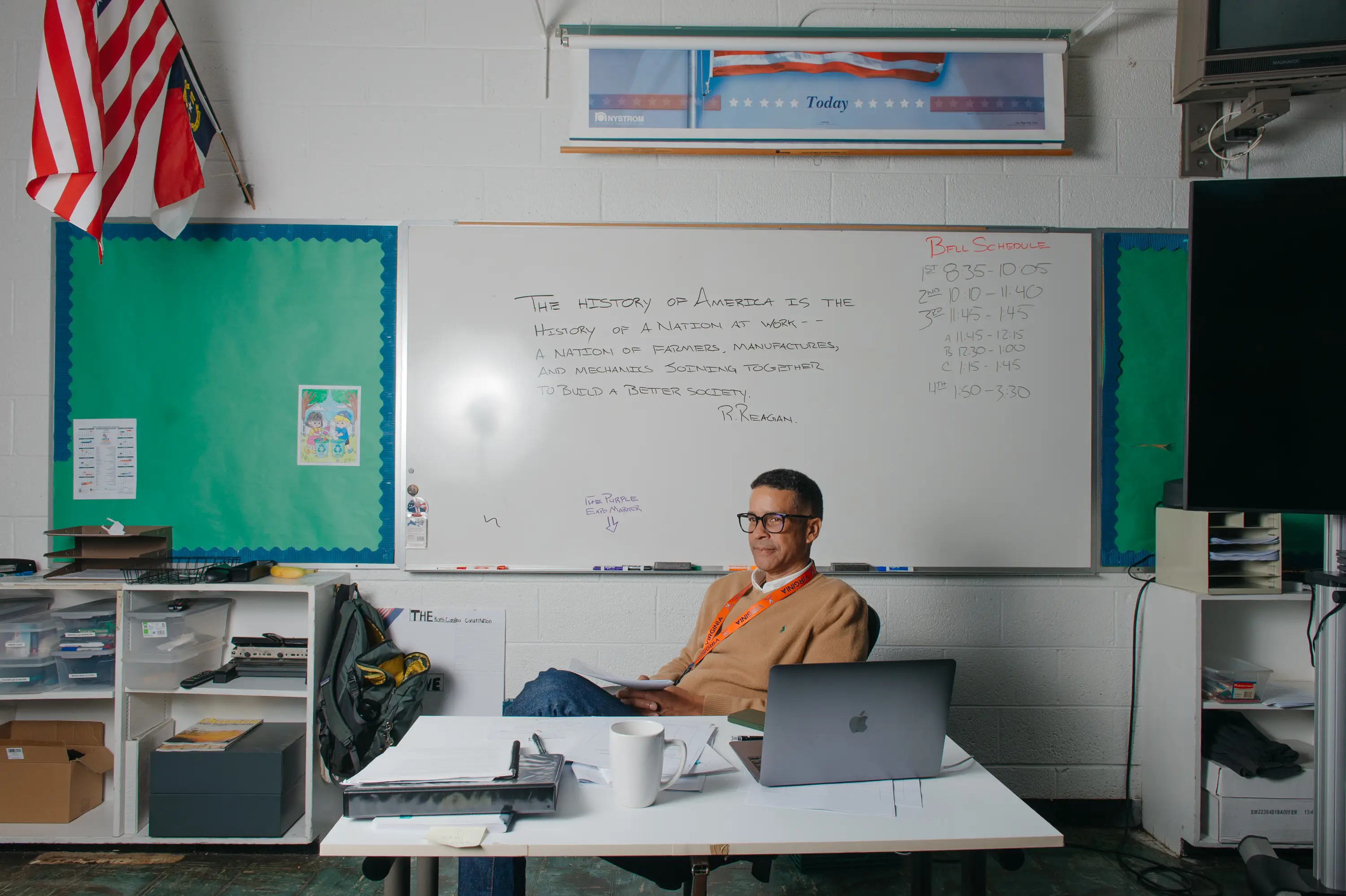
Ring teaches his economics and government courses in accordance with the state’s social studies standards, which include an emphasis on capitalism and its impact on the American economy. Like most of the 10 teachers who spoke to Business Insider about teaching capitalism to high school students, Ring said that as young people increasingly get news and information from social media, the topic has become more politicized. Teachers must walk a fine line to avoid politics while also applying lessons to the real world.
“I’ve always tried to present the topics as unbiased as I can while being honest with them about certain realities,” Ring said. “If they can walk away from my class not knowing how I vote or what my personal beliefs are or even what religion I am, I think I’ve done my job.”
This story is part of Business Insider’s series “The Future of Capitalism,” which looks at ways Americans’ confidence in capitalism has been eroding and what related changes in our economy mean for your work and wealth.
- Read the first story in the series: The new American capitalism
- Tell us what you think about capitalism in America
Teachers across the US said their curriculum on capitalism has evolved as students become more aware of economic conditions with the rise of digital media and social platforms — or in their own experience. While that helps stimulate engagement in the topic, it can come with a political bend or misinformation. To fill students’ knowledge gaps, teachers are leaning into innovative strategies, like games and real-world entrepreneurship.
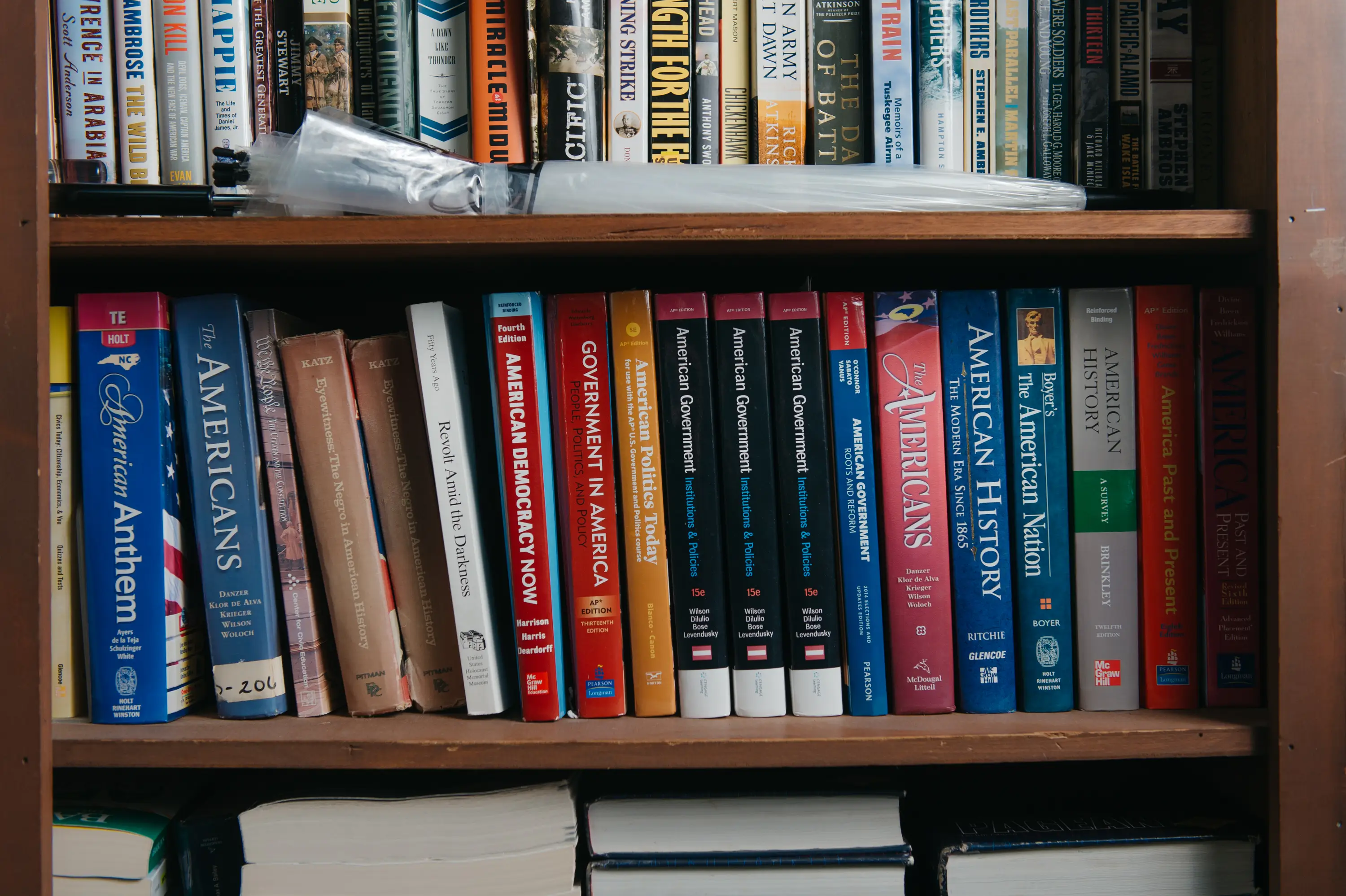
Since 2022, 12 states have instituted requirements for high schools to teach financial literacy, some of which include teaching the fundamentals of free-market capitalism. Defined as a system in which private entities own resources and compete for profit, capitalism stands in contrast to models such as socialism, in which the government has a stronger role in wealth redistribution, and communism, which abolishes private ownership in favor of shared resources doled out by the government.
In recent years, Americans of all ages’ positive views about capitalism have declined, according to a range of surveys. The shift is particularly pronounced among younger generations and Democrats, and helps explain the rise in support for political candidates affiliated with the Democratic Socialists, such as Alexandria Ocasio-Cortez and Zohran Mamdani in New York, and Katie Wilson in Seattle.
In the classroom, students’ increased awareness of concepts like how parents’ economic status can affect their children’s outcomes can be helpful, Ring said, and also a challenge.
“I think this generation is a lot smarter than people give them credit for,” he said.
At the same time, teachers like Ring feel responsible for addressing and correcting misconceptions, especially those related to politically charged ideas. For example, students may think they understand the meaning of terms like “capitalism” and “communism” and have strong feelings about both. However, Ring said that the reality of the US economy is more complex, so his goal is to ensure his students understand the basic market structures and how they translate to the real world.
“There’s no purely free-market driven large-scale economy out there, just as there’s no purely communist driven large-scale economy out there,” Ring said. “There are certain things that the education code expects them to learn or to understand, but those might just not be how things actually work in the real world.”
VOCAB WORD: MONOPOLY
A market structure where one company is the sole producer of a good or service without close substitutes. In the US, antitrust laws prohibit a single firm from controlling a market and restraining competition.
Preparing teachers for students’ evolving views on capitalism
The majority of Americans still support capitalism, but the view is on the decline: a September Gallup poll found that 54% of respondents said they hold a favorable view of capitalism, down from 60% in 2021 and the lowest percentage Gallup has measured to date. The decline is even more pronounced among Gen Z and millennials, with 39% of 18- to 29-year-olds supporting capitalism, per the latest Harvard Youth Poll, down from 45% in 2020.
When Business Insider asked readers to share their views on capitalism in an informal survey, 55% said economic opportunity in the US is unfair or very unfair, and 42% rated their ability to improve their financial situation through hard work alone as low or very low.
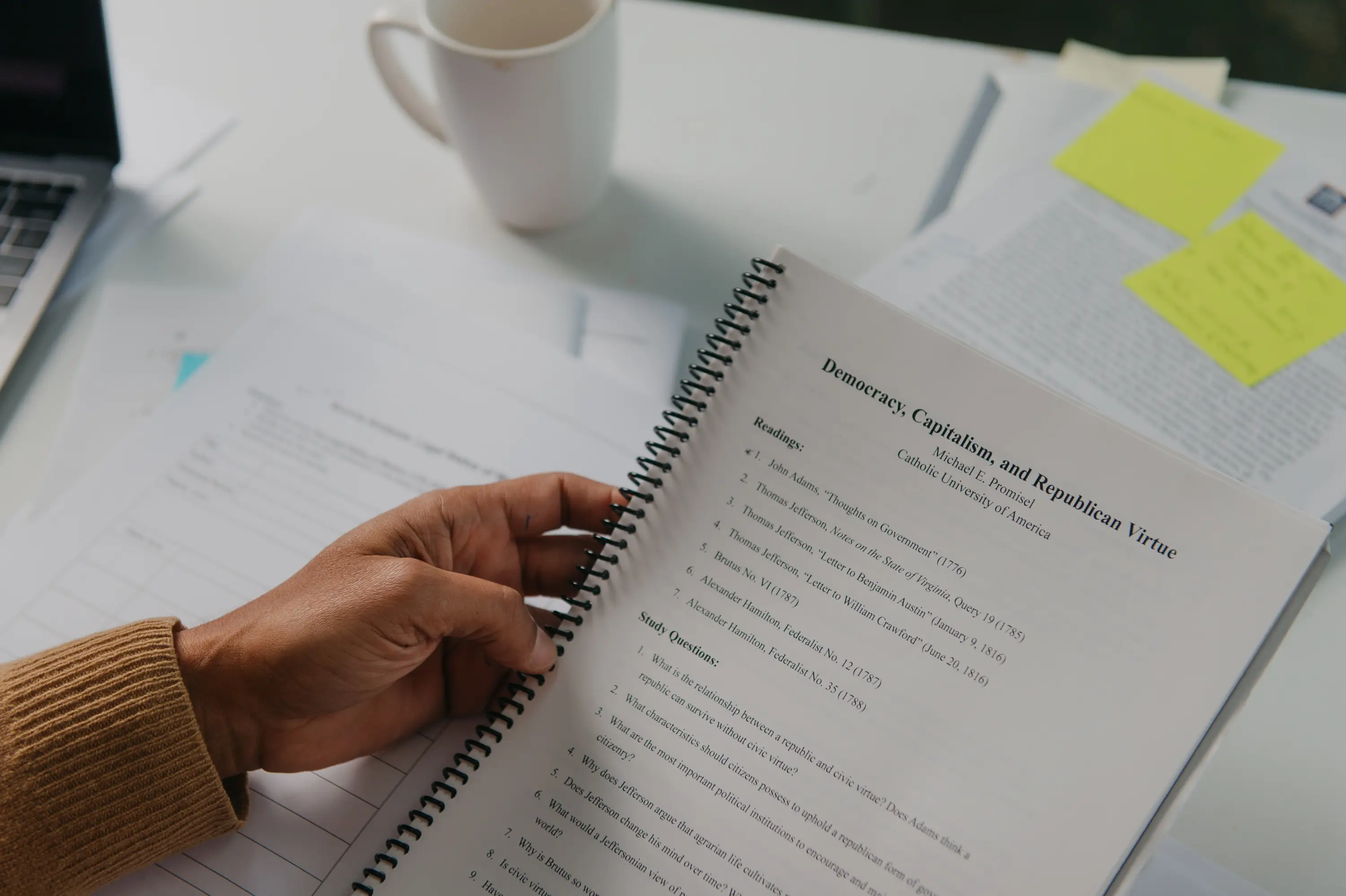
Despite the souring sentiment toward capitalism, more states want the economic system to be taught in classrooms, and the shifting state standards can make it difficult to plan an effective curriculum. That’s why the University of Virginia’s Democracy and Capitalism Lab established an institute two years ago, providing high school social studies teachers with tools to teach about democracy and capitalism in the classroom and helping them better understand free market principles.
“This is a very pressing topic at the moment, democracy and capitalism, especially with everything that’s going on in the world,” Jennifer Seiter, the education and outreach specialist for the lab, said. “And yes, it is important for teachers to teach these things, but when they’re being handed new classes and new topics without a lot of support, that is where they’re searching for help.”
Current events play a significant role in helping prepare teachers to deliver comprehensive lessons on capitalism, Scott Miller, director of the lab, added. He raised the example of President Donald Trump’s tariff policies. Instead of outright saying that the tariffs are good or bad for the economy, he had the teachers at the institute compare the current policy to Alexander Hamilton’s tariff policy. Doing so would help them better understand the historical context of capitalism while connecting it to the modern era.
“When you’re talking about pedagogical issues, framing them and getting a comparative element tends to be much more effective than just being like, taxes are bad, tariffs are bad,” Miller said.
Students are more aware of economic conditions
Bonnie Monteleone, an Ohio high school social studies teacher, said that the biggest difference she’s noticed over her 30 years of teaching is the rise of social media, and that students are “being fed stories that an algorithm has decided they want to hear.”
“You have kids who are taking things from podcasters, social influencers,” Monteleone said. “And as a teacher, it’s a challenge because sometimes you’re not sure where they’re coming from with how they’re interpreting their current events and the world around them.”
Ohio State Sen. Steve Wilson, who sponsored a 2024 law requiring high school classrooms to incorporate free market capitalism into financial literacy courses, told Business Insider that he’s not a “capitalism or nothing” conservative. He doesn’t mind if classrooms are teaching about socialism or communism, too.
“The reality is that we are a capitalistic economy,” Wilson said. “And if we’re going to teach kids that are going to come out of high school and enter the world how to function in a capitalistic economy, then it’s got to be part of financial literacy.”
He added that if the economic system of the US were socialism, he would push for socialism to be taught in classrooms.
“You have to teach whatever your financial system is. And in the United States today, whether people like it or not, capitalism is what you have to understand if you’re going to be successful,” Wilson said.
Christina Elson, executive director of the Center for the Study of Capitalism at Wake Forest University, said that as young people learn about inequality, they become increasingly interested in how capitalism can work better for more Americans. Elson coauthored a 2023 study that found that millennials and Gen Z have shown more dissatisfaction with capitalism than Gen X and boomers. It’s because “the experiential component of their upbringing is very different,” Elson said.
“They do not get married at the same age as older generations. They do not develop the same financial or emotional independence that older generations did at the same rate from their parents or their families,” Elson said, and those factors influence how younger generations view their roles in the economy and how the economy works.
VOCAB WORD: SOLE PROPRIETORSHIP
A business owned and run by one person, who assumes all profits and liabilities.
Pressure to teach to state standards doesn’t apply as much to Robyn Iler, a government teacher at a private Christian school in Virginia. Still, she said she feels a responsibility to ensure her students are aware of the dominant economic system in the US.
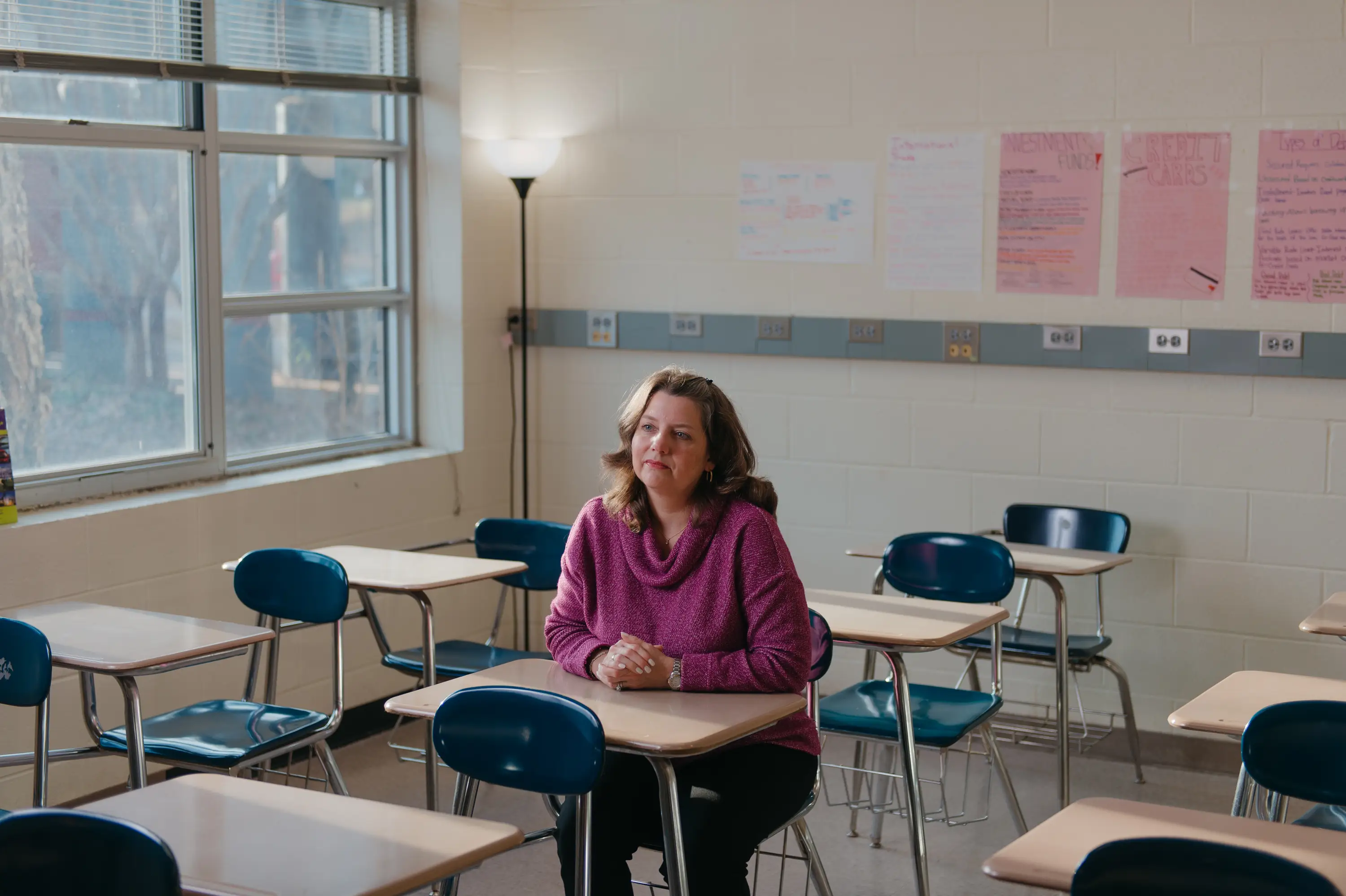
“I think there are some concepts and truths from the Bible that fit in with capitalism, but what, more importantly, fits in with human nature? What do we know is true about humans and how we make decisions?” Iler said.
She presents her students with various economic policy ideas — such as plans to raise taxes on the wealthy — and asks them if they think that’s the best way to better society. Through those conversations, Iler said she has seen her students develop a growing interest in socialism, driven by their belief that it would promote greater equality.
When Eugene Mach started teaching high school business classes about 11 years ago in Northeast Ohio, he taught traditional curricula, such as office skills management. However, he said he felt it didn’t meet the needs of his students, who came from a lower-income district. He wanted to focus on ways his students could make more money, so he revamped his curriculum to be entrepreneurship-based.
“I wanted them to be able to start a business or a side hustle,” Mach said.
He works with his students to create a business plan and conduct market research with the goal of running a successful business by the end of the year. He said he has helped students graduate from high school with their own businesses, ranging from hair and makeup services to landscaping. Mach recalled a student who, while living in public housing with his mom and siblings, worked at McDonald’s. Through the school’s entrepreneurship class, the student started an LLC with his mom, bought a duplex, and graduated as a landlord.
Mach said that it’s important to teach capitalism in his classroom because it’s an economic system that provides the most opportunity for his students. His class focuses on the question of, “What is it that we can do to make our own situations better and grow our businesses?”
In North Carolina, Elizabeth Mosley said that after teaching civics for about a decade, she’s noticed that her students are growing increasingly skeptical of capitalism and “they don’t quite buy” that it should be the first choice for a democracy because of what they see as a focus on profits and wealth building over citizens’ well-being.
“They’re very intrigued with the notion of a more equitable economic system,” Mosley said, adding that she’s seen her students express interest in the rise of political figures with socialist-leaning beliefs like Sen. Bernie Sanders, Ocasio-Cortez, and Mamdani.
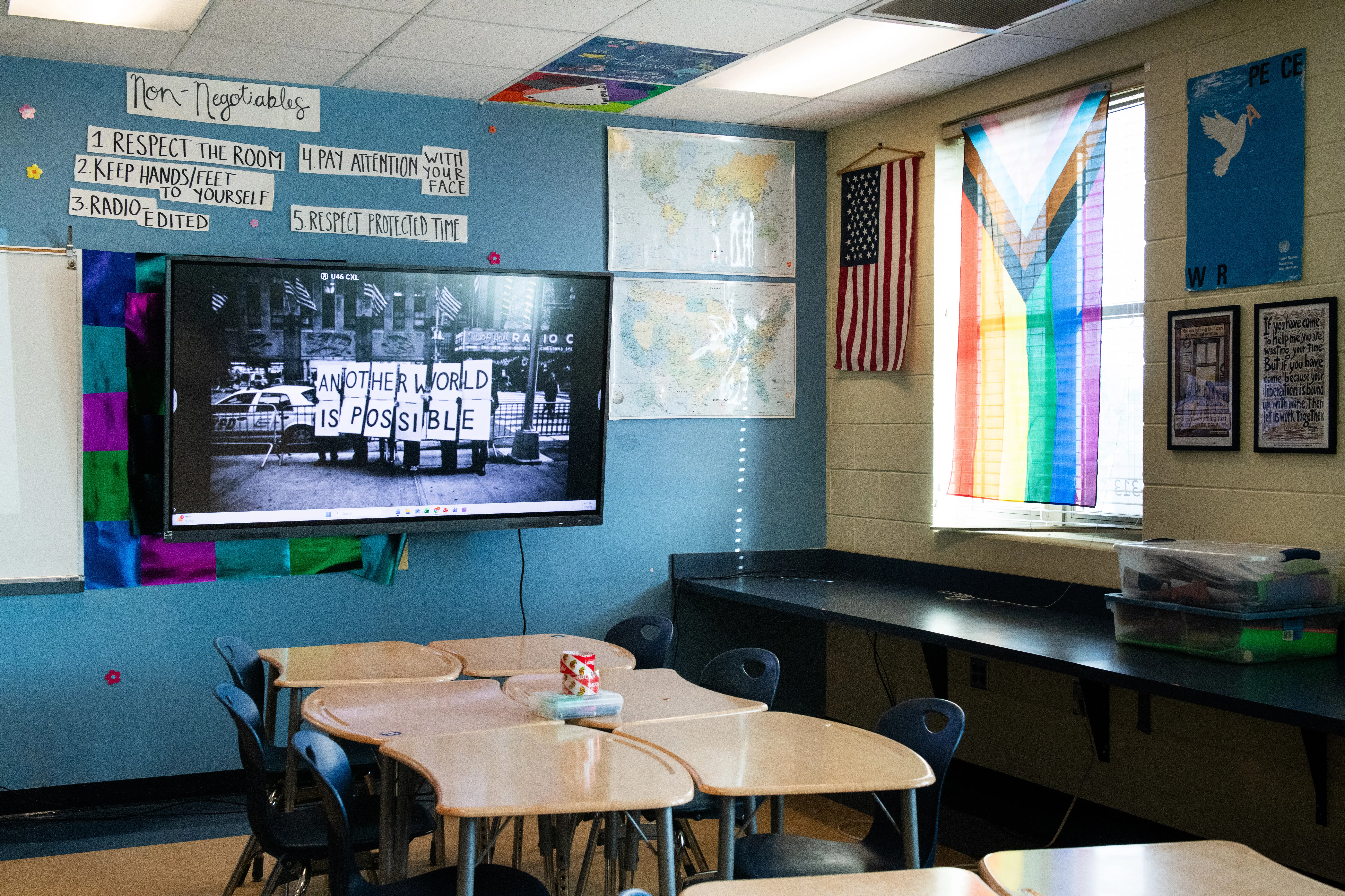
“They want to look at what it would be like in America if we had politicians who were a little bit more interested in political and social and economic equality versus just sort of the unbridled dog-eat-dog world of capitalism,” she said.
That’s why an “eat the rich” sentiment is captivating a growing number of students, Lauren Visalli, a Texas world cultures and world geography teacher, said.
“They’re becoming more aware of the big wealth gap in the US,” Visalli said. “And I think that’s going to change perceptions of capitalism more in the future.”
Finding innovative ways to teach about economic systems
Monteleone, in Ohio, said that even before the state’s financial literacy requirement, her school was already teaching an entrepreneurship class with an existing curriculum that covered the free market, business structures, and how the American economic system operates. For example, she said that her colleagues created a course where students create a business plan and pitch it to local business owners, which she said students have really enjoyed and are eager to participate in.
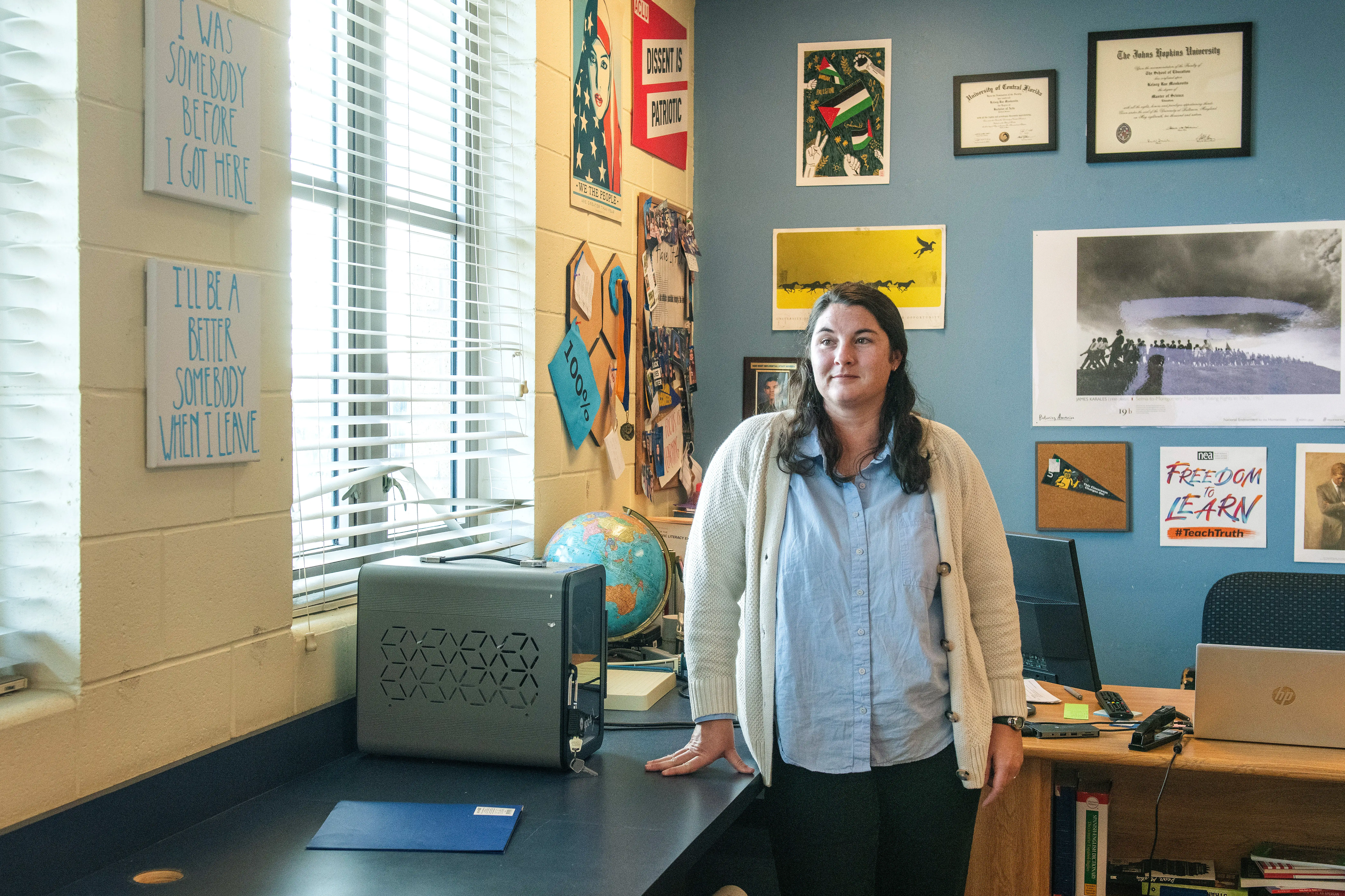
Kelsey Moskovits, a 12th-grade US government teacher at a public high school in Florida, gave her students an online political compass quiz, and she said some students discovered new political and economic beliefs they held while answering questions about how much they agreed or disagreed with statements like “The freer the market, the freer the people.”
Visalli was a bit more old-school when it came to teaching about capitalism — she said that she used candy, or another fake currency, to simulate how different economic systems work and distribute wealth. For example, students might use their currencies to build monopolies or oligopolies to experience the benefits and costs of the different market structures.
VOCAB WORD: S-Corporation
An S-Corp allows income, losses, and deductions to pass through to shareholders, avoiding double taxation on corporate profits.
Arthur Johnson, a high school history and civics teacher in North Carolina, participated in the University of Virginia’s one-week institute in the summer of 2024. He said the teaching technique that has most resonated with his students is applying the history of capitalism to “the day-to-day aspects of it.”
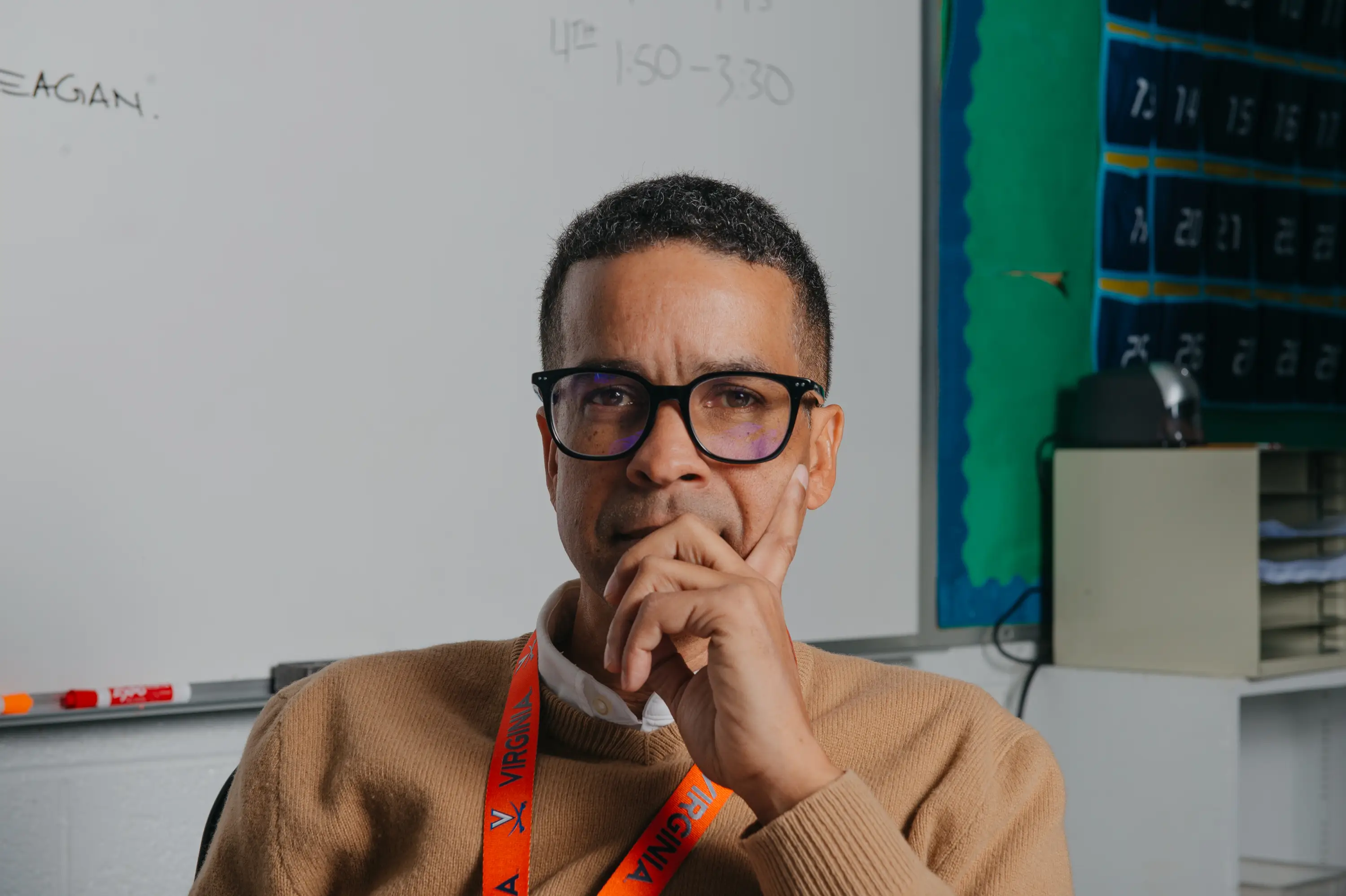
He might pose an example high school students can identify with, like “Here’s what you’re making right now at your part-time job, and you feel like you got a lot of money, but let’s look at everything else,” Johnson said. “Have you noticed that your paycheck isn’t going as far as it needs to go?”
Looking forward, Moskovits said it’s inevitable that students’ economic beliefs will be influenced by social media, but she’s encouraged to see her students engaging in vibrant discussions about economic systems and forming their own opinions.
“Some kids are going to be like, ‘Ah, yes, communism is this ultimate evil that we as a country had to triumph over,'” Moskovits said. “And there’s going to be some kids who are going to feel really different from that. And that is a new kind of phenomenon to have students who even have opinions about those things.”
Read the original article on Business Insider
The post How America’s high schools are teaching capitalism appeared first on Business Insider.