Self-care is supposed to be a part of life where you stop doing stuff, unplug, and finally relax for the first time since your last panic attack. Instead, the stress of it makes it feel like I have another job.
For some mysterious reason, in the past, oh, I’d say, about 10 years or so, the self-care industry became industrialized. Sort of like how during World War II, toy factories were converted to start making bazookas or whatever.
Relaxation is big business. While I think it’s hysterical that so many people within it dance around the reasons why as to avoid making self-care political, even though the reason a lot of people are being driven toward it is inherently political, by now, it’s been around long enough that you can safely say it’s not a bubble industry waiting to burst.
The countless websites, apps, Instagram pages, TikTok accounts, and influencers built around it are mostly going to stick around because it should have been around all along. But it can be a lot.
When Did Self-Care Become a Full-Time Job?
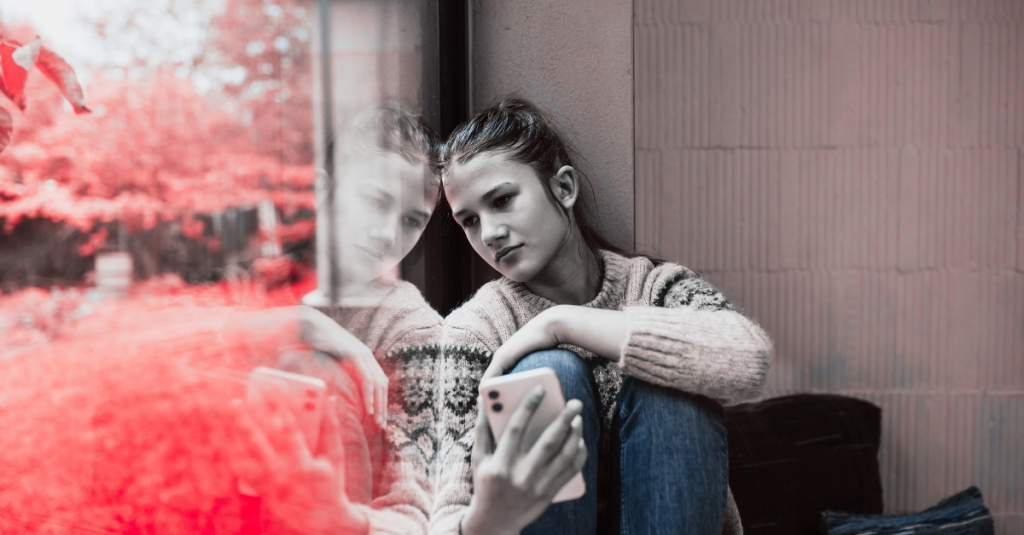
Somewhere along the way, mental health advice and the actionable techniques within the Self-Care Industrial Complex became as stressful as the very reasons we need them. It just became another task to complete that will riddle you with anxiety and self-loathing when you find it too difficult to squeeze into your schedule.
At that point, if you’re not feeling okay, it’s not because the world and the a—holes we’ve let run it have ruined everything. It’s that you didn’t stretch enough, you didn’t box breathe hard enough, you didn’t cozy up to a fireplace enough.
Instead, you chose to collapse in exhaustion on the couch while watching Gilmore Girls for the fourth time this week. I would argue that’s a valid self-care strategy, but one that I don’t think many influencers will be able to monetize.
I’ve been doing self-care long before it became the cultural juggernaut that it is. I’ve been meditating since I was a kid, back when it was a cool-looking thing that I saw Master Splinter do. I take long, meandering nature walks like a sickly Victorian child. I’ve significantly cut down my social media use. I do breathing exercises that calm my regularly scheduled anxiety attacks. I do the stuff you’re “supposed” to do to feel okay.
It helps, and still doesn’t feel like enough. And not in a way that feels like medication is the next step. In a way that feels like there’s no legitimate way to keep up. Like you’re not meant to keep up with it all.
Self-care becomes a treadmill unto itself; it becomes its own kind of work. Not relaxing work; more of a performance-review kind of work.
How Much Is Your Phone to Blame?
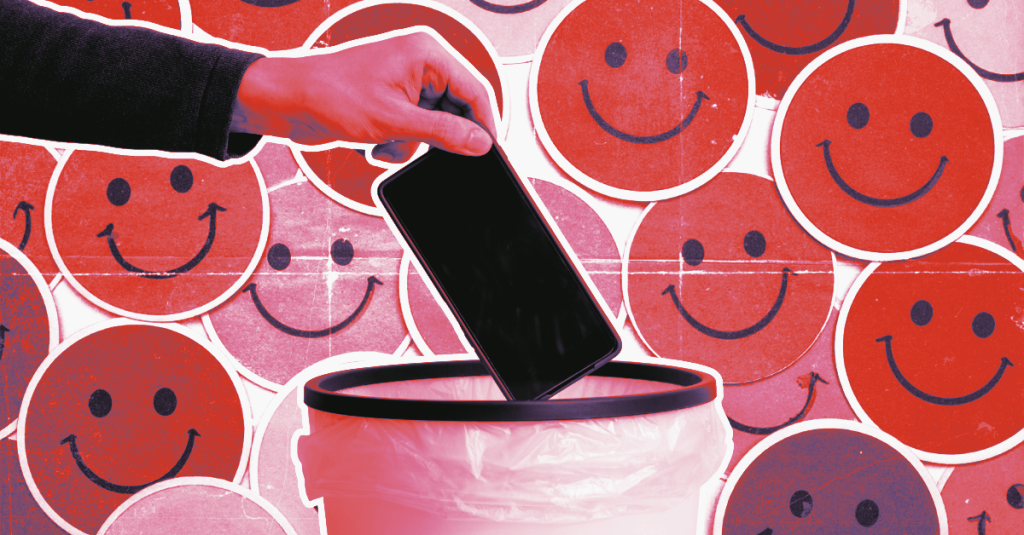
I recently wrote about how all apps feel the same now and how so many of them include addictive gameplay loops designed to keep you coming back. Like streaks that supposedly make you feel a sense of accomplishment for having Interacted with it multiple days in a row.
Those streaks are inherently stressful, and yet a highly recommended meditation app I started using last year includes streaks. What energy drink-chugging capital-G Gamer dork put the daily streak counters of online first-person shooter games in my god—n meditation app, and how soon can he be fed to a shark?
I don’t need self-care to come with a metric. I don’t need to be told that I’m resting wrong. A guide can help, but not a taskmaster, not Lee Army Ermey screaming at me while he’s wearing yoga pants.
This is how capitalism colonizes your inner life. First, it destroys your mental health. Then it sells you a system for fixing it, complete with routines, checklists, streaks, and the subtle implication that you’re doing it wrong, you f—king idiot.
There’s a reason it’s a joke I keep returning to in some form or another in my sketch comedy series that parodies guided meditation podcasts—it’s ever-present and unrelenting, and the inherent irony of it is delicious.
Everything has been optimized to within an inch of its life. Abundance is capitalism’s great innovation; the min-maxing of everything is the new metric for success. Squeezing blood from a stone, wringing every last bit of optimization out of every system possible, which ultimately means making more and more and doing more and more for less and less to maximize everything at the expense of your health and sanity.
When self-care has been industrialized the way it has, it stops feeling additive to your life and becomes maintenance, just a treadmill that simulates progress when you haven’t moved an inch, and all so you can just exist another day within a broken system.
The real radical act of self-care is admitting that while all of this santal-scented, soft-focused relaxation stuff is nice and needed, everything outside of it got too loud, too expensive, too predatory, too terrifying, too dangerous, too hateful, too bigoted, and too existentially nightmarish.
I don’t think the 20-minute meditation I do first thing in the morning is going to fix any of that. But maybe if I add a second 20-minute dictation sesh before bed…
The post When Did Self-Care Become a Full-Time Job? appeared first on VICE.