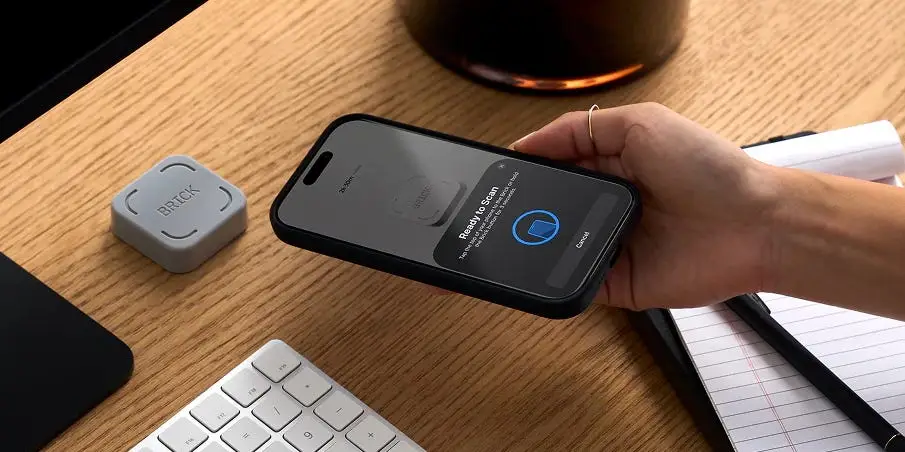
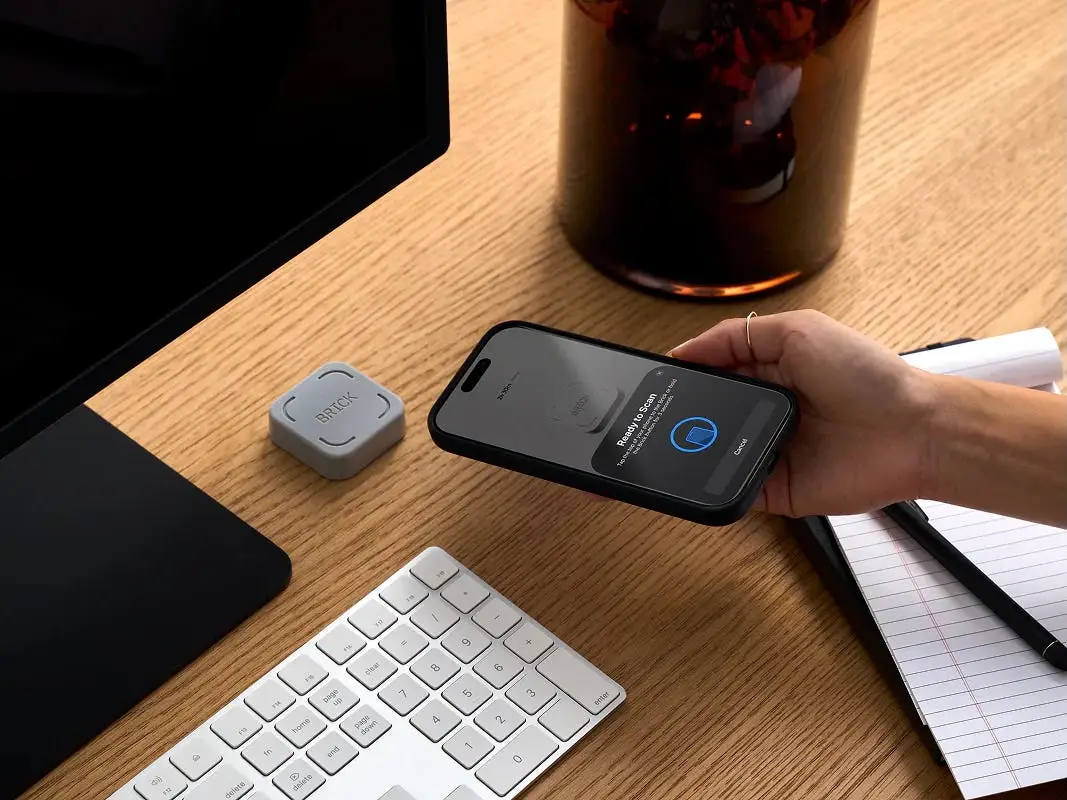
Almost a year ago, I bought Brick, a $59 gadget that physically blocks smartphone apps. I didn’t expect it to turn me into an evangelist.
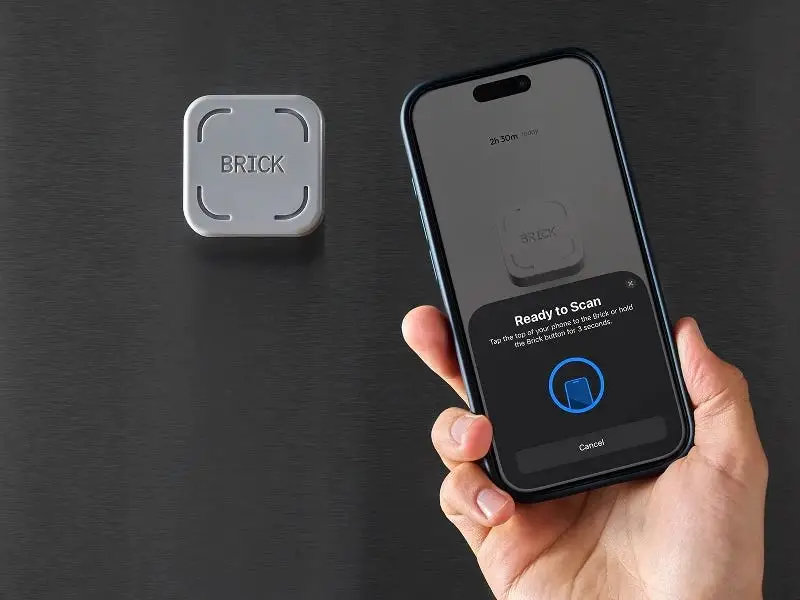
When anyone in my life complained about their screen time, I’d tell them about the little gray magnet on my fridge — how I tap my phone every night, blocking my email and internet apps until morning. Leaning forward, I’d share that I was the most focused and least frazzled I’ve been in the decade-plus I’ve owned an iPhone.
At first, the reaction was polite skepticism. Lately, it’s been recognition.
In the past month, multiple friends have brought up Brick without prompting — or asked if I’d ever heard of it (they were perhaps not ready to hear me wax lyrical for 10 minutes).
Soon, I started to realize this is the hot new form of abstinence — or “appstinence.”
Americans — especially younger ones — are already drinking less than previous generations, making Dry January feel less like a test of discipline and more like business as usual. Cutting back on screen time, on the other hand, has become the new flex.
As 2026 kicks off, more people are resolving to treat their phones the way earlier generations treated alcohol. The Wall Street Journal reported a spike in digital-detox resolutions in 2026, while The New York Times predicts that “dumb phones” — phones with minimal apps or no internet access — will become a status symbol.
Brick is not without competitors: Opal, Padlock, and Freedom are other products on the market gaining steam as methods to curb screen time. But I’ve noticed Brick has become one of the most recognizable tools in the growing ecosystem of screen-blocking products — recognizable enough that some users now refer to being “bricked” the way people once joked about being “offline.”
The Goldilocks of screentime boundaries
Just like the Gen Zers driving the anti-social media movement, Brick cofounders TJ Driver and Zach Nasgowitz got their first smartphones as high school freshmen. The idea for Brick came from their own struggles with resisting social media.
“We felt the problem so strongly,” Driver, 26, said. “We were like, ‘It’s inevitable that people are going to start realizing that they also feel it as strongly as we feel it.”
The device, which they launched in 2023, was designed to strike a balance between flexibility and discipline — stricter than app blockers, but less extreme than switching to a dumb phone.
“It kind of replicates leaving it at home, but you keep the tools of the smartphone,” Nasgowitz, 27, told Business Insider.
For people who need two-factor authentication for their jobs or feel uneasy living without Uber, a gadget like Brick, or apps like Opal or Freedom, offer less permanent options than committing to a $699 Light Phone.
At the same time, Brick is strict enough to curb a habit. You have to physically tap the Brick to unlock your phone, a more active gesture than toggling a few buttons.
And if you leave the house before un-tapping your phone, as I have on many occasions, you can use an “Emergency Unbrick,” but you only have five in total — until the day you run out and have to email Brick to ask for more.
A habit to kickstart other habits
Aside from cutting back on phone time, Americans’ 2026 New Year’s resolutions were pretty standard, according to a survey of 1,000 people. Exercise more. Save money. Spend more time with loved ones. Be happier.

Reducing screen time often works as a keystone habit.
I learned this firsthand: Limiting my phone use made it easier to follow through on other goals — working out or being more present with friends — simply because I was no longer losing hours to the scroll.
Overall, it made me a happier person.
That logic resonates most with those who grew up with smartphones. For Gen Zers and younger millennials behind the wider anti-tech movement, phones aren’t just tools but obstacles to focus, ambition, and connection.
Nasgowitz said Brick’s biggest consumer base is people aged 20 to 35.
More broadly, they’re “people who are clearly interested in improving themselves,” he said. “Maybe they do other things, like go to the gym. It’s just part of their stack of wellness.”
Like Dry January, bricking your phone doesn’t work unless you actually commit to it. But for a generation that already drinks less — and scrolls a lot — it’s becoming the more meaningful thing to give up.
Read the original article on Business Insider
The post Bricking your phone is the new Dry January appeared first on Business Insider.