
The race to dominate the robotaxi space may not be as close as some companies suggest.
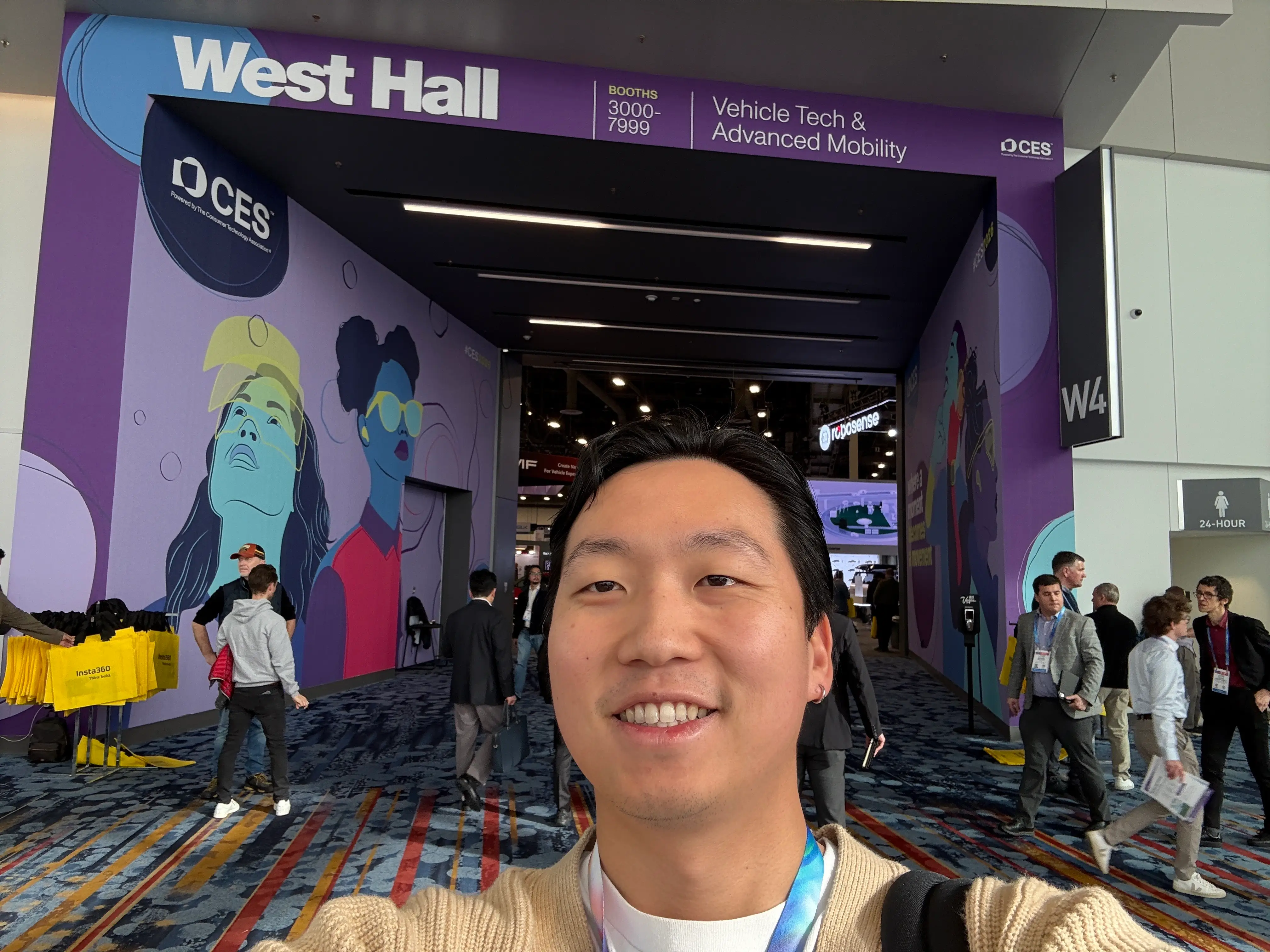
Lloyd Lee, Business Insider’s reporter covering robotaxis and emerging mobility tech, went to CES for the first time to check out the autonomous service from Zoox, Vay, and other providers. Lee, who has taken a few rides with robotaxis recently entering the market, said the experience sharpened his view that one company appears to be significantly ahead — and that the industry still faces major hurdles before the vehicles can truly go mainstream.
In the Q&A below with BI News Chief Steve Russolillo, Lee breaks down his biggest takeaways from CES, the most impressive tech he saw, and how the experience will shape his coverage in the year ahead.
Steve Russolillo: Lloyd, this is your first time at CES. What are your impressions and biggest takeaways from the event?
Lloyd Lee: First, CES is a massive event. It is humanly impossible to stop by every booth no matter how militant you are with your time. Second, I was struck by how much space the convention was dedicated to automobility. I agree with what Paul Costa, a 25-year Apple veteran who worked on the company’s self-driving car project and is now at Ford, told me: CES has become a car show as much as it remains a tech show.
Russolillo: What’s the craziest and wildest piece of new technology that you saw?
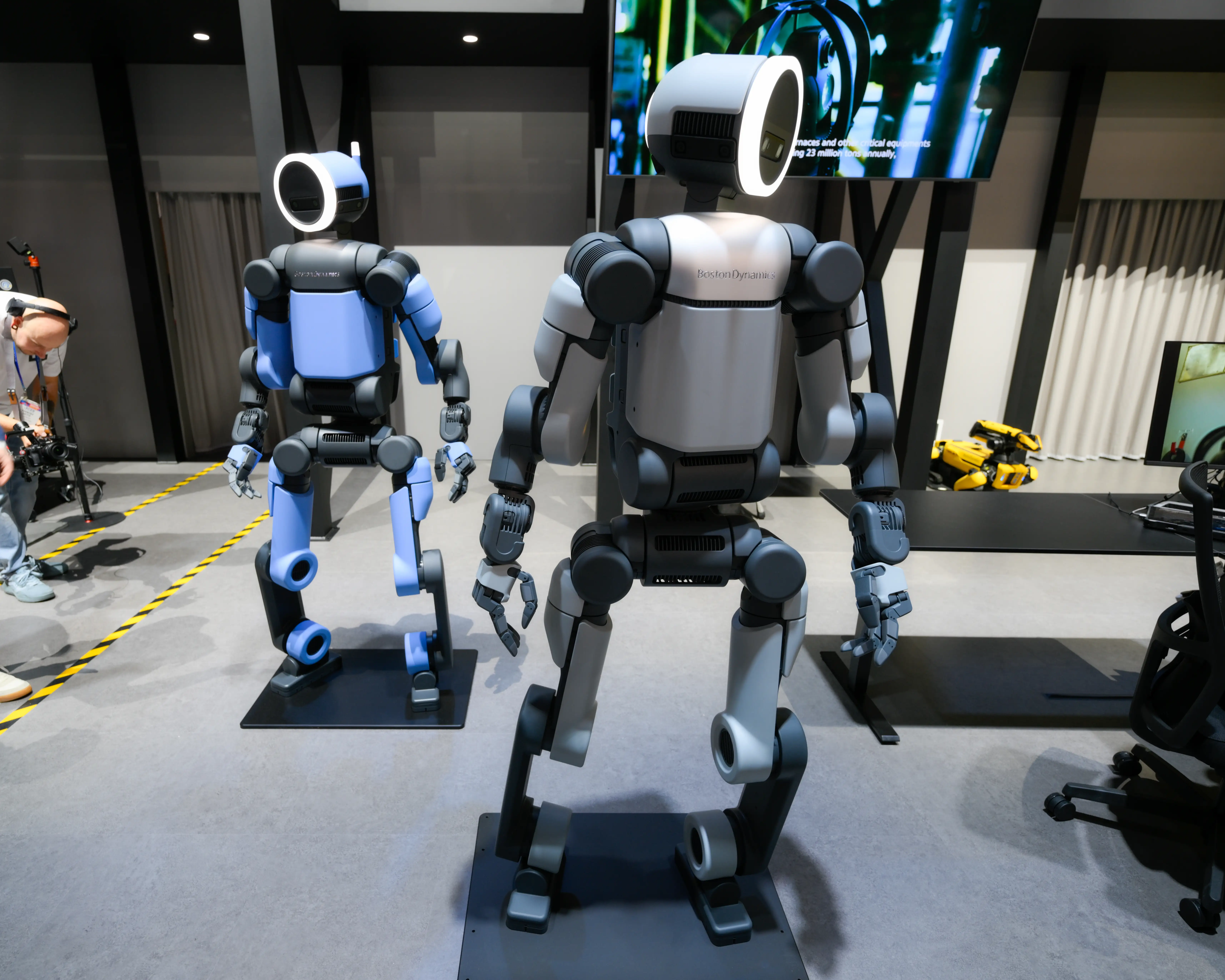
Lee: Hyundai Motor Group’s booth had a really impressive display of how far it’s trying to take autonomy — from EV charging stations and robotaxis to robotic arms and humanoid robots. Boston Dynamics, a Hyundai unit, demoed its Atlas humanoid robot at the booth. Just the way it activates and stands up is terrifying and awe-striking at the same time.
Russolillo: You cover robotaxis for BI and had the opportunity to test drive two different robotaxis this week. What stood out to you the most?
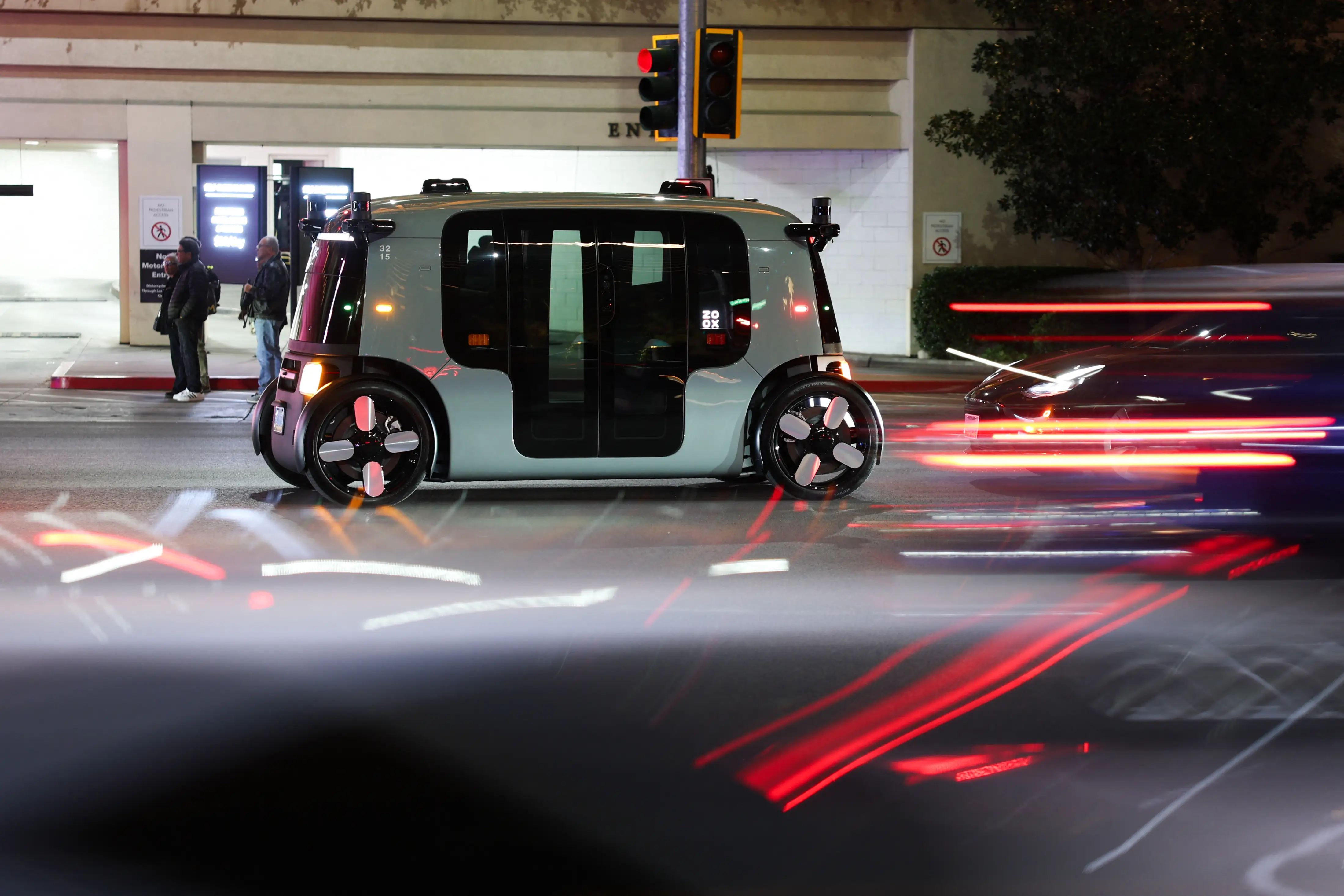
Lee: I tried two robotaxi services for the first time, including Amazon’s Zoox. There are obviously a lot of smart people working on this technology. But I have to say: Trying those services only made me realize 1.) how far ahead Waymo is or at least appears to be, and 2.) just how difficult it is to make a profitable business case for robotaxis right now.
Getting autonomous driving right is only part of the challenge. There’s also the operations side — like fleet scaling and management — that Waymo has had to build up to help make robotaxis feel like a real autonomous ride-hailing service you can use in your day-to-day. (That is if you live in the city Waymo operates.) And even then, we know Waymo is burning money on its service.
Russolillo: What are some of the predictions you’ve heard from sources about tech, AI and business?
Lee: Chris Ahn, a principal at Deloitte with expertise in software-defined vehicles, had a few interesting points.
- When it comes to self-driving tech in personal vehicles, every automaker isn’t going to be chasing full autonomy the same way a Tesla or Rivian might. Instead, Ahn said they’re going to have to figure out what their customers want and what level of autonomy they think they’ll need: “If I’m an OEM and I know that most of my consumer bases are suburbanites that have two kids and families and things like that — what level of autonomy do I need for them and to achieve that level of autonomy, is it worth adding the cost of a LiDAR system to my bill of material?”
- Ahn foresees a conversion happening between all of the emerging tech that’s coming out of the past half decade. “Right now, we’re having separate conversations between humanoid robotics, generative/agentic AI, and software-defined vehicles,” he told me. “I think all three of those terms are going to converge. My role isn’t going to be head of software-defined vehicles anymore. It’s going to be something like emerging technology or mobility tech. I don’t know.”
Russolillo: What startup you never heard before really stole the show and impressed you?
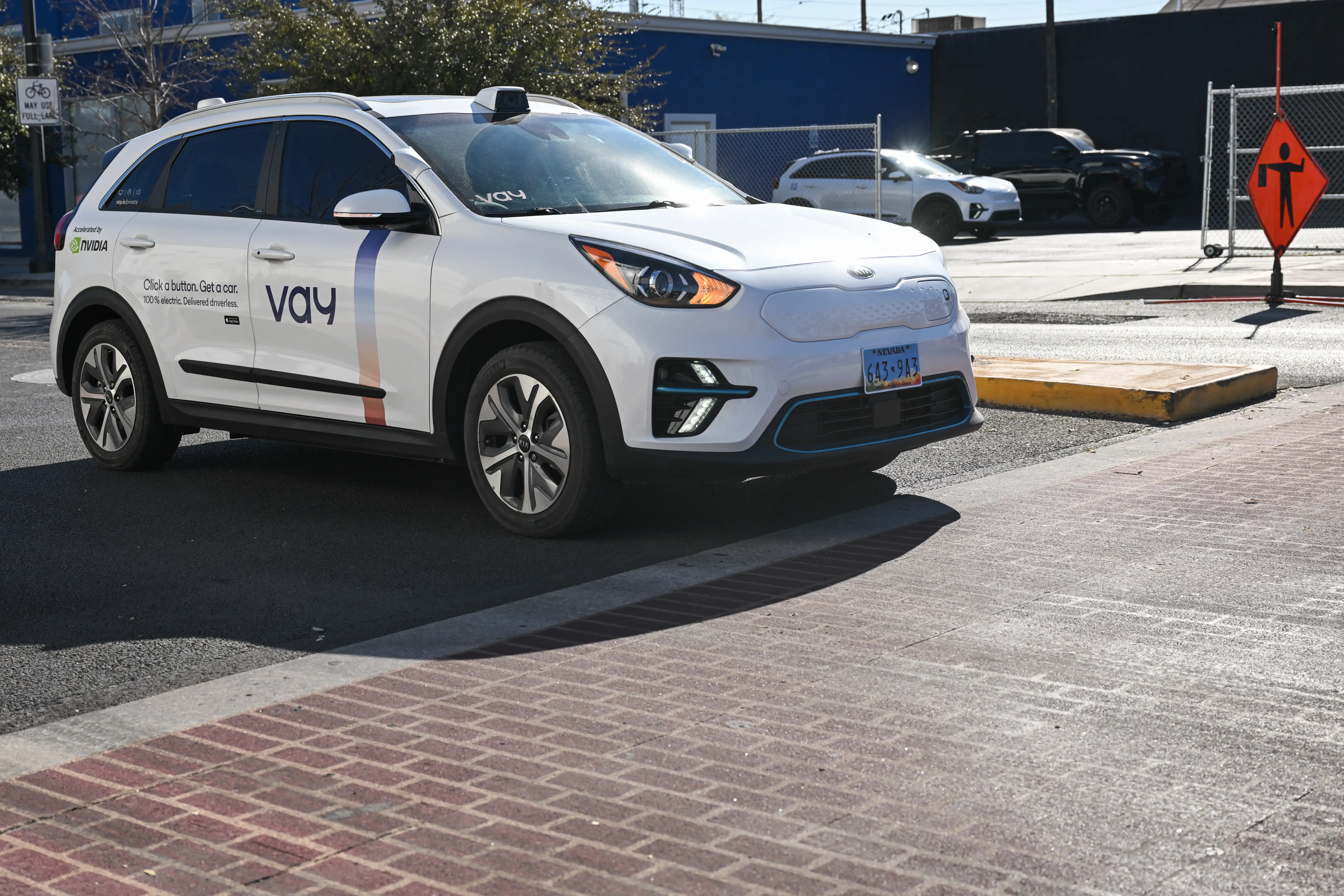
Lee: Perhaps less stole the show, but I thought Vay, a German startup developing a driverless car rental service, reminded me that there’s still room for some contrarian voices in the driverless space. Remote driving is the big bogeyman for robotaxi companies. You don’t want to be caught using it. This startup’s entire business model is built around it. Vay is using remote driving — with a potential to pursue autonomy in the future — for a small fraction of the overall driving experience: Getting the car delivered to a renter without a human inside. It was a “Huh, I never thought about that” moment.
Russolillo: What did you learn that might change how you go about your tech coverage for BI?
Lee: Broadly, emerging technologies like humanoid robots, self-driving cars, and, more generally, AI, contain a lot of unknowns and uncertainties. And company leaders in those spaces can be evasive when you ask for specifics, or they simply don’t know the answer. Possibly both. My instinct is to resolve that ambiguity, which in this space, will not always be realistic. Instead, I should write to the uncertainty, not through it. Name the ambiguity, build the story around it.
Read the original article on Business Insider
The post I went to CES to check out robotaxis. I left convinced that one player is far in the lead. appeared first on Business Insider.