They’re calling for “6-7” to be 86’d.
New year, new list of obnoxious slang terms proliferating society — from mind-numbing rap song catch phrases to good words that have been bastardized or run their course.
In an effort to preserve the English language, experts from Lake Superior State University have unveiled their list of so-called “in” expressions that need to be banished in 2026 — with the viral Gen Alpha vocab “6-7” topping the list of lingual infractions.
Started as a New Year’s Eve party idea in 1976, the annual Banished Words list has blossomed into a “grown into a global reflection on the words that wear out their welcome.”

“Since former public relations director W.T. (Bill) Rabe showcased the first “List of Words Banished from the Queen’s English because of mis-, mal-, over-use, or general uselessness,” LSSU has carried the torch. “The entries continue a tongue-in-cheek commentary on language, catchphrases, and corporate jargon.”
For the 50th edition of the vocabulary blacklist, over 1,400 submissions were submitted to the org this year, coming from all 50 U.S. states, and countries as far flung as Uzbekistan, Brazil, and Japan.
LSSU whittled them down to just ten expressions it wants to see excommunicated in the New Year.
What’s to blame for the proliferation of said slang? David Travis, Lake Superior State University president, blamed “social media”for allowing a “greater opportunity to misunderstand or misuse words.”
“We’re using terms that are shared through texting, primarily, or through posting with no body language or tone context. It’s very easy to misunderstand these words,” he said.
6-7
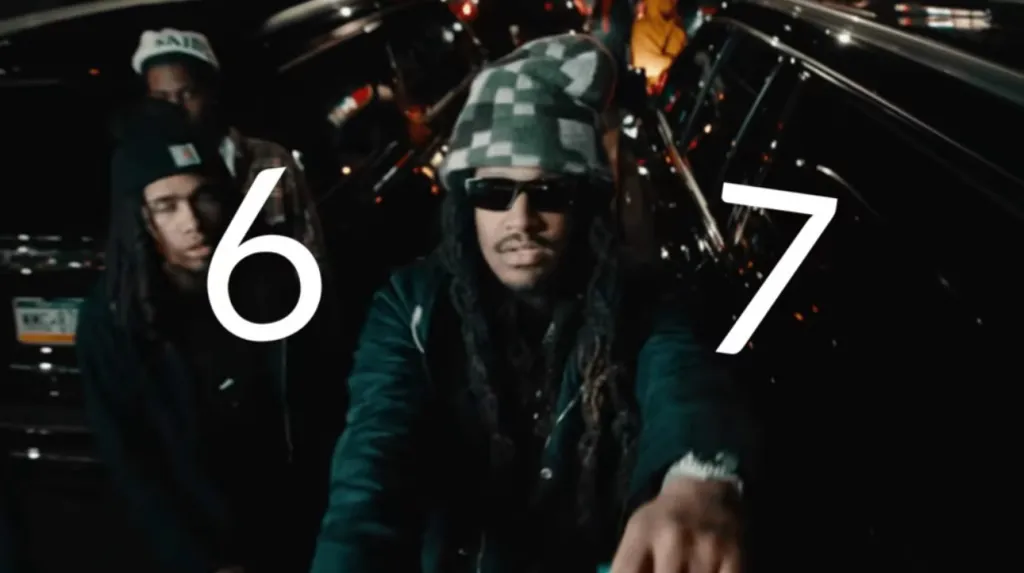
Originally a lyric from the Skrilla song, this omnipresent term has become embedded in Gen Alpha vernacular — just like “LOL” and “YOLO” with millennials back in the day.
The exact meaning of the meme-fied term remains ambiguous — that’s ostensibly part of the fun — but it has become so reviled in certain academic circles that educators have called for its exile.
The LSSU team overwhelmingly concurred. “The volume of submissions for this one could have taken up the whole list, at least slots 6-7,” they quipped.
Meanwhile, submitter Scott T. from UT quipped, “it’s time for “6-7” to be 86’ed.”
Demure
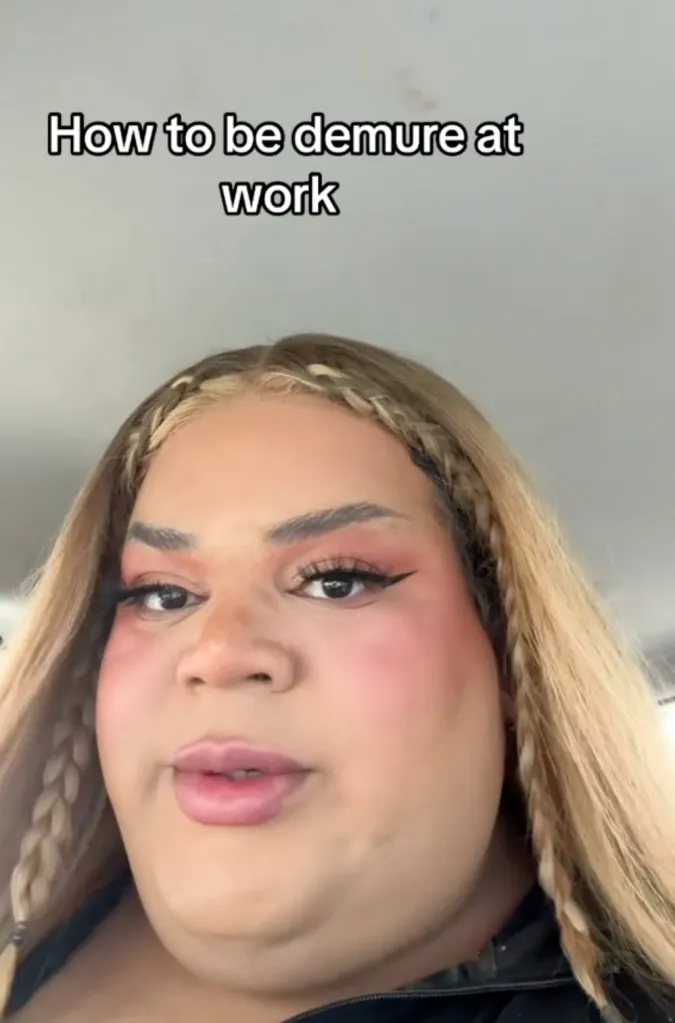
One of the more surprising candidates for the vocab graveyard was demure, which the Merriam-Webster dictionary defines as “reserved or modest in manner” — a term that often has a feminine connotation.
However, it became a buzzword over the summer after TikTok user Jools LeBron posted a video over the summer in which she used it to describe her work look.
“See how I come to work? Very demure, very mindful,” she said, pointing our her natural makeup look and straightened hair. “Let’s not forget to be demure, divas.”
Now, Gen Z has been accused of describing almost anything as “demure and mindful,” including eating chocolate cake, scrolling on phones in bed, and others that stray far from the original meaning.
LSSU submitters thought it was high time to call a moratorium. Madison C wrote that overuse “waters down the real meaning.”
Cooked

“Cooked” was similarly slapped with a scarlet letter after TikTok masses bastardized its meaning. It went from being used to describe food that had been put to flame to refer to someone or something as exhausted, overwhelmed or in deep trouble.
This contrasts with “let him/her/them cook,” which denotes allowing someone to do something impressive.
“Hearing it…my brain feels ‘cooked,’” groaned submitter Zac A while disparaging the adjective.
Massive
While this term wasn’t bastardized as much as others, the word’s massive overuse secured it a spot on this year’s list.
“Way overused! (often incorrectly),” exclaim Don and Gail K. from MN.
Incentivize

Also on the no-fly list was incentivize, which LSSU experts blamed as an example of the troubling trend of verbifying nouns.
“Two separate submissions likened hearing this word to ‘nails on a chalkboard,’” they noted, referencing one submitter who asked, “What’s wrong with motivate?
The post Linguists are calling for last year’s most maddening viral slang to be banished in 2026 appeared first on New York Post.