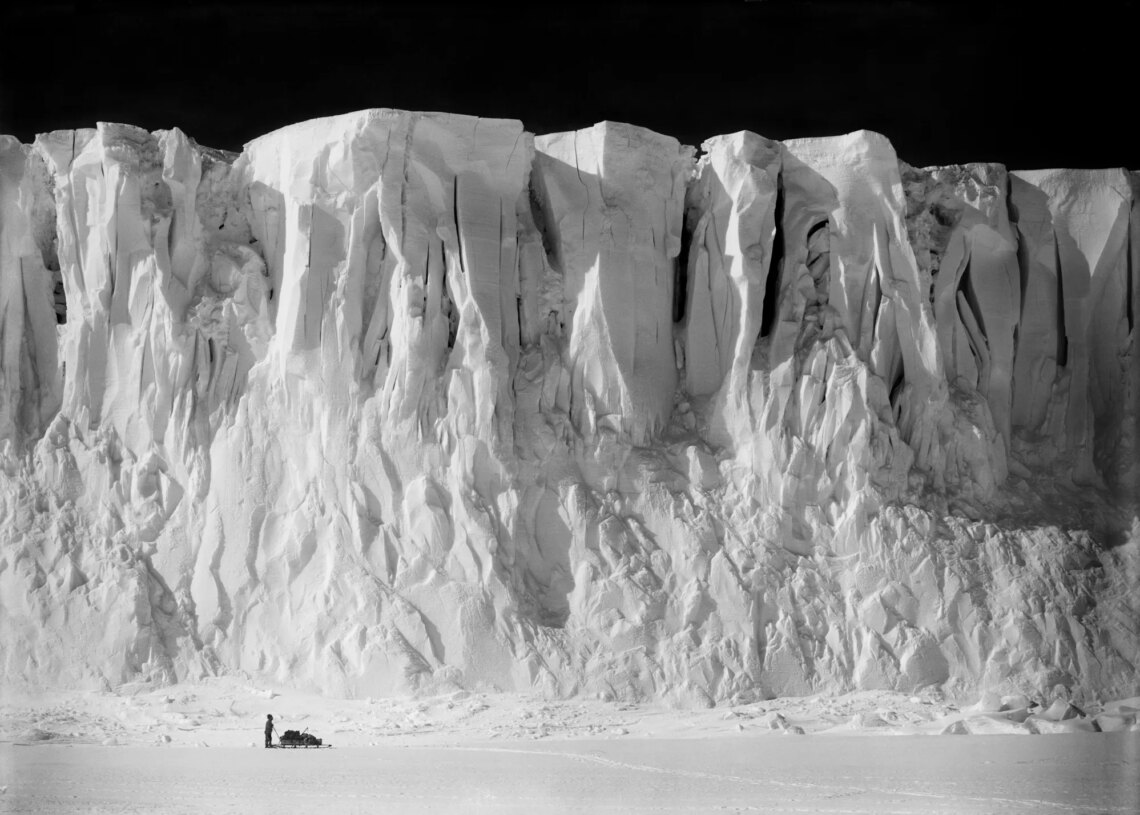
A ship carrying nearly 40 scientists has left New Zealand for one of the most dangerous and important research missions on earth. That mission? Studying Antarctica’s Thwaites Glacier, which is often dramatically but not incorrectly referred to as the “Doomsday Glacier.”
The glacier earned that nickname because, if it melts, it could raise sea levels due to climate change. If it melts completely, global sea levels will rise by about two feet. If it collapses and destabilizes the larger West Antarctic ice sheet behind it, sea levels would increase by 10 to 15 feet over the coming centuries.
It sounds distant. It sounds like science fiction. It’s happening right now, and it may have already happened once before.
The ‘Doomsday Glacier’ Explained
The New York Times reports that Geological evidence suggests something like it may have happened around 120,000 years ago. The only thing that’s changed is the speed with which it’s happening. Researchers say Thwaites, which is about as large as Florida, is breaking apart at a rate that may be years away, rather than decades.
The expedition will spend about a month working at the glacier’s edge, fighting brutal weather and dangerous conditions all along the way. Since the effects of climate change have really started to settle in, the Antarctic isn’t as reliably cold, and the ground is not as reliably sturdy as it once was.
There is an urgency to the expedition. Warm seawater is slipping beneath Thwaites as rising tides lift the glacier off the seafloor, triggering intense melting from below. Satellite images have revealed massive cracks, some hundreds of feet deep, opening in areas once safely considered stable.
What’s Next?
To get a better understanding of what is happening down there, researchers will drill through half a mile of ice to install instruments in the ocean below, fly radar over fractured ice, lower equipment from helicopters, and even tag seals with sensors.
Seals naturally dive down where ocean conditions are most active, so the scientists are tagging along some research equipment that will hopefully send back temperature and salinity data via satellite.
The stakes are high, for the expedition and for our planet’s viability as a habitat for the human race. What happens at Thwaites will help decide the future of our coastlines and the millions of people who live along them.
All of this effort comes with no guarantees. Equipment can fail. Crevasses can swallow entire installations. The ice itself moves about 30 feet a day. But the stakes are too high to stay home. Antarctica is no longer a distant, frozen abstraction.
What happens at Thwaites will help decide the future of coastlines—and the hundreds of millions of people who live along them.
The post Scientists Are Racing to Study Antarctica’s ‘Doomsday Glacier’ Before It’s Too Late appeared first on VICE.